
Place · 0.2 mi away
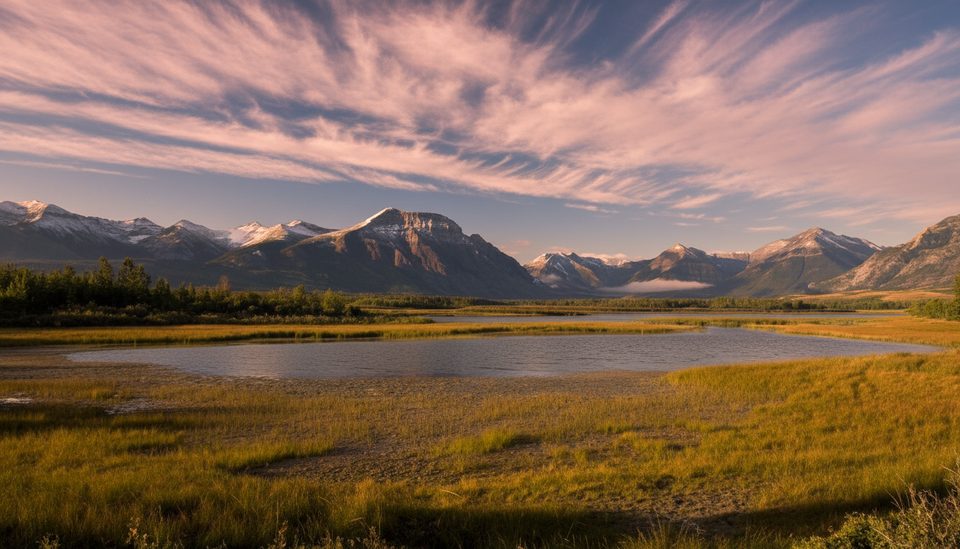
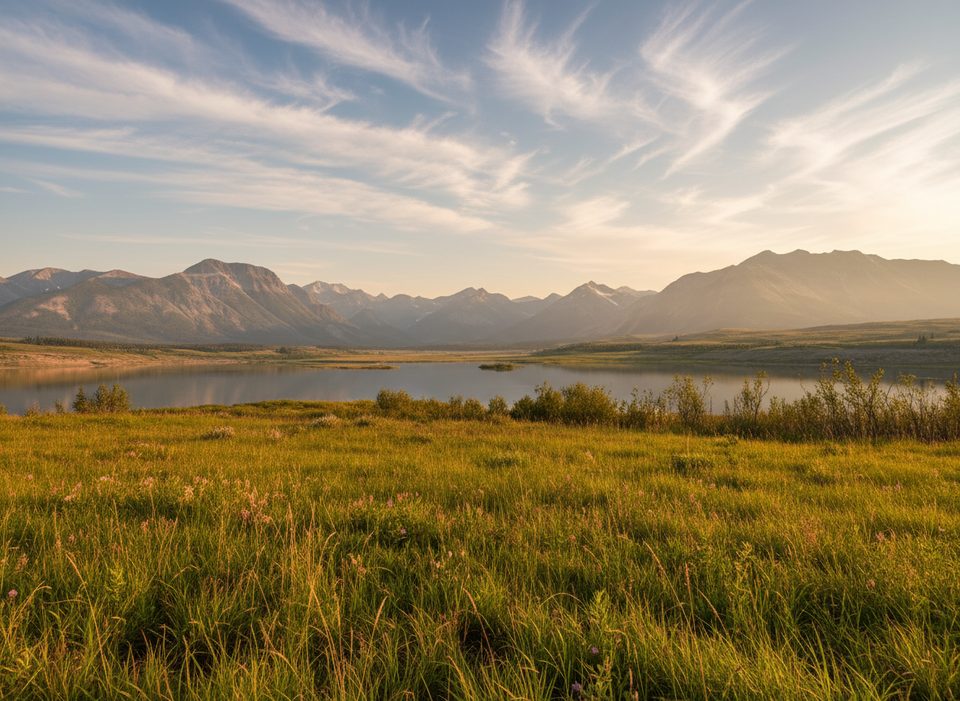
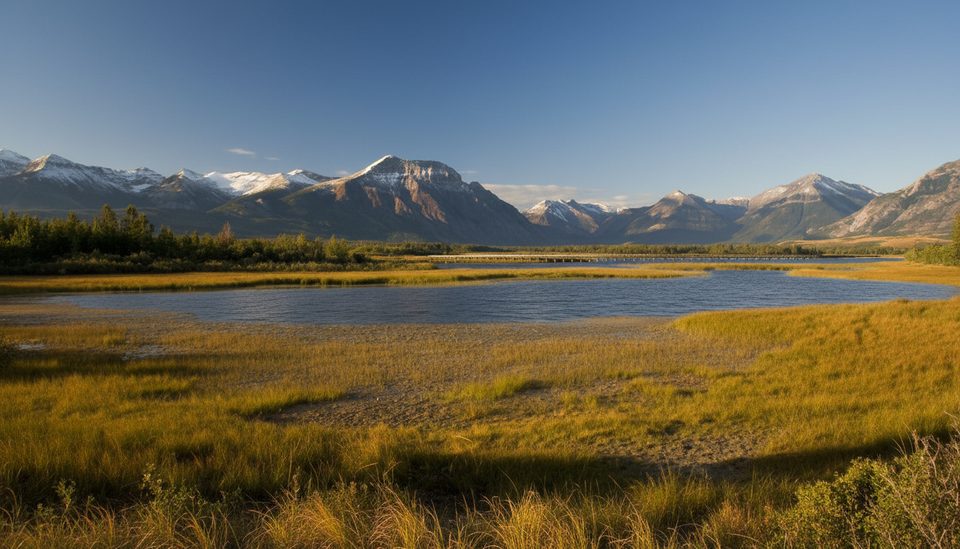
Just inside the park entrance, Maskinonge Lake is Waterton’s largest wetland—a calm, marsh-fringed lake that feels worlds away from the busy mountain viewpoints. It’s the place to trade peaks for reeds, reflections, and the soundtrack of cranes. Less visited than headline spots, it’s a mellow, nature-first stop for those who like their scenery quiet.
Where most park stops are about mountains and big water, Maskinonge is all wetland texture: cattails, clear, cool water, and wide-open grasslands. It’s a standout for wildlife and an easy picnic-and-wander kind of visit. On still days, the mirror-like water is catnip for photographers.
This is a bird magnet. Expect waterfowl galore, with frequent osprey fishing runs and the distinctive calls of sandhill cranes. The surrounding grasslands add wildflower color and more birdlife, and in summer you may spot plains bison in the nearby Horseshoe Basin area. Bring binoculars and be patient—this spot rewards a slow gaze.
Maskinonge holds deep meaning for the Siksikaisitapi (Blackfoot) people. It’s tied to the sacred Beaver Bundle tradition, with longstanding Indigenous use evident in archaeological sites and a nearby Blackfoot Confederacy Marker. The Siksikaisitapi name here—Aohkiaahkoinimaan, “Water Nation Pipe”—reflects that importance.
Expect basics only: picnic sites, a camp kitchen, and parking. There’s no campground and no confirmed restroom, so plan ahead. This is a sensitive wetland—stick to established paths, keep a respectful distance from wildlife, and follow park regulations.
This wetland formed where glacial meltwaters once pooled, creating ideal habitat for the rich mix of plants and aquatic life that make Maskinonge so lively today.
If you’re chasing big drama, you may prefer the alpine lakes. If you want a quiet, birdy corner with cultural depth, Maskinonge is a gem.
Place · 0.2 mi away
Place · 1.5 mi away
Place · 1.8 mi away
Place · 2.9 mi away
Easy · 0.2 mi away
Moderate · 4.6 mi away
Challenging · 4.6 mi away
Challenging · 5.2 mi away

Parkwolf Tour Guide
