
Place · 1.5 mi away
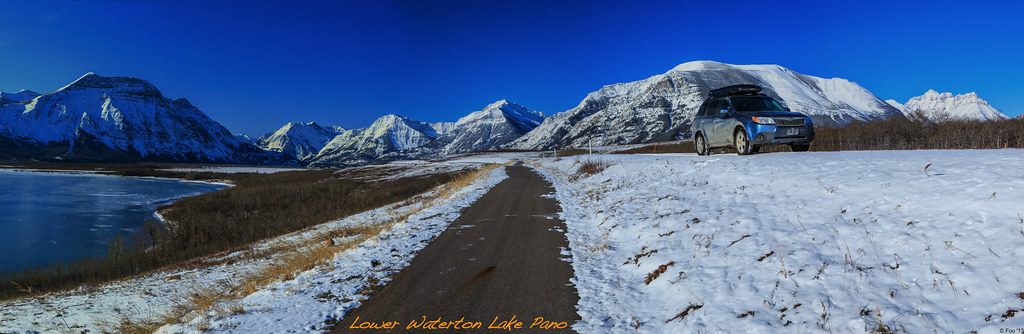
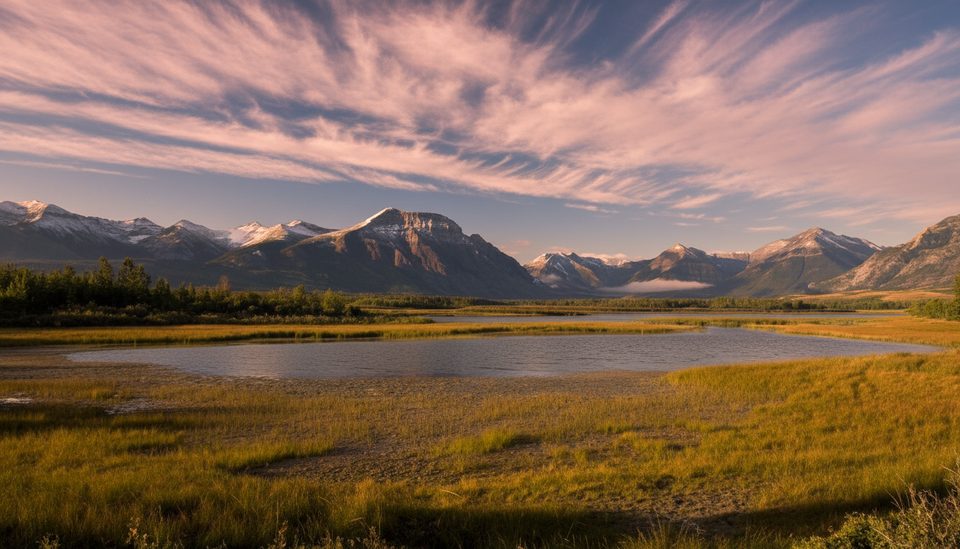
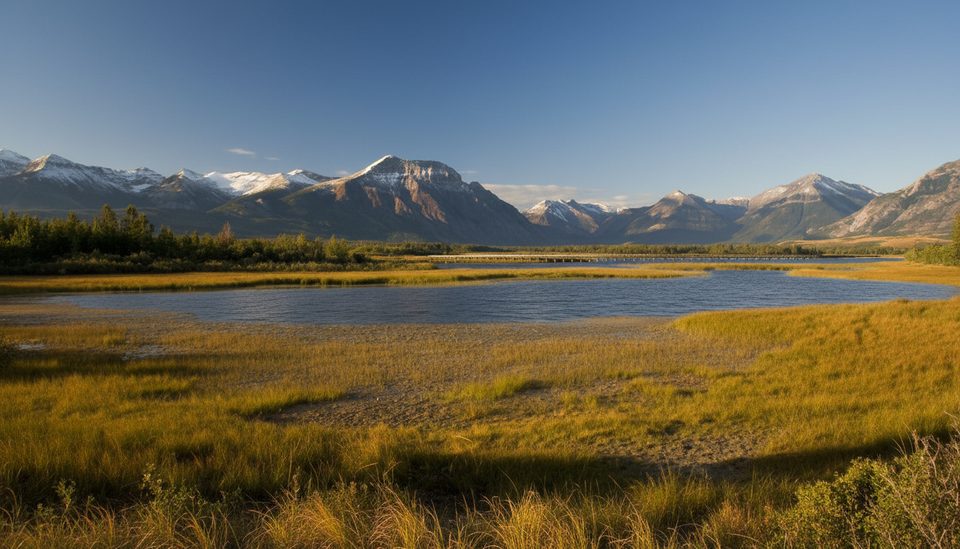
Lower Waterton Lake is the northernmost lake in the park’s chain, separated from Middle Waterton by the Dardanelles channel. It’s smaller than its neighbors and feels wilder—mountains rise to the west while prairie and wetlands stretch to the east, giving you that dramatic Rockies‑meets‑grasslands panorama.
Expect clear, cold water year‑round and sweeping skies. The south end blends into the Maskinonge wetland, so the scenery shifts from open lake to quiet backwaters and reeds. It’s an easy place to slow down and watch the landscape rather than chase a checklist.
This lake is part of the park’s "living waters"—a connected system of lakes, wetlands, and rivers with standout aquatic biodiversity. Fish include bull trout (threatened), lake trout, pygmy whitefish, and glacial relics like opossum shrimp and deepwater sculpin. The Maskinonge wetland is prime birding territory for waterfowl, raptors, and migrants. Around the shore you might spot deer and beaver; bears are possible—give all wildlife space.
When permitted, paddling can be rewarding thanks to the wetland‑to‑lake transition and big mountain backdrops. Winds can make the lake choppy, so calm early mornings are best. Shore access exists along the corridor east of Hwy 5 and near the wetland outlets, but don’t expect signed day‑use sites right on the lake.
Lower Waterton Lake has few, if any, designated facilities at the water’s edge. Plan to find services (food, fuel, water, Wi‑Fi) in the Waterton townsite, which is not on this lake. Parks Canada currently prohibits launching non‑motorized watercraft brought from outside the park on any park waterbody; regulations update seasonally, so check the latest rules before planning to get on the water.
The lake basin was carved by glaciers and is fed by cold mountain runoff. It sits within the Crown of the Continent ecosystem. Historic routes in the area include the Boundary Commission Trail, which commemorates the 19th‑century placement of the Canada–US border markers.
Early mornings are your friend—lighter winds, better reflections, and more active birdlife. Weekdays see fewer people than sunny weekends. Aim for shoulder seasons if you want peak bird migration; bring layers anytime—the water and wind keep it cool even in summer.
Place · 1.5 mi away
Place · 1.5 mi away
Place · 1.6 mi away
Place · 1.8 mi away
Easy · 1.6 mi away
Moderate · 3.2 mi away
Challenging · 3.2 mi away
Challenging · 3.7 mi away

Parkwolf Tour Guide
