Overview
About Chisana Historic Townsite
Why stop
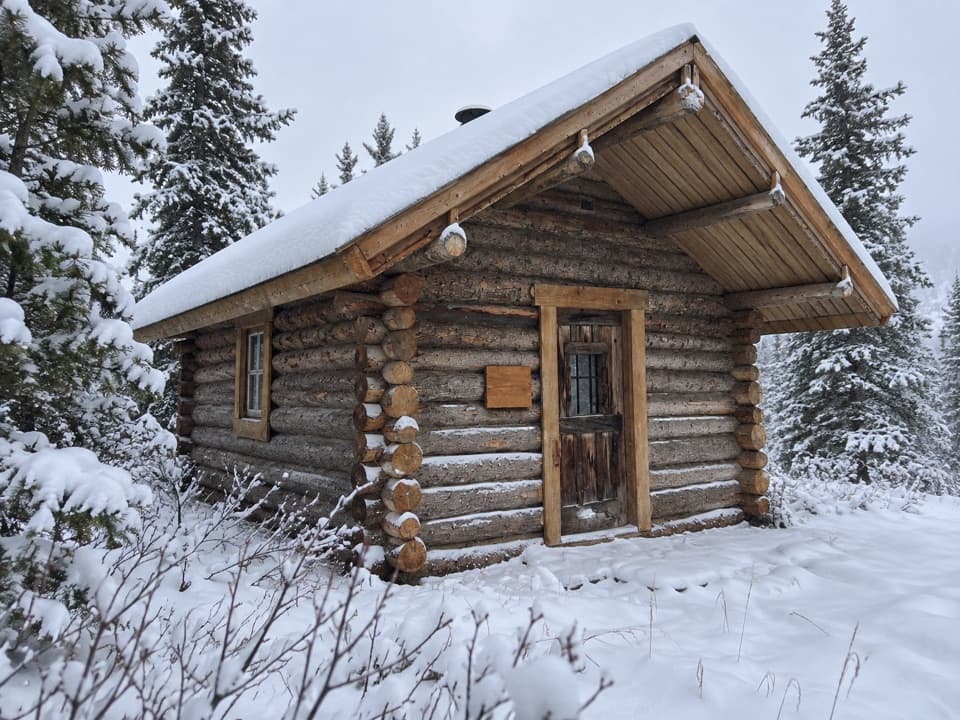
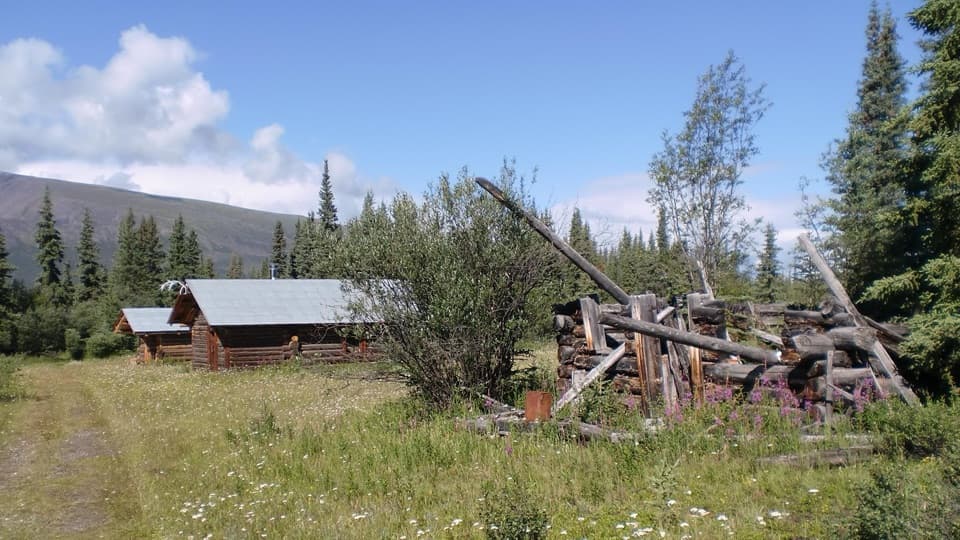
- Four restored log buildings bring the original gold-rush townsite into focus.
Heads up
- Reaching it takes a serious backcountry trip; there’s no road access.
- Marked public easements run among private land and residences.
Map
Where it is
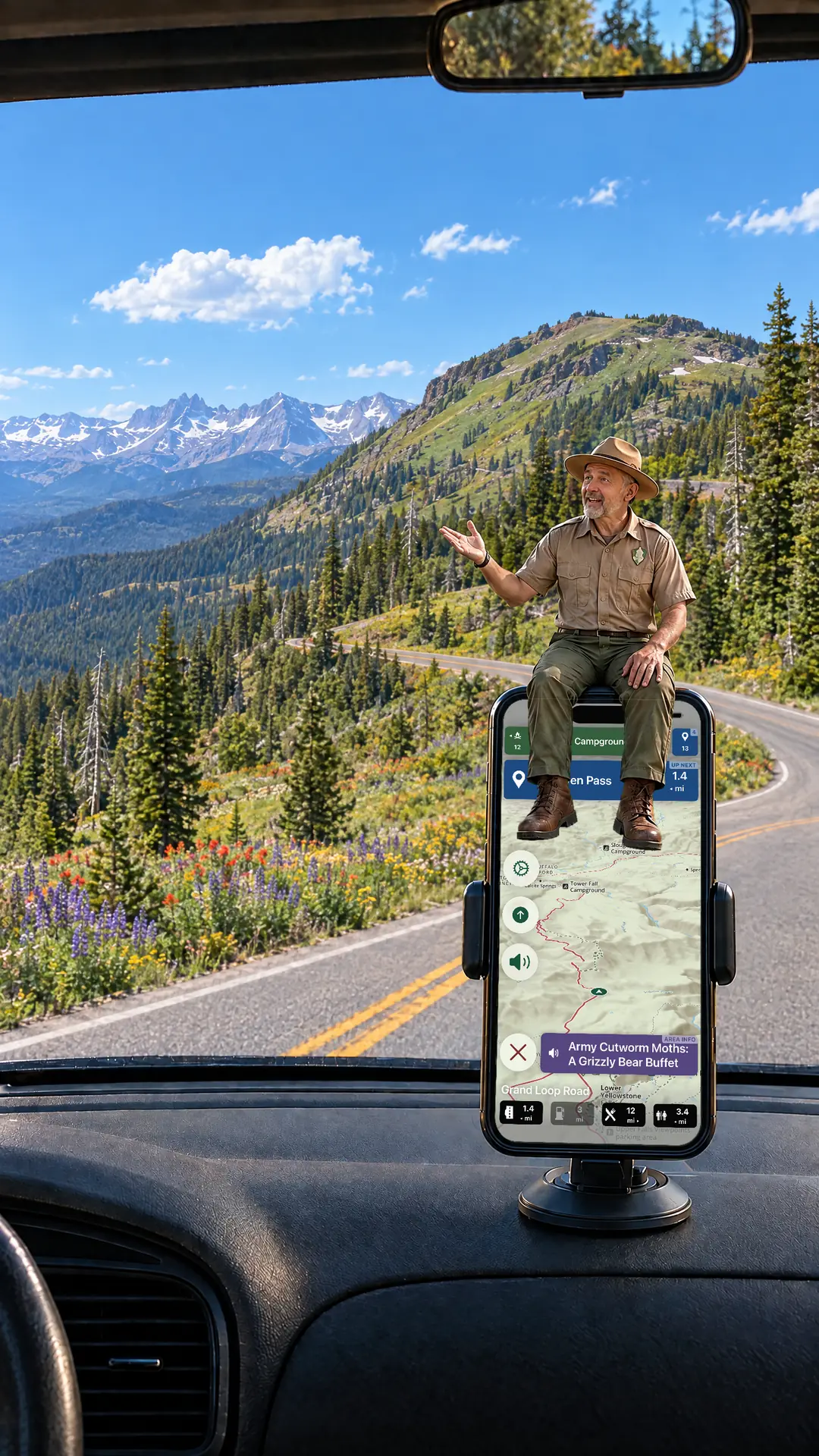
The highest, rockiest slopes around here are a summer buffet for grizzly bears.
Wrangell-St. Elias Tour Guide
Your drive to Chisana Historic Townsite, narrated.
Parkwolf is a GPS audio tour guide for Wrangell-St. Elias National Park. As you drive, it chimes in with what’s ahead: hidden gems, upcoming stops, history, geology, and wildlife, right through your car’s speakers.
See the Wrangell-St. Elias audio tour- 81 audio storiesacross Wrangell-St. Elias’s roads, triggered by GPS as you drive
- Wildlife heatmapsfor Grizzly Bear, Moose, Humpback Whale, and 13 more
- Works offlinemaps, 28 trails, 62 places, and audio download before you lose signal
- CarPlay readysimple controls built for the drive
“Fantastic app with many points of information… It’s great to just turn on while you’re driving and it gives you an audio tour of the national Park. We love it!!!!”


Guide
More about Chisana Historic Townsite
A serious backcountry visitChisana is the historic townsite of Alaska’s 1913 gold rush, in a remote valley between the…
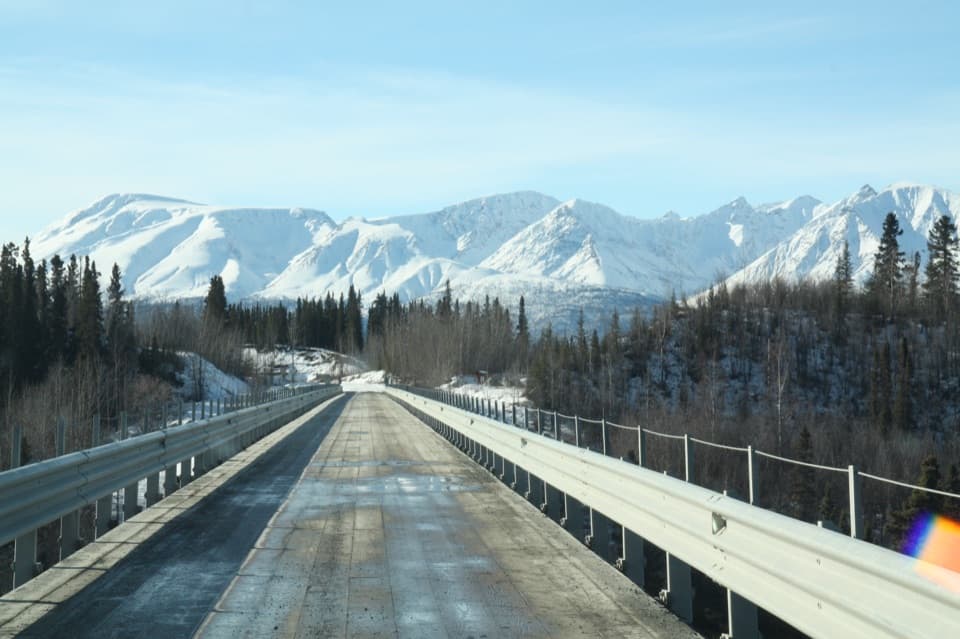
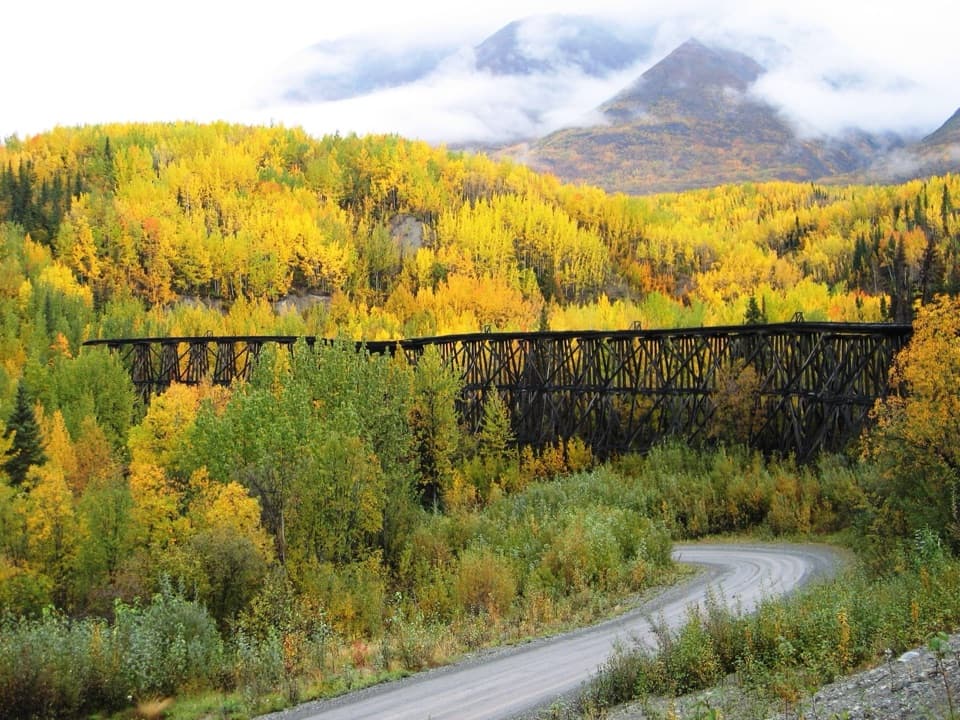
Chisana is the historic townsite of Alaska’s 1913 gold rush, in a remote valley between the Nutzotin and Wrangell Mountains. Its draw is a scattering of log buildings and mining-era remains, not a staffed museum or road stop. Plan a dedicated backcountry trip if log-cabin history and remote travel are your thing.
Getting to the settlementNPS describes access by small aircraft to the nearby gravel Chisana Airstrip, with a separate…
NPS describes access by small aircraft to the nearby gravel Chisana Airstrip, with a separate 60-mile snowmachine approach from Nabesna Road in winter. There’s no road into town, so make this a carefully planned backcountry trip.
Walk the marked public routesThe original townsite has four restored log buildings: the Woman’s Jail and three residential…
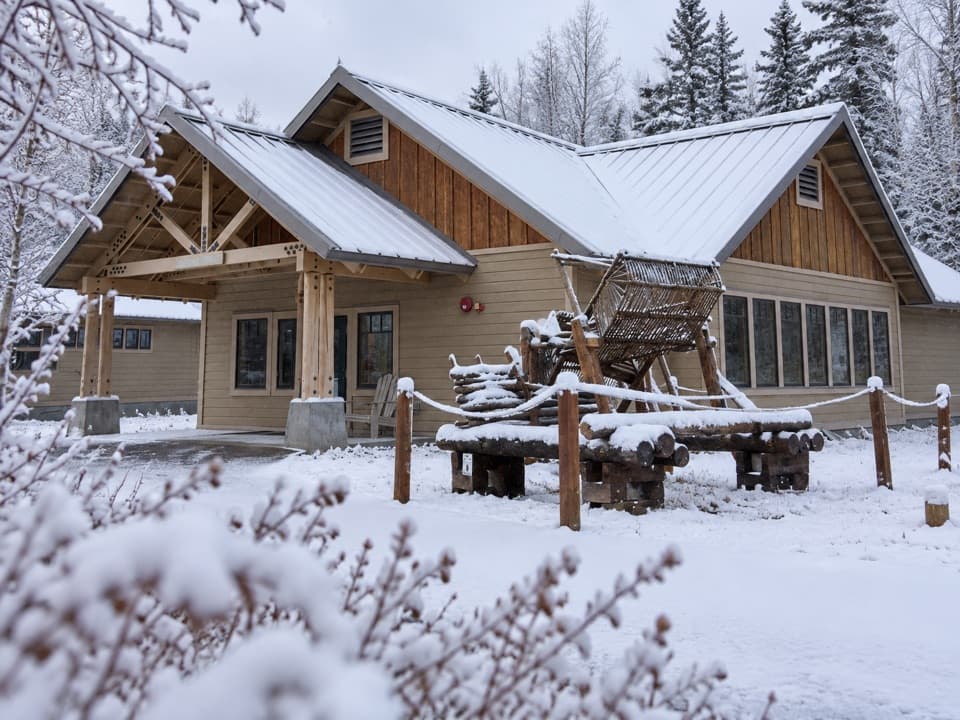
The original townsite has four restored log buildings: the Woman’s Jail and three residential cabins. Other ruins and artifacts are scattered around the settlement. Many historic structures sit on private property, alongside private residences, so keep to marked public easements and leave every artifact where it is. An information kiosk and interpretive information help put what you see in context.
The 1913 gold rushChisana’s boom ran from 1913 to 1915, the peak of what NPS calls Alaska’s last important gold…
Chisana’s boom ran from 1913 to 1915, the peak of what NPS calls Alaska’s last important gold rush. Few miners struck it rich, but the rush’s demand for supplies helped build regional transportation networks and supporting industries, and encouraged settlement in the Copper and Tanana basins.
What remainedChisana earned a reputation as the world’s largest log-cabin town.
Chisana earned a reputation as the world’s largest log-cabin town. It remained important through 1942, when wartime demands virtually ended local mining. The wider mining district holds other town remains, camps, water systems, and mining works spread across the landscape; don’t mistake them all for a compact walk around the original townsite.
Wildlife
Wildlife in Wrangell-St. Elias
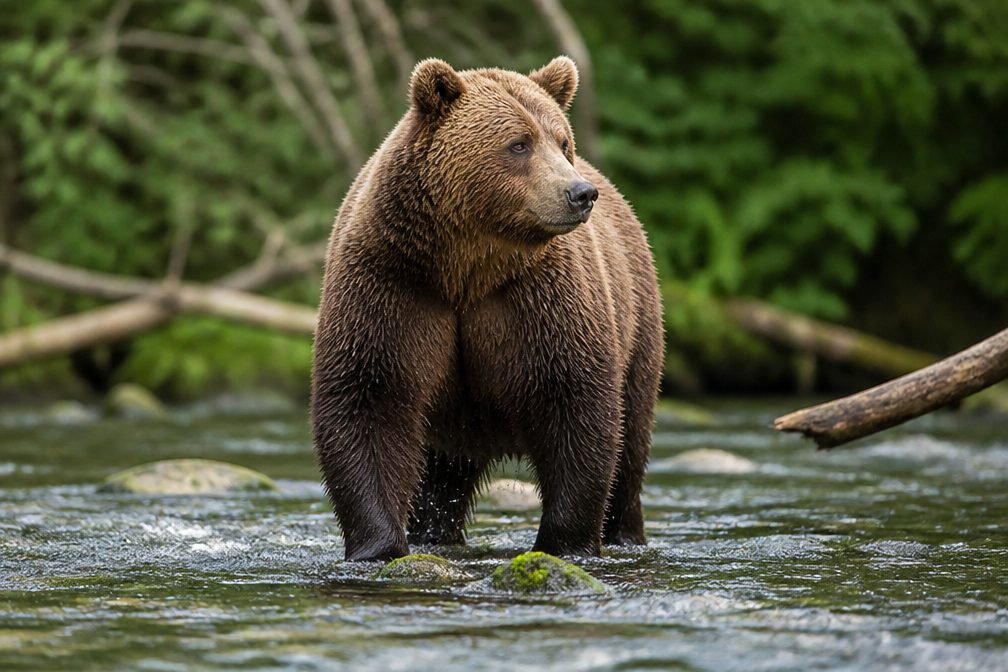 113 sightingsGrizzly BearMost seen around 9 PMSighting map
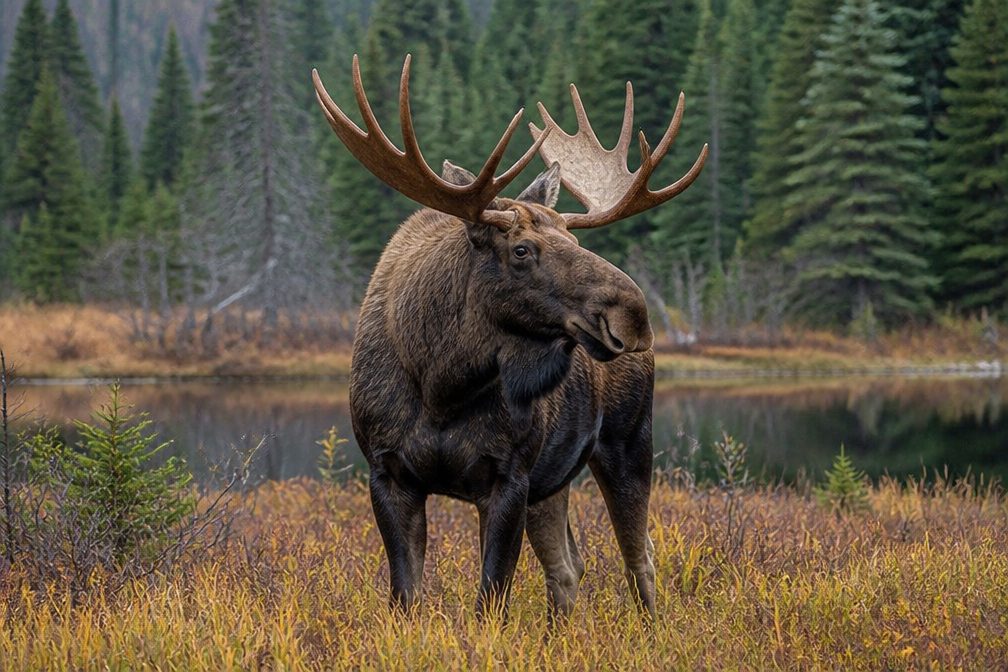 66 sightingsMooseMost seen around 8 PMSighting map
 21 sightingsHumpback WhaleMost seen around 1 PMSighting map
 46 sightingsSteller Sea LionMost seen around 11 AMSighting map
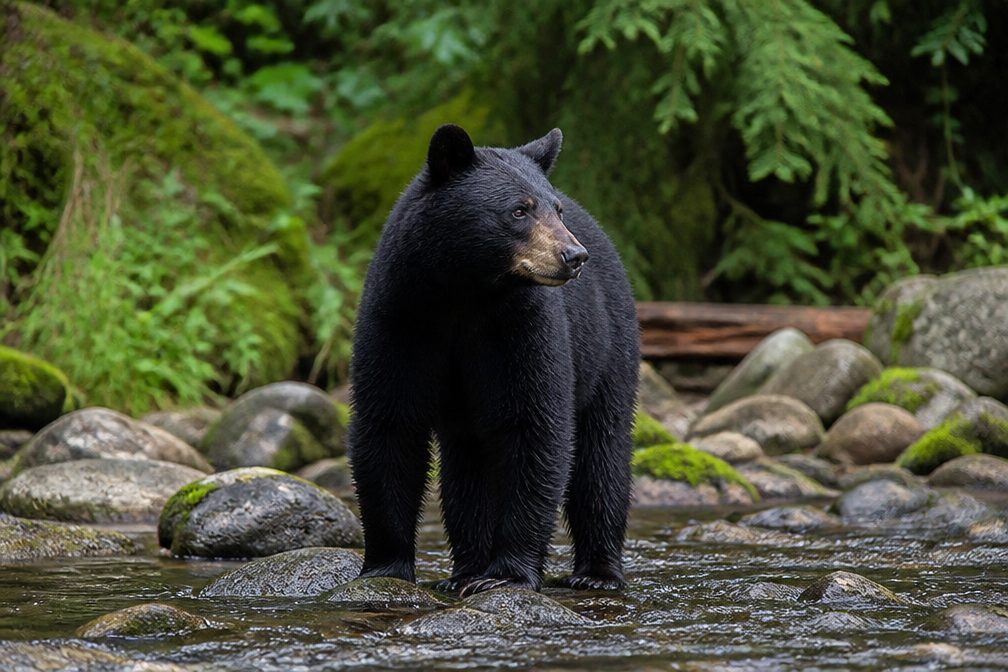 39 sightingsBlack BearMost seen around 8 PMSighting map
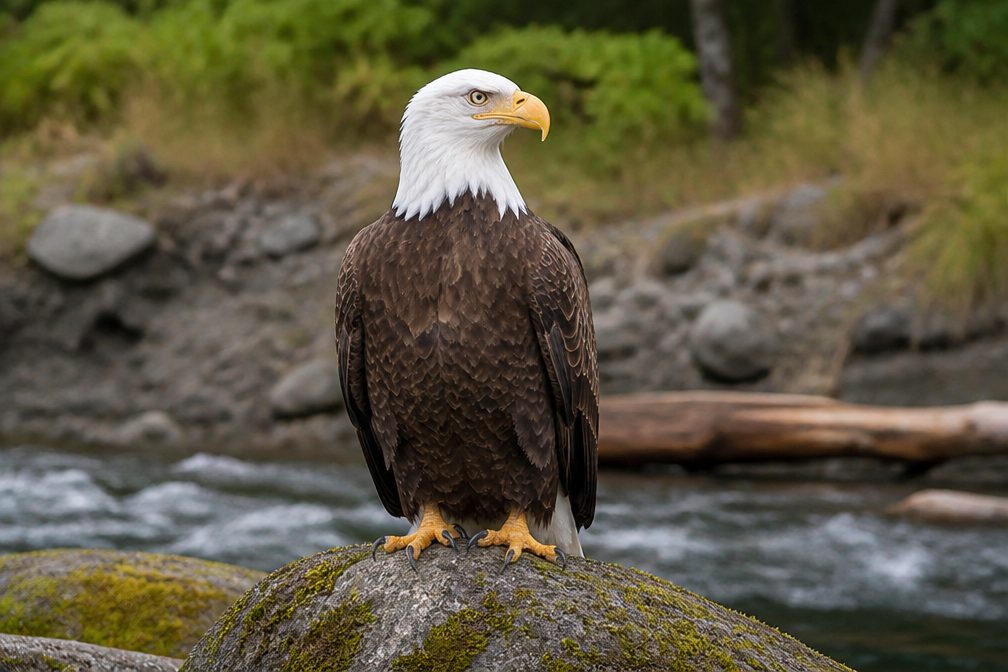 48 sightingsBald EagleMost seen around 5 PMSighting map
Sighting maps show where each species has been reported across Wrangell-St. Elias. Wildlife moves, so no sighting is guaranteed.