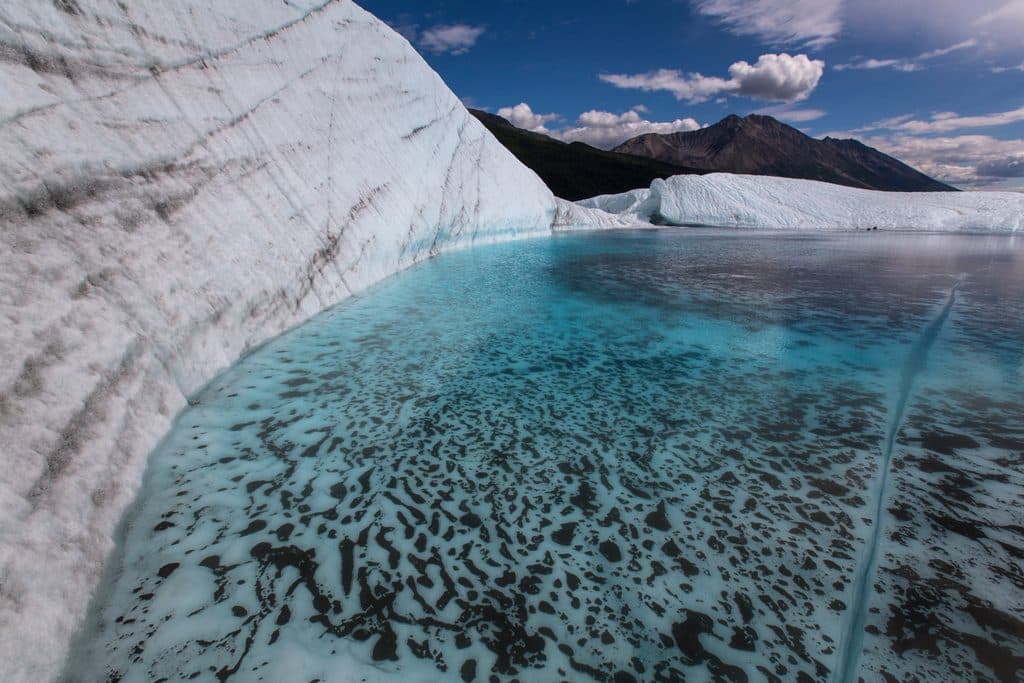
Best time to visit
Anytime you’re driving McCarthy Road, this makes a quick stop. It’s rarely crowded; mid‑morning or late afternoon pairs good light with low traffic. Plan 15–45 minutes unless you linger on the riverside path.

Scenic pullout · Wrangell-St. Elias National Park
Roadside view of a colossal 1911 wooden railroad trestle
Overview
If you’re driving McCarthy Road, the Gilahina Trestle is a worthy leg‑stretch with big history. This skeletal wooden giant once carried copper ore trains and now looms over the Gilahina River—easy to admire right from the roadside pullout.
Map
Local know-how
Look for the pullout around mile 28–29 on McCarthy Road.
Enjoy the view from the wayside but don’t climb the trestle—it's unsafe.
The riverside path is informal; expect limited trail information on site.
Carry bear spray and make noise on the short walk to the river.
Photographers: aim for morning or late‑day light to bring out the wood grain.
Plan your stop
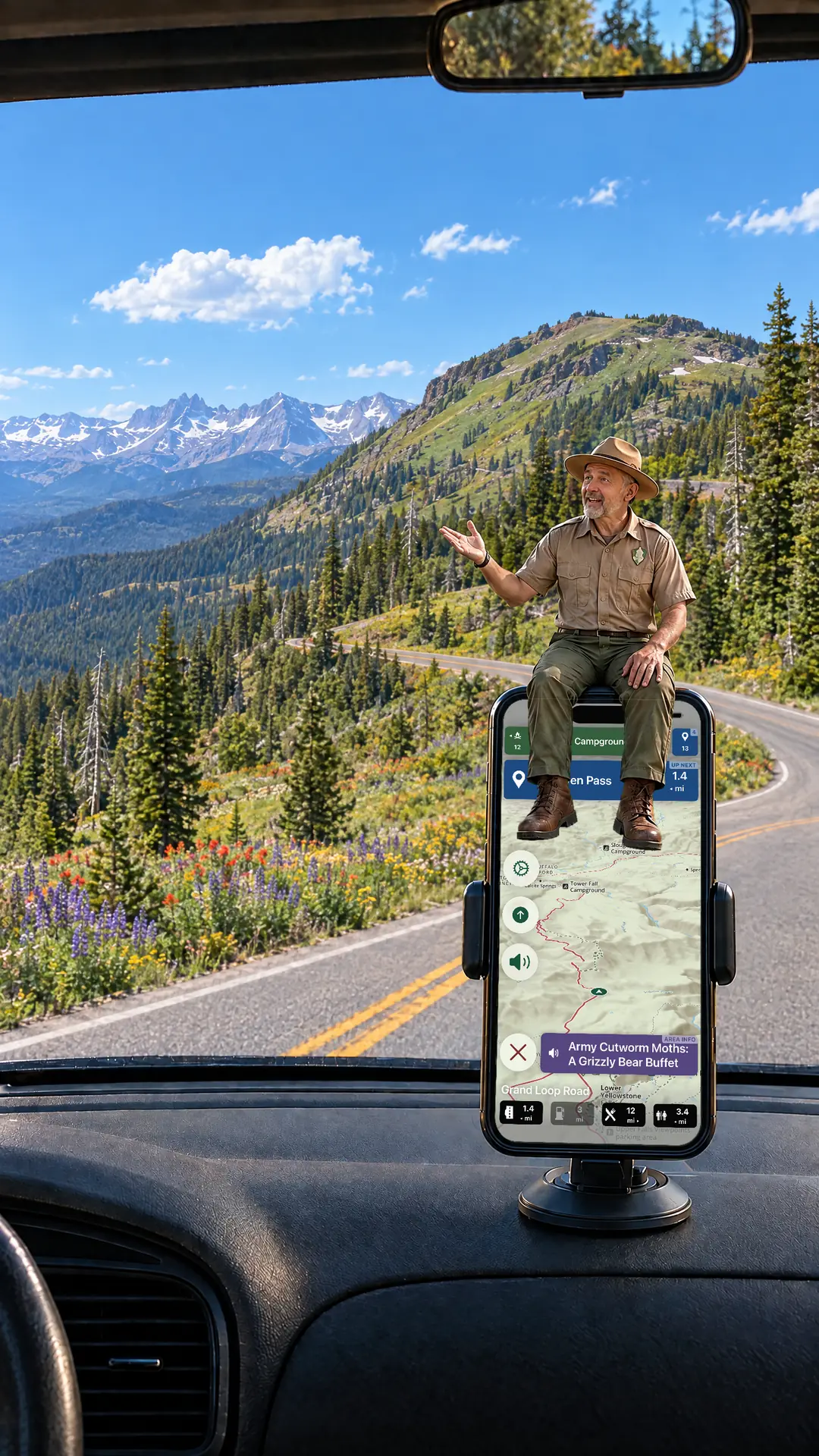
The highest, rockiest slopes around here are a summer buffet for grizzly bears.
Wrangell-St. Elias Tour Guide
Parkwolf is a GPS audio tour guide for Wrangell-St. Elias National Park. As you drive, it chimes in with what’s ahead: hidden gems, upcoming stops, history, geology, and wildlife, right through your car’s speakers.
See the Wrangell-St. Elias audio tourRecorded for this place
The Gilahina Trestle: An 8-Day Engineering Wonder“The massive wooden structure you're about to see is the Gilahina Trestle, a really impressive sight along the McCarthy Road. It was part of the Copper River and Northwestern Railway that serviced the Kennecott Mines.”
Plays as you drive up to Gilahina Trestle in the Parkwolf Wrangell-St. Elias Tour Guide.
More stories near here in the app
“Fantastic app with many points of information… It’s great to just turn on while you’re driving and it gives you an audio tour of the national Park. We love it!!!!”


Guide
Built for the Copper River & Northwestern Railway, the trestle famously went up in about eight days in 1911 using roughly half a million board‑feet of lumber. The 196‑mile line required over 85 miles of bridges and trestles—an audacious feat that moved Kennecott copper to the coast. The railroad cost around $25 million to build and supported copper production worth roughly $200 million (at least half of that profit) before operations ceased in 1938.
You’ll pull into a small dirt wayside around mile 28–29 of McCarthy Road. Expect an NPS‑managed vault toilet, parking, and signage. The short riverside path offers quieter viewpoints and a place to shake out the drive. The Gilahina’s spring‑fed water is icy—often upper‑30s °F—so it’s refreshing to dip a hand, not a place to wade. Treat any water before drinking.
The trestle is unstable—don’t climb or cross it. You’re in bear country even at roadside pullouts: make noise on the path, keep food secured, and carry spray where legal. McCarthy Road is remote with variable gravel conditions and little to no cell service; travel prepared.
The pullout frames a classic broadside view; the short trail gives lower, downstream angles. Morning and late‑day light brings out the trestle’s texture and the river valley’s contours.
Wildlife
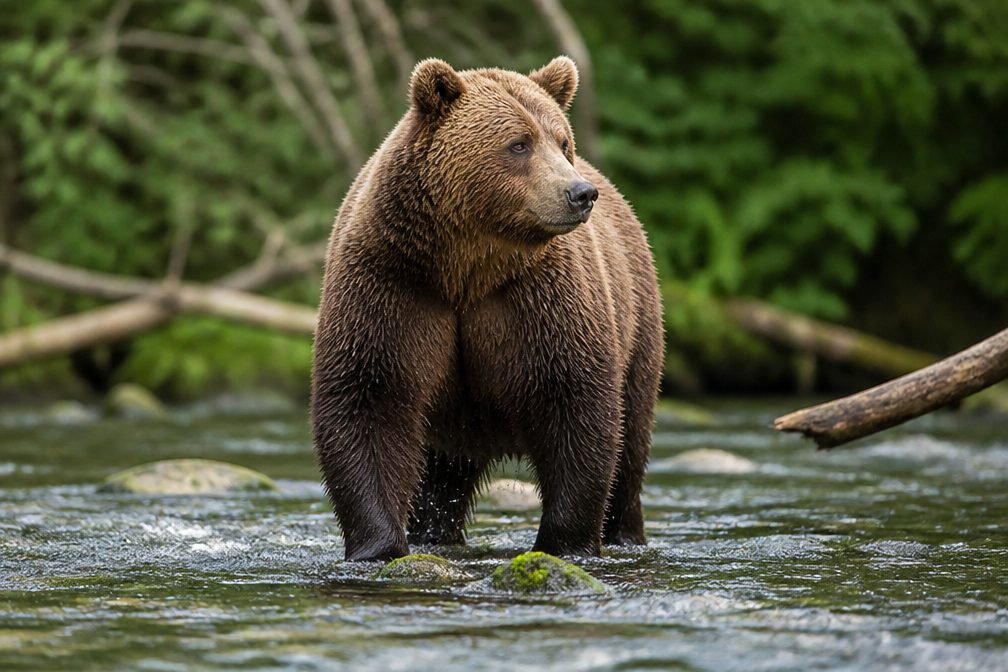 112 sightingsGrizzly BearMost seen around 9 PMSighting map
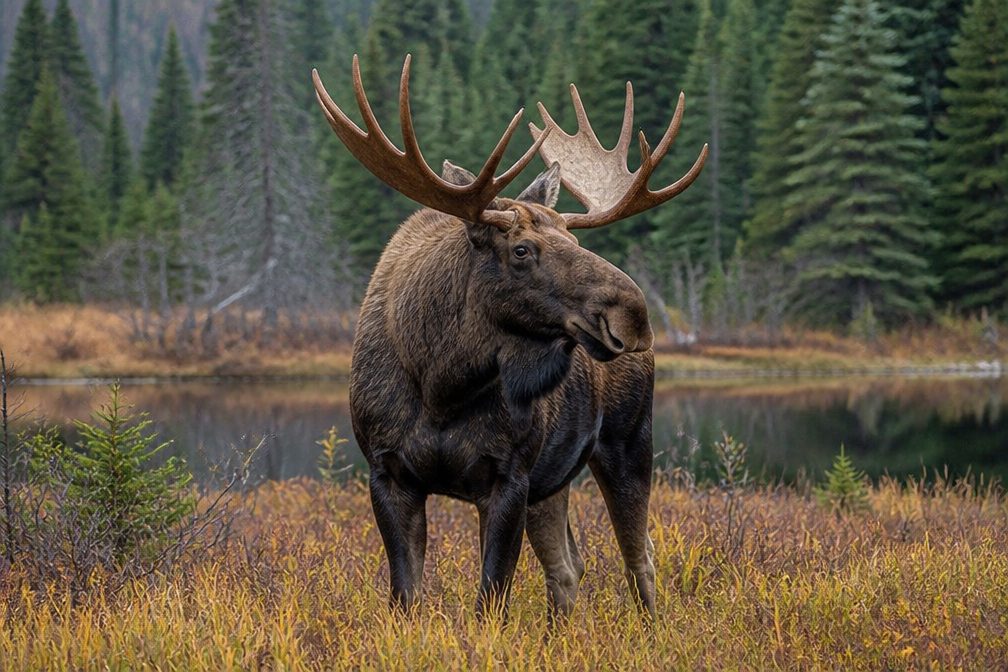 63 sightingsMooseMost seen around 8 PMSighting map
 21 sightingsHumpback WhaleMost seen around 1 PMSighting map
 46 sightingsSteller Sea LionMost seen around 11 AMSighting map
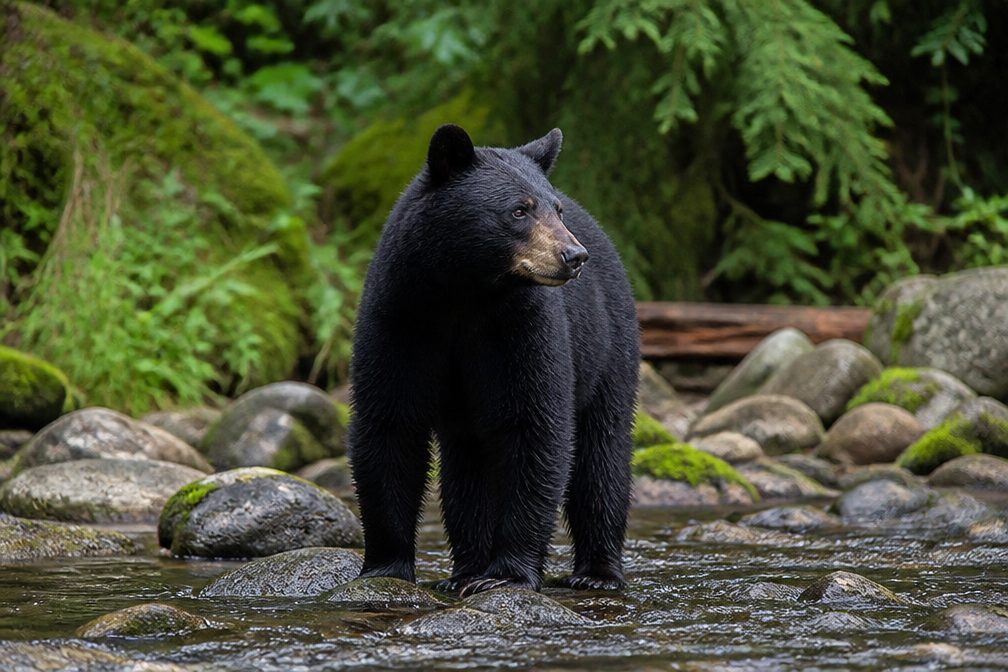 37 sightingsBlack BearMost seen around 8 PMSighting map
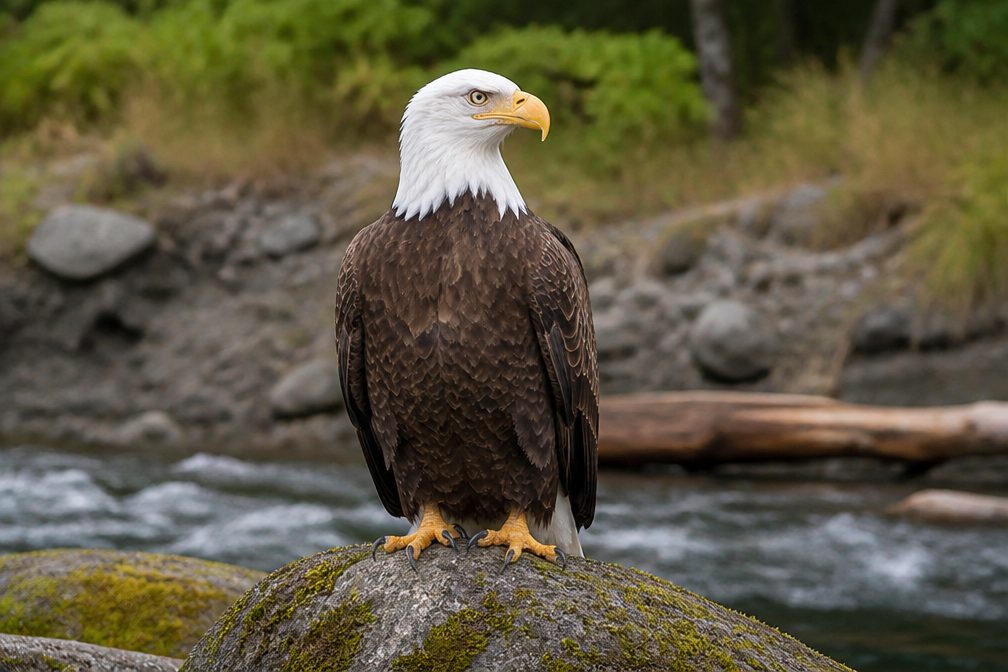 48 sightingsBald EagleMost seen around 5 PMSighting map
Sighting maps show where each species has been reported across Wrangell-St. Elias. Wildlife moves, so no sighting is guaranteed.
Parkwolf’s Wrangell-St. Elias ranking

The audio tour guide for the drive, plus offline maps, trails, and wildlife heatmaps for when the signal drops.