Overview
About Peavine Cabins
Why stop
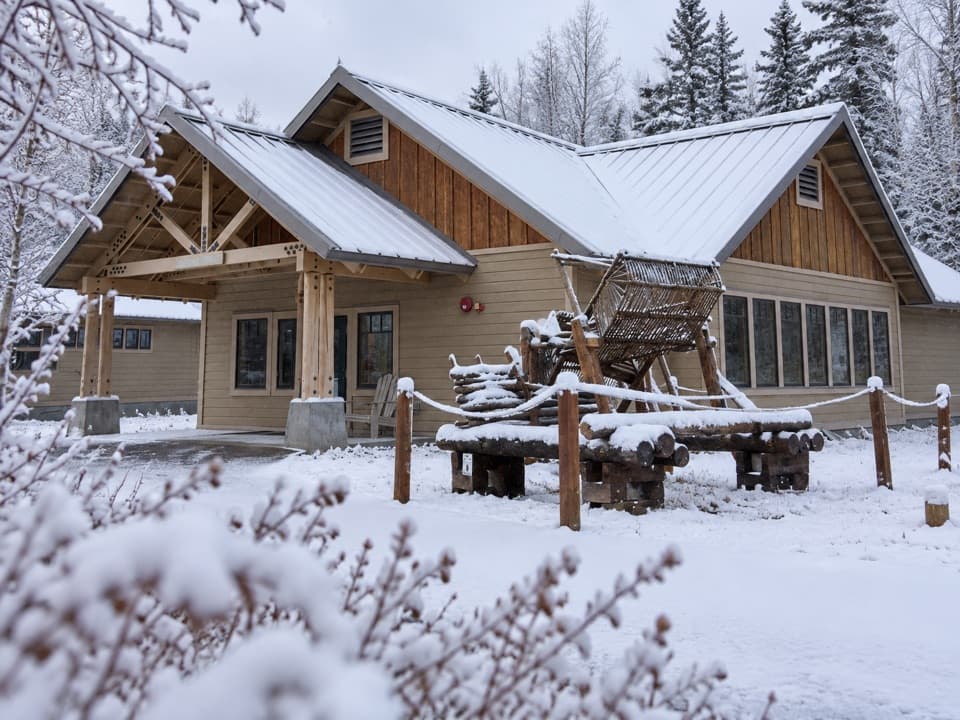
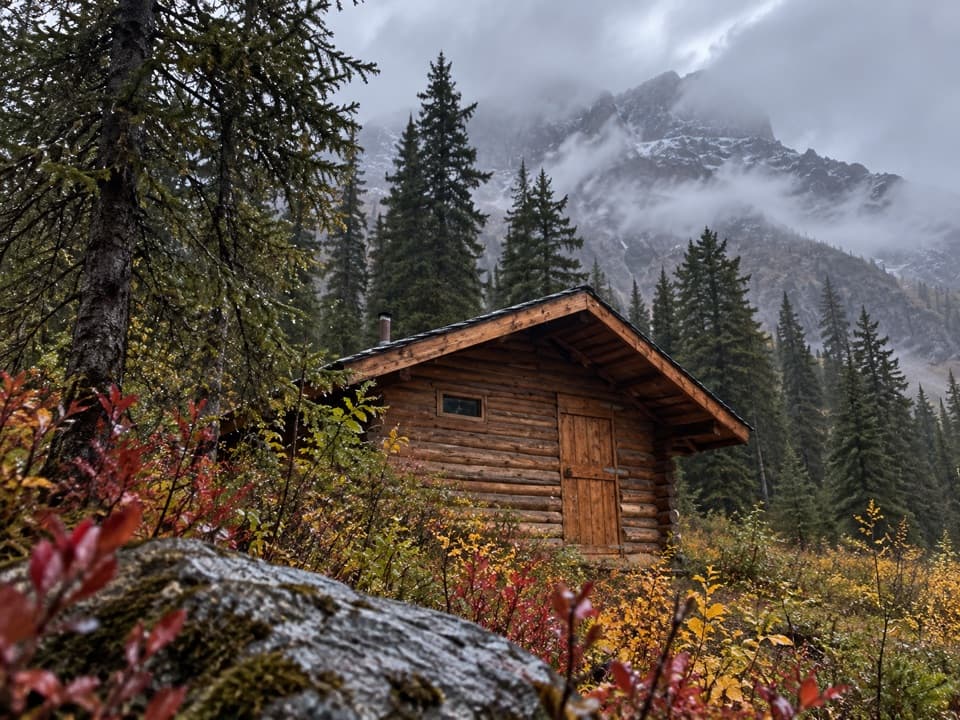
- Two public cabins sit on a river gravel bar beneath steep cliffs.
- Old mining trails run along nearby hillsides.
Heads up
- Remote access is by aircraft or winter snowmachine.
- No plumbing; water and a rustic pit toilet require preparation.
Map
Where it is
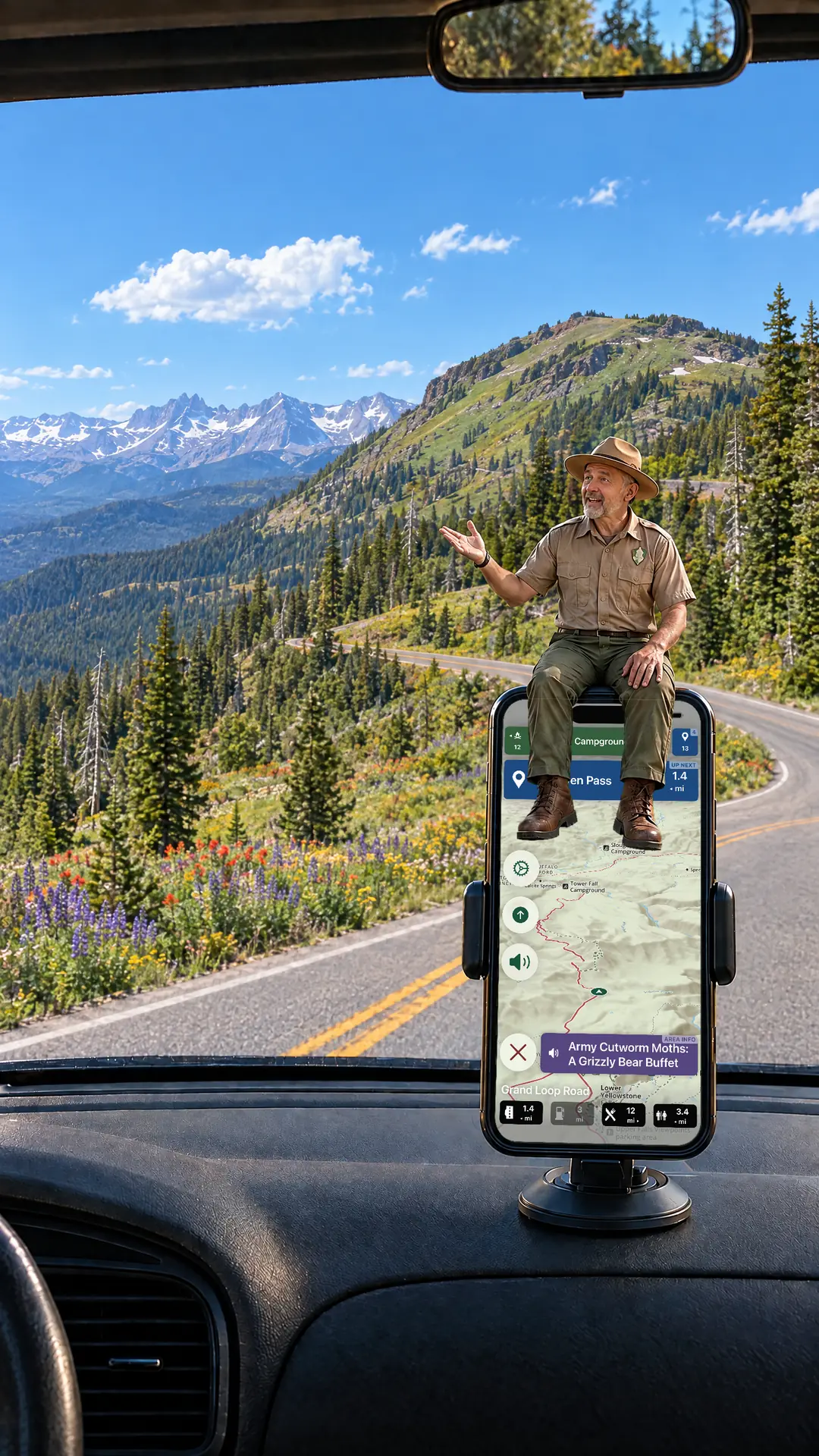
The highest, rockiest slopes around here are a summer buffet for grizzly bears.
Wrangell-St. Elias Tour Guide
Your drive to Peavine Cabins, narrated.
Parkwolf is a GPS audio tour guide for Wrangell-St. Elias National Park. As you drive, it chimes in with what’s ahead: hidden gems, upcoming stops, history, geology, and wildlife, right through your car’s speakers.
See the Wrangell-St. Elias audio tour- 81 audio storiesacross Wrangell-St. Elias’s roads, triggered by GPS as you drive
- Wildlife heatmapsfor Grizzly Bear, Moose, Humpback Whale, and 13 more
- Works offlinemaps, 28 trails, 62 places, and audio download before you lose signal
- CarPlay readysimple controls built for the drive
“Fantastic app with many points of information… It’s great to just turn on while you’re driving and it gives you an audio tour of the national Park. We love it!!!!”


Guide
More about Peavine Cabins
A backcountry stay, not a roadside stopPeavine Cabins are two public-use log cabins on a gravel bar along the Chitistone River, 14…
Peavine Cabins are two public-use log cabins on a gravel bar along the Chitistone River, 14 miles east of McCarthy at about 2,000 feet, beneath towering cliffs. They are reached by aircraft through the nearby gravel strip or by snowmachine in winter, so plan for a remote trip rather than a drive-up stop. The cabins are first-come, first-served, with no reservation. They are often occupied during hunting season, so bring camping gear as a backup. Stays are limited to seven days in any 30-day period.
What to bring and expectThe larger cabin is 20 by 24 feet and sleeps six on twin bunks; the smaller is 14 by 16 feet…
The larger cabin is 20 by 24 feet and sleeps six on twin bunks; the smaller is 14 by 16 feet and sleeps three. Both have a table, benches and a woodstove. There is no plumbing or running water. A shared rustic pit toilet is nearby and is not regularly stocked, so bring toilet paper. Two seasonal springs are the usual water sources uphill; the larger one takes about 15 minutes on a primitive trail. Bring food, sleeping and dining gear, and everything else you need, then take all food and trash back out. Cabin 1 is listed as accessible, though the information does not describe accessibility for the remote approach.
Trails and backcountry conditionsYou can explore old mining trails on the nearby hillsides, with the cabins set in rugged…
You can explore old mining trails on the nearby hillsides, with the cabins set in rugged country rather than beside a developed visitor area. Bugs are numerous in June, July and August; pack a headnet and repellent. The stay suits visitors ready for a remote trip, self-sufficient supplies and a cabin that may already be occupied.
Wildlife
Wildlife in Wrangell-St. Elias
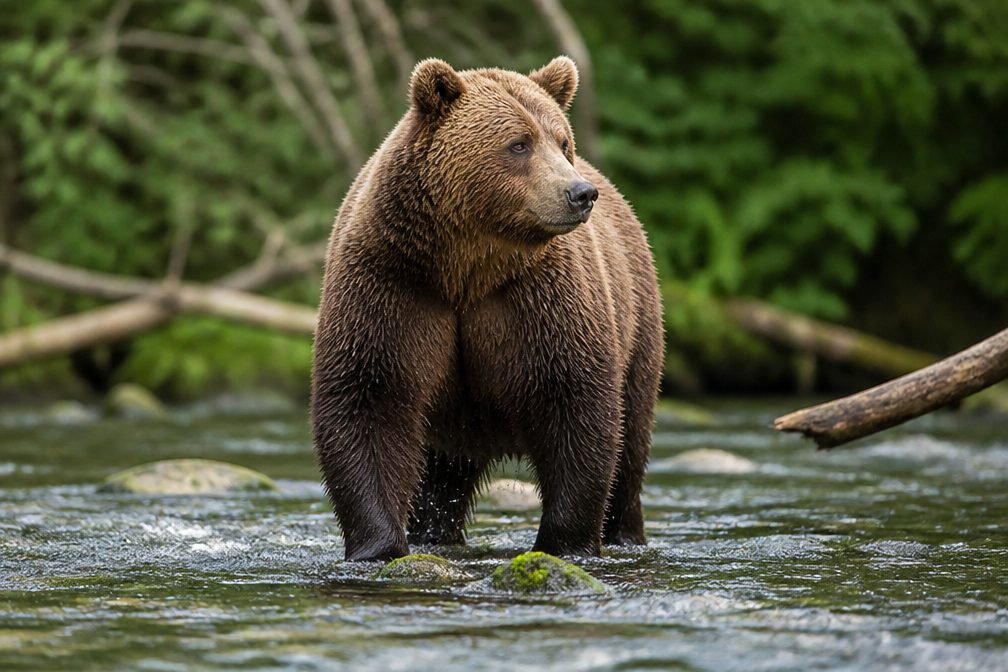 113 sightingsGrizzly BearMost seen around 9 PMSighting map
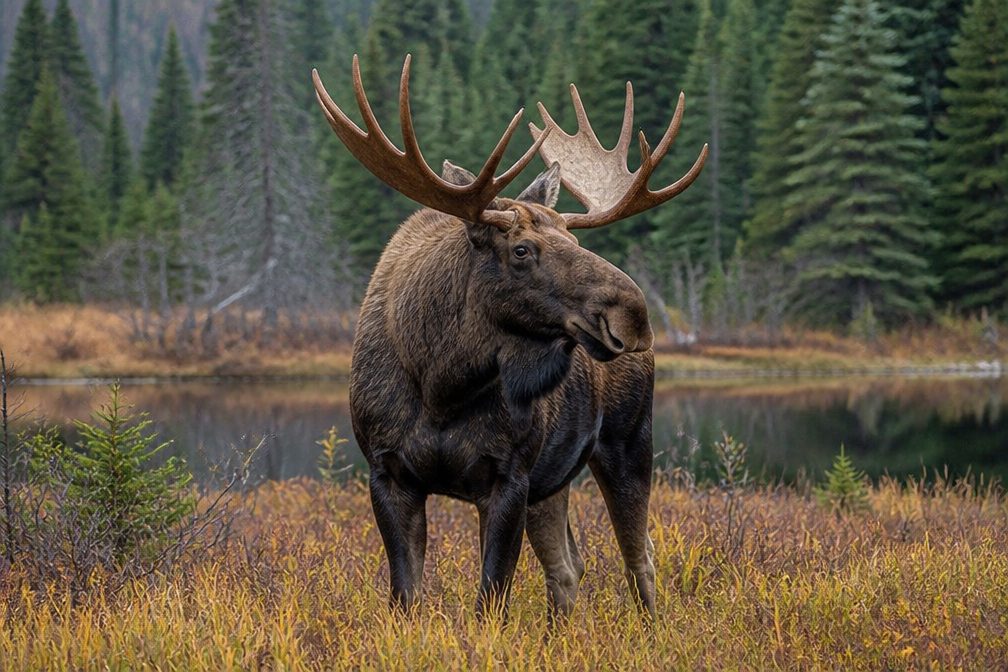 66 sightingsMooseMost seen around 8 PMSighting map
 21 sightingsHumpback WhaleMost seen around 1 PMSighting map
 46 sightingsSteller Sea LionMost seen around 11 AMSighting map
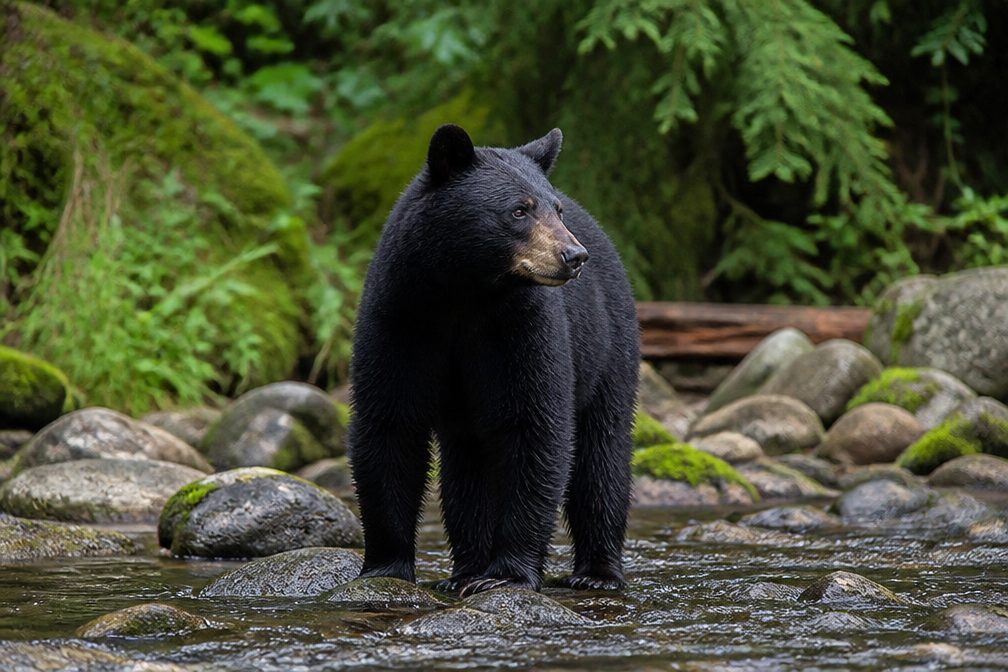 39 sightingsBlack BearMost seen around 8 PMSighting map
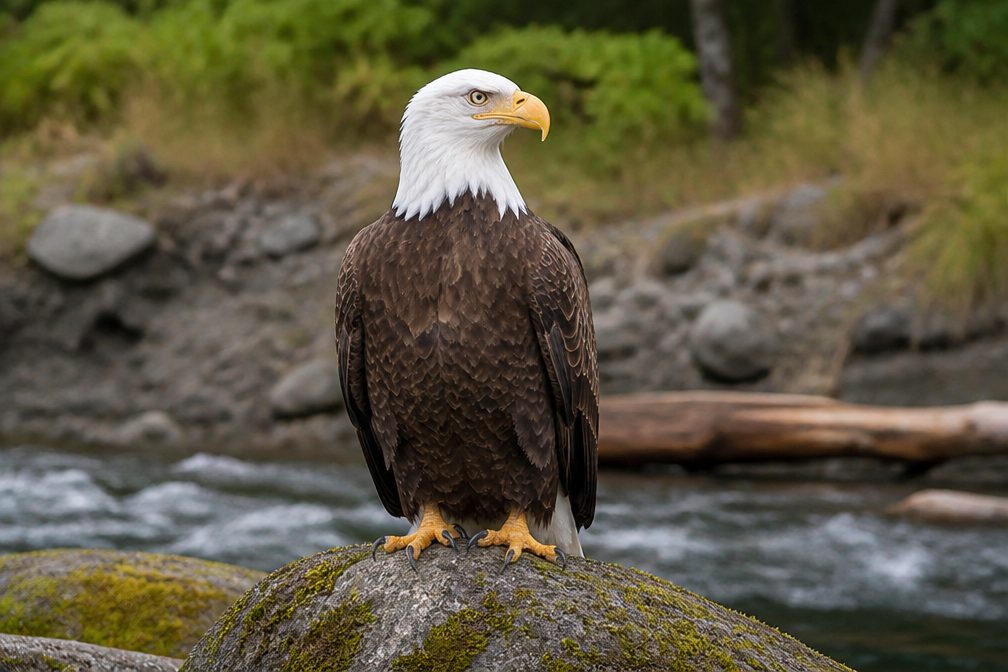 48 sightingsBald EagleMost seen around 5 PMSighting map
Sighting maps show where each species has been reported across Wrangell-St. Elias. Wildlife moves, so no sighting is guaranteed.