
Place · 0 mi away
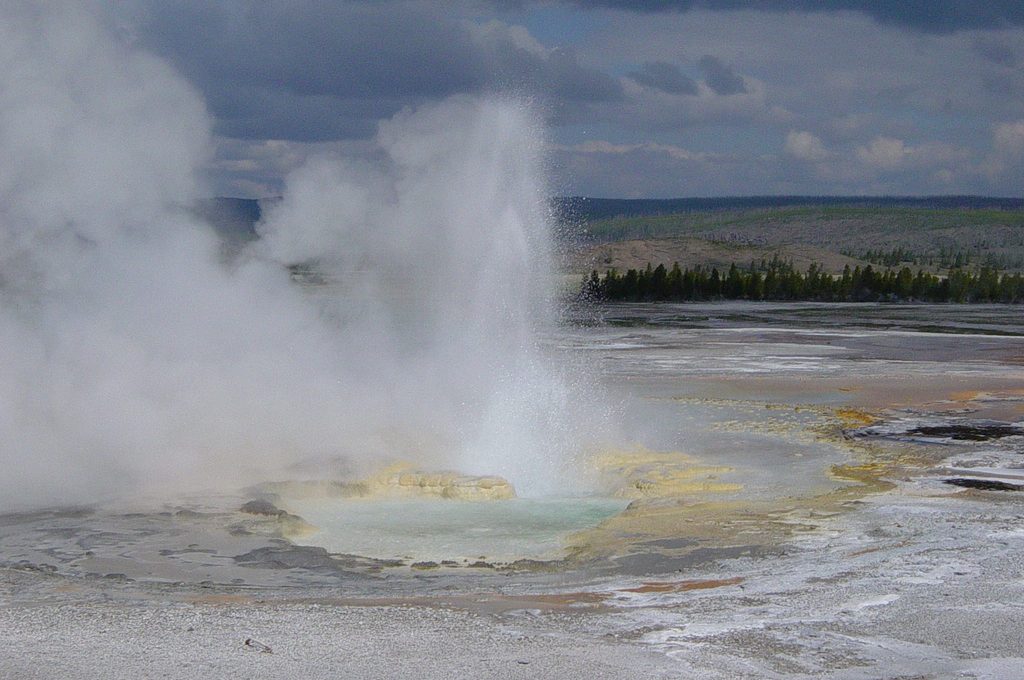
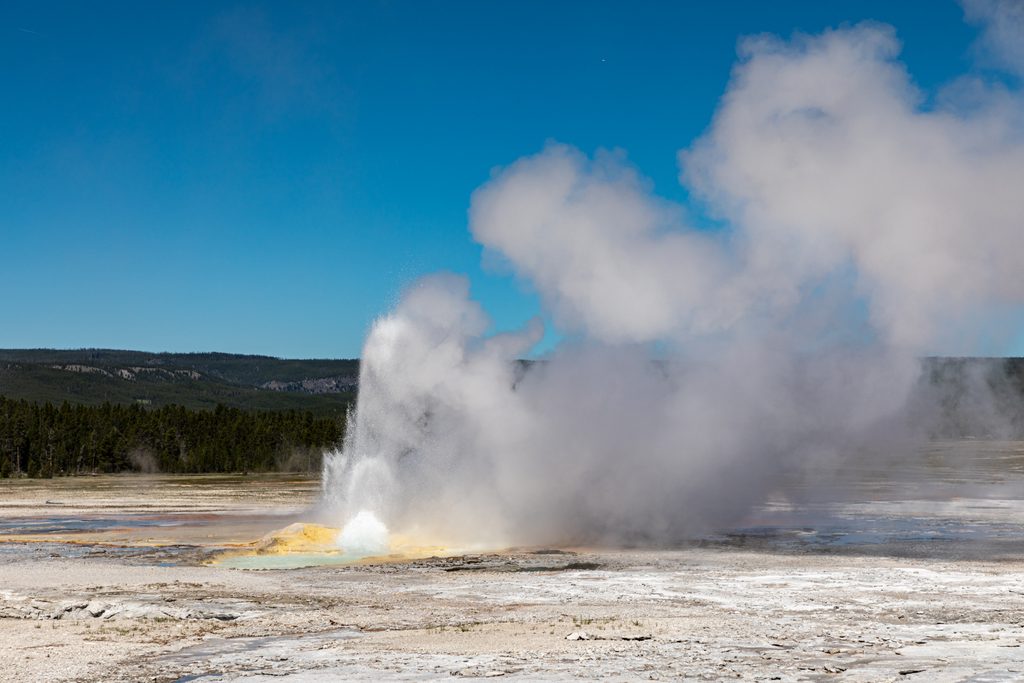
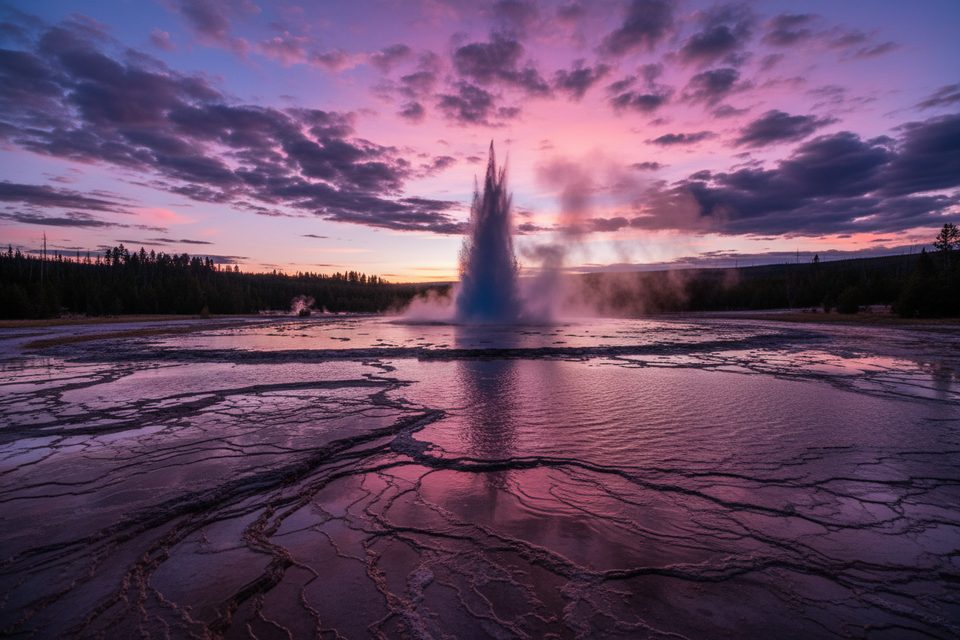
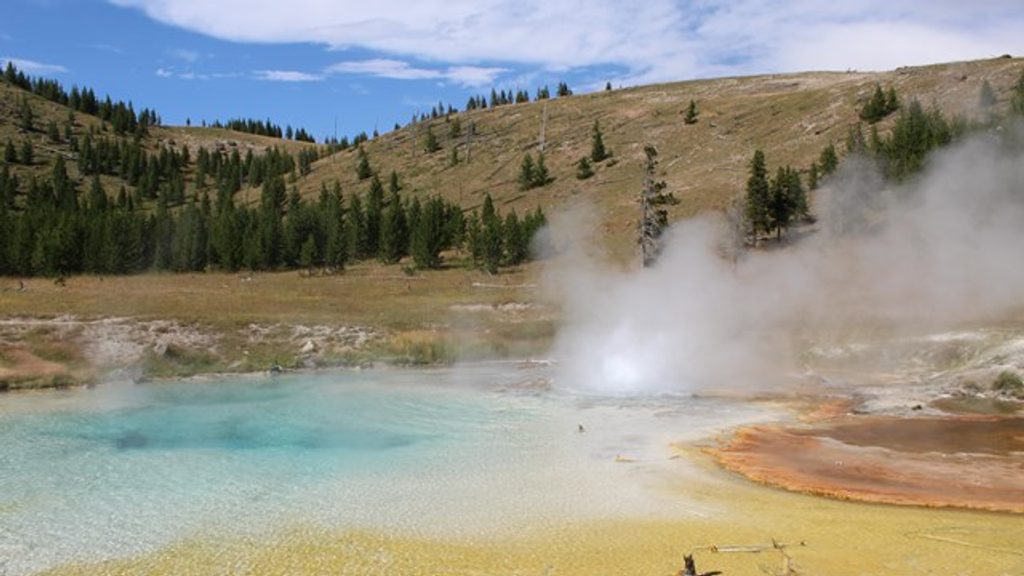
Clepsydra Geyser sits in the Fountain Paint Pot area of the Lower Geyser Basin. Its name—Greek for "water clock"—hints at its old habit of erupting on a regular rhythm. After the 1959 Hebgen Lake earthquake, that rhythm changed dramatically: today, Clepsydra erupts almost continuously and only occasionally pauses when nearby Fountain Geyser goes off. Typical bursts reach about 45 feet.
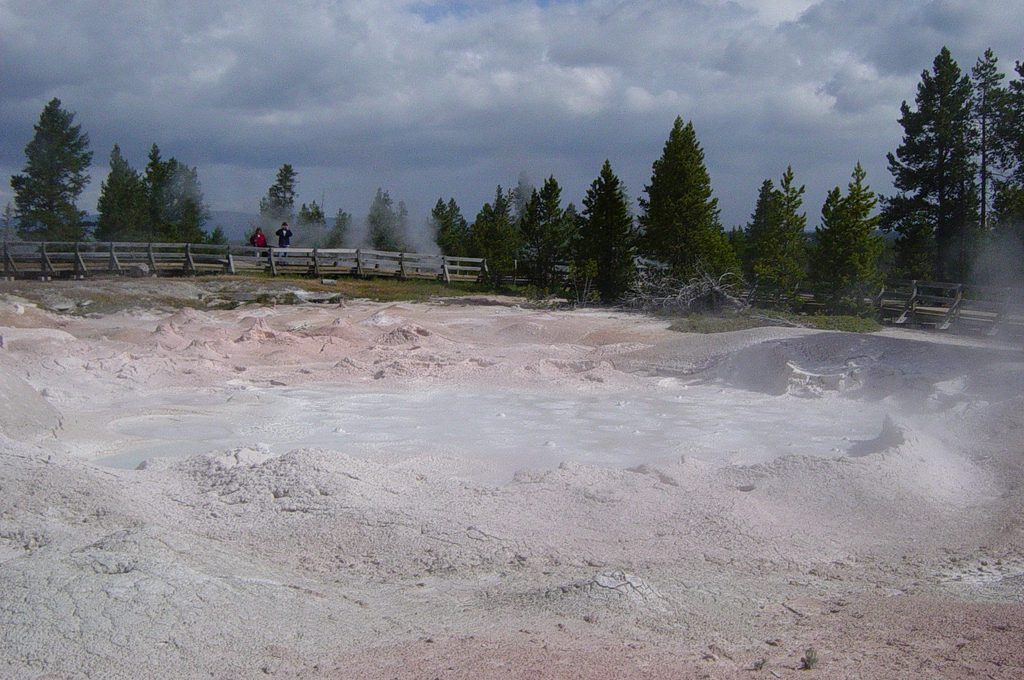
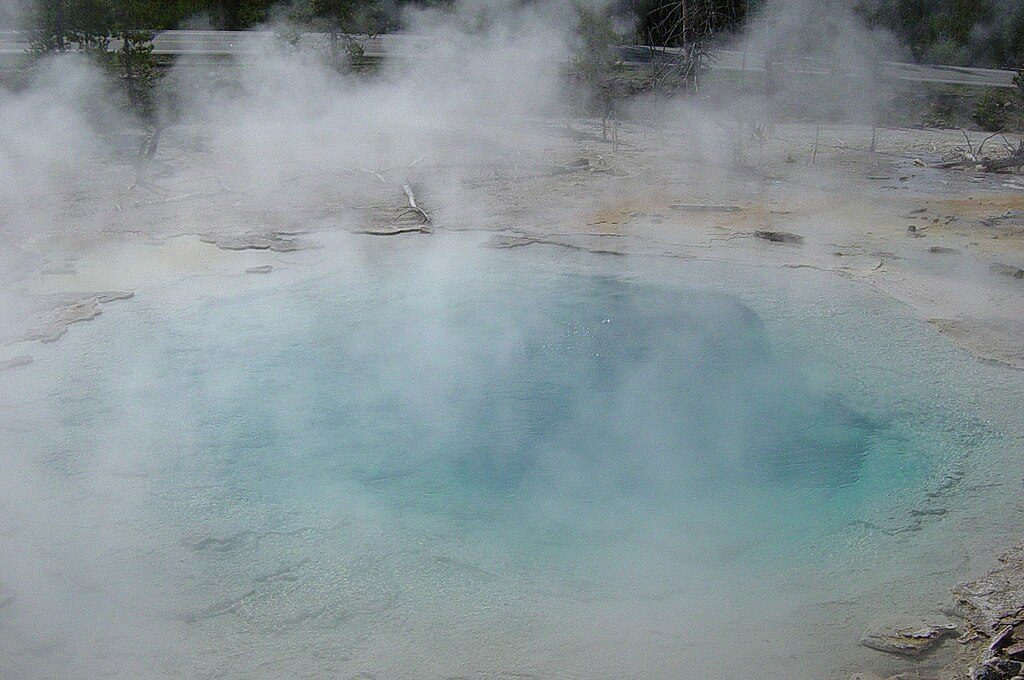
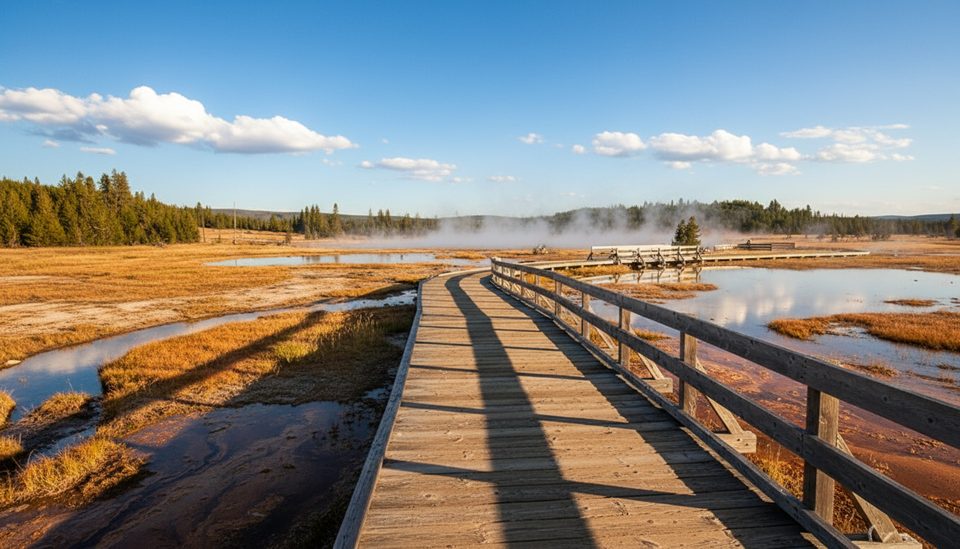
From the boardwalk, you’re up close to a reliably splashy show backed by drifting steam. The surrounding loop serves up the Lower Geyser Basin greatest hits—hot springs, geysers, mudpots, and fumaroles—so Clepsydra is rarely the only thing performing while you’re there.
Yellowstone’s volcanic heat, groundwater, and a constricted underground "plumbing" system are the recipe for geysers. In features like Clepsydra, heat converts water to steam that forces water through narrow passages, creating eruptions. The Lower Geyser Basin sits on unstable glacial gravels over bedrock, making it especially sensitive to earthquakes and other shifts. The 1959 quake altered water supplies and plumbing paths here, turning Clepsydra from regular intervals to near-constant activity.
Early morning or late afternoon gives better side light and dramatic steam in cool air, and generally lighter crowds than midday. Since Clepsydra runs almost nonstop, you don’t need to plan around an eruption window—just be aware it can briefly quiet during Fountain Geyser’s show.
Place · 0 mi away
Place · 0 mi away
Place · 0.1 mi away
Place · 0.1 mi away
Easy · 0.2 mi away
Easy · 1.1 mi away
Easy · 1.2 mi away
Moderate · 1.9 mi away

Parkwolf Tour Guide
