Fountain Paint Pot

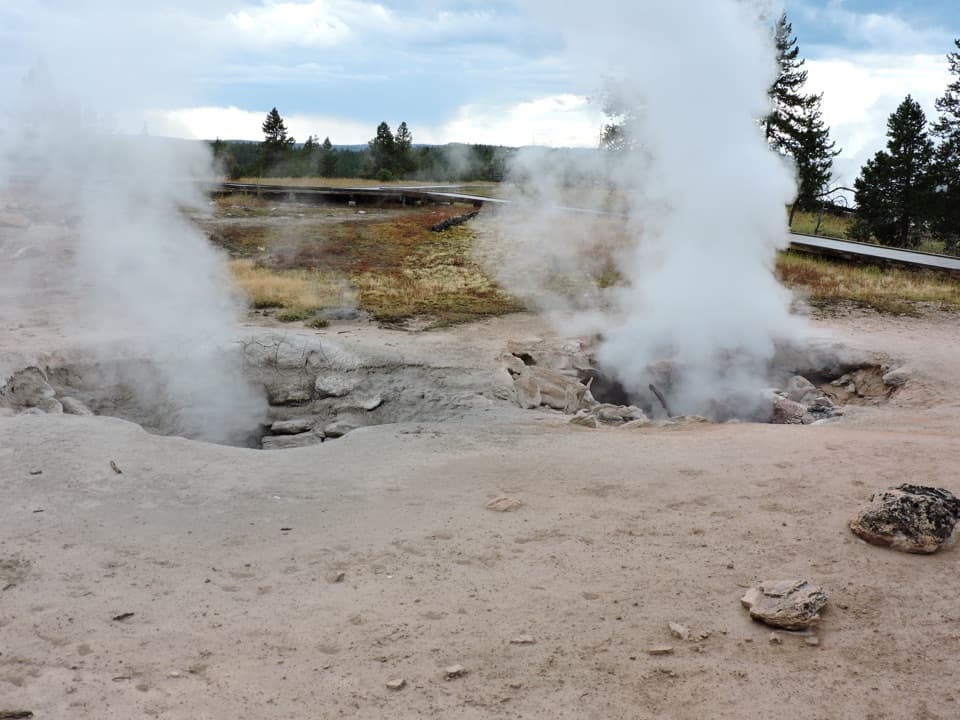
Short boardwalk with mudpots, geysers, fumaroles, and colorful springs
Fountain Paint Pot, Yellowstone National Park
InsideYellowstone National Park

Overview

A compact, crowd-pleasing loop in the Lower Geyser Basin, Fountain Paint Pot strings together hot springs, geysers, mudpots, and fumaroles on a short boardwalk. It’s a fast way to sample Yellowstone’s thermal variety without a big hike, and many travelers call it a worthwhile, less-hectic alternative to the busiest stops.

What You’ll See

  • The namesake mudpot—sometimes a gurgling, watery soup in spring, thickening into rhythmic plops by late summer.
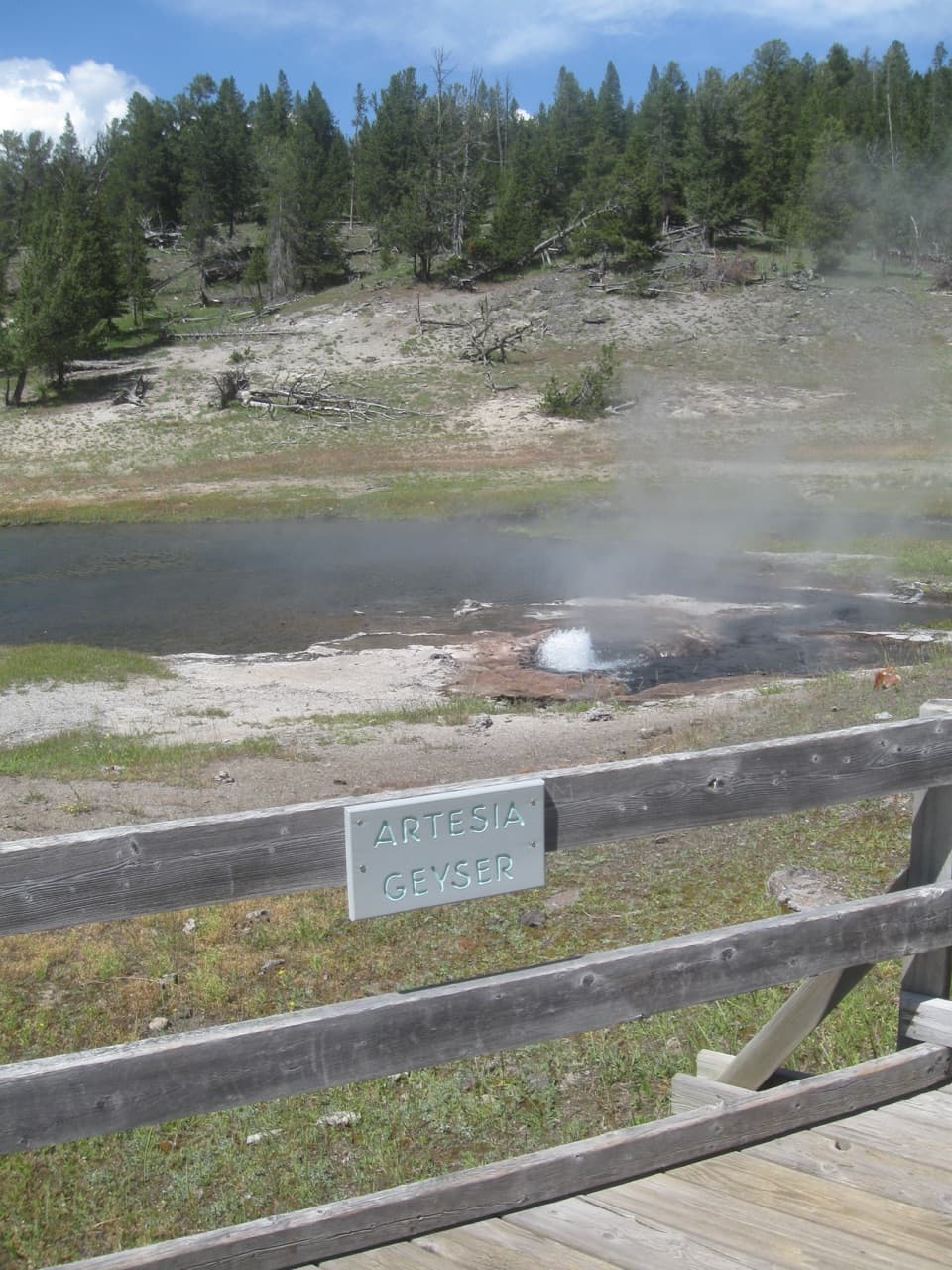
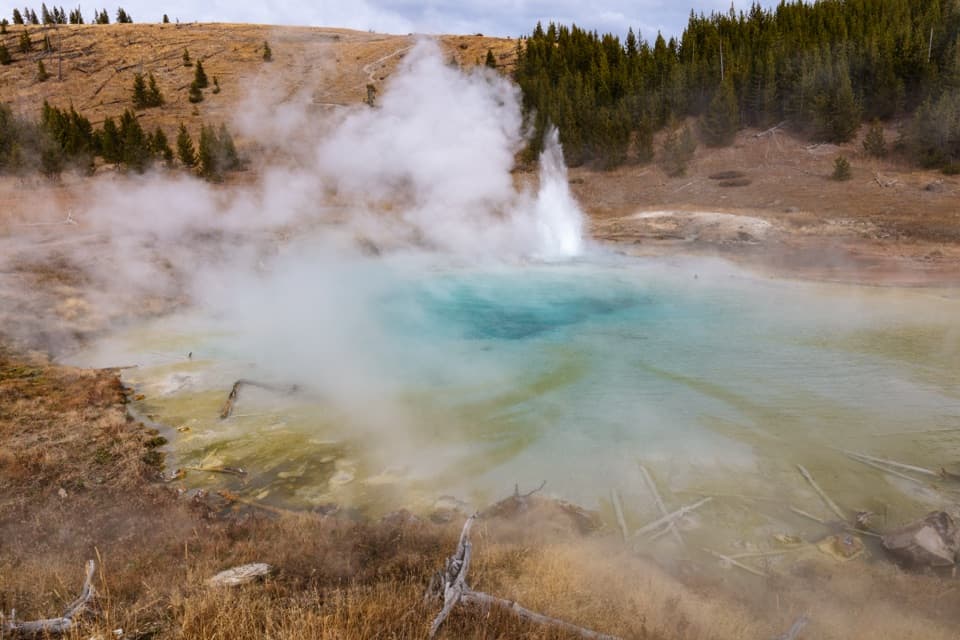
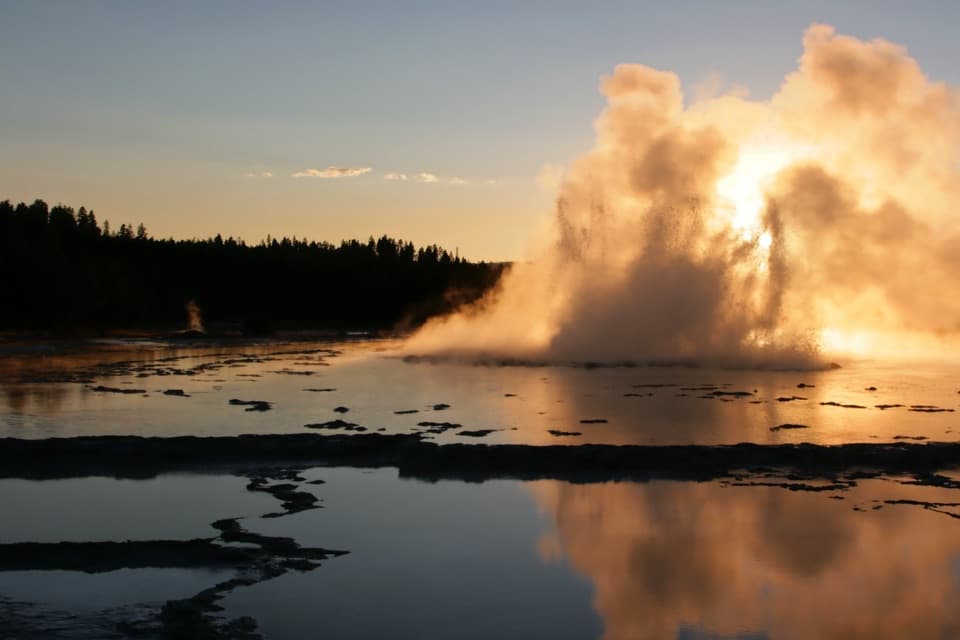
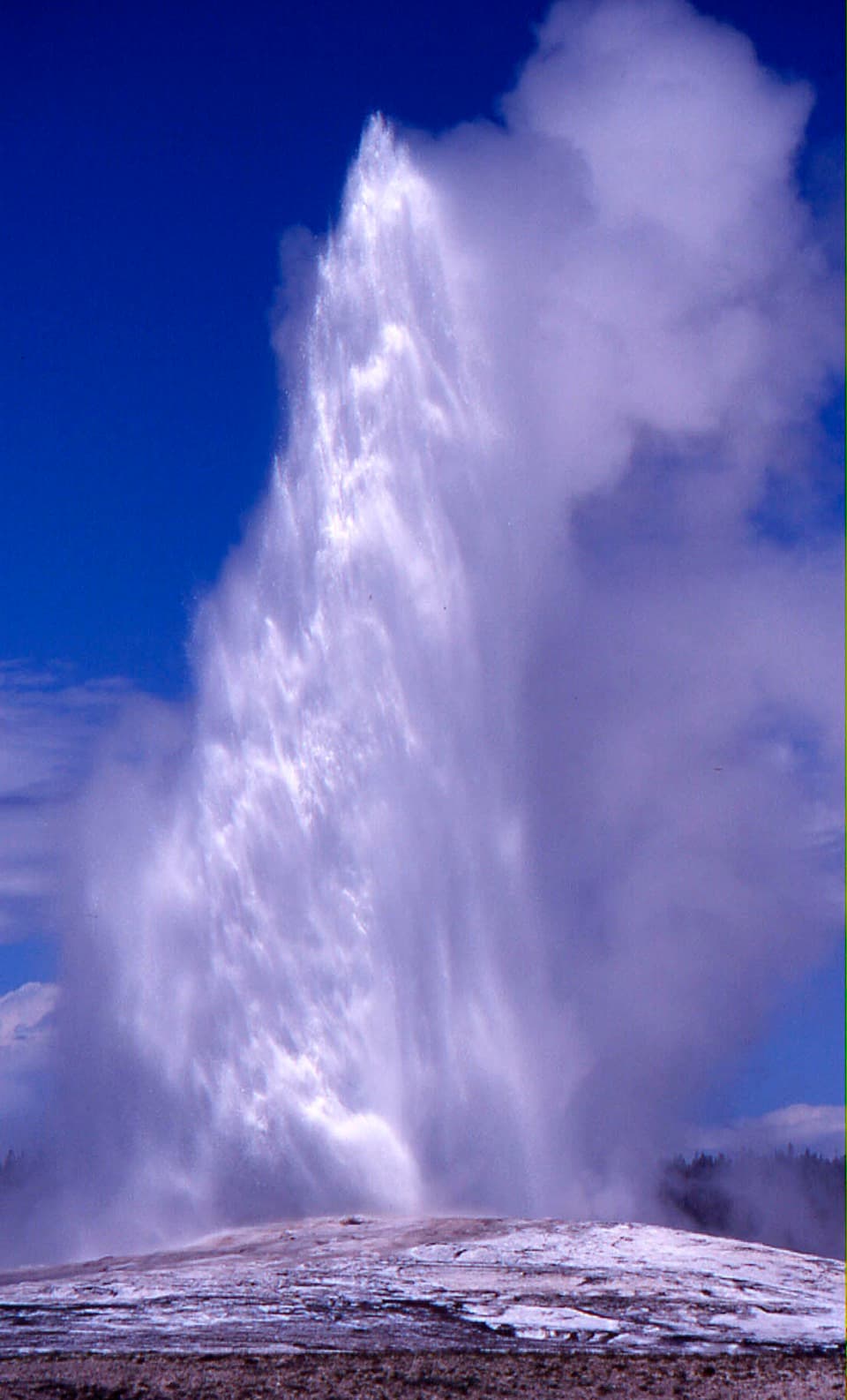
  • Geysers that often have something going on; timing can be lucky, and multiple features sometimes play together. Clepsydra is known for frequent action.
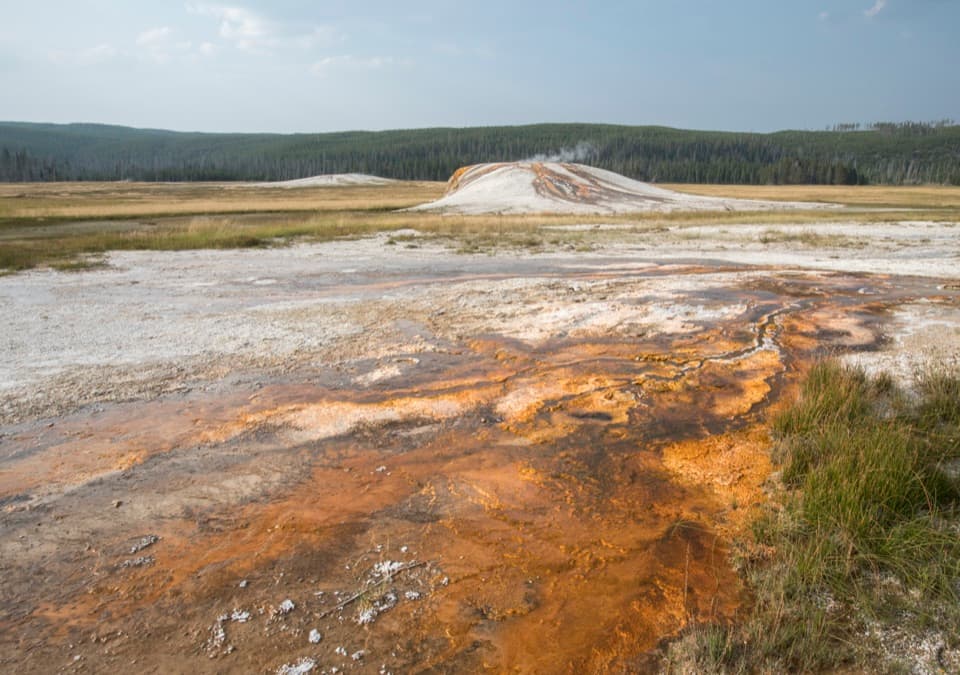
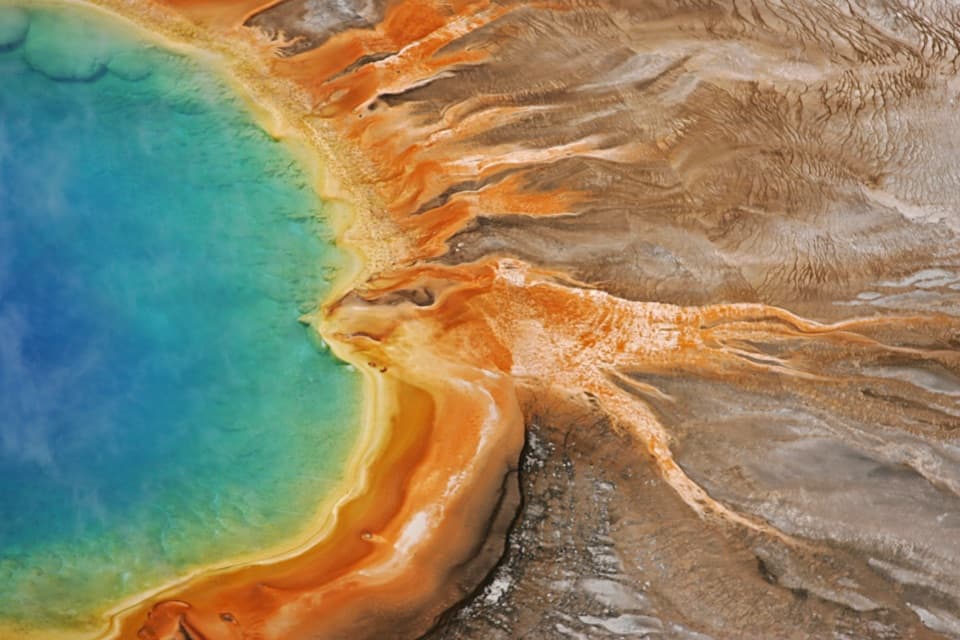
  • Fumaroles hissing from the ground and vividly colored hot springs. After the 1959 Hebgen Lake earthquake, new features like Red Spouter appeared and even flung mud beyond the railings during its formative period.

Geology Snapshot

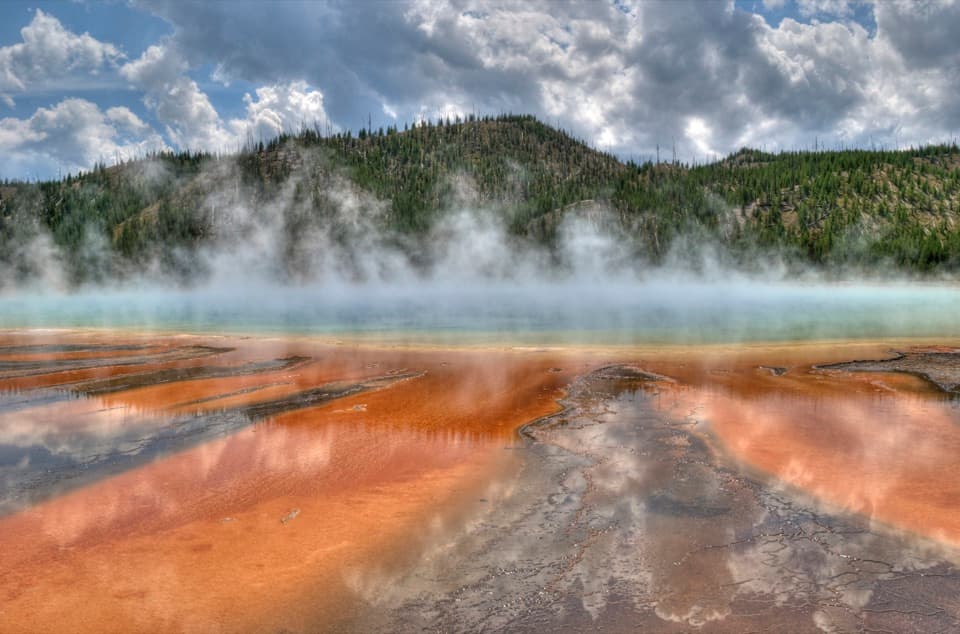
Mudpots form where acidic steam and limited groundwater alter rhyolite into clay; iron oxidation paints the reds, browns, and yellows you see. This basin has a history of dramatic change—large quakes have reorganized plumbing, shifted water supplies, and even forced facilities to relocate. Scientists have also made big discoveries here, including a heat-loving microbe that changed modern biology.

Best Time to Visit

  • Early morning: cooler air makes steam columns dramatic and parking easier.
  • Late day/sunset: low-angle light makes colors pop and the steam glow.
  • After fresh snowfall: the contrast can make the paint pots feel extra otherworldly.
  • Seasonal note: the mud is thinner in early summer and thickest later in the season.

Plan 30–60 minutes for the loop. Expect parking congestion from roughly late morning to late afternoon.

Practicalities & Tips

  • Facilities: Vault toilets only; no running water. Parking is limited.
  • The loop is a short boardwalk; take your time and listen for the plops, hisses, and roars.
  • Wind can carry occasional mud spatter or mist—protect camera gear with a cloth.

Safety

This is fully thermal ground. Stay on the boardwalk, keep kids close, and don’t touch the water or mats. Features can change quickly after seismic events, and hot water can cause severe burns.

Wildlife

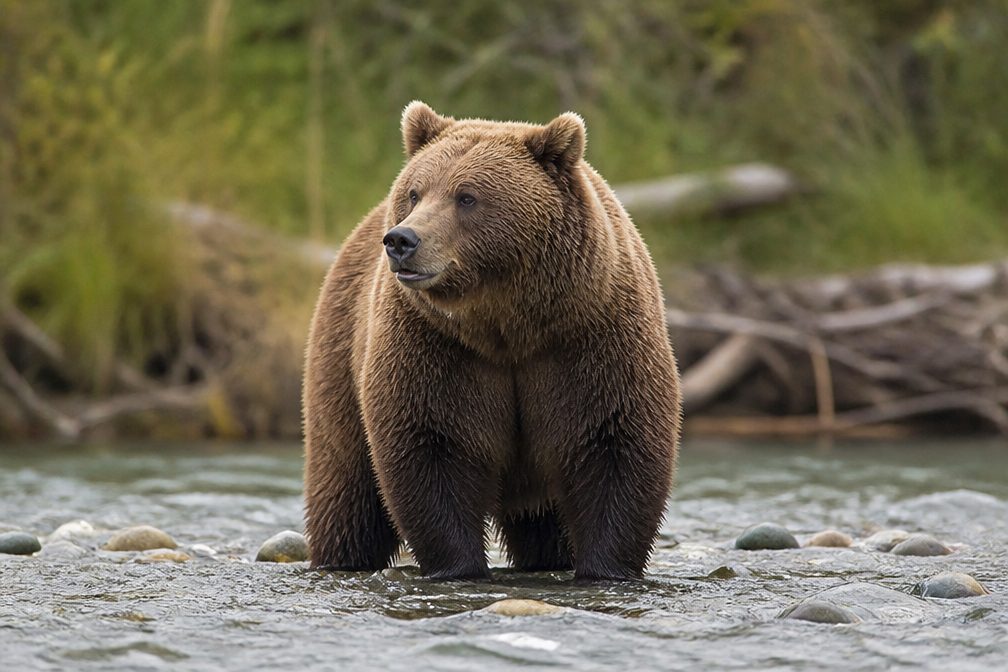
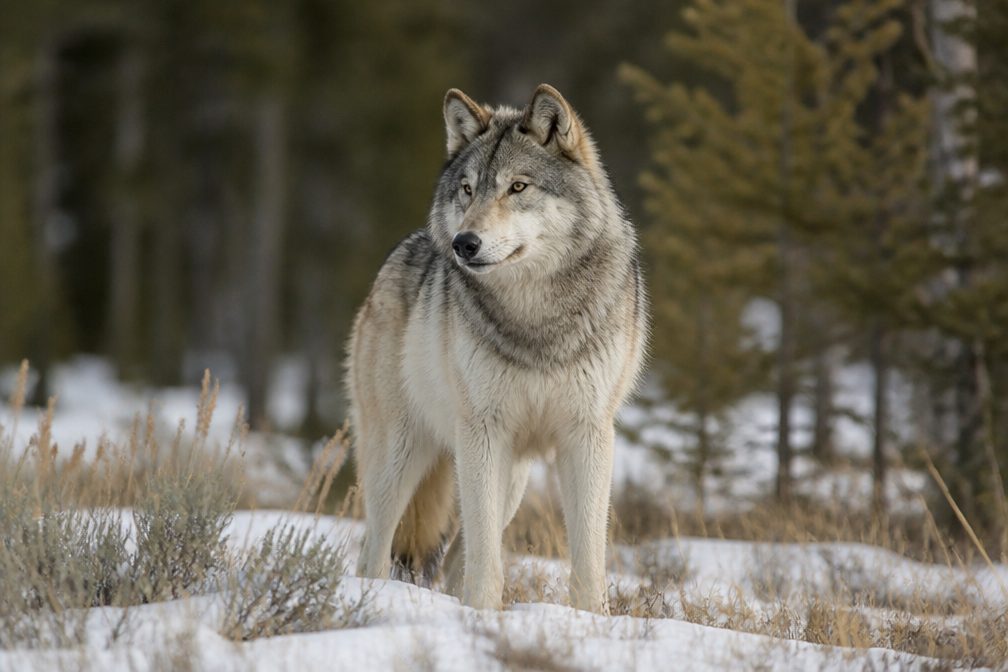
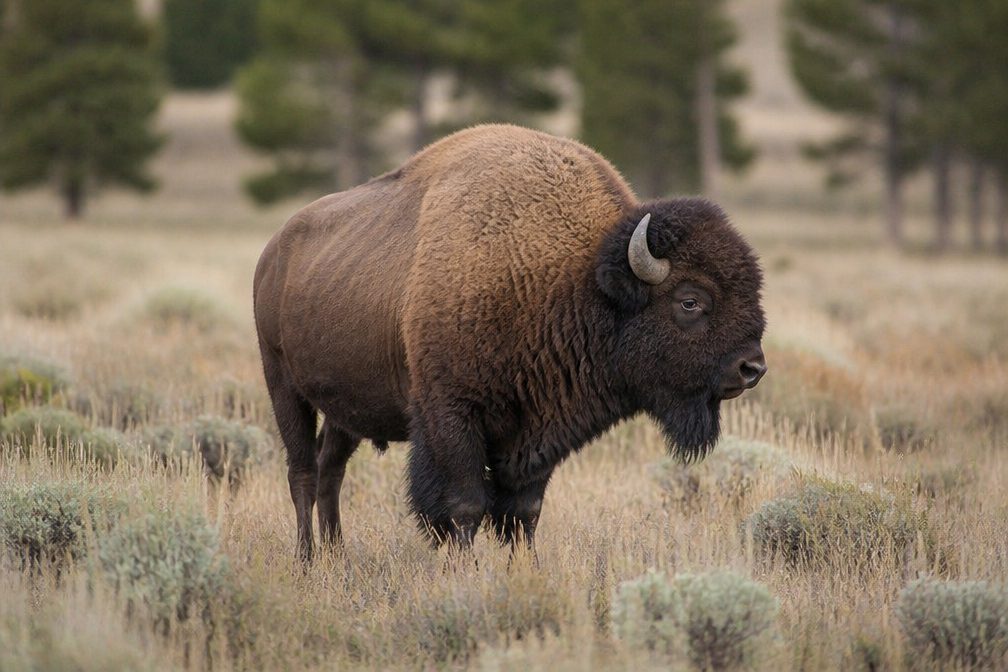
This stop is about geology, not wildlife. You might see animals along the drive at quieter hours, but don’t count on sightings from the boardwalk.

Pros

  • All four hydrothermal features in one short boardwalk loop
  • Frequent geyser action nearby, including Clepsydra

Cons

  • Parking fills late morning through afternoon
  • Strong sulfur smell downwind

Tips

  • Arrive early or late to dodge the parking crunch.
  • Linger for geyser action—Clepsydra often puts on a show.
  • Cool mornings and sunset give the best steam and color for photos.
  • Expect watery mud in early summer and thick plops by late summer.
  • Stay on the boardwalk; wind can carry hot spray and mud farther than expected.
The Parkwolf tour guide sitting on a phone mounted in a car

Parkwolf Tour Guide

Like a tour guide in your car.

Save the places you found around Yellowstone, then let Parkwolf guide the drive between them.Download Parkwolf on the App Store