
Place · 2.6 mi away
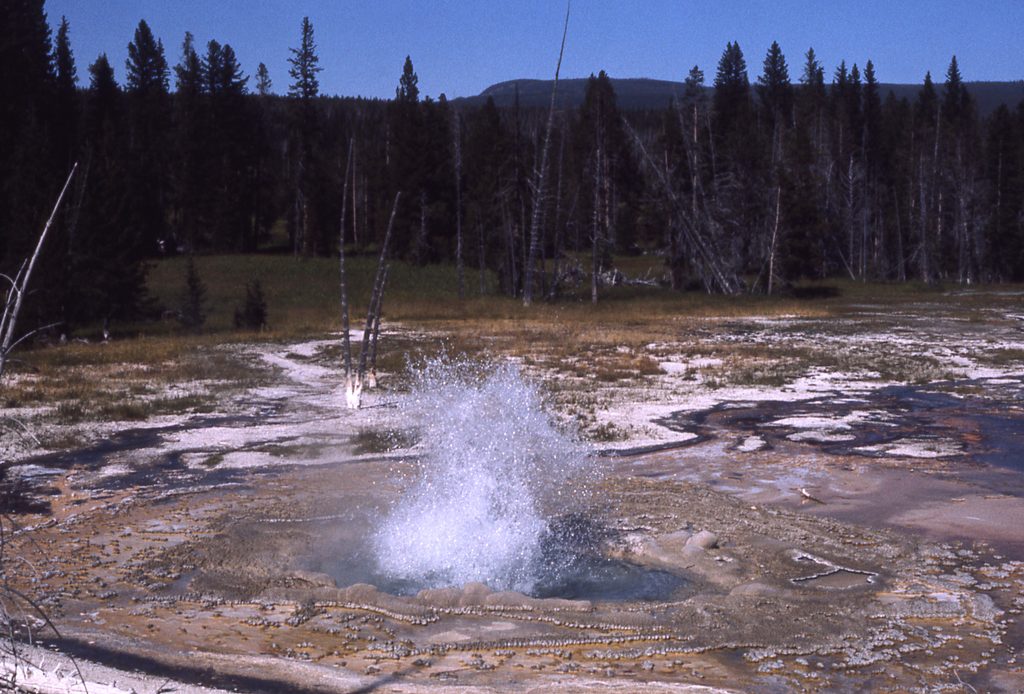
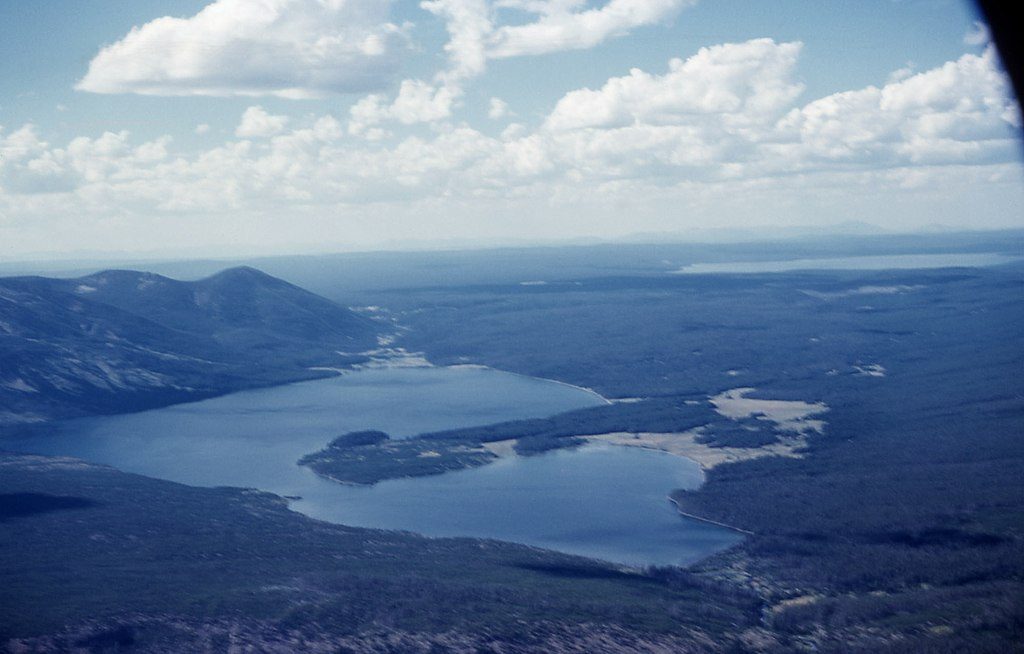
Tucked along Witch Creek at the base of Mount Sheridan and the western shore of Heart Lake, the Heart Lake Geyser Basin is one of the park’s more remote thermal areas. It’s an undeveloped, wild-feeling basin with five named groups of hydrothermal features. Expect quiet, big country, and active thermal pools and vents without boardwalks.
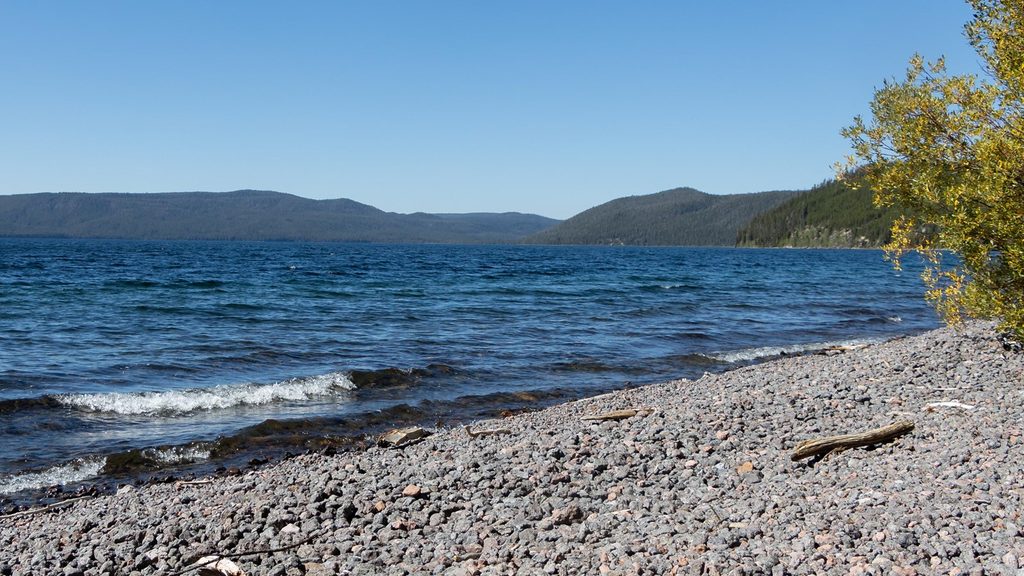
As the trail drops toward Heart Lake, you’ll start spotting small pools, steam vents, and the occasional spouter near the lakeshore (hikers often mention the Rustic Geyser area). Views open to Heart Lake with Mount Sheridan towering above. Signs of wildlife are common, and you may notice downed timber in places from past fires. Anglers sometimes find Yellowstone cutthroat trout along the lake’s edge (permit required), though success can vary with wind and chop.
Reach the basin via the Heart Lake Trailhead on the South Entrance Road corridor near Lewis Lake/Grant Village. Heart Lake lies about 7–8 miles from the trailhead; most day hikers doing an out-and-back will cover 14–16 miles. Parking at the trailhead is limited, and while there’s typically a restroom at the trailhead, there are no facilities along the trail or in the geyser basin itself. Backcountry camps near the lake exist by reservation; do not rely on facilities unless you have a designated site.
There are no boardwalks here. Stay on durable ground and give all thermal features a wide berth—thin crusts can be dangerous. This is prime bear country; carry bear spray, make noise, and hike in groups. The trailhead/area has seasonal bear-related closures (typically spring into early summer), so check current park notices before you go. If you’re not at a designated backcountry toilet, follow Leave No Trace and bury waste properly, far from water and trails.
Summer can bring intense mosquitoes, gnats, and horseflies, and a few visitors note leeches along the lakeshore. Late season often means fewer bugs but rapidly changing weather—early winter conditions are possible. Plan for a long, remote day with limited shade; bring ample water treatment, layers, and navigation.
Late September is a sweet spot for cooler temps, fewer insects, and lighter use, but come winter-ready. For day trips, start early to manage the mileage and secure a parking spot. Weekdays are typically quieter. Morning light can be kinder for photos around the lake and thermal features; afternoons often bring more wind on the shore.
Strong day hikers and backpackers who want a quiet, off-the-beaten-path thermal basin and don’t mind long miles, remote travel, and backcountry hazards. If boardwalks and easy access are your style, this one will feel like too much work.
Place · 2.6 mi away
Place · 5.7 mi away
Place · 5.7 mi away
Place · 6.4 mi away
Moderate · 4.3 mi away
Easy · 4.4 mi away
Moderate · 4.4 mi away
Moderate · 4.4 mi away

Parkwolf Tour Guide
