
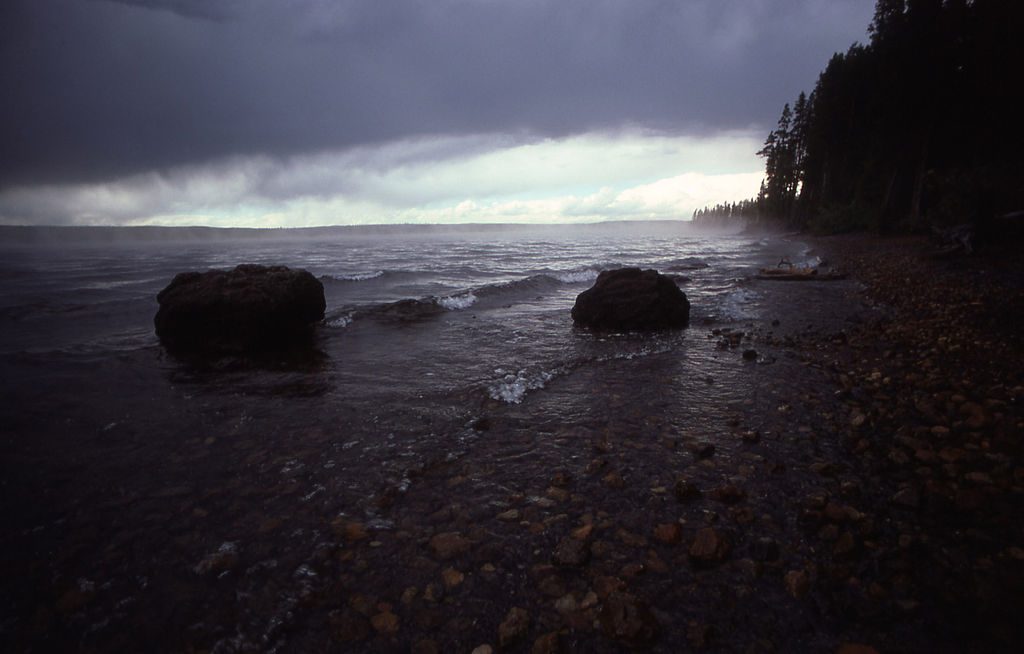
Place · 1.8 mi away
Easy
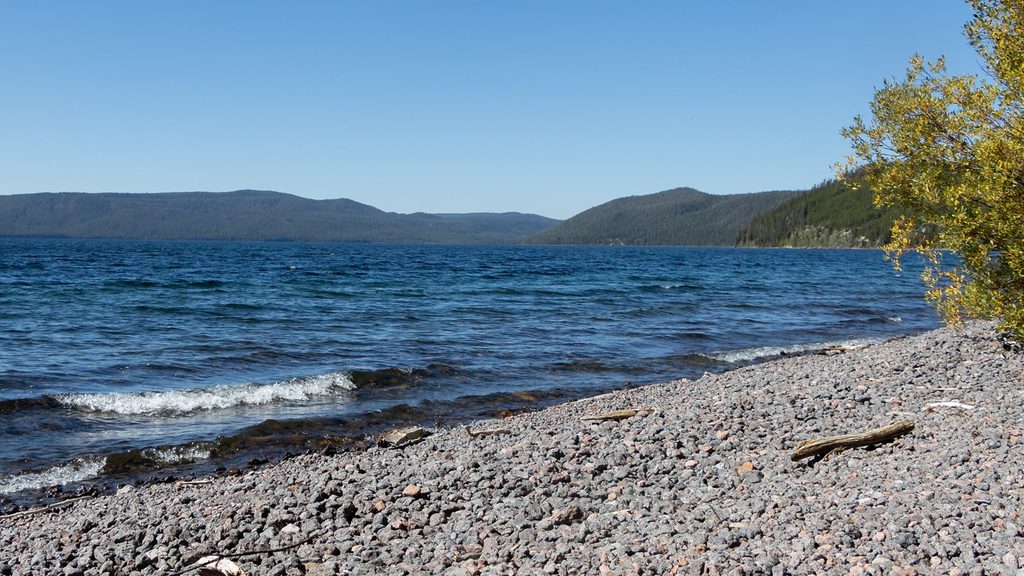
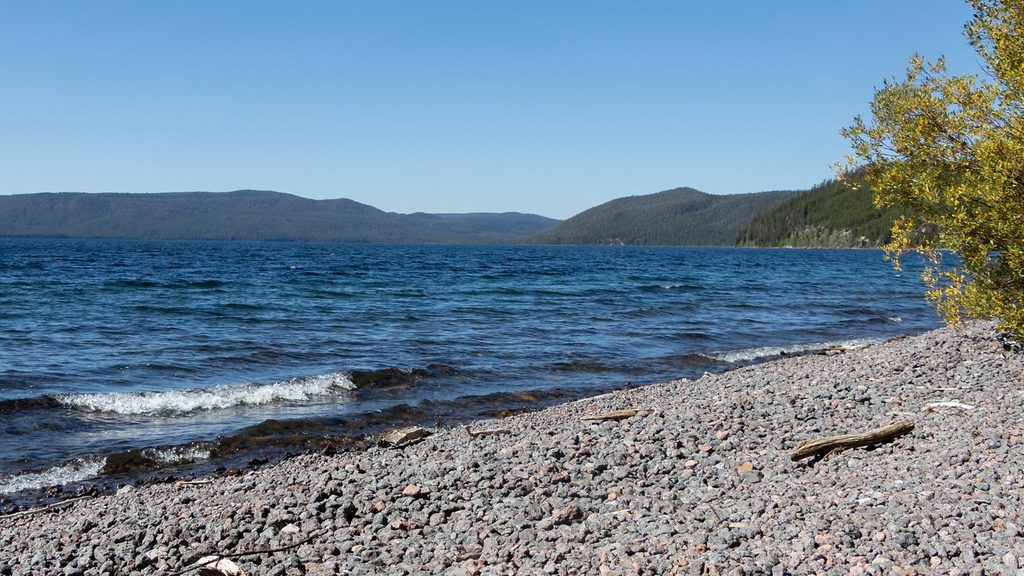
If you want big backcountry vibes without a sufferfest, this mellow walk delivers. Shoshone Lake is the largest roadless wilderness lake in the Lower 48, and the DeLacy Creek approach gets you there with minimal effort. It’s 6.0 miles total (out-and-back) with very gentle elevation—perfect as a first Yellowstone hike or a leg-stretcher between geyser stops.
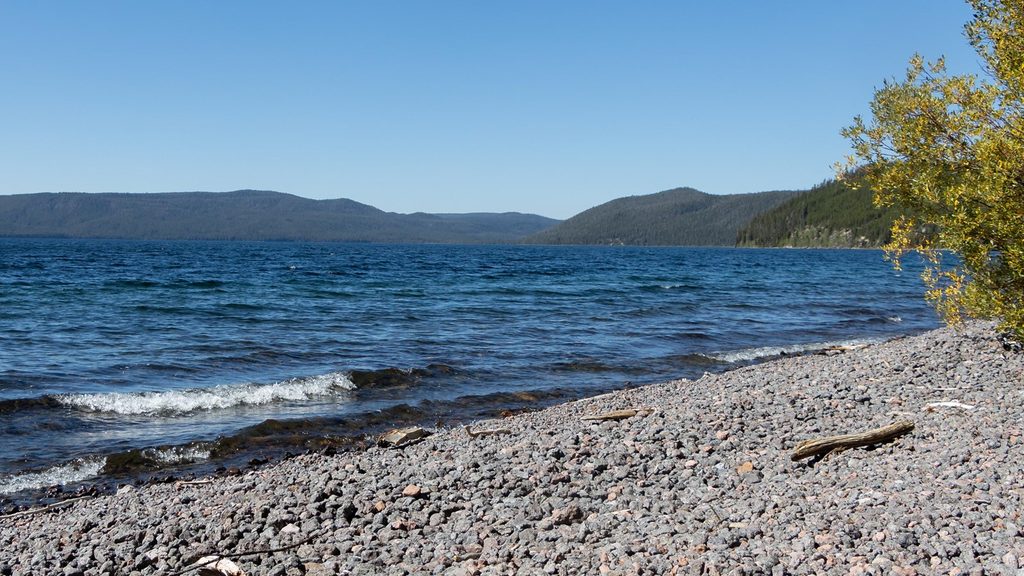
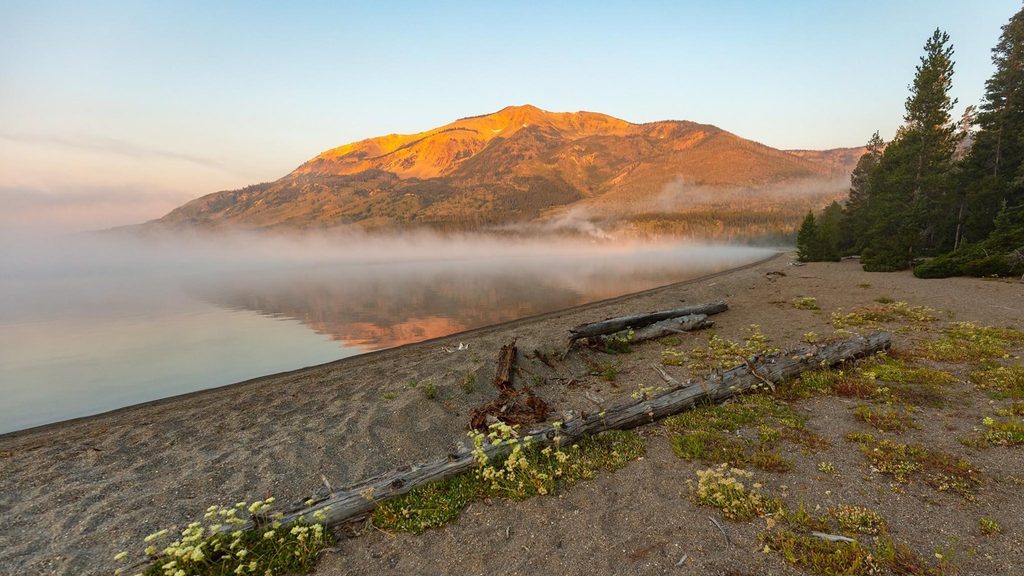
The path follows DeLacy Creek through lodgepole forest and open meadows before reaching the broad pebbly shore of Shoshone Lake. Expect a peaceful, woodsy approach, the sound of running water, and a rewarding reveal when the trees part at the lakeshore. Wildlife is a real possibility—moose and elk favor the creek corridor, and bears (both grizzly and black) inhabit the area—so stay alert and give all animals plenty of space.
Underfoot it’s packed dirt with roots and occasional mud. Near the lake, seasonal marsh and overflow can make the mouth of DeLacy Creek tricky; many hikers briefly walk the beach to avoid a wet crossing, then rejoin the path. Mosquitoes can be fierce in summer—bring repellent and consider a head net. If you’re tempted to wade deeper water, remember Yellowstone’s streams and channels run cold and swift; avoid risky fords.
Day hikers typically turn around at the lakeshore. If you’re after a longer day, another popular approach reaches Shoshone Lake from the Dogshead Trailhead (about 10.8 miles round trip). Backpackers can link shoreline trails to visit the remote Shoshone Geyser Basin or parts of the Continental Divide corridor—just know conditions get more demanding beyond the day-hike turnaround and an overnight permit is required.
No pets on park trails. Overnight trips require a backcountry permit, and proper food storage is mandatory (use provided food poles or approved bear-resistant containers). Make noise in brushy sections, hike in a group if possible, and carry bear spray. Typical summer thunderstorms roll through most afternoons—start early, watch the sky, and avoid exposed shores during lightning.
Late June through September is the sweet spot. Early season can bring lingering mud and higher water near the lakeshore. Mornings are calmer (better for fewer bugs, quieter wildlife viewing, and steadier lake winds), while afternoons trend windier with a higher chance of storms.
Park at the DeLacy Creek Trailhead on the Grand Loop Road between Old Faithful and West Thumb.
Bears are common—carry bear spray and know how to use it. Expect mosquitoes and muddy sections. Avoid risky water crossings near the lake; streams are cold and swift. Summer thunderstorms and lightning are typical—start early and leave exposed shores if storms build. Overnight trips require a backcountry permit and proper food storage.
Place · 1.8 mi away
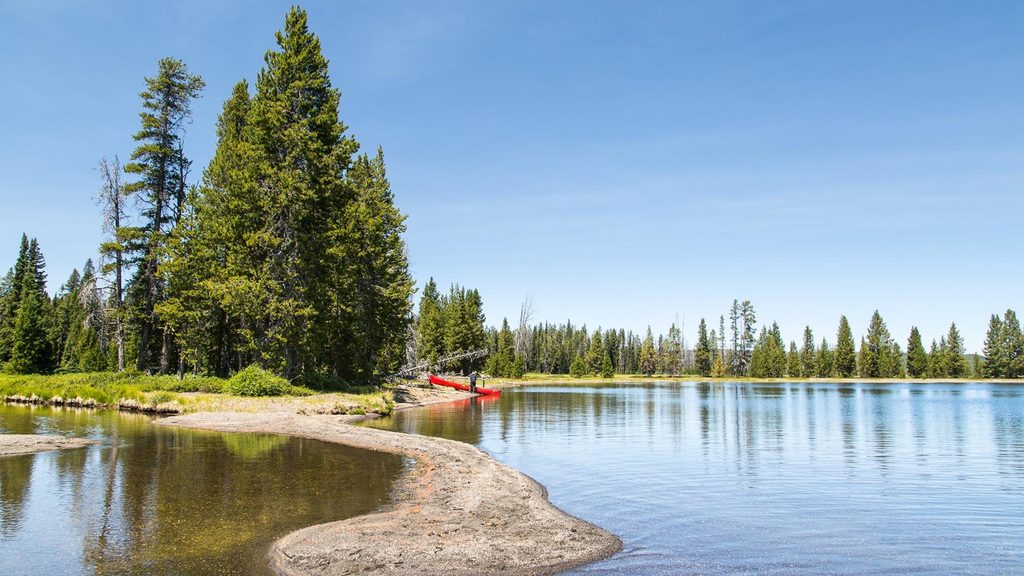
Place · 3 mi away
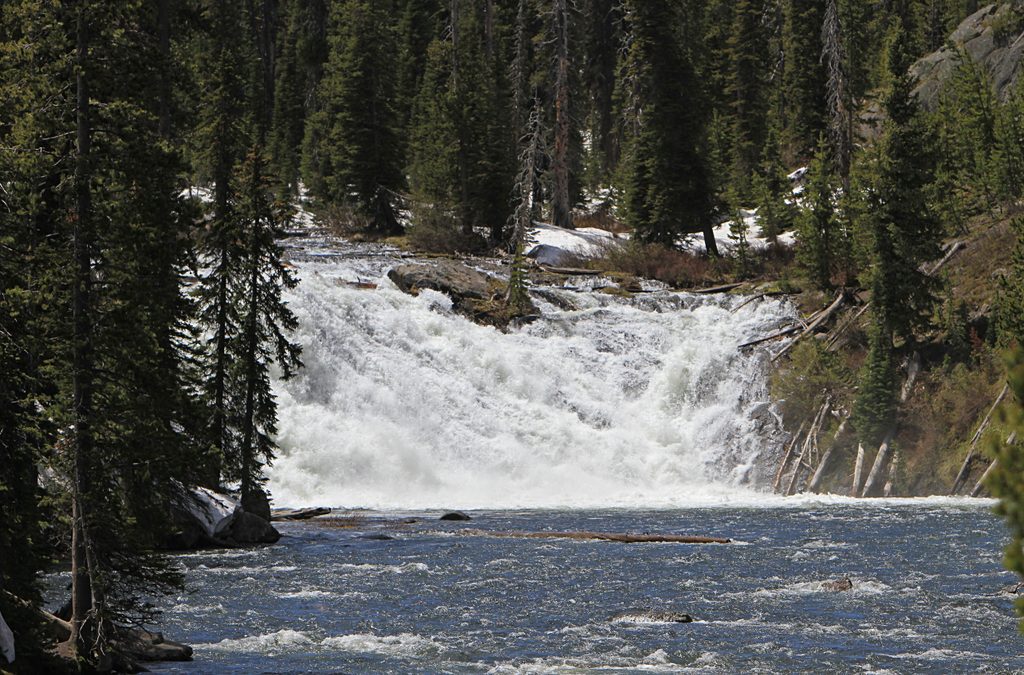
Place · 4.1 mi away
Place · 4.4 mi away
Moderate · 0 mi away
Moderate · 0 mi away
Challenging · 0 mi away
Moderate · 0.2 mi away

Parkwolf Tour Guide
