
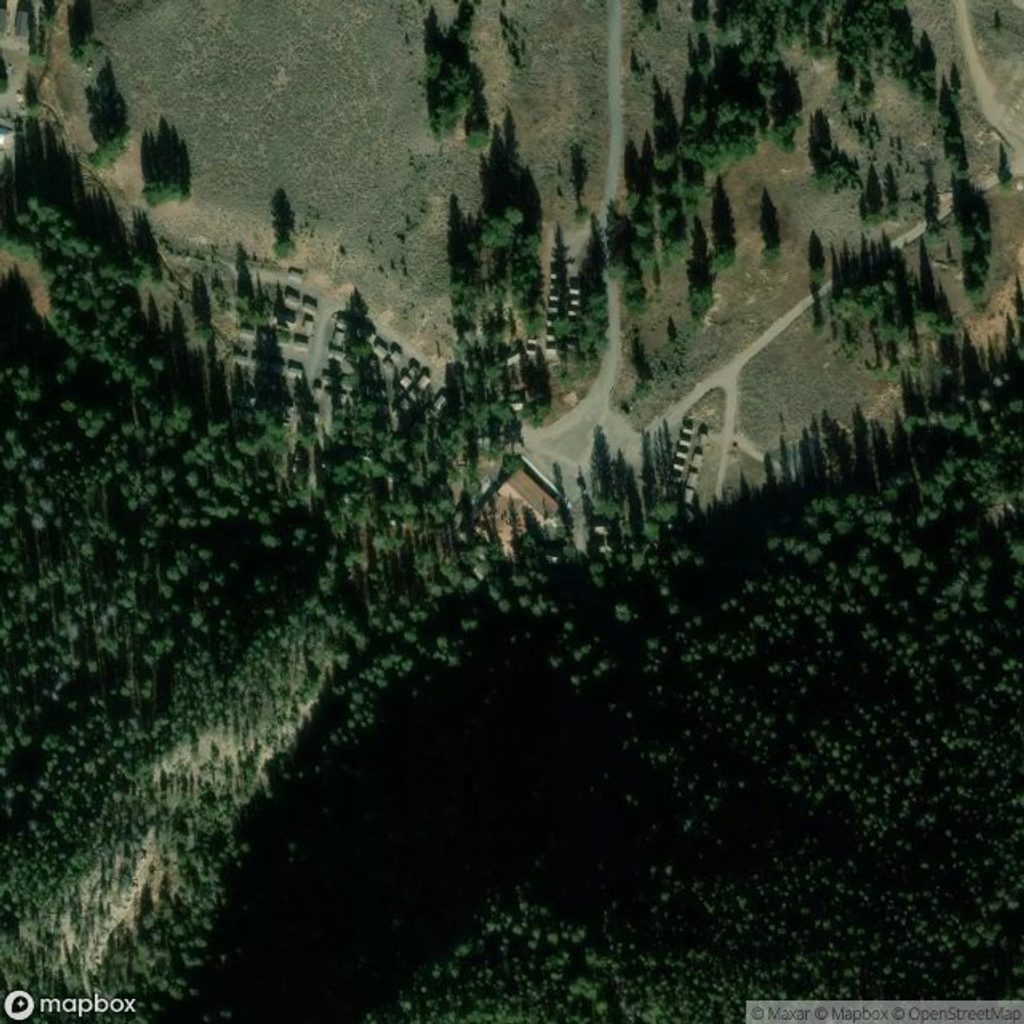
Place · 0.3 mi away
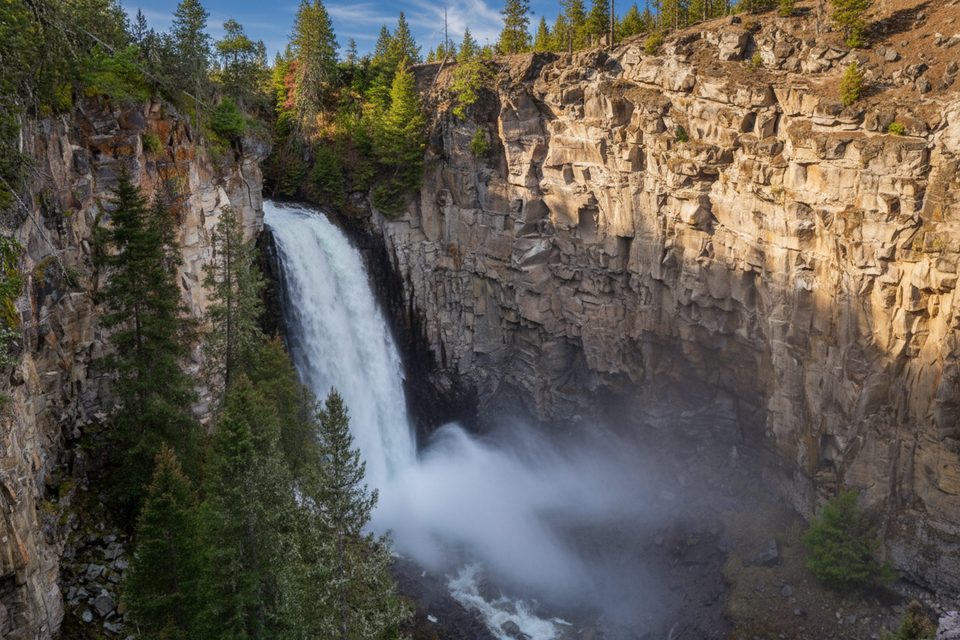
Tucked just behind Roosevelt Lodge at Tower–Roosevelt, Lost Creek Falls is a short, peaceful stroll to a slender 40‑foot cascade in a shady little canyon. It’s one of those under‑the‑radar stops that trades crowds for birdsong and running water—perfect as a leg‑stretch on a Lamar Valley day or a low‑effort reward after a long drive.
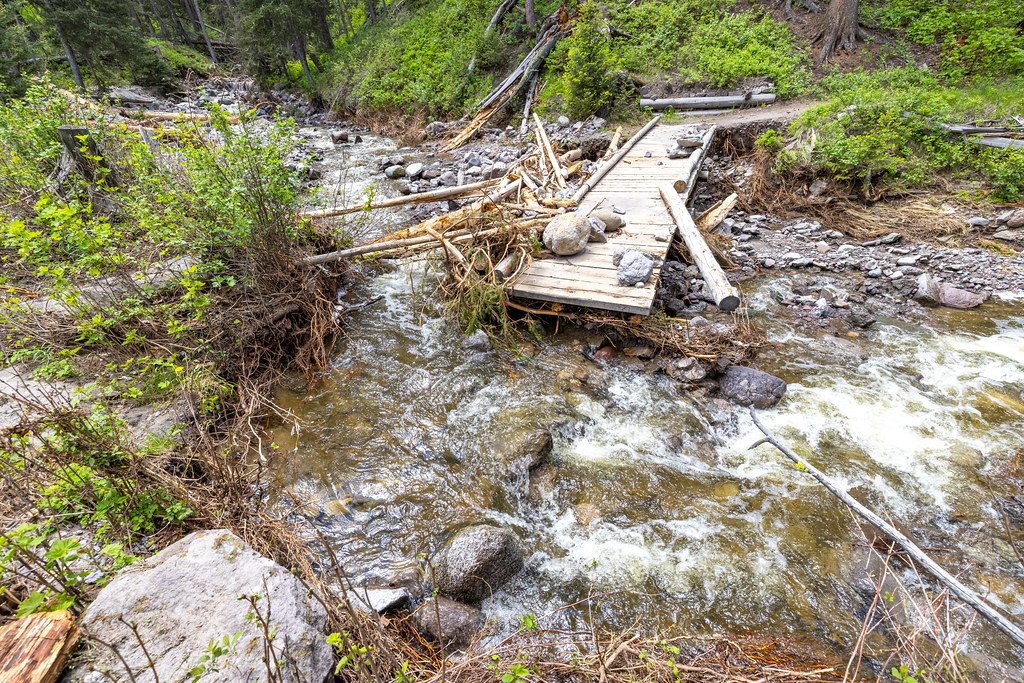
Start behind Roosevelt Lodge and follow signs for the Lost Creek Trail. At the first signed junction, go left for the falls (right heads toward Lost Lake). The path follows the creek through cool forest and reaches a signed “End of Trail” viewpoint. Many people turn around here; the best angle is a short, informal spur along the creek to the base—expect loose rocks and some deadfall, so step carefully and skip it if footing feels iffy.
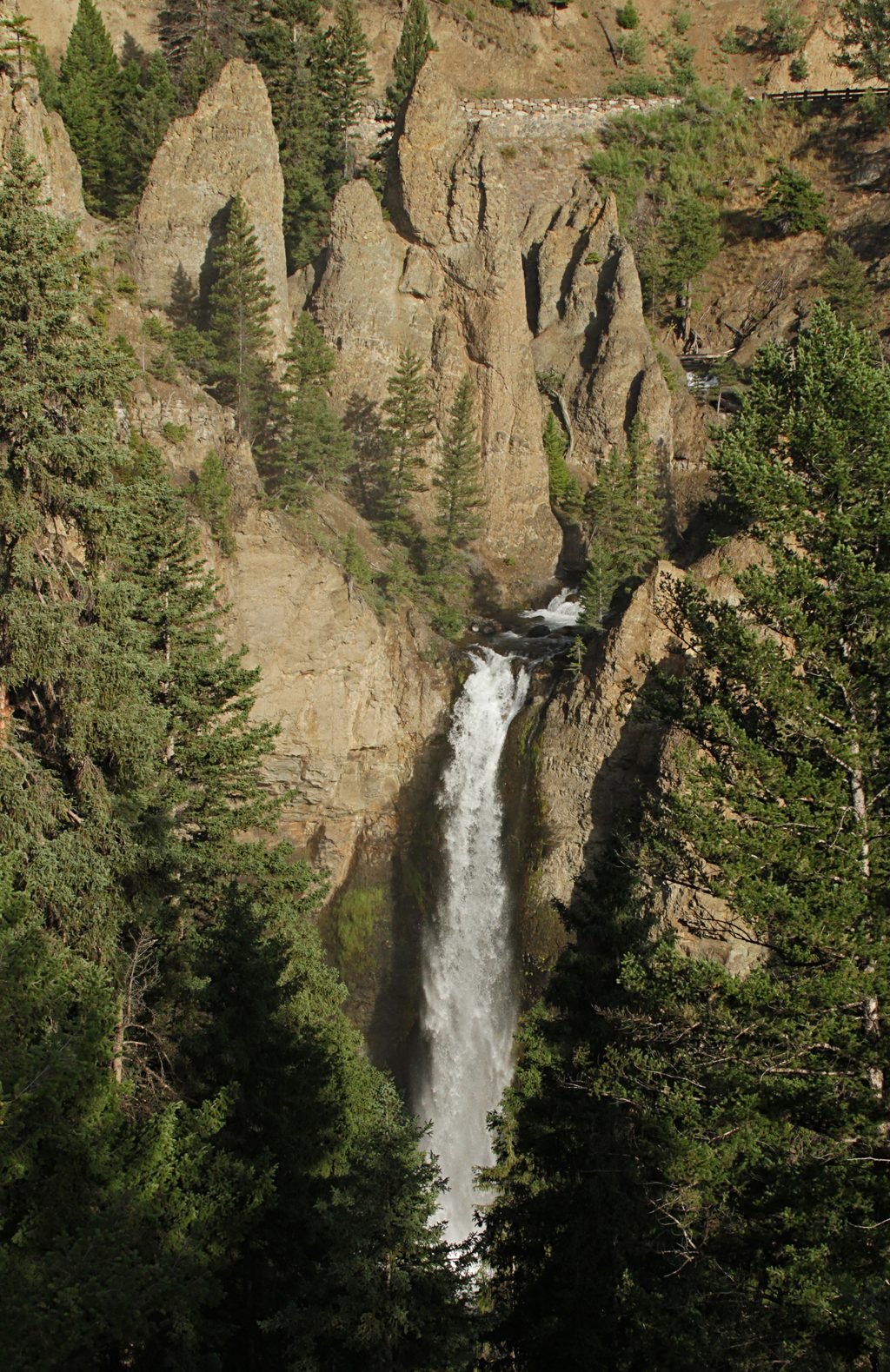
The creek threads through a narrow mini‑canyon, spilling over dark volcanic cliffs into a small grotto. It’s a surprisingly intimate setting for such an easy walk, with Douglas‑fir shade and the occasional glimpse of rock pinnacles above. Flow peaks in late spring and early summer, but the falls can linger respectably into August in wetter years.
If you want more mileage, take the right fork at the initial junction to climb switchbacks toward lily‑padded Lost Lake and continue on the loop toward the Petrified Tree. It’s a classic way to turn a quick stop into a half‑day wander without moving the car.
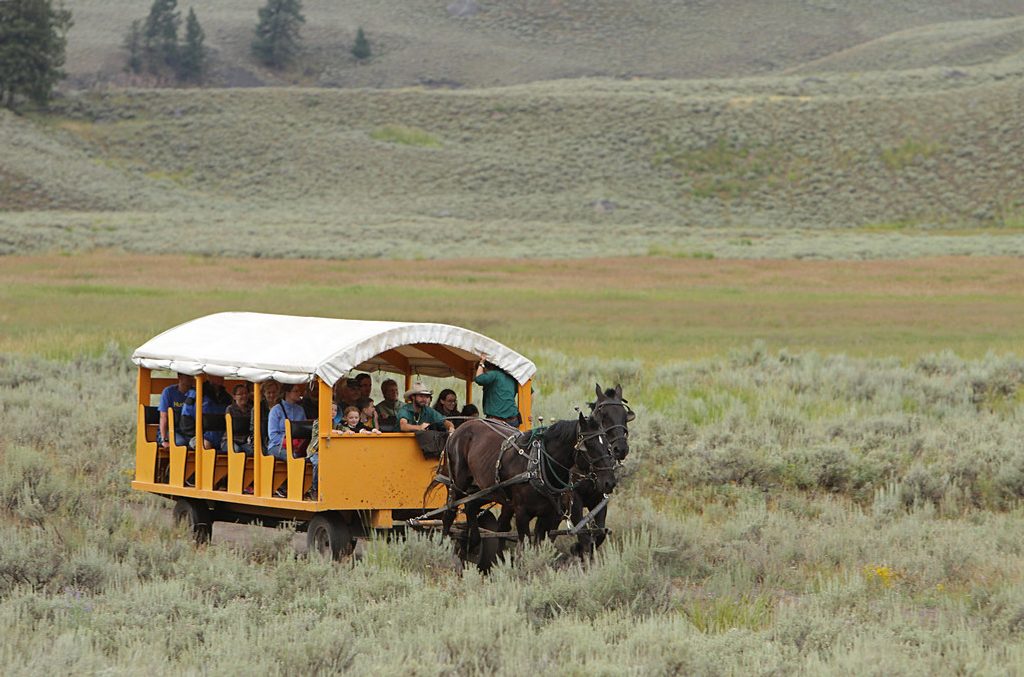
Black bears frequent the area in summer—make noise, hike in a group when possible, and carry bear spray. If you meet horseback riders, step to the downhill side of the trail. Near the falls, avoid cliff edges where erosion undercuts the rim, and don’t push beyond your comfort level on the informal path to the base.
Geologist W. H. Holmes reportedly named Lost Creek in 1878 after noticing it seems to disappear into downstream meadows before joining the Yellowstone River—fitting for a waterway that tucks a waterfall out of sight behind a busy junction.
Place · 0.3 mi away
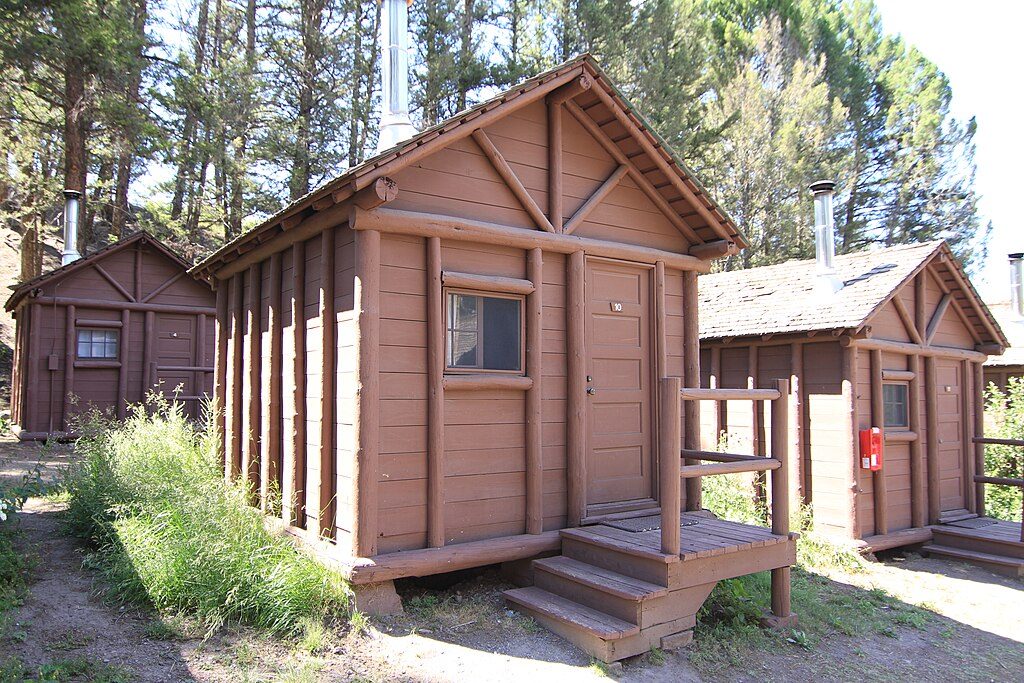
Place · 0.3 mi away
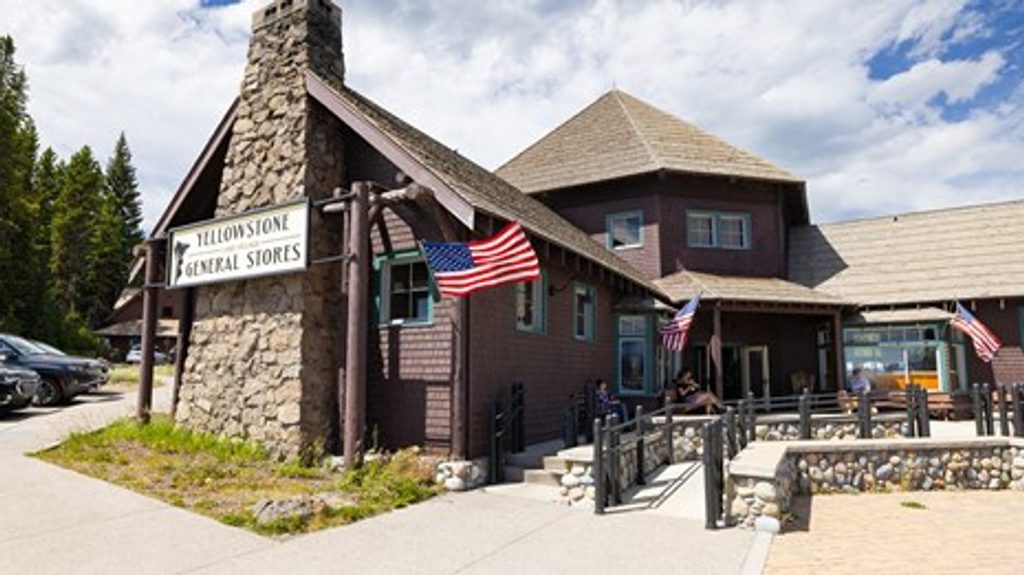
Place · 0.3 mi away
Place · 0.5 mi away
Moderate · 0.2 mi away
Easy · 0.3 mi away
Moderate · 1.1 mi away
Challenging · 1.1 mi away

Parkwolf Tour Guide
