
Place · 0 mi away
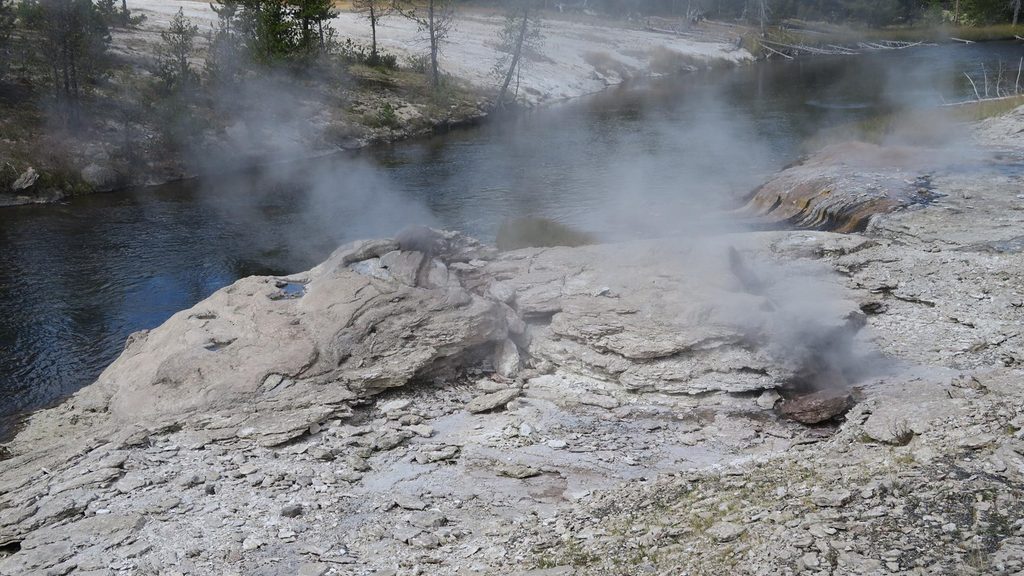
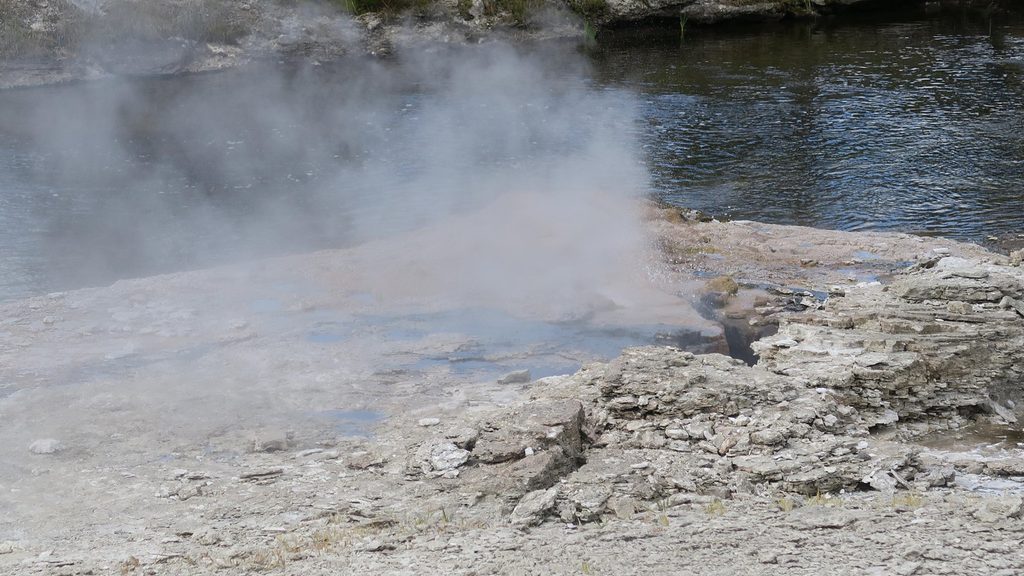
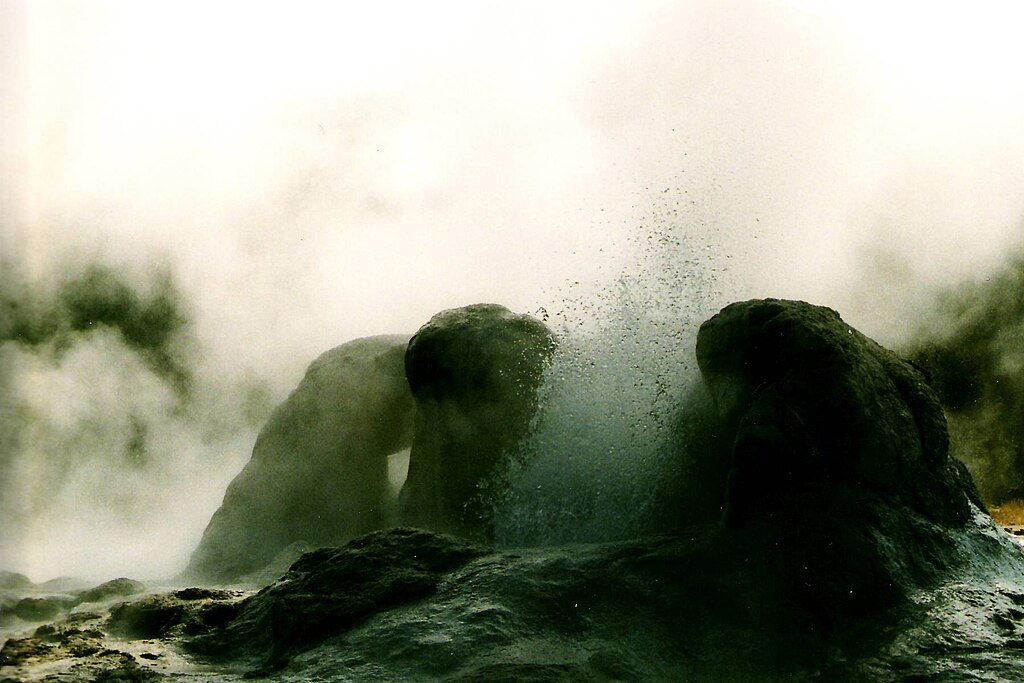
Mortar Geyser is a head-turner in the Upper Geyser Basin, best known for erupting in tandem with its neighbor, Fan Geyser, right beside the Firehole River. When this pair is “on,” it’s a wild scene: Mortar drives a roaring vertical column while Fan flings curtains of water across the river. The catch? It’s irregular and not guaranteed—classic Yellowstone geyser roulette.
Mortar’s blasts can rise over 80 feet, and Fan can reach around 125 feet with a broad, sometimes wind-blown spray that can travel more than 200 feet. Expect the first 10 minutes to pack the biggest punch, and don’t be surprised by pauses and restarts—full sequences can run about an hour. The feature sits on a sizeable sinter cone (which has fractured over time), and heavy runoff pours into the Firehole during active periods.
Intervals range from a few days to weeks, and the pair can go quiet for months or even years. Historically, they’ve cycled through dormancy and spurts of intense activity. High river levels in spring and early summer can quench the system with cold water and suppress eruptions, so patience is key.
Yellowstone’s hydrothermal system is powered by heat from magma a few miles below the surface. Water percolates down, heats up, and returns through a constricted plumbing system. Those narrow spots let pressure build until steam forces water out—boom, eruption. Fan and Mortar share interconnected plumbing, which is why they tend to erupt together and why their rhythms can be erratic.
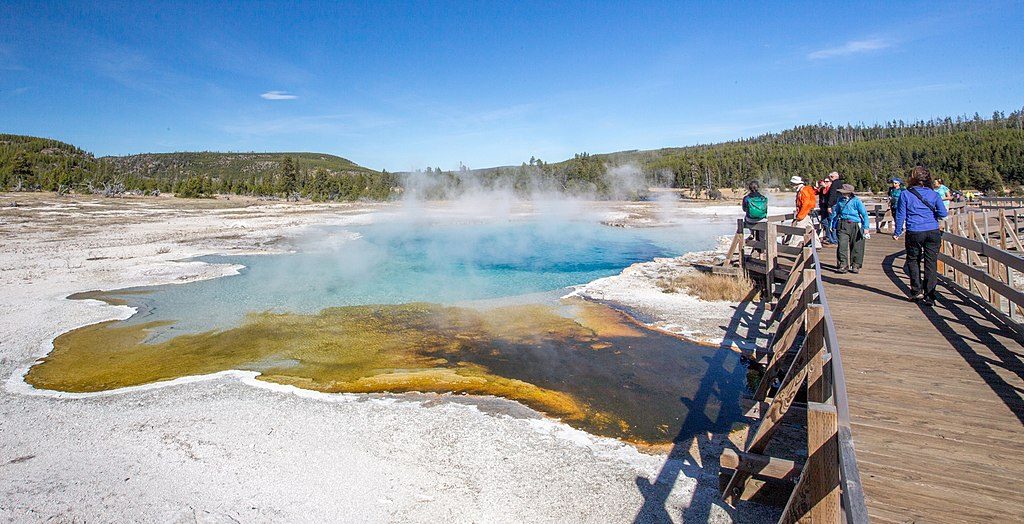
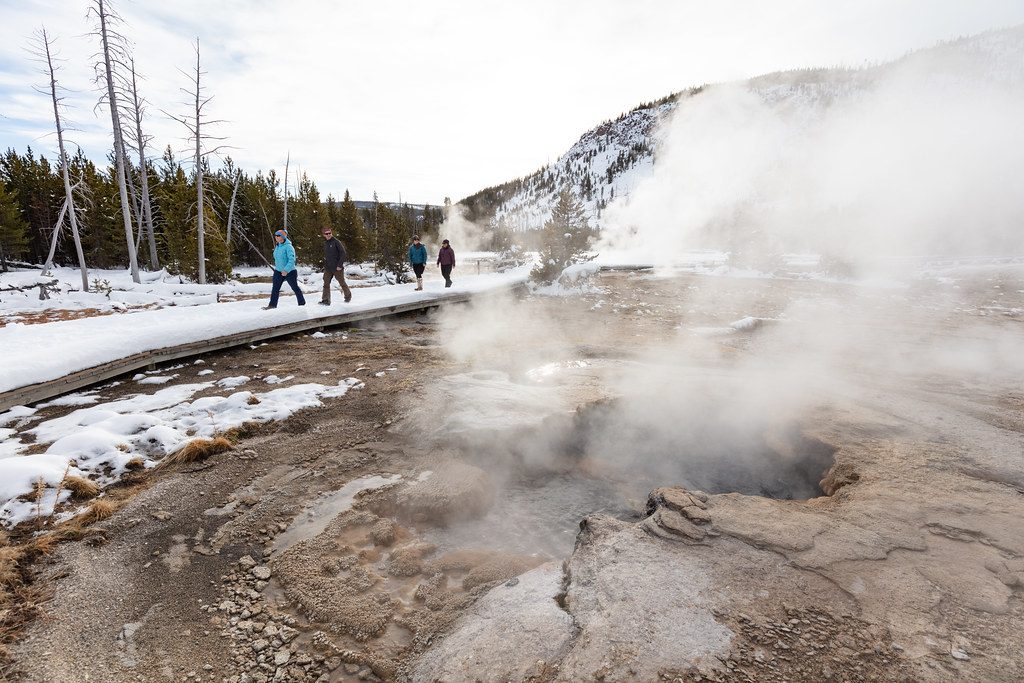
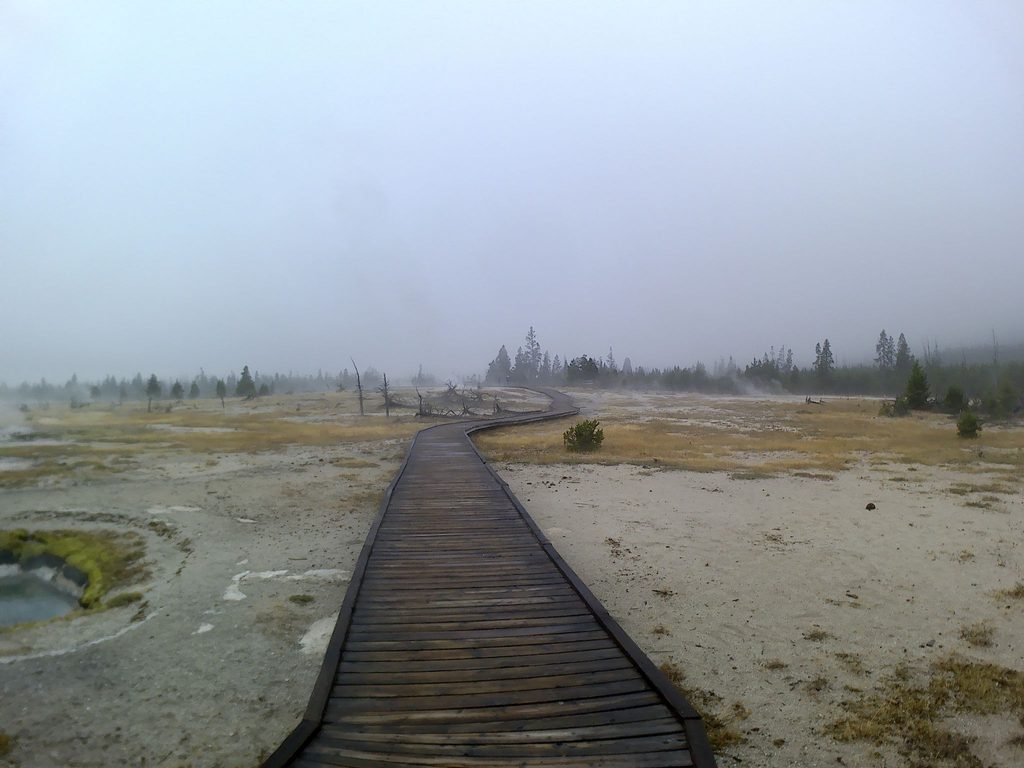
Reach the geyser via the Upper Geyser Basin boardwalks from the Old Faithful complex. It’s a mostly level stroll along the river, but it’s not right next door—figure roughly 2 km from the start of the main walk. Surfaces are paved paths and wooden boardwalks, with benches along the way. Boardwalks can turn slick in cold weather when spray refreezes.
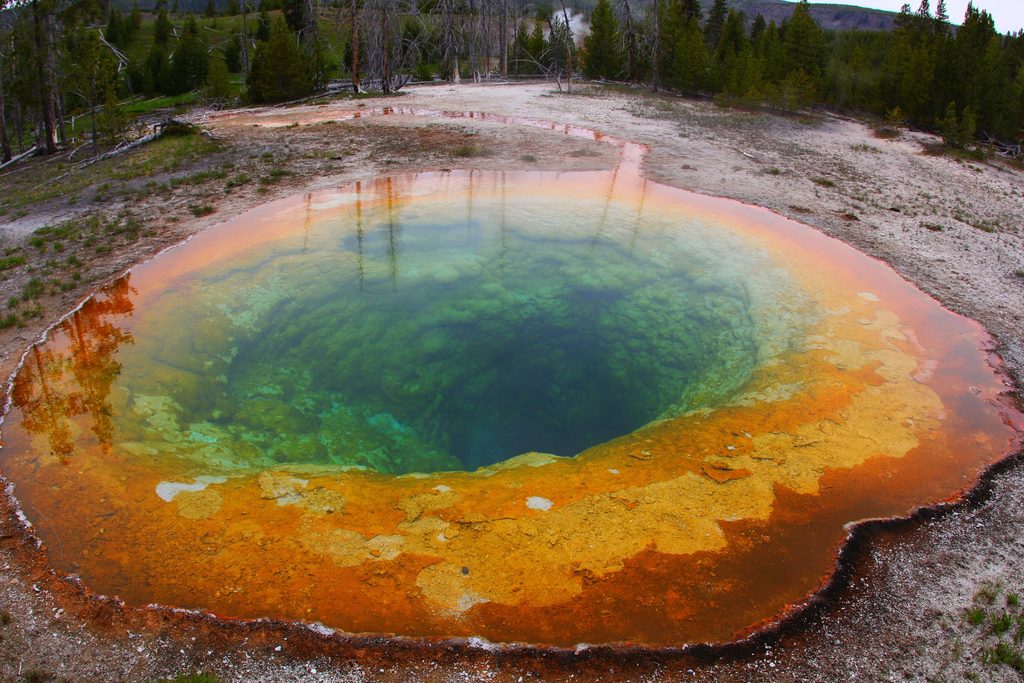
There are no restrooms at the geyser itself. Plan bathroom stops at the Old Faithful visitor area before you head out; there’s also a vault toilet by Morning Glory Pool along the route.
Stay on boardwalks and keep kids close—thin crust and near‑boiling water are unforgiving. During active periods, shifting winds can carry scalding spray across the trail; expect to get wet if you stand close.
If you’re crowd‑averse, go early. Cool mornings are pleasant for walking the basin, but be mindful of slick boardwalks in cold snaps. Because high river levels can suppress activity, late summer and fall often give you better odds than peak runoff season. Regardless of season, your best strategy is to check recent activity reports in the Old Faithful area and be ready to wait.
Place · 0 mi away
Place · 0.1 mi away
Place · 0.1 mi away
Place · 0.2 mi away
Easy · 0.9 mi away
Easy · 0.9 mi away
Easy · 1 mi away
Moderate · 1.1 mi away

Parkwolf Tour Guide
