
Place · 2.2 mi away
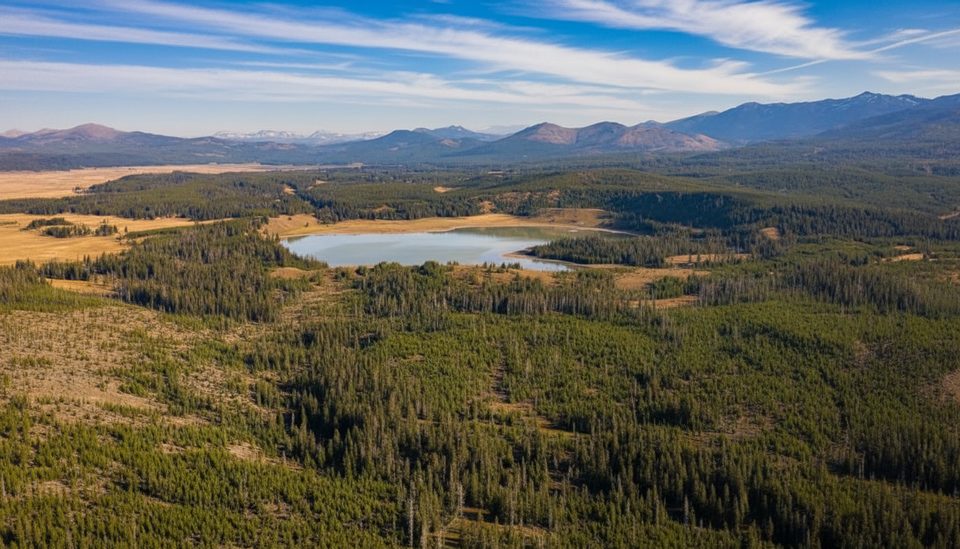
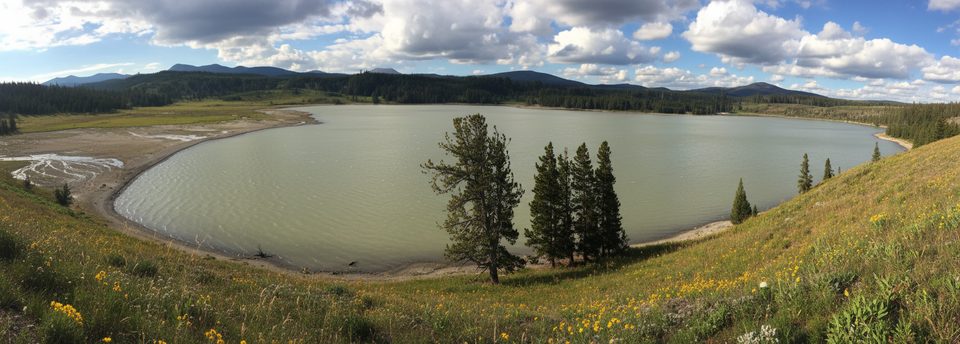
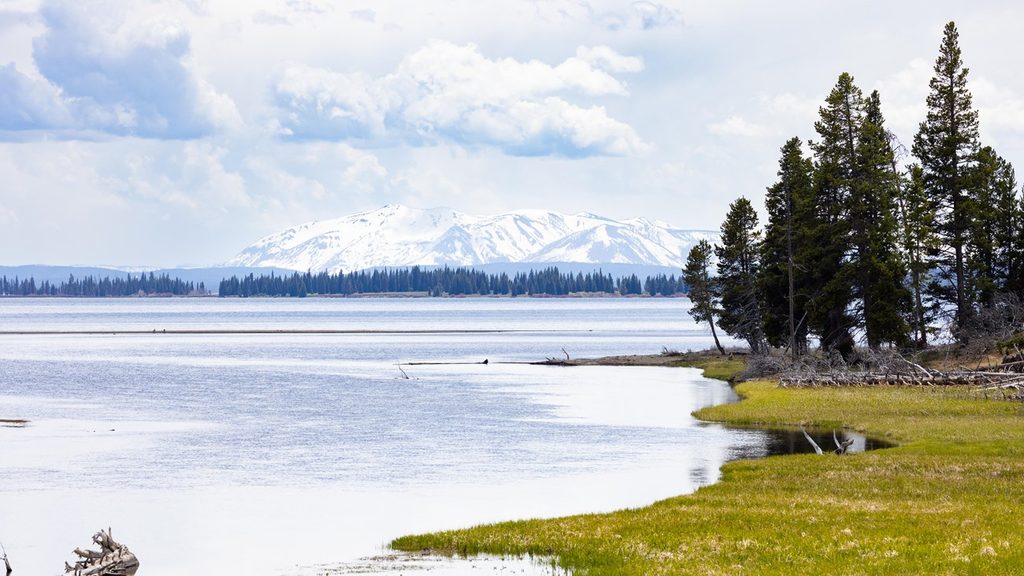
Turbid Lake is exactly what it sounds like—murky, greenish, and a little sulfurous. It’s not your classic postcard lake; it’s a 9,400-year-old hydrothermal explosion crater tucked near the east side of the park. That geologic backstory is the draw: few places let you stand beside a crater lake formed when superheated water flashed to steam and blasted a basin into existence. If you’re into geology and quiet, wild corners, this one’s compelling. If you want sparkling blue water and an easy stroll, look elsewhere.
There isn’t a dedicated “Turbid Lake” parking lot. Most people start from the Indian Pond/Storm Point area along the East Entrance Road and hike from there, or use the Nine Mile Trailhead farther east. Expect limited parking and no signage pointing you directly to Turbid Lake.
Inside the park, don’t blindly follow your in‑car GPS; it can misroute you on one‑way or seasonally closed roads. Use official park maps and road signs once you’re in the gate.
Routes to Turbid Lake are lightly maintained and can be faint, with poor signage and occasional deadfall. Download an offline map and be comfortable with basic navigation. Reported round-trip distances vary by route and turnaround point—roughly 8–10+ miles if you branch off the Pelican Valley corridor, and substantially longer if you follow the full Turbid Lake Trail from Nine Mile. The payoff is quiet meadows, pockets of forest, and a moody shoreline with small springs and sinkholes.
This basin is part of a cluster of some of the largest hydrothermal explosion craters on Earth around northern Yellowstone Lake. These blasts happen when pressure suddenly drops in a hot-water system, causing water to flash to steam and violently excavate a crater. That lingering hydrothermal activity explains the lake’s turbidity and occasional sulfur smell.
This is deep grizzly country. Make noise, carry bear spray where you can grab it, and be alert for closures tied to bear activity—especially in Pelican Valley. Bison use these meadows too; give them a very wide berth. Near the lake’s thermal features, stay on durable ground and avoid thin, wet, or unstable soils.
Late spring through early fall, with a big asterisk: Pelican Valley often has seasonal bear-management closures—always check current trail status before you go. For fewer people and better parking, start early in the morning. Light is softest early and late; midday tends to be harsh and the lake’s color can look dull.
Place · 2.2 mi away
Place · 2.3 mi away
Place · 2.4 mi away
Place · 2.9 mi away
Moderate · 2.9 mi away
Easy · 3.3 mi away
Moderate · 3.3 mi away
Easy · 5 mi away

Parkwolf Tour Guide
