
Place · 4.1 mi away
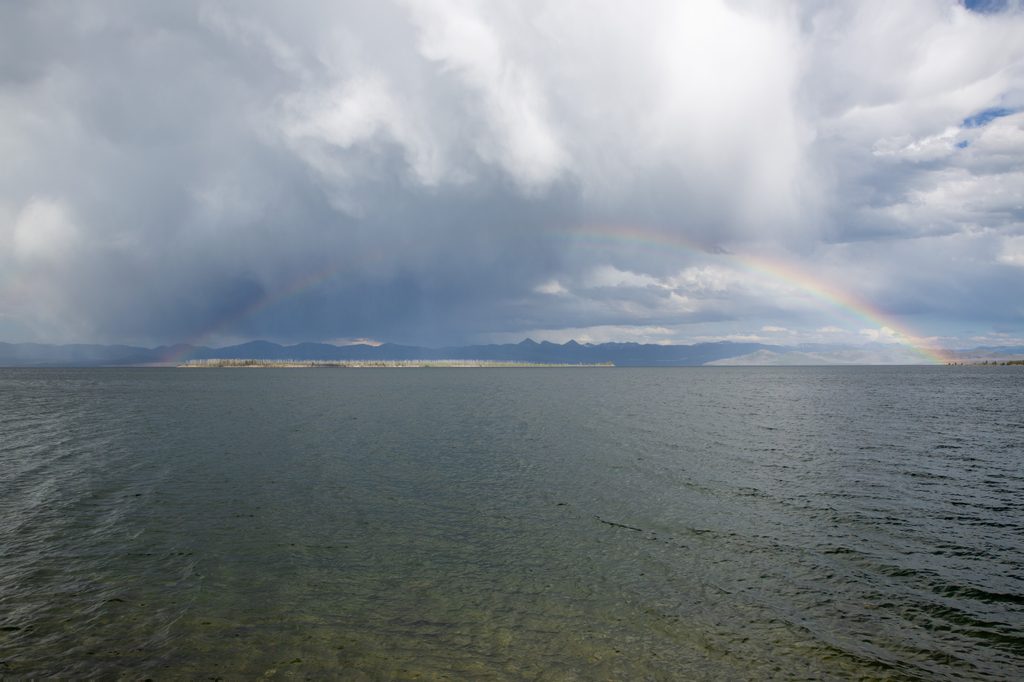
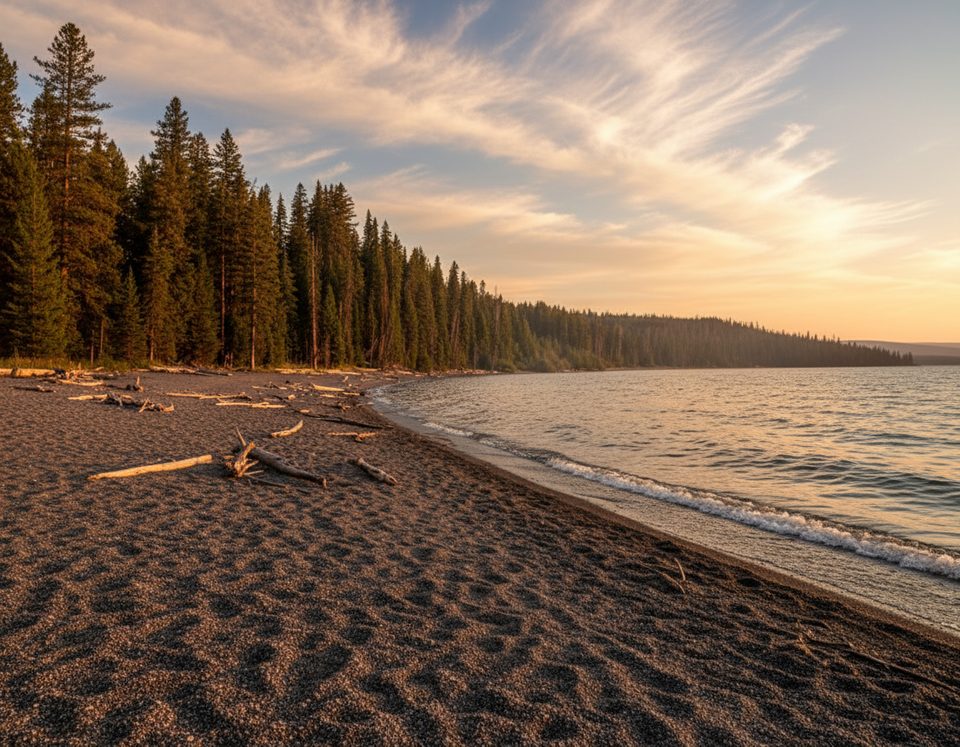
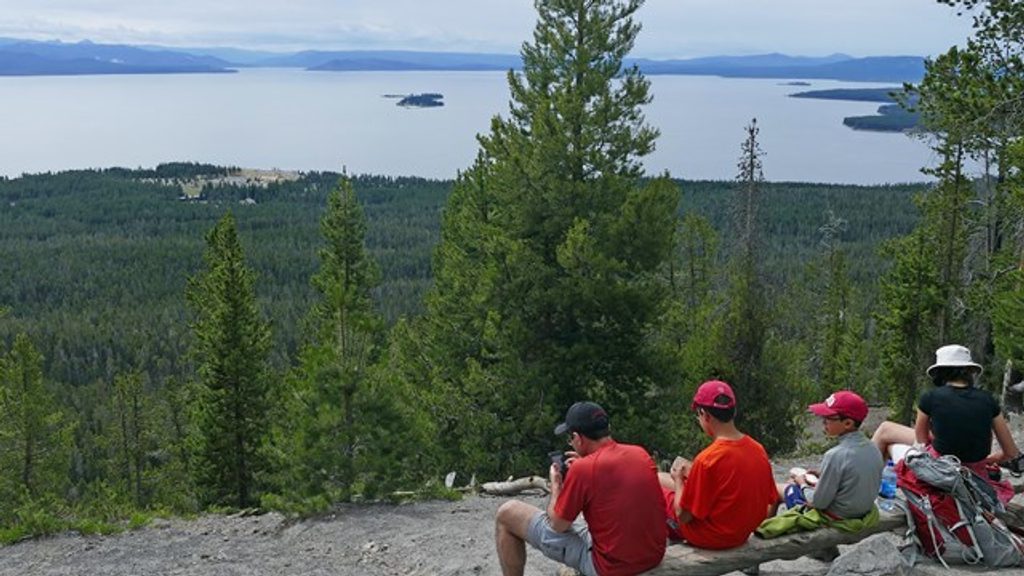
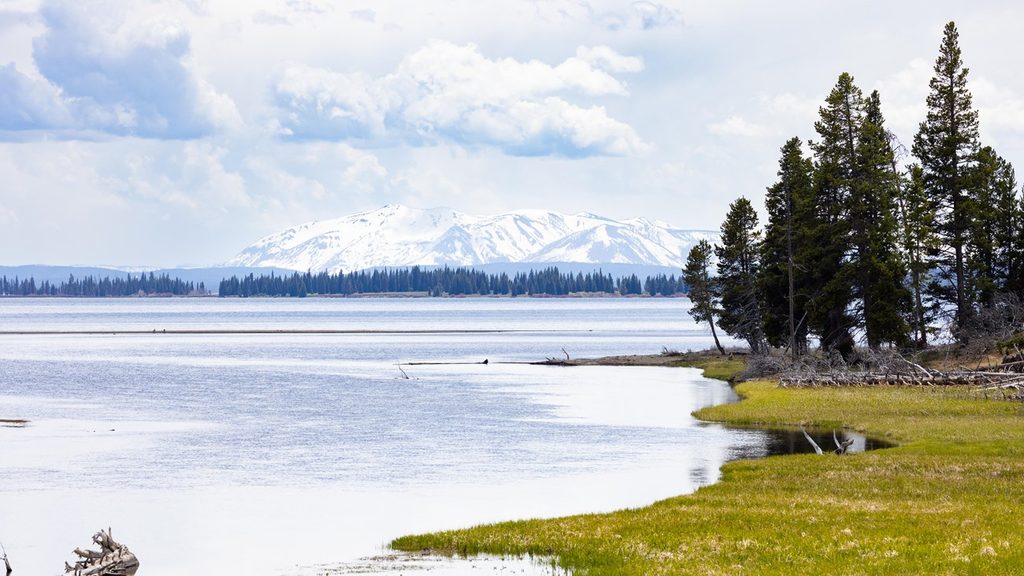
At 7,733 feet, Yellowstone Lake is the largest high‑elevation lake in North America—about 20 miles long by 14 miles wide with 141 miles of shoreline. It freezes solid each winter and typically thaws in late May or early June. Even in summer, the average water temperature hovers around 41°F, so treat the lake as a look‑but‑don’t‑swim destination.
This isn’t just a pretty blue expanse—it sits atop the Yellowstone volcano. The northern half of the lake lies inside the caldera, where a vigorous hydrothermal system bubbles beneath the surface. Mapping has revealed underwater geysers, hot springs, fumaroles, rock spires near Bridge Bay, and even large hydrothermal‑explosion craters (notably around Mary Bay). Some vents reach extreme temperatures, and two “resurgent domes” are slowly rising and falling, subtly tilting the lake over time.
You can rent motorboats, book guided fishing or scenic outings, or hop a lake cruise from Bridge Bay Marina in summer. If you prefer to keep it simple, the Grand Loop and East Entrance roads trace the shore with frequent pull‑offs for leg‑stretches, photos, and impromptu picnics. West Thumb Geyser Basin adds the surreal bonus of lakeside hot springs and geysers on easy boardwalks. For context, the lake drains at Fishing Bridge toward LeHardy’s Rapids just downstream.
The lake historically supported an outstanding population of native Yellowstone cutthroat trout—critical food for many animals—though nonnative lake trout now threaten that fishery. Around the shore and tributaries, expect typical park wildlife and waterfowl; observe from a distance and never feed animals.
Yellowstone Lake is a different flavor of “wow” than the geyser basins: vast horizons, geothermal quirks just out of sight beneath the waves, and a surprisingly wild feel. If you like big‑sky scenes and easy access viewpoints—with the option to get on the water—it’s absolutely worth your time.
Place · 4.1 mi away
Place · 4.4 mi away
Place · 4.8 mi away
Place · 4.9 mi away
Moderate · 6.7 mi away
Easy · 6.7 mi away
Moderate · 6.7 mi away
Easy · 6.9 mi away

Parkwolf Tour Guide
