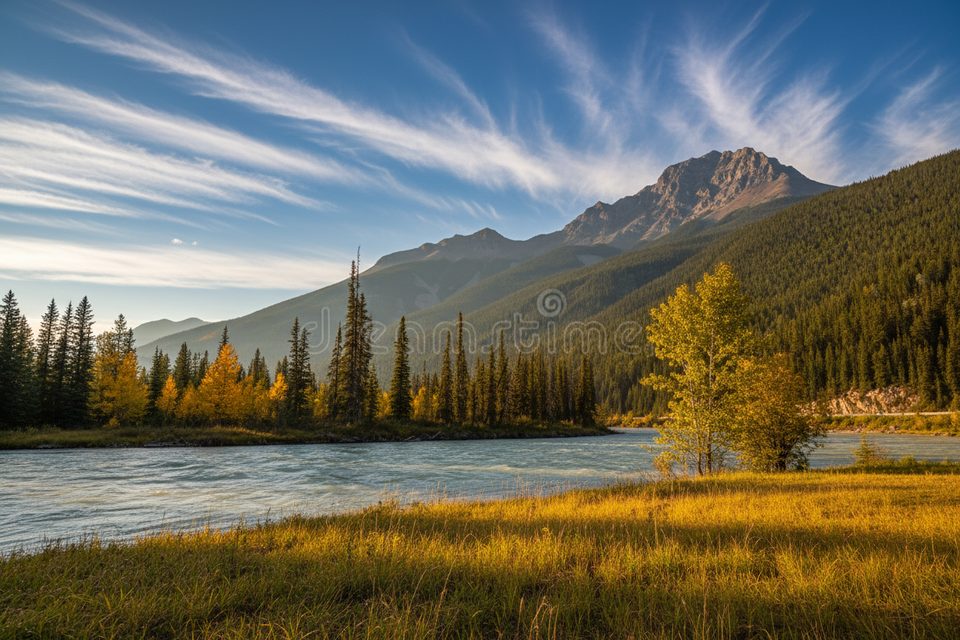
Kicking Horse River

Turquoise, glacier-fed river with epic rapids and easy roadside views
Kicking Horse River, Yoho National Park
InsideYoho National Park

Overview

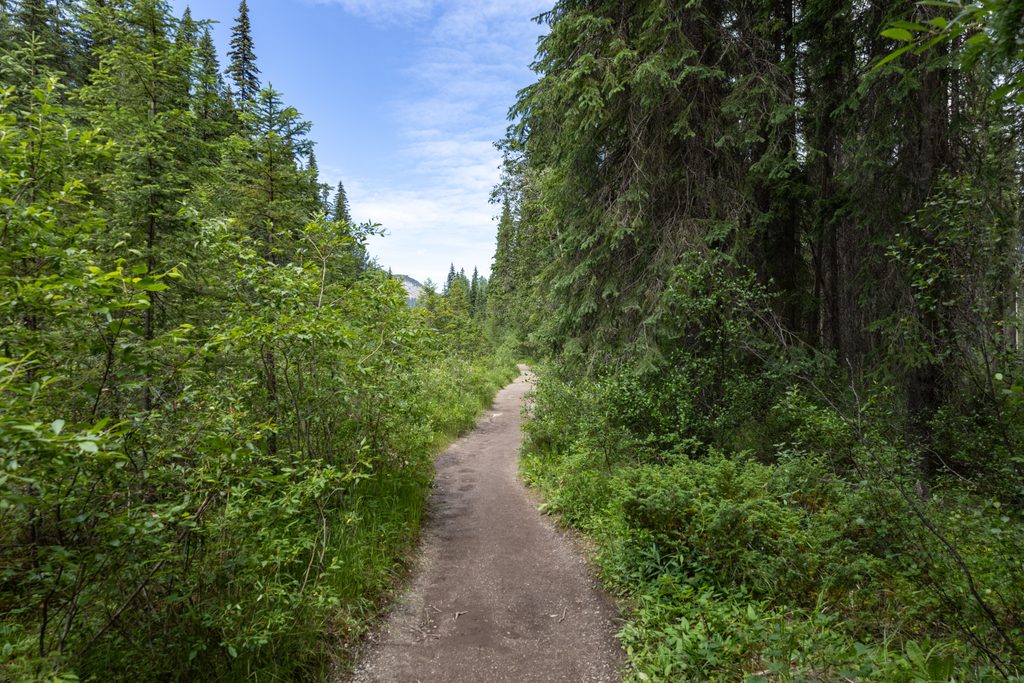
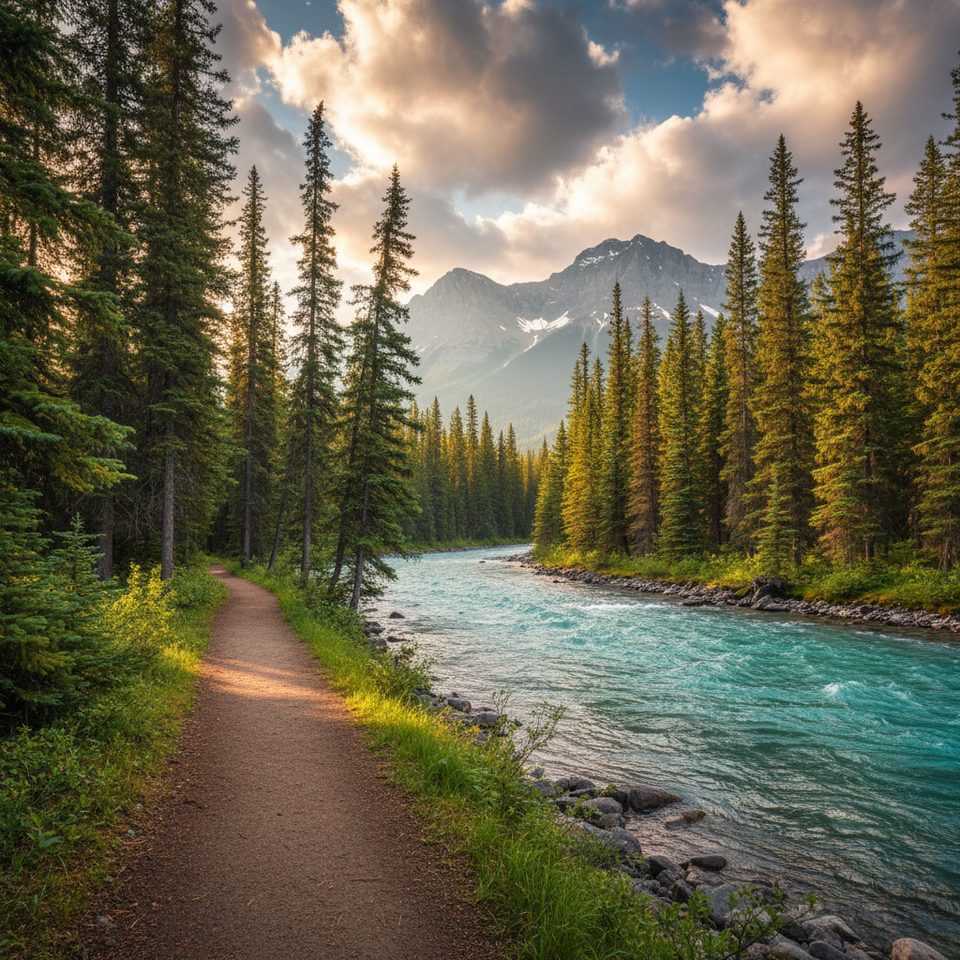
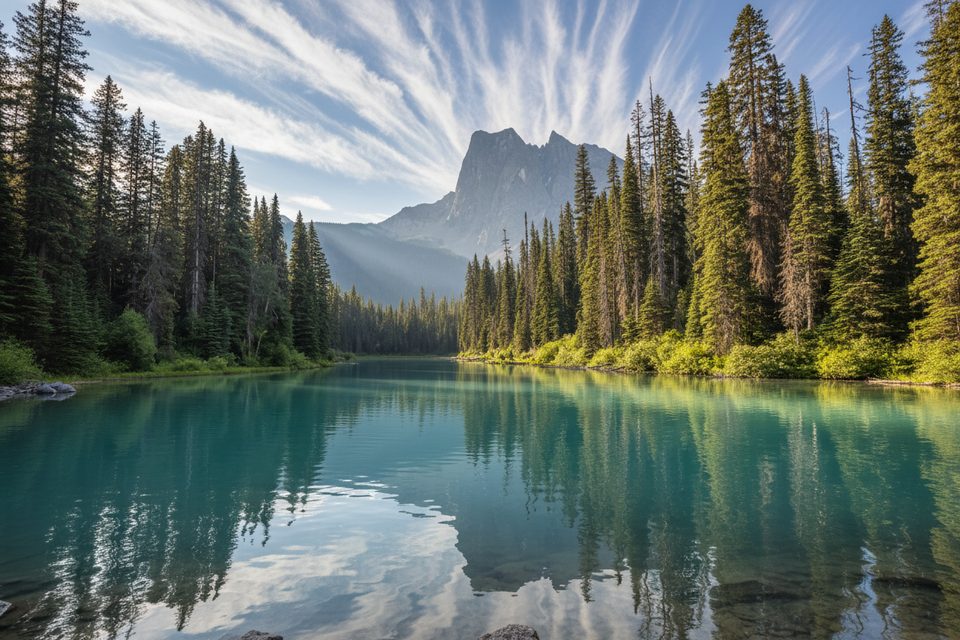
Kicking Horse River is Yoho’s wild, glacial heartbeat—powerful, loud, and intensely turquoise. It tumbles out of the Wapta Icefield, slices through canyons, and barrels past big-mountain scenery before exiting the park toward Golden. Designated a Canadian Heritage River, it’s as photogenic as it is adventurous.

What You’ll See

  • Vivid, silt-rich water that shifts hue with the melt season.
  • Big-mountain vistas (think Cathedral Mountain and friends) framing the river corridor.
  • A dramatic confluence with the Yoho River where two colors visibly mingle.
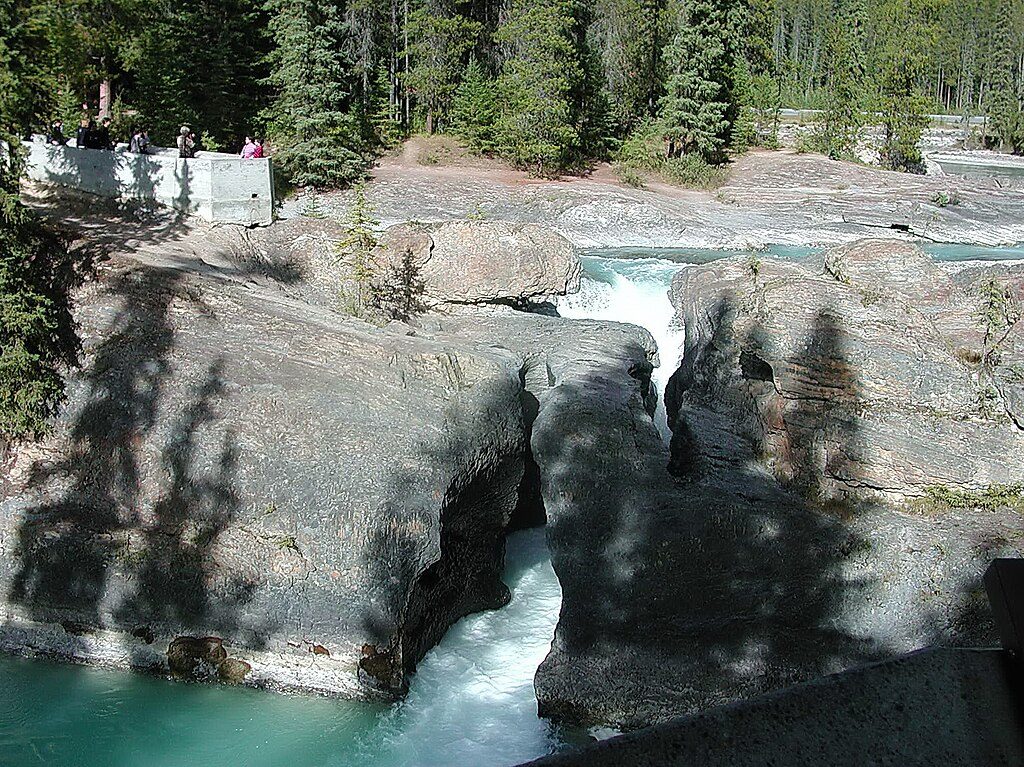
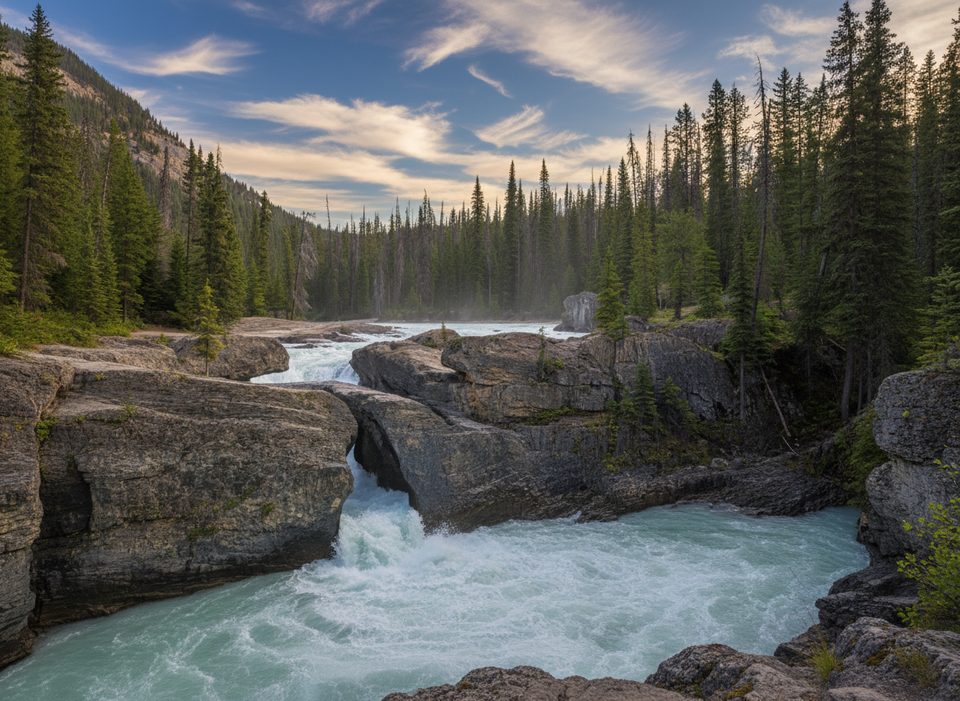
  • Water-shaped rock features, including the famous Natural Bridge.

Notable Stops

  • Natural Bridge: A classic quick-stop viewpoint over a water-carved span of limestone—great for photos and watching the river’s force.
  • Wapta Falls: A broad, thundering curtain roughly 30 m high and 150 m wide, reached by a short trail from a signed side road.
  • Roadside pullouts: Scattered along Hwy 1 for fast views of the river’s braids and boulder gardens.

On the Water

This is whitewater central. Sections range from family-friendly rafting to punchy Class IV, with a serious Class V stretch downstream. Commercial outfitters typically steer guests to the appropriate sections and generally avoid the Middle Canyon (hardcore paddlers only). A commonly used take-out is the Kicking Horse Rest Area—miss it and you’re quickly into Class V territory.

History & Geology

Named in 1858 when Dr. James Hector was famously kicked by his horse during the Palliser Expedition, the river now carries Heritage River status for its natural and cultural significance. The limestone Natural Bridge is a living demo of water at work, and the valley exposes a deep geologic story shaped by ancient seas, mountain building, and glaciation.

Wildlife

The corridor supports elk, deer, black bears, and a variety of birds. Your best odds are at dawn/dusk around quieter trails, campgrounds, and river flats—always keep a respectful distance.

Practicalities & Safety

  • Crowds build at marquee stops in summer—expect busy lots and photo queues.
  • The water is frigid year-round; even short shoreline scrambles can get splashy and slick.
  • If you’re boating, match the section to your skills, book reputable guides, and know your take-outs—especially above the Class V stretch.
  • Services are limited right along the river; nearby Field covers basics.

Best Time to Visit

For mellow roadside viewing and photos, early mornings or shoulder season (spring/fall) beat the crowds. Peak summer brings the most rafting action and the river’s punchiest color and flow. Plan extra time on busy afternoons at Natural Bridge and Wapta Falls.

Pros

  • Turquoise, glacier-fed water with canyon and waterfall views
  • Renowned whitewater from family floats to serious Class IV
  • Easy roadside viewpoints and pullouts along Hwy 1

Cons

  • Popular stops like Natural Bridge can be crowded in peak season
  • Cold, fast glacial water and rapidly changing weather
  • Paddling hazards if you miss designated take-outs

Tips

  • Hit Natural Bridge and Wapta Falls early or in shoulder season to skip crowds.
  • If rafting, choose sections that match your comfort; many operators avoid the Middle Canyon.
  • Know the Kicking Horse Rest Area take-out—Class V begins below.
  • Pack layers and rain gear; weather and spray make it feel colder than expected.
  • Carry bear spray and give wildlife space along quieter river flats and trails.
The Parkwolf tour guide sitting on a phone mounted in a car

Parkwolf Tour Guide

Like a tour guide in your car.

Save the places you found around Yoho, then let Parkwolf guide the drive between them.Download Parkwolf on the App Store