
Place · 0.8 mi away
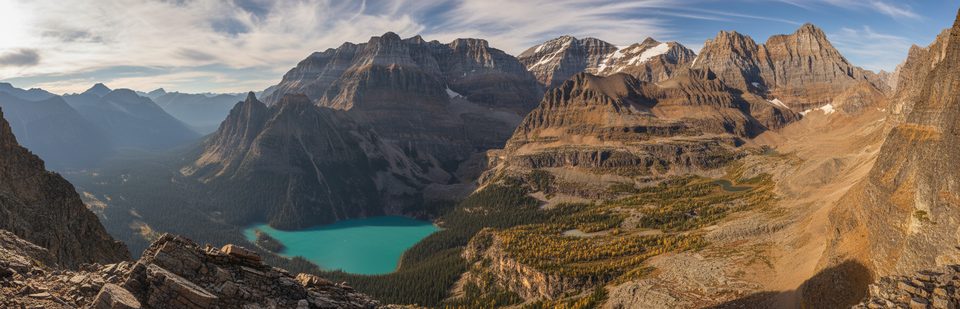
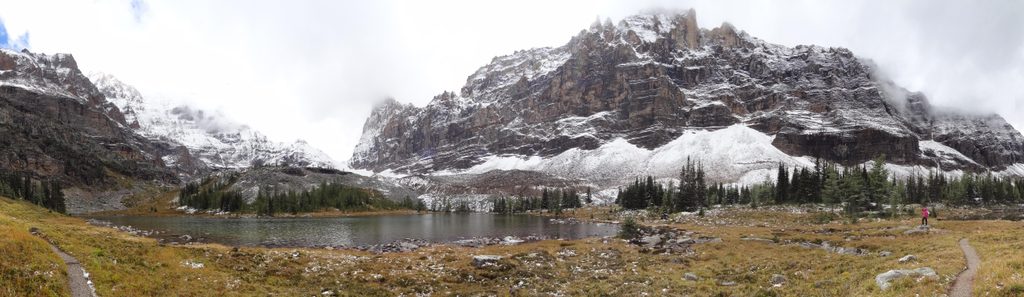
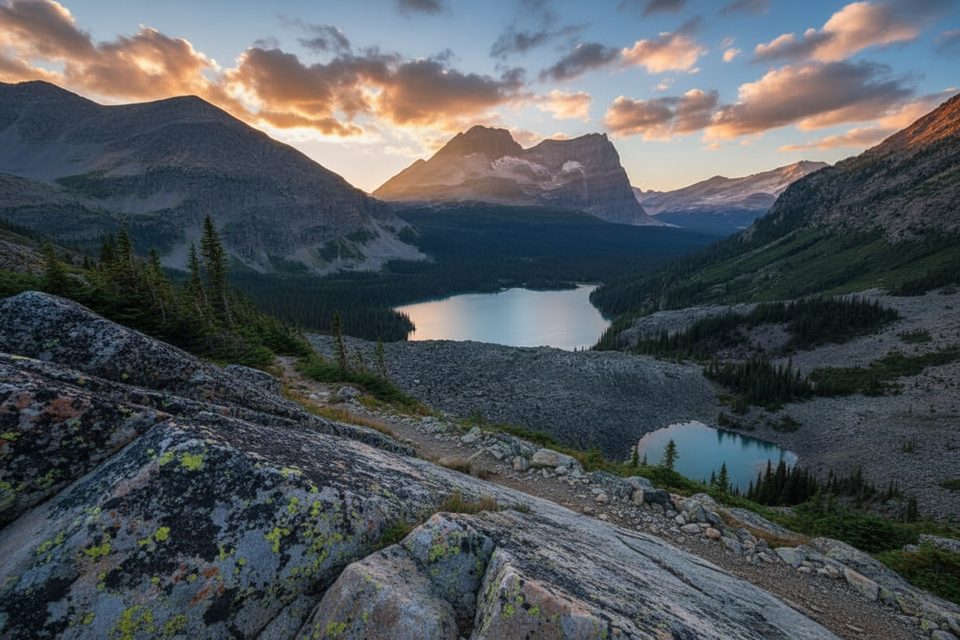
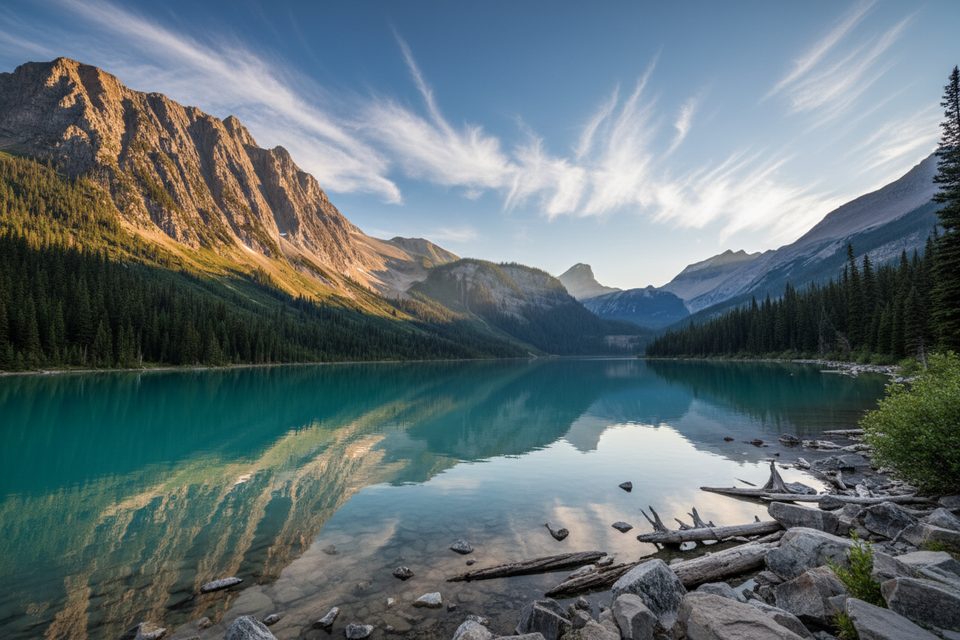
Lake McArthur is a high-alpine stunner tucked between Mount Schaffer and Park Mountain. Think saturated sapphire-blue water set in a stark limestone bowl, far from road noise and day-hiker crowds. It’s a classic O’Hara-area payoff: big scenery, intimate shoreline, and a sense of seclusion once you reach it.
Expect a long, cobalt lake (about 1.5 km) backed by rock walls and lingering snowfields. On calm days, you’ll get mirror reflections; when the wind kicks up, the surface can turn choppy fast. Summer brings bursts of alpine wildflowers on the approach, and fall lights up the larches—photographers love both seasons.
McArthur sits in a karst limestone basin with no visible outlet—the water drains underground through fractures in the rock. Its great depth (about 85 m—the deepest in the park) and clarity drive that signature deep-blue color.
Getting here isn’t casual. The entire Lake O’Hara area is tightly managed to protect its fragile alpine environment, so you’ll need advance reservations for the shuttle or the campground. The McArthur Valley is closed from May 1 to August 15 for grizzly bear protection; after August 15, access remains limited by permit. Plan ahead or pick another objective.
Trails start near the Le Relais Day Shelter in the O’Hara area. You can reach McArthur via two options:
Allow a half day overall; route choice and photo stops will dictate your time.
This corridor is busy with wildlife. Grizzly activity is the reason for those seasonal closures. Keep your eyes and ears open for marmots and pikas in the talus, and the occasional mountain goat on nearby slopes.
None. No restrooms, no picnic tables, no potable water, no services—just a shoreline boulder for lunch. Everything you need, you carry in and out.
Late August through September is prime: closures have eased, crowds thin compared to the O’Hara core, and larches turn. For photography, mornings often bring calmer water and softer light; weekdays are quieter than weekends. Weather can change quickly at this elevation—pack layers even in mid-summer.
Place · 0.8 mi away
Place · 1.1 mi away
Place · 1.2 mi away
Place · 1.3 mi away
Easy · 1.7 mi away
Moderate · 1.7 mi away
Easy · 7.4 mi away
Moderate · 7.5 mi away

Parkwolf Tour Guide
