Place · 1 mi away

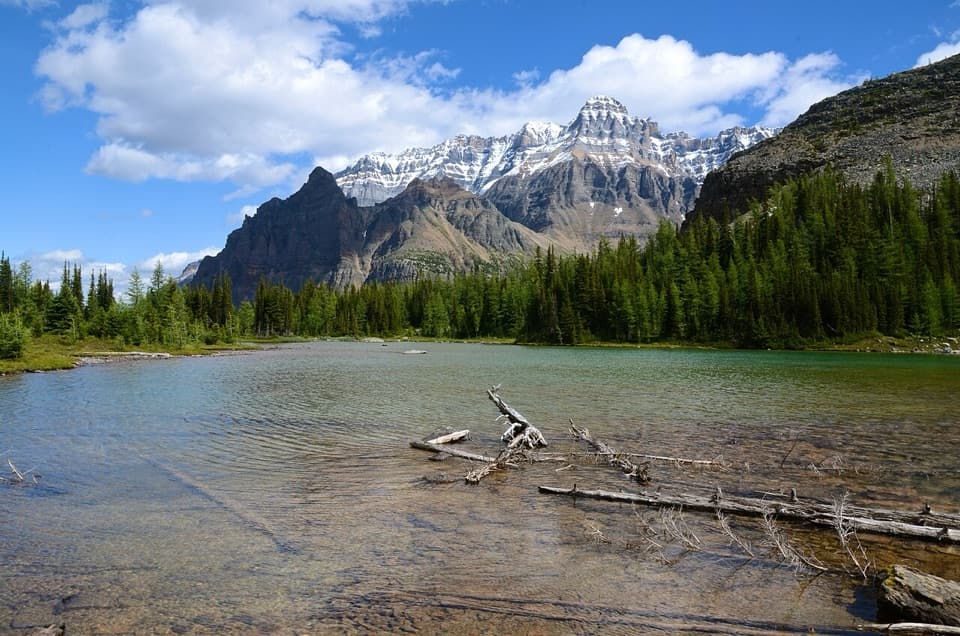
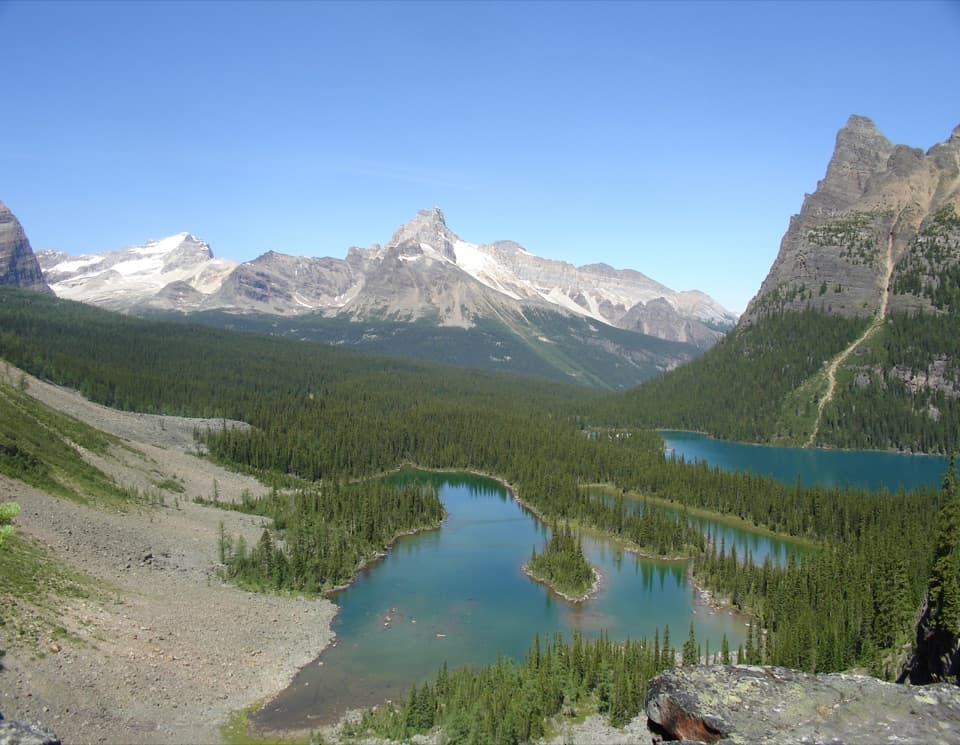
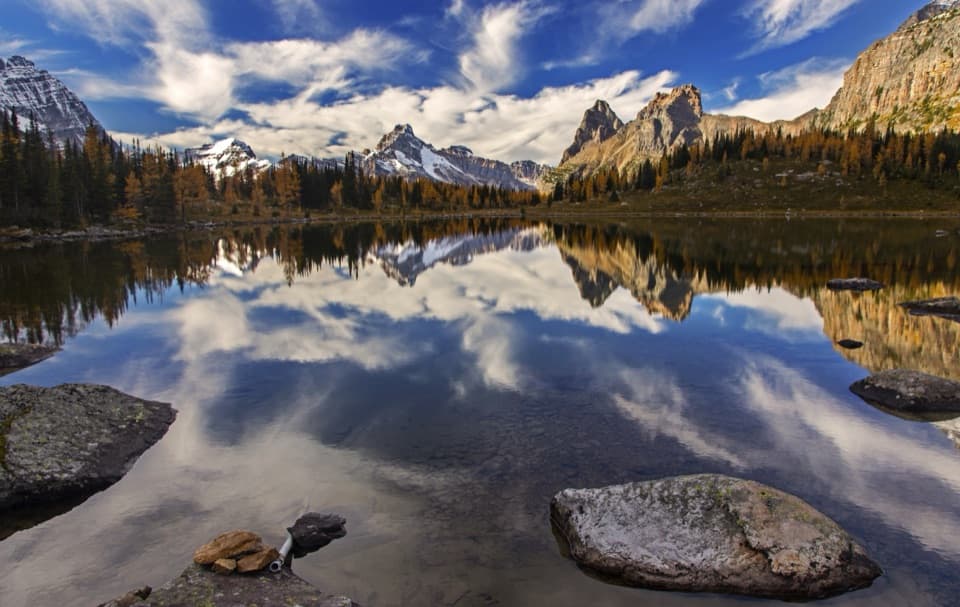
Opabin Lake is the quiet showstopper of the Opabin Plateau—an intimate, glacial-fed bowl set high above Lake O’Hara. The water glows turquoise beneath cliffs and the Opabin Glacier, while the surrounding meadows feel untouched and surprisingly serene given the area’s fame.
All routes begin at Lake O’Hara. Parks Canada limits day-use access, so reserve the Lake O’Hara shuttle well in advance. Without a reservation you’ll add an 11 km (7-mile) walk up the access road just to reach the trail network. From O’Hara’s south shore, ascend the East or West Opabin trails to the plateau; West Opabin is steeper early, but both are scenic and well marked.
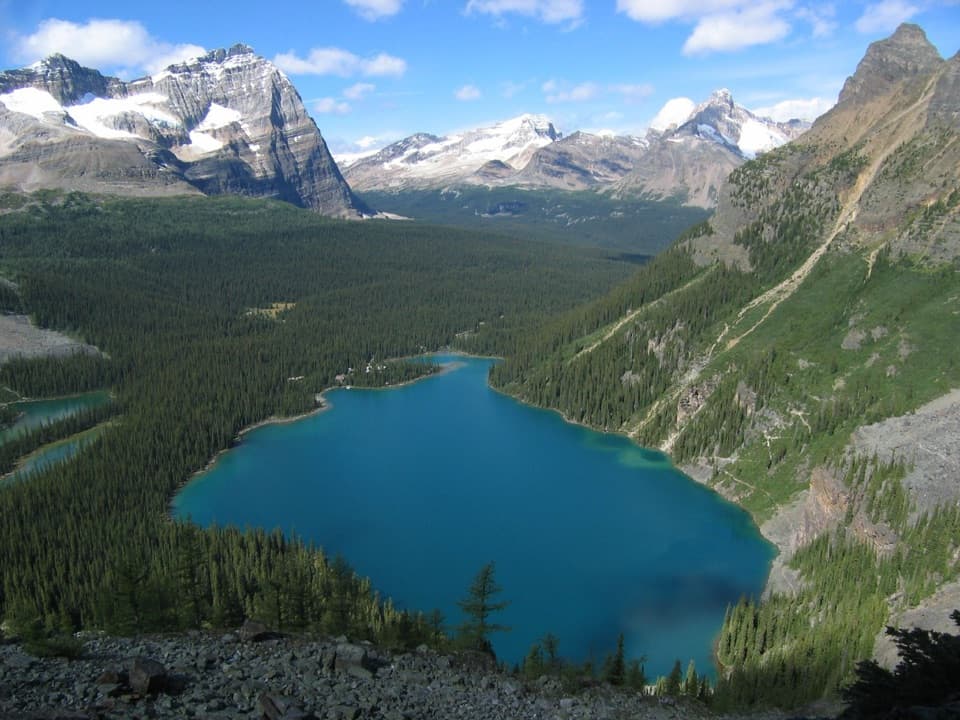
Expect a moderate alpine hike on well-maintained paths with bridges and good signage. The loop across the plateau is a greatest-hits tour: Mary Lake, Hungabee Lake, delicate tarns, and that final reveal at Opabin Lake. Opabin Prospect, not far off the loop, serves up a dramatic look back over Lake O’Hara and the Mary Lakes below.
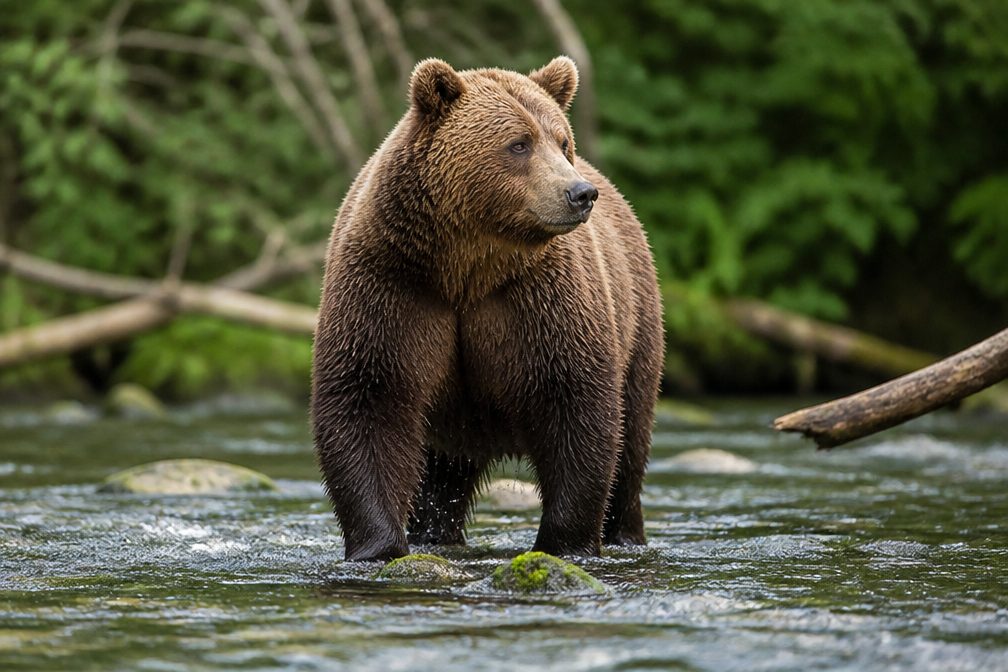
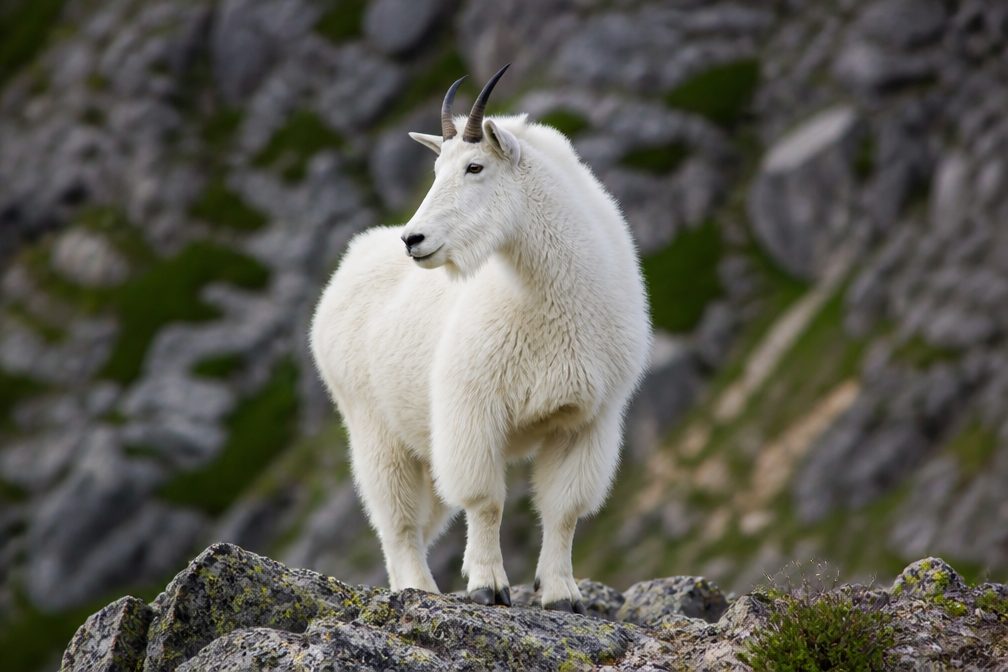
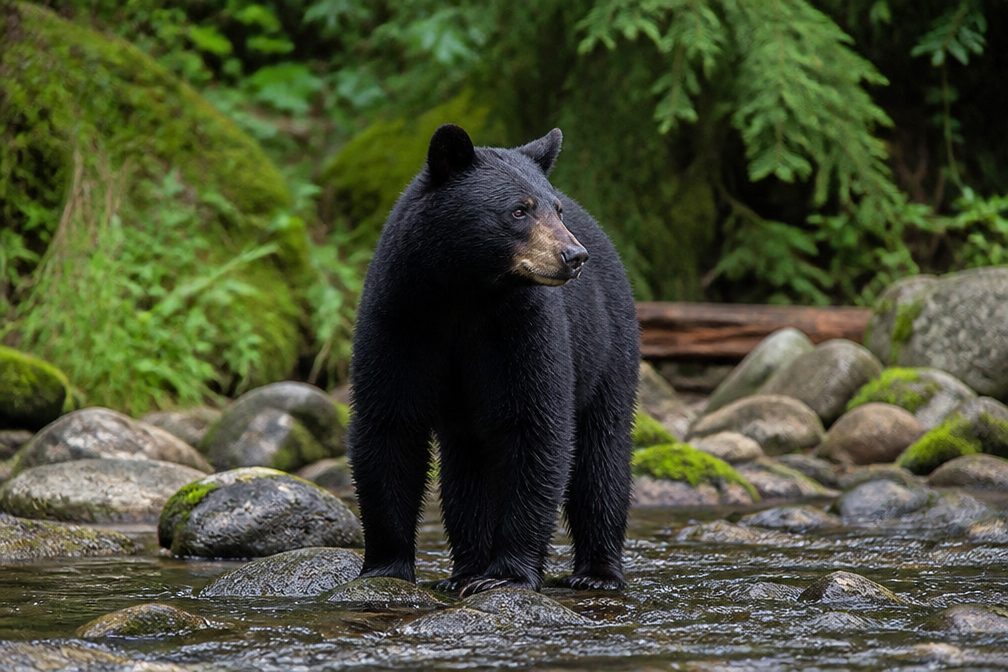
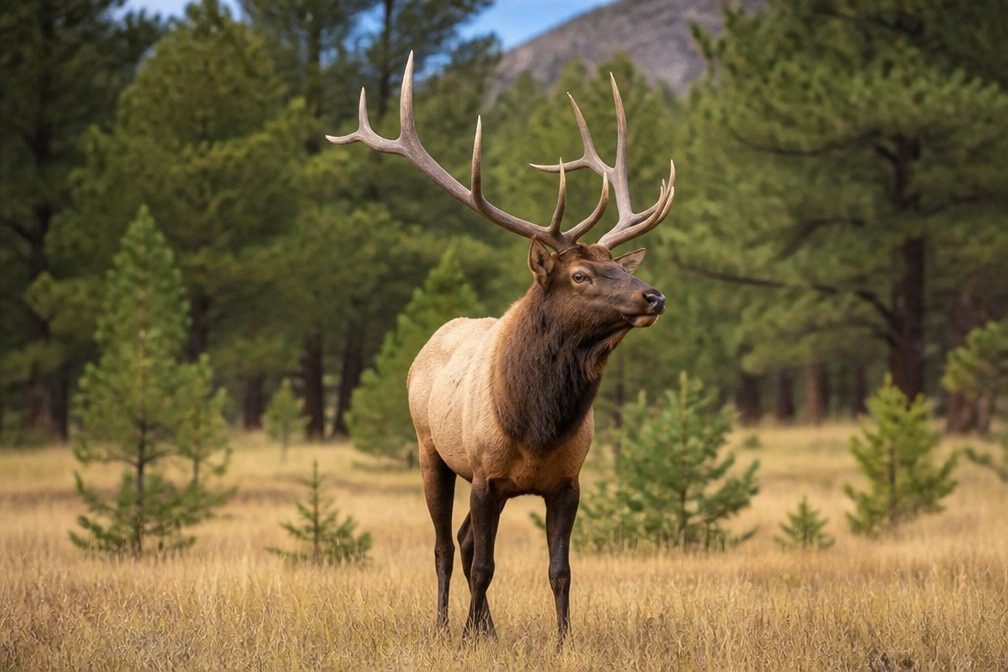
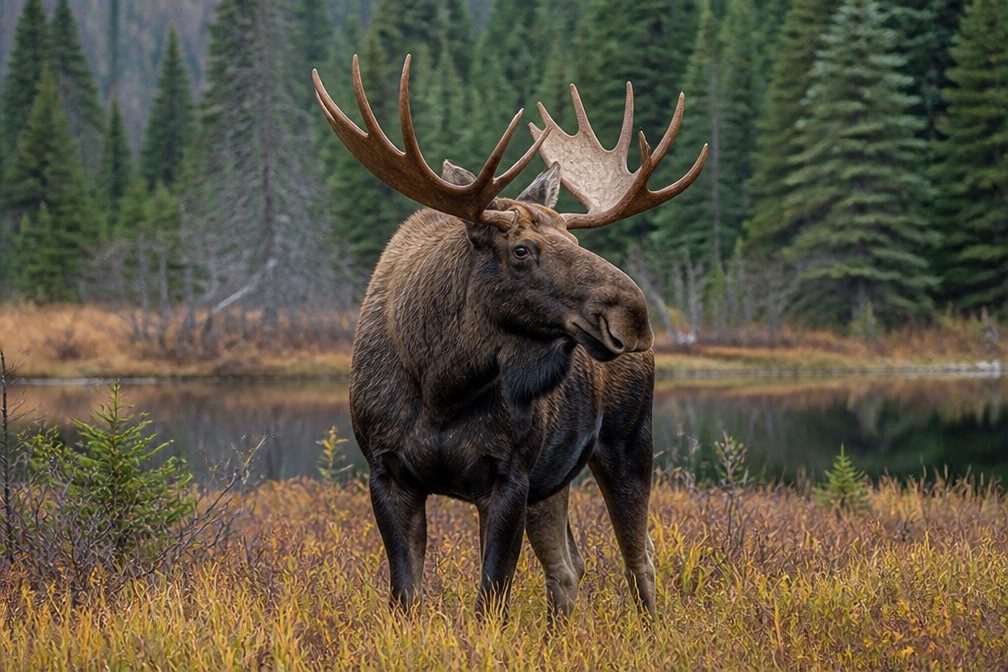
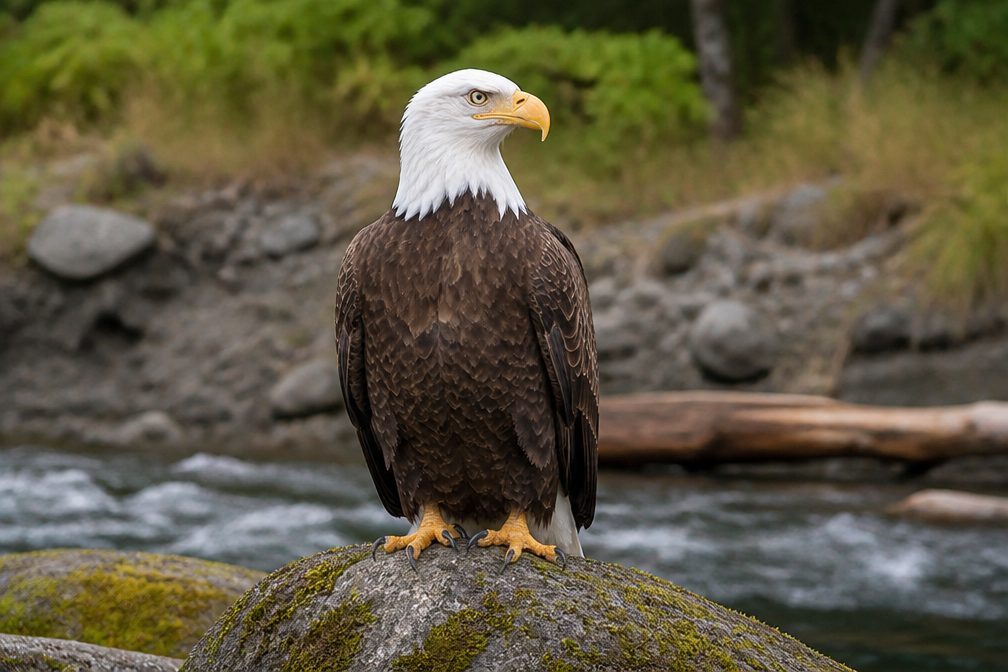
This is active bear country—grizzlies roam the valleys and plateaus in summer. Marmots and pikas are common, and birders may spot Clark’s nutcrackers and alpine songbirds. Carry bear spray and know how to use it.
Snow lingers into early summer and can return abruptly; trails may be muddy or snow-patched early in the season. Autumn brings crisp air and golden larches, which also means busier weekends despite access limits.
Late June through early October, weather permitting. For photography, shoot early morning or late afternoon when the glacier and water color pop and winds are calmer. Larch season (late September) is magic but popular—midweek visits help.
There are no facilities at Opabin Lake. The nearest toilets, potable water, and a small day-use shelter are back at Lake O’Hara. Pack layers for fast-changing alpine weather, bring all food and water you’ll need, and give yourself time to linger—this one rewards slow travel.