
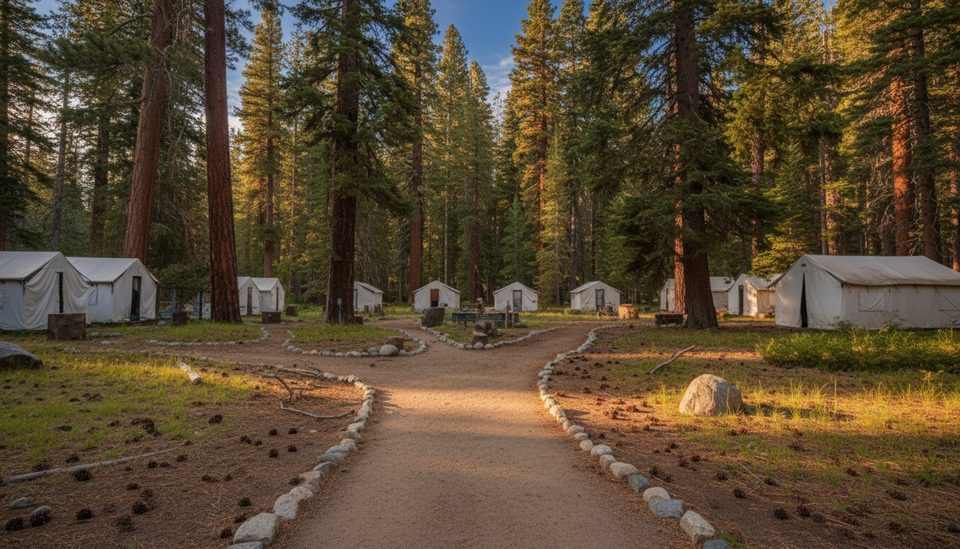
Place · 0.3 mi away
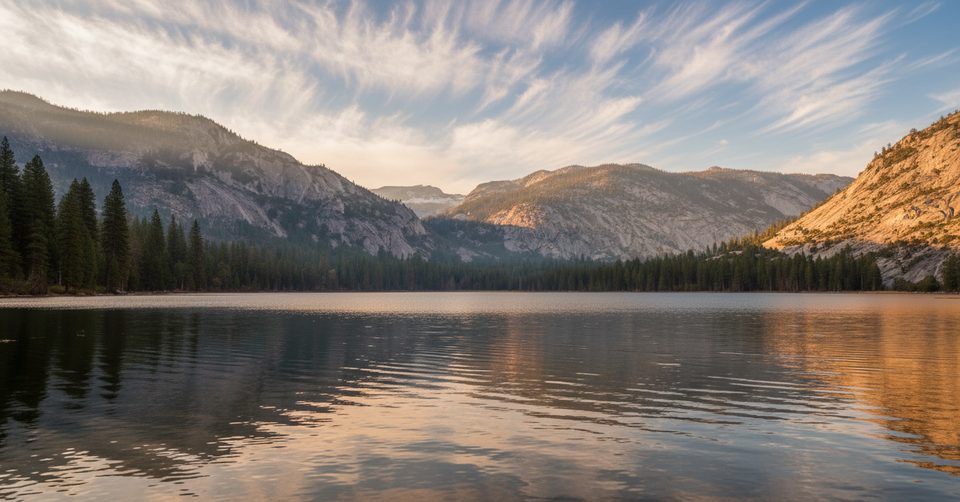
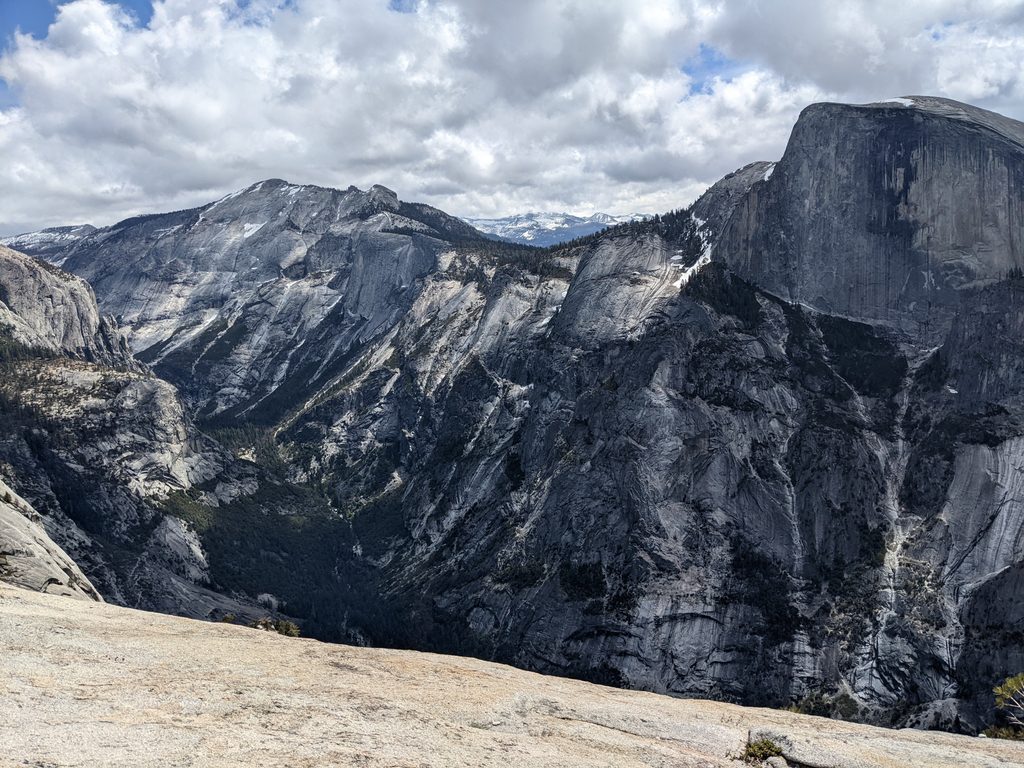
Merced Lake is a remote, granite-framed backcountry lake that rewards strong hikers with quiet shoreline camps and classic High Sierra scenery. It sits upstream of Little Yosemite Valley, tucked along the Merced River’s long ribbon of cascades, meadows, and polished domes. If you like long miles with big payoffs and fewer people than the Valley, this is your kind of spot.
Common approaches trace the Merced River canyon via the Mist/John Muir Trail from Happy Isles or come in from the High Country (Glacier Point when open, or routes via Vogelsang/Cathedral Lakes). Many backpackers stage in Little Yosemite Valley and dayhike to the lake, or fold it into a multi-day loop that strings together Vernal and Nevada Falls with wide-open granite views.
Expect a little of everything: steep, misty stair-climbs near the Valley, mellow meadows, and stretches of sun-baked granite. Early season has brought flooding, downed trees, erosion, and tricky route-finding in low-lying sections like Lost Valley below Bunnell Point, while the JMT approach tends to be in better shape but can still have deadfall and overgrowth. Plan for water crossings when snowmelt is high and always treat your water.
Spring and early summer mean roaring waterfalls, cold swift water, and soggy meadows; it’s beautiful but demanding. Mid–late summer eases the crossings but often unleashes the bugs—mosquitoes around Merced Lake and nearby meadows can be brutal, so bring head nets and repellent. By late summer into early fall, flows drop, crossings simplify, and the bugs taper off.
Overnight trips require a wilderness permit. Reservations open up to 24 weeks ahead (with a portion released closer to the date) and carry per-reservation and per-person fees. Permits must be picked up at a permit station before you head out, and you’ll need to store all food properly in approved bear-resistant containers. There’s a High Sierra Camp near the lake that has operated in some seasons; recent reports noted closures of camp facilities—verify current status and be prepared for fully primitive conditions.
You’re in prime Sierra habitat—expect black bears, deer, and a lively bird scene in the riparian meadows. Store food properly, give wildlife space, and be cautious around swift water and wet granite. Heat can be punishing in burned or exposed sections, so start early and carry enough water.
Place · 0.3 mi away
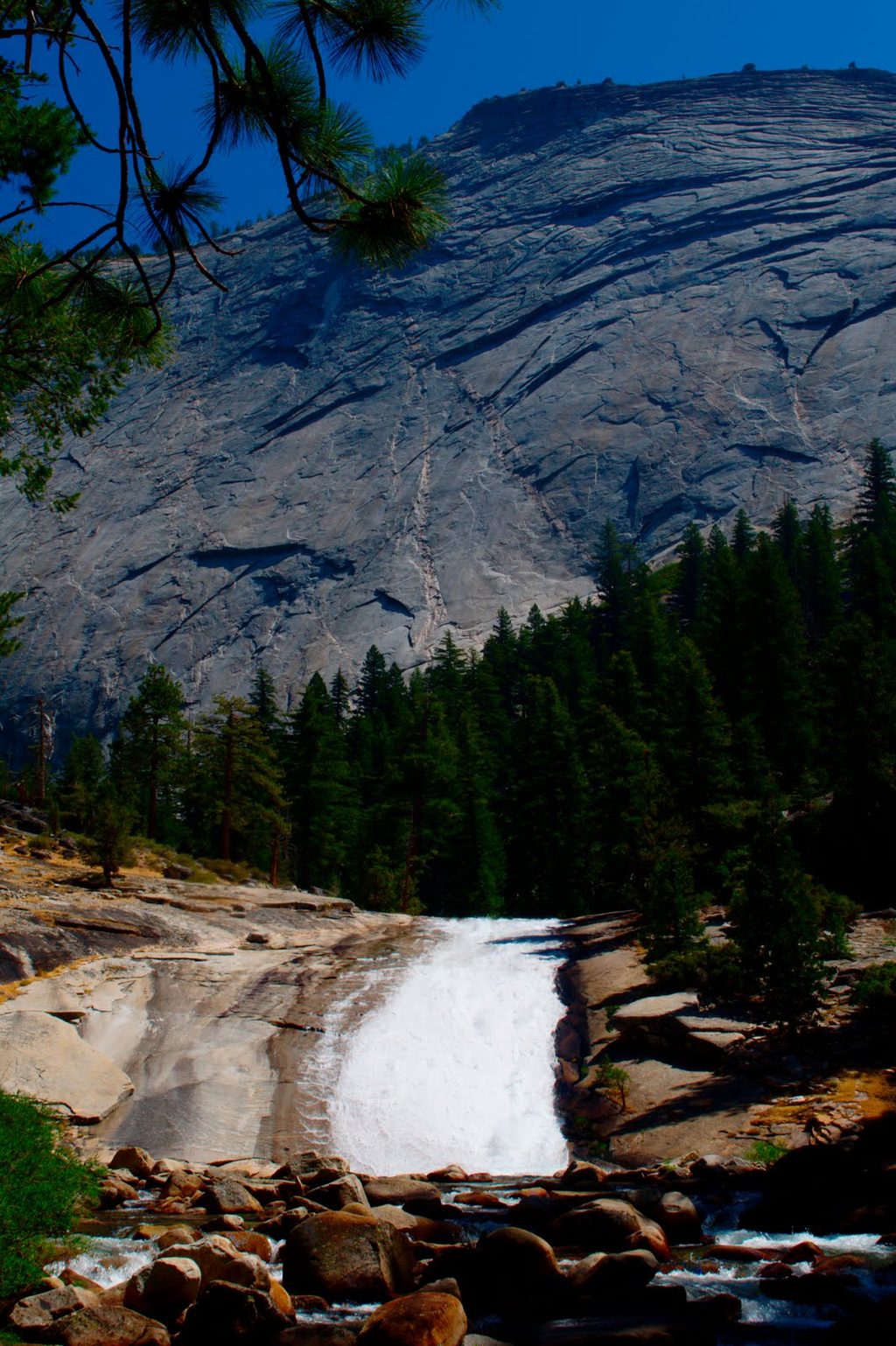
Place · 3.3 mi away
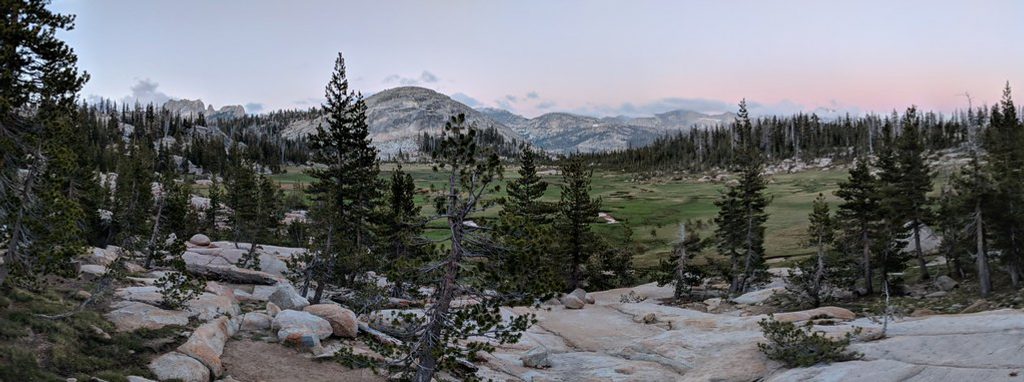
Place · 4.1 mi away
Place · 4.6 mi away
Challenging · 4.2 mi away
Easy · 6.4 mi away
Challenging · 6.8 mi away
Challenging · 7 mi away

Parkwolf Tour Guide
