
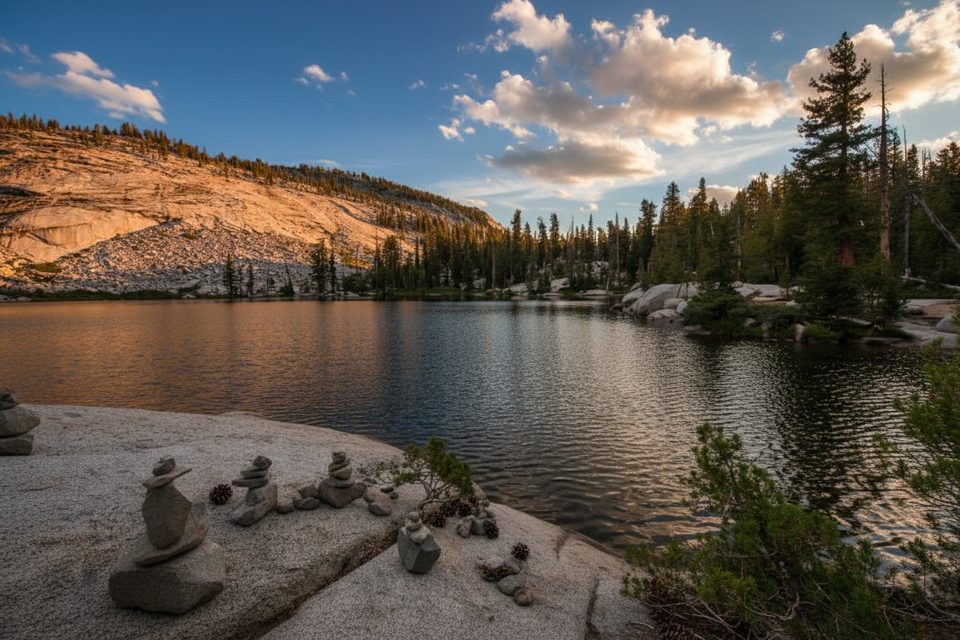
Place · 1.3 mi away
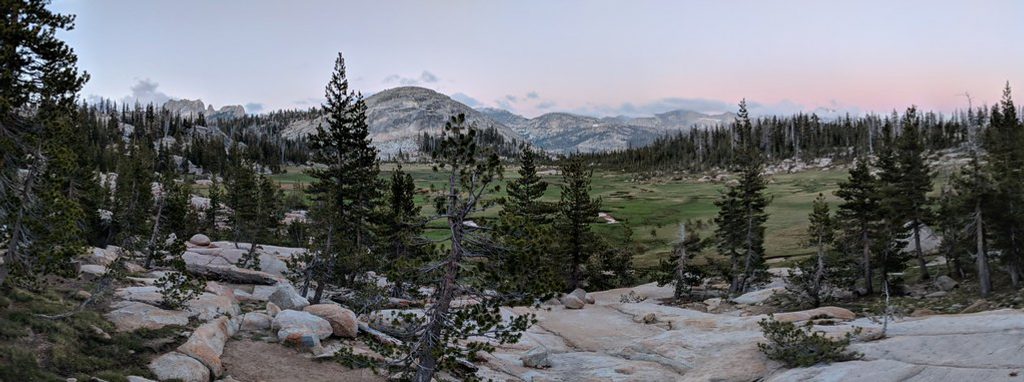
Perched around 9,350 feet by broad alpine meadows and granite knobs, Sunrise High Sierra Camp is the quintessential backcountry stay—simple tent cabins, big sky, and those namesake sunrises. It sits right on the John Muir Trail near Sunrise Peak, with sweeping views toward the Cathedral Range.
Both approaches are beautiful and strenuous; the Tenaya route is shorter but steeper.
There are nine tent cabins (capacity ~34). Bunks are provided—bring your own sleeping bag/linens. Breakfast and dinner are served family‑style, and there are composting/ vault toilets plus simple wash basins; showers may operate when water supply allows. Expect no cell service. Bear boxes are available. Space is limited and typically awarded via a winter lottery; sample rates have been listed around $159 per person per night for cabins and ~$80 per person for meals‑only (subject to change). Backpackers with wilderness permits can camp in designated nearby areas, and leftover meals have occasionally been available for purchase—never guaranteed.
Sunrise (and the rest of the High Sierra Camps) is not operating in 2025 due to potable water and toilet utility issues. No lodging, showers, or meal service this season. Wilderness camping nearby is still possible with the proper permit.
Sunrise excels at…sunrise. The meadow glow and cathedral of granite around camp make dawn and dusk feel extra‑wide‑angle. It’s also a strategic stop for bigger days to Clouds Rest, the Sunrise Lakes basin, or the Cathedral Lakes area.
Late summer can mean scarce natural water near camp—carry good capacity and a reliable filter. Summer days can reach the 80s, with nights near freezing. Expect classic Sierra afternoon thunderstorms; start early. Mosquitoes can be fierce in season—bring repellent and be ready to cover up. Trails and junctions here can feel confusing without signage; carry an offline map.
Coyotes are commonly heard (and occasionally seen) around the meadows, and typical High Sierra wildlife is present. Store all food properly and follow Leave No Trace.
Day hiking requires no wilderness permit. Overnight backpacking in the area does require a Yosemite wilderness permit, and proper bear‑proof food storage is mandatory.
Place · 1.3 mi away
Place · 1.3 mi away
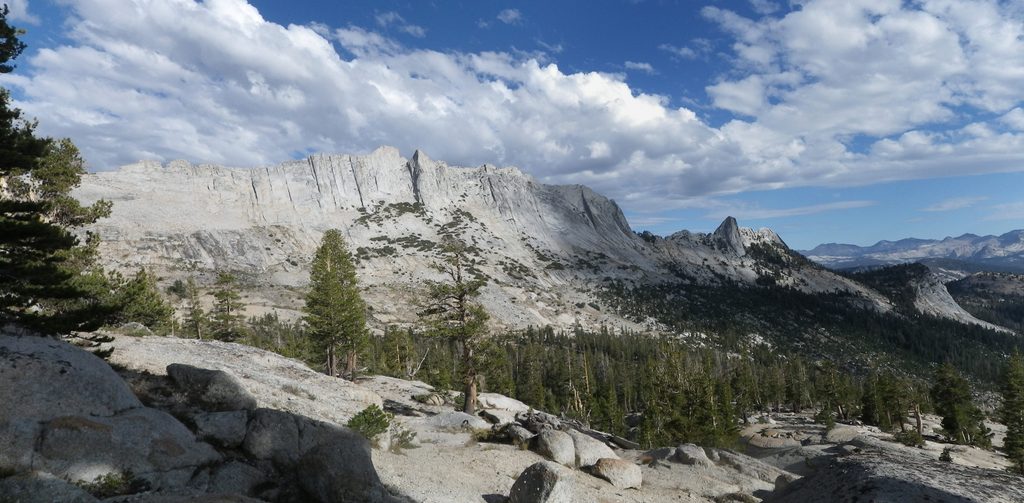
Place · 2.8 mi away
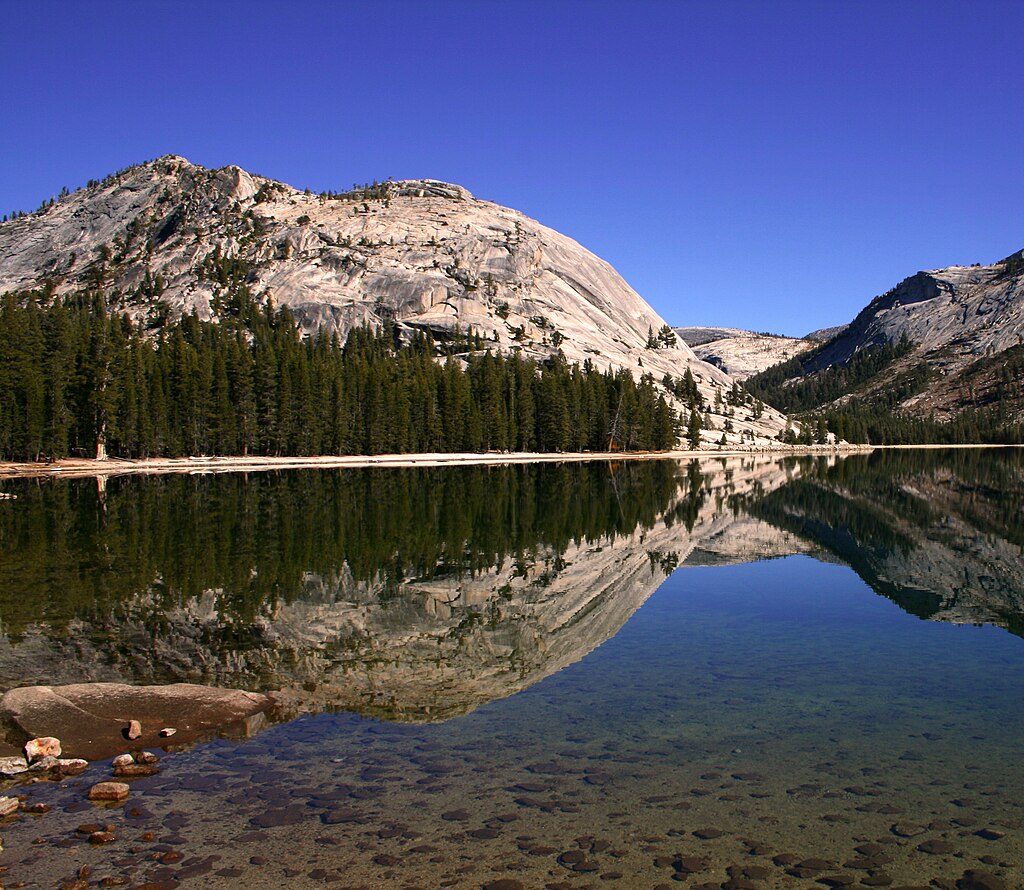
Place · 3 mi away
Challenging · 2 mi away
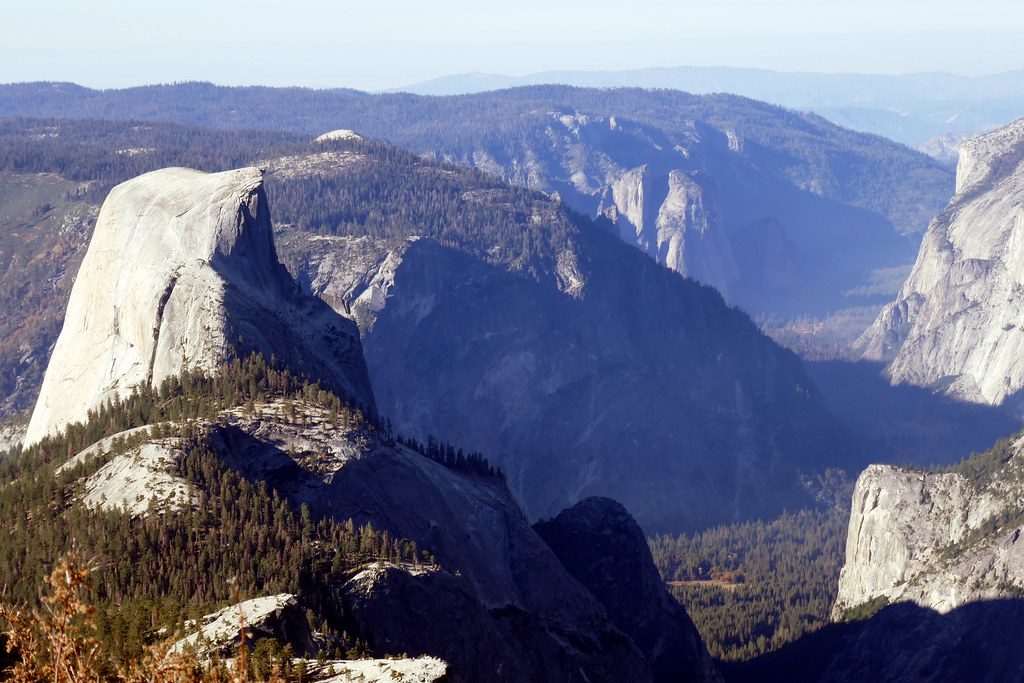
Challenging · 2.9 mi away
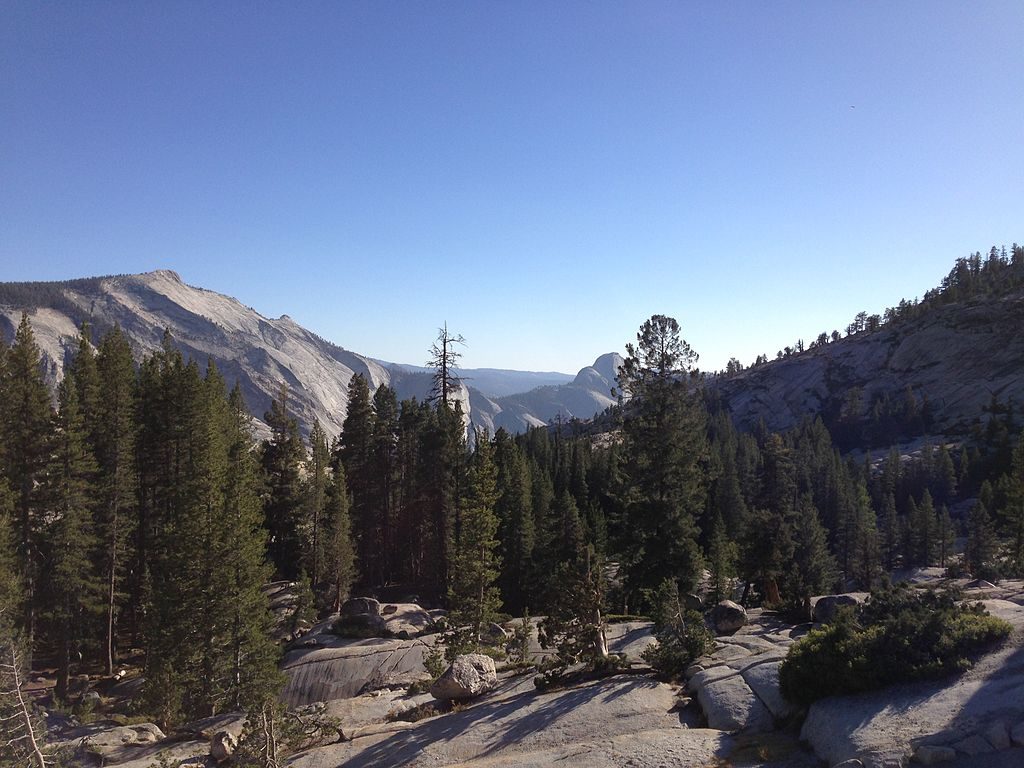
Easy · 3.1 mi away
Easy · 3.1 mi away

Parkwolf Tour Guide
