
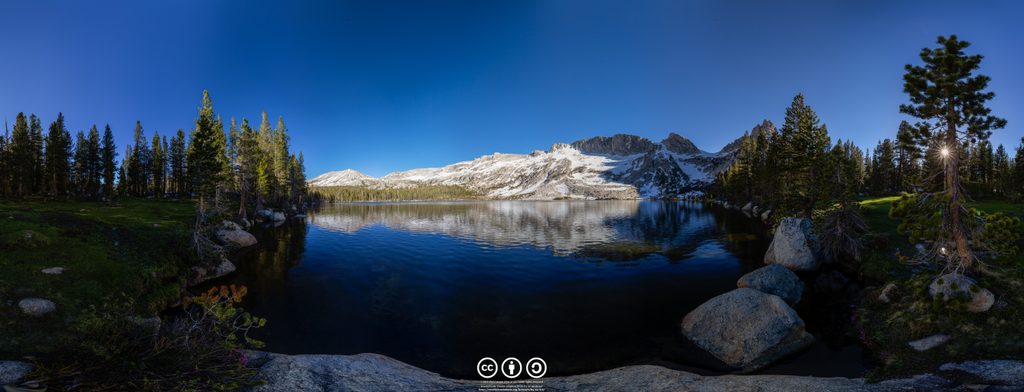
Place · 0 mi away
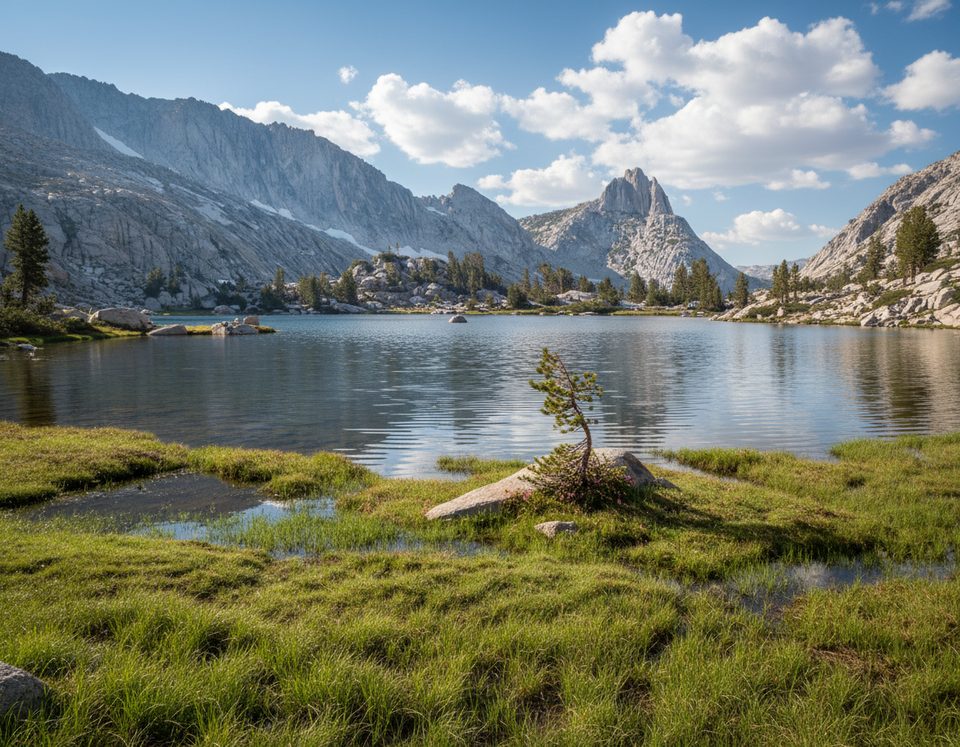
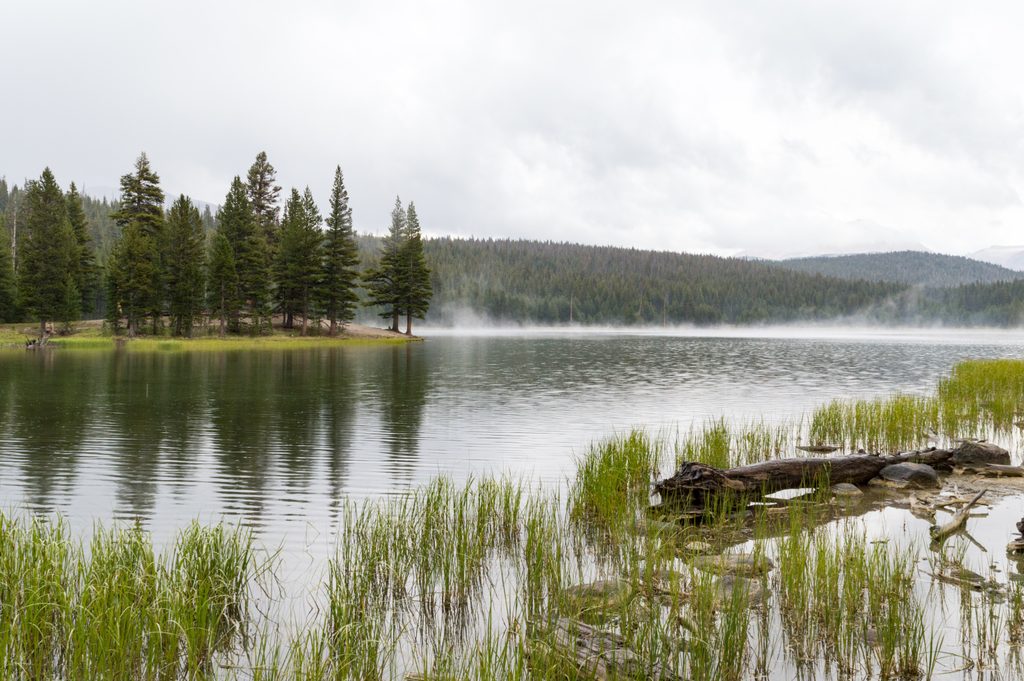
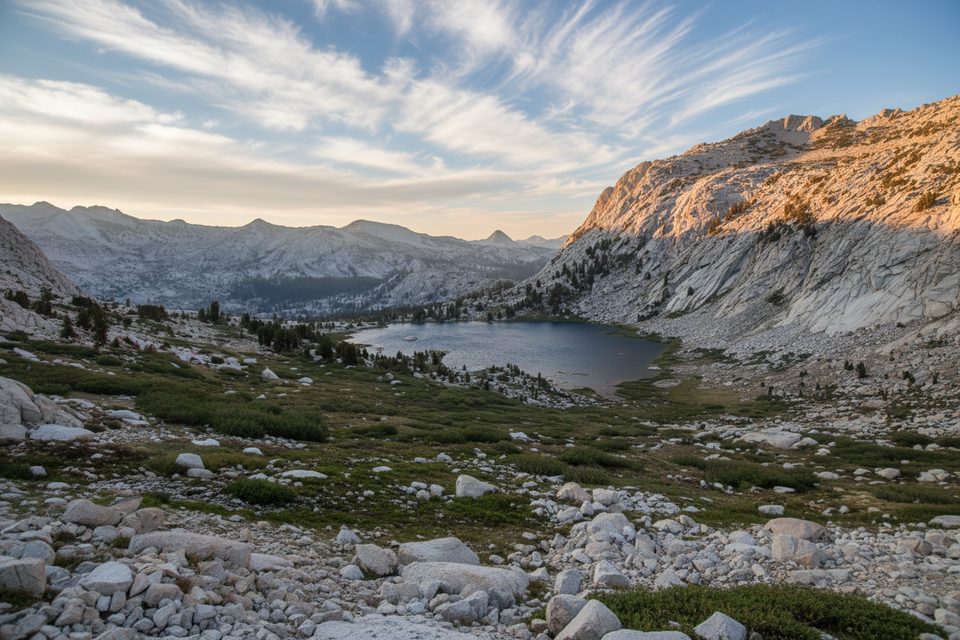
Upper Young Lake is the highest and most secluded of the Young Lakes trio, tucked into a glacial cirque of polished granite beneath high-country peaks. You get that classic Sierra mix of open subalpine forest, bright meadows, and a mirror-still lake framed by rock—without the usual Yosemite crowds. It’s a fantastic reward if you’re willing to go beyond the signed trail to the lower and middle lakes.
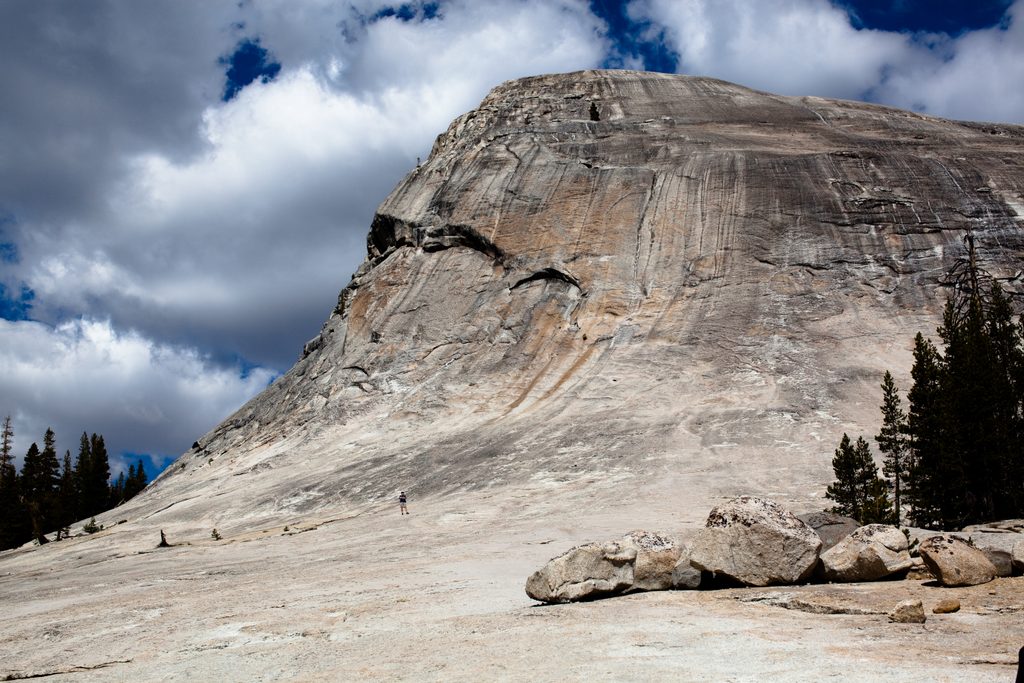
Most hikers start near Lembert Dome in Tuolumne Meadows and follow the signed trail toward Lower and Middle Young Lakes. From Middle, an unmaintained use-trail continues to Upper, generally following the creek and small waterfalls. Expect a short, steeper push with bits of rock-hopping; cairns help, and staying left of the creek on the final climb is common. A downloadable map and trekking poles make this last section much easier.
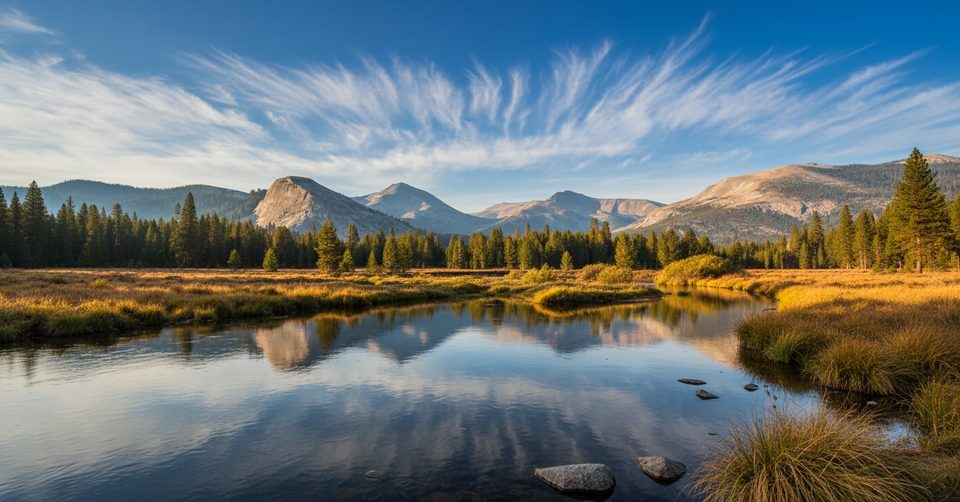
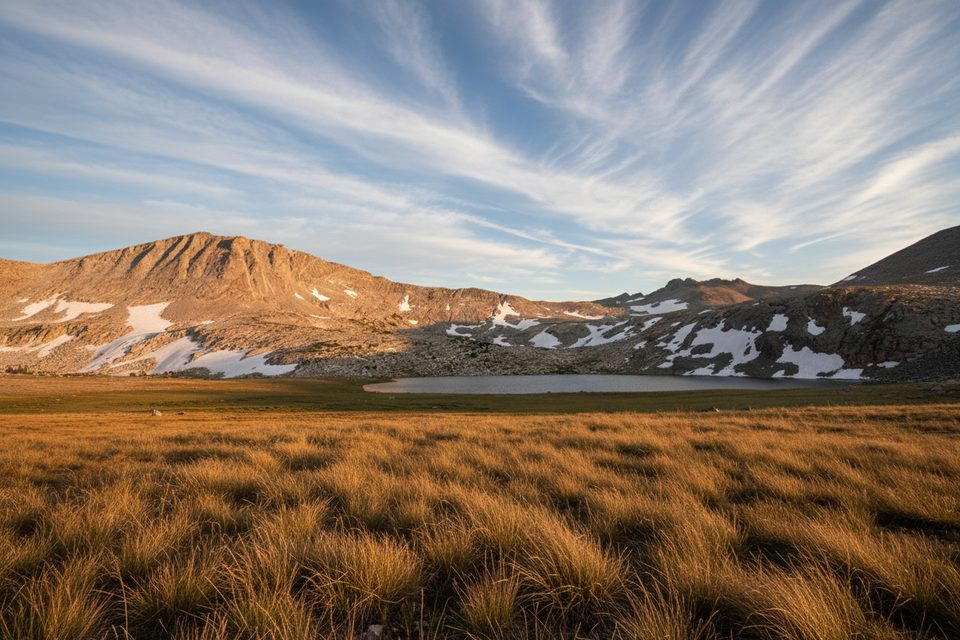
Upper feels wilder than the other two: fewer tents, bigger skies, and that amphitheater-of-granite vibe that makes sunsets pop thanks to the alignment of surrounding peaks. On calm mornings and evenings, the reflections are superb for photos.
Tioga Road access means this area is typically a June–October destination, depending on snow. Early season can bring lingering snow and high, cold creeks; late summer often delivers the smoothest travel. Mosquitoes can be fierce in early to mid-summer—especially up at Upper—usually easing by late August, though it varies by year. Afternoon winds or storms can roll through; start early and keep an eye on the forecast.
Overnight trips require a wilderness permit. Bear-resistant canisters are mandatory for all food and scented items, and there are no toilets at the lakes—plan your backcountry bathroom routine and follow Leave No Trace. Because the area sits above 9,600 feet, campfires are prohibited; bring a stove for cooking. Camp well away from the water and out of sight of the trail to keep the basin feeling wild.
Brook trout are common in all three lakes, and patient anglers do well during the evening rise. Black bears roam the high country even this far from the road, another reason to use canisters and keep a clean camp. Always filter or treat water from creeks and lakes.
Place · 0 mi away
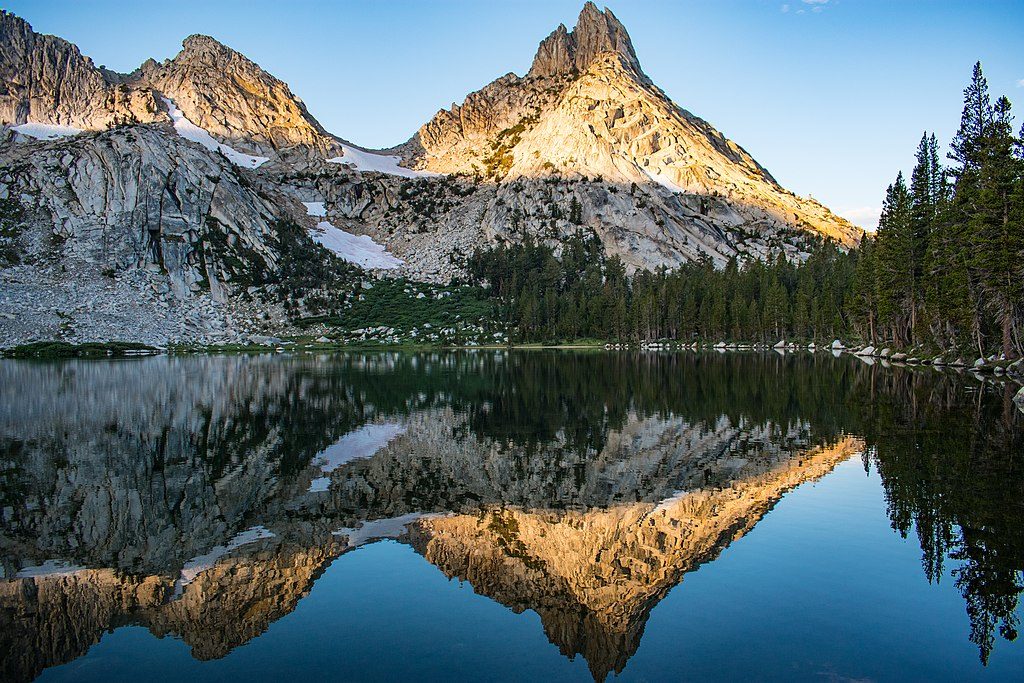
Place · 0.8 mi away
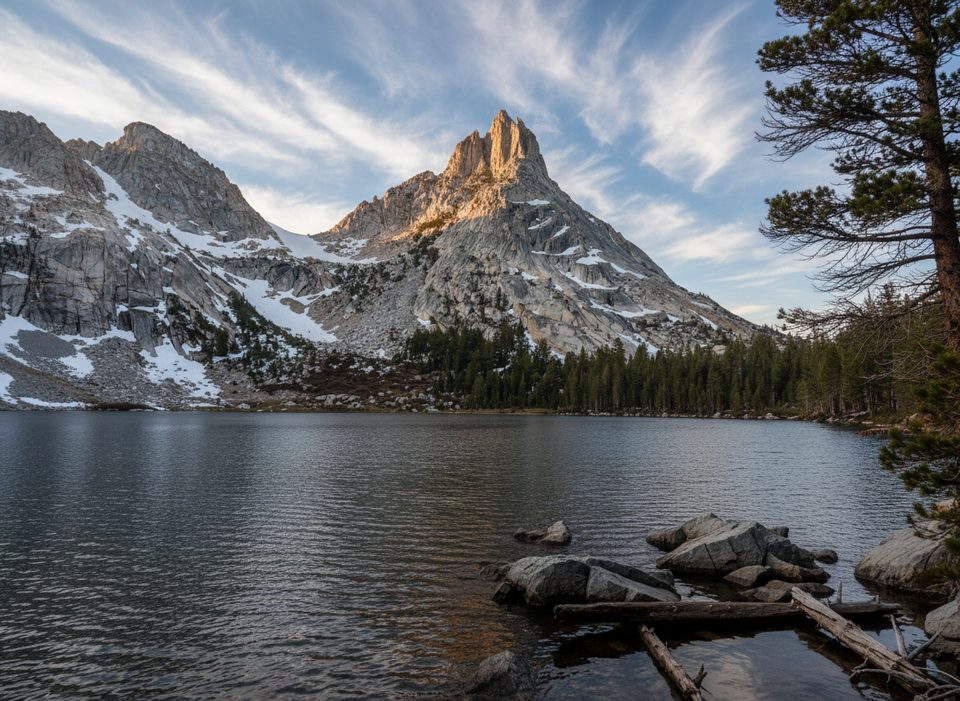
Place · 2.3 mi away
Place · 3.2 mi away
Challenging · 4.1 mi away
Moderate · 4.1 mi away
Challenging · 4.1 mi away
Moderate · 4.2 mi away

Parkwolf Tour Guide
