
Place · 0.3 mi away
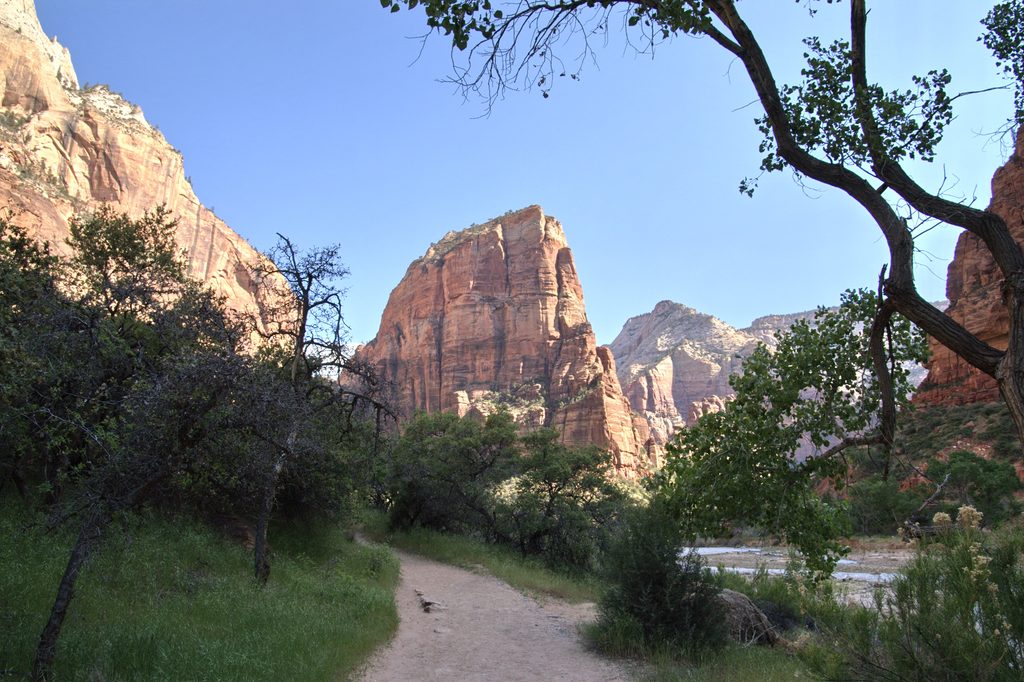
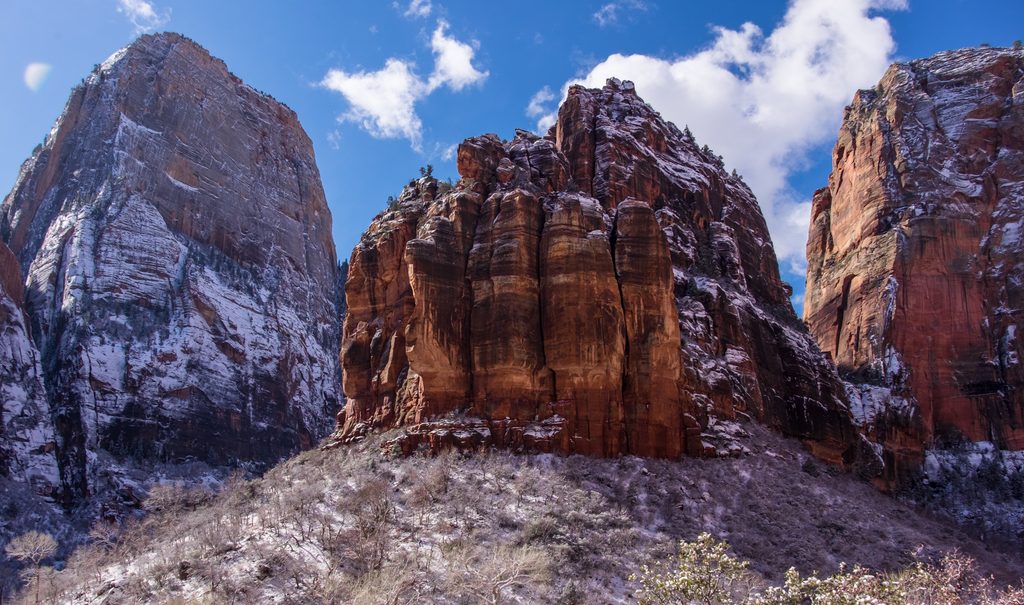
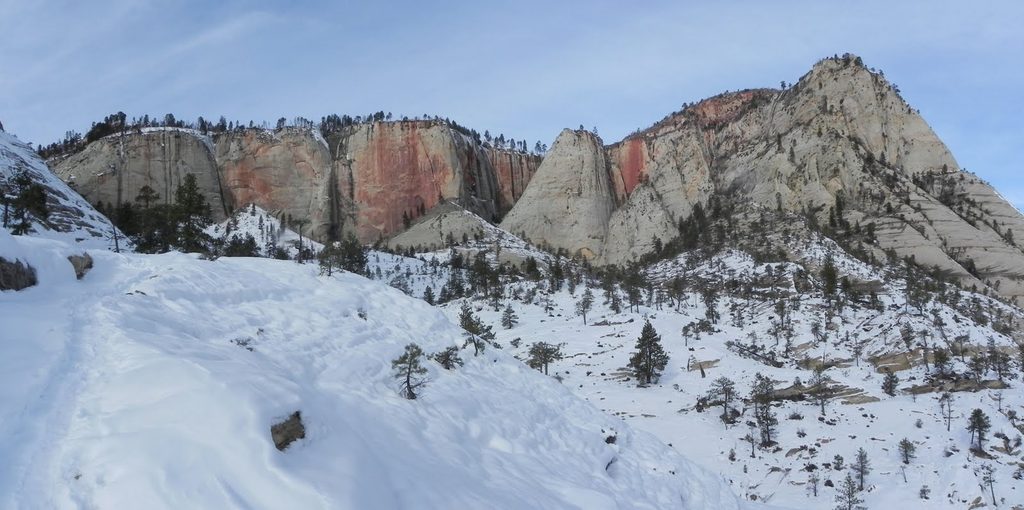
Big Bend is the dramatic oxbow turn of the Virgin River framed by sheer Navajo Sandstone walls—one of those pullouts that makes you stop, stare, and take too many photos. From shuttle stop #8, you’re looking straight at icons like Angels Landing, the Great White Throne, and Cable Mountain. It’s a quick, flat stop with minimal fuss and maximum view.
Expect towering monoliths rising right out of the river, reflections when the water is calm, and—if you time it in fall—gold along the cottonwoods. Look up to spot climbers inching across the walls in cooler months. There’s a short path to the riverbank if you want to feel the canyon from the water’s edge.
Summer is prime time to scan the sky for birds of prey, including peregrine falcons and the occasional California condor riding thermals. Bring binoculars or a zoom lens; rangers sometimes station here to watch for condors.
You’re standing where the Virgin River swings tightly against massive Navajo Sandstone, carving a tight meander at the foot of some of Zion’s tallest walls. This is the transition zone between the widest valley floors and the narrowing canyon toward the Temple of Sinawava.
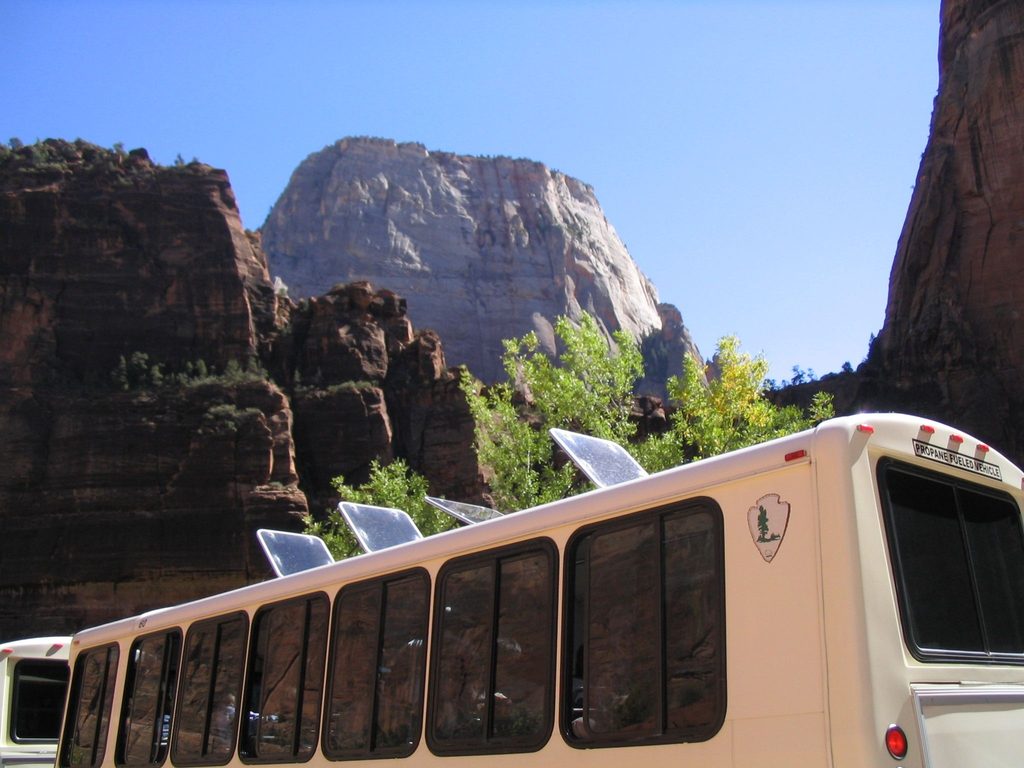
During shuttle season, ride the Zion Canyon Shuttle up-canyon and hop off at Big Bend (#8). Note: buses here only pick up heading down-canyon toward the Visitor Center. Midday lines can stretch to 45+ minutes in peak season, so start early or go late. In the off-season when private cars are allowed, there’s a tiny roadside pullout; don’t expect real parking.
There aren’t any. No restrooms, no water, no trash cans. Use restrooms at major stops like the Grotto, Zion Lodge, or Temple of Sinawava, and bring your own water and snacks.
Early and late light are the most flattering for the canyon’s reds and creams; mid‑morning can be lovely as the sun fills the canyon. Afternoons often light the opposite walls with a warm glow. A wide lens helps capture the whole bend; a polarizer can tame glare off water and sandstone.
Place · 0.3 mi away
Place · 0.3 mi away
Place · 0.3 mi away
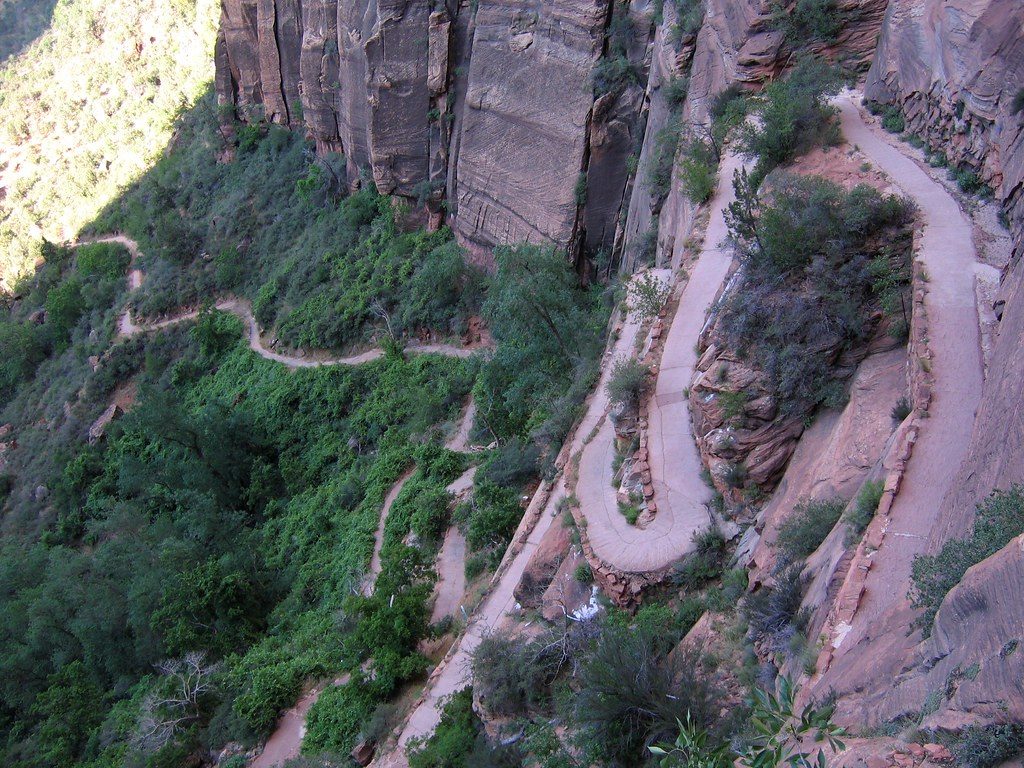
Place · 0.3 mi away
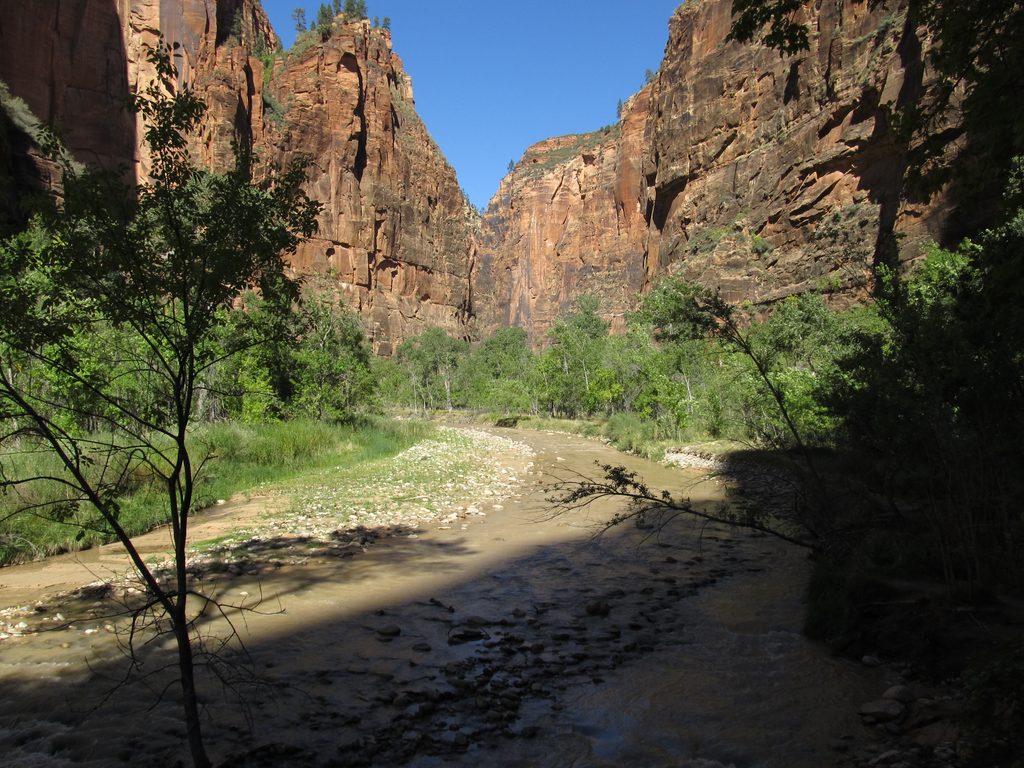
Easy · 0.8 mi away
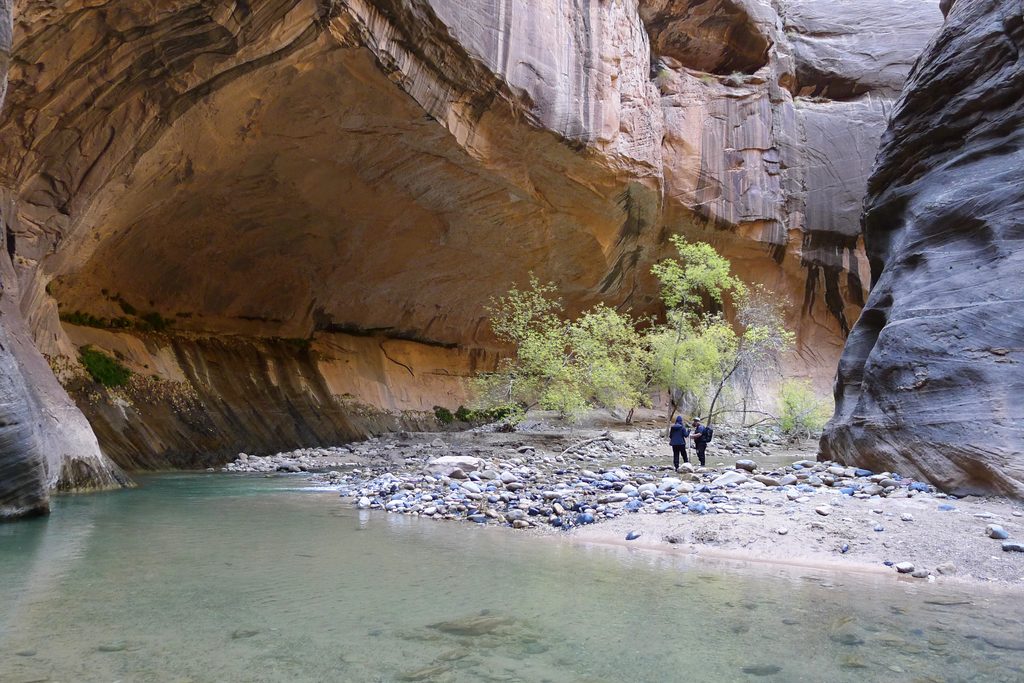
Challenging · 0.9 mi away
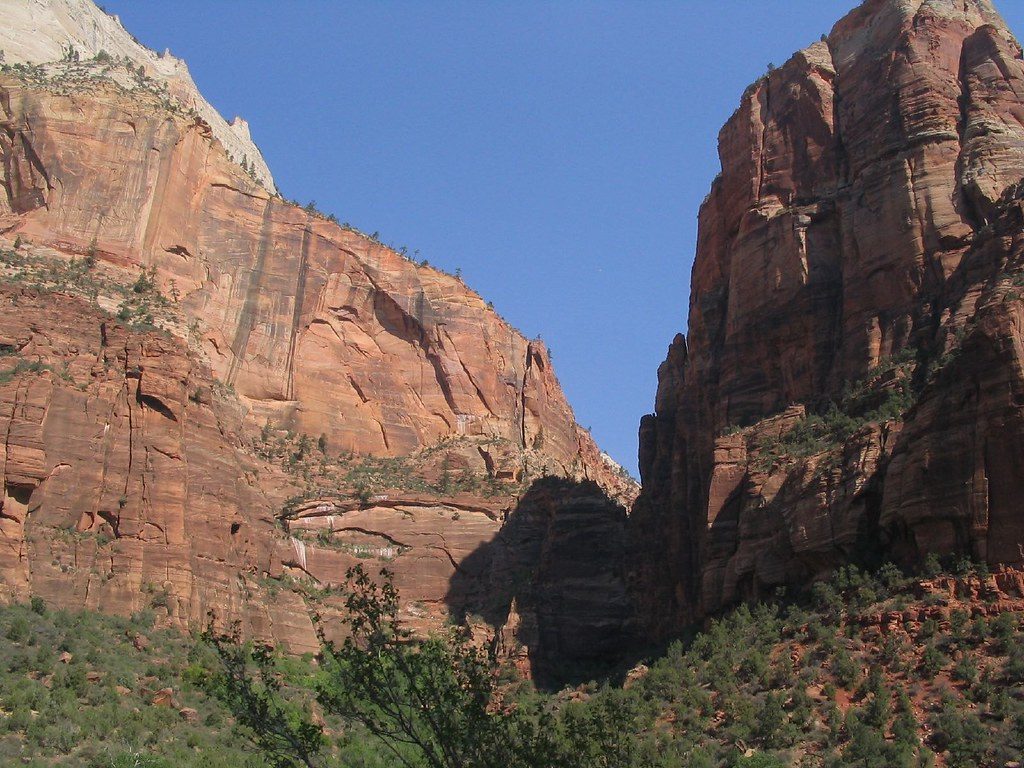
Challenging · 1 mi away
Challenging · 1 mi away

Parkwolf Tour Guide
