
Place · 0.3 mi away
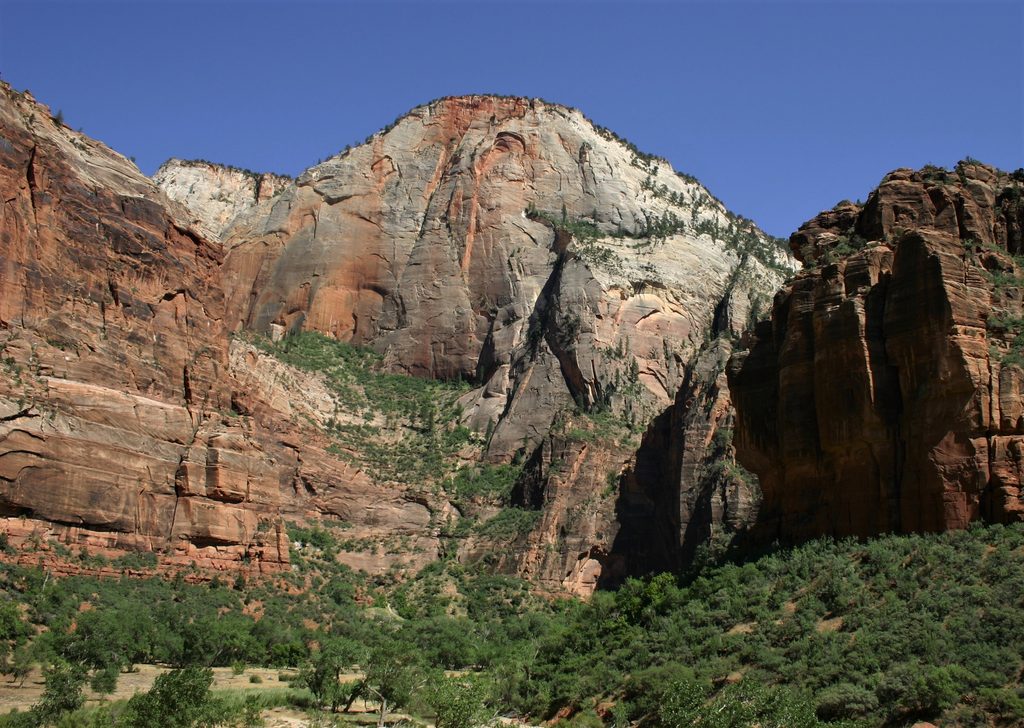
Cable Mountain is a remote rim perch with big, straight‑down views into the main canyon and a fascinating slice of park history: the wooden remnants of the early‑1900s cableworks that once lowered lumber 3,000+ feet to the valley. It’s the quieter, contemplative counterpart to Zion’s headline hikes—same epic scenery, a fraction of the crowds.
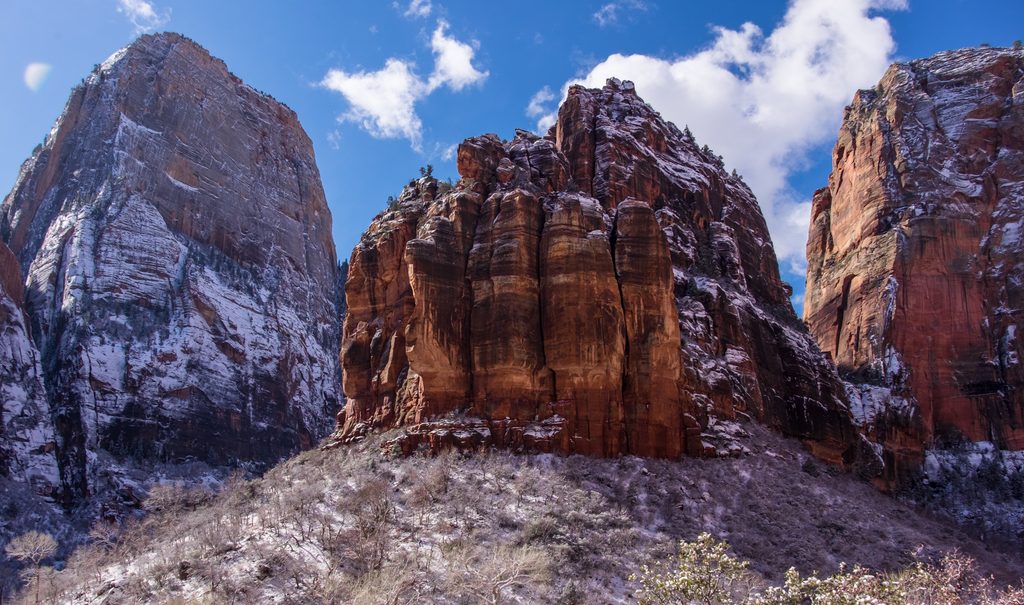
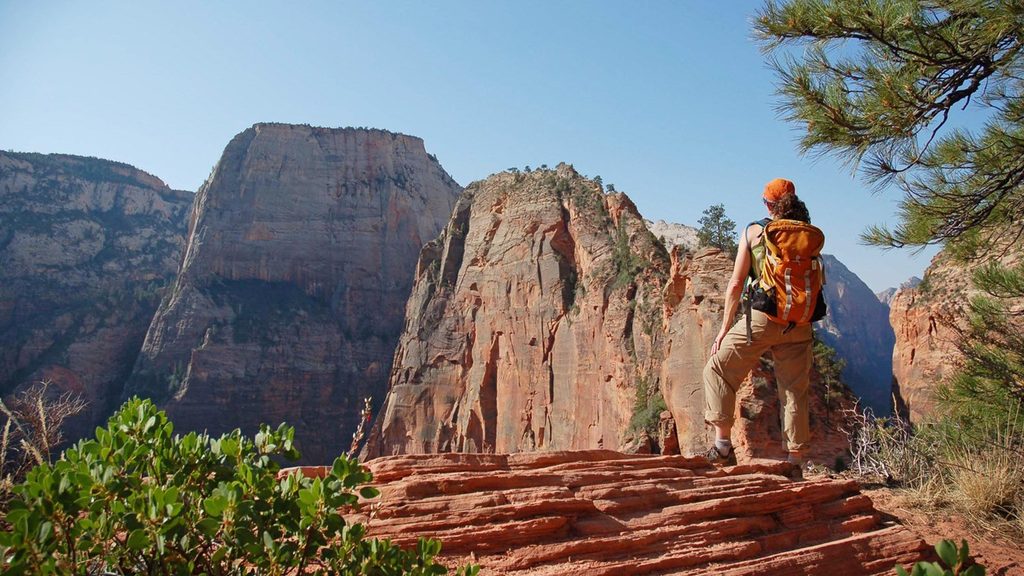
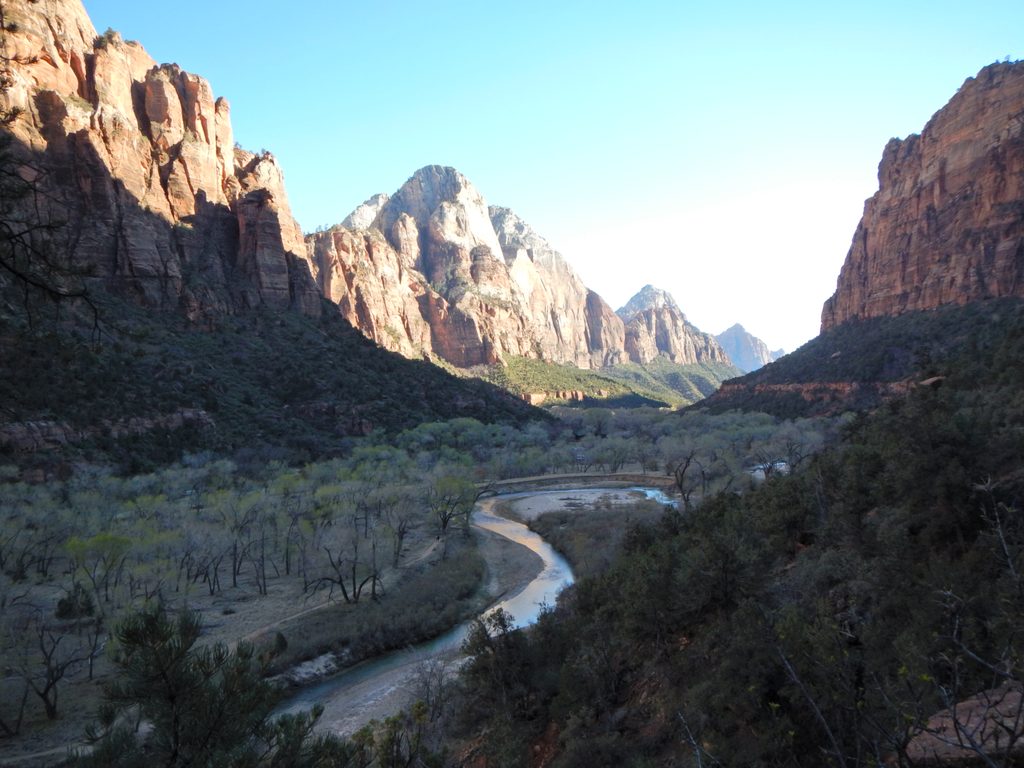
From the edge you’ll look across Echo Canyon toward Observation Point and down to Big Bend and Angels Landing. The old cableworks foundation still sits at the brink—do not touch or climb it; it’s unstable. There are no rails or barriers, so mind your footing and keep well back from the rim.
The east‑side access roads behind Zion Ponderosa can be rough, rutted, or muddy. High‑clearance is often wise; 2WD vehicles can get stuck when conditions are poor. Seasonal shuttle service from the resort area may be available and can save you the headache of the final road and tight parking.
Spring and fall are the sweet spots. Summer is doable but hot and exposed—start early. Winter and early spring can bring snow/ice to shaded sections. For day hikes, no permit is needed. If you’re backpacking, you’ll need a wilderness permit; Stave Spring can be a water source, but confirm its status with the park before counting on it.
There’s no water on the route, little shade, and long stretches in full sun. Pack ample water and electrolytes, sun protection, and layers for shoulder‑season wind on the rim. Group size on wilderness trails is limited, and you should always check current conditions and any trail closures with the park before heading out.
If you like grand vistas with elbow room and a tangible link to Zion’s human history, this is a standout, underrated payoff. It lacks the thrill‑ride exposure of the park’s most famous hike, but that’s exactly why many people love it here.
Aim for spring or fall, with an early morning start to beat heat and sun. Weekdays are typically quiet, but this destination sees light traffic overall compared to the main canyon.
Place · 0.3 mi away
Place · 0.3 mi away
Place · 0.3 mi away
Place · 0.5 mi away
Challenging · 1.2 mi away
Challenging · 1.2 mi away
Challenging · 1.2 mi away
Moderate · 1.2 mi away

Parkwolf Tour Guide
