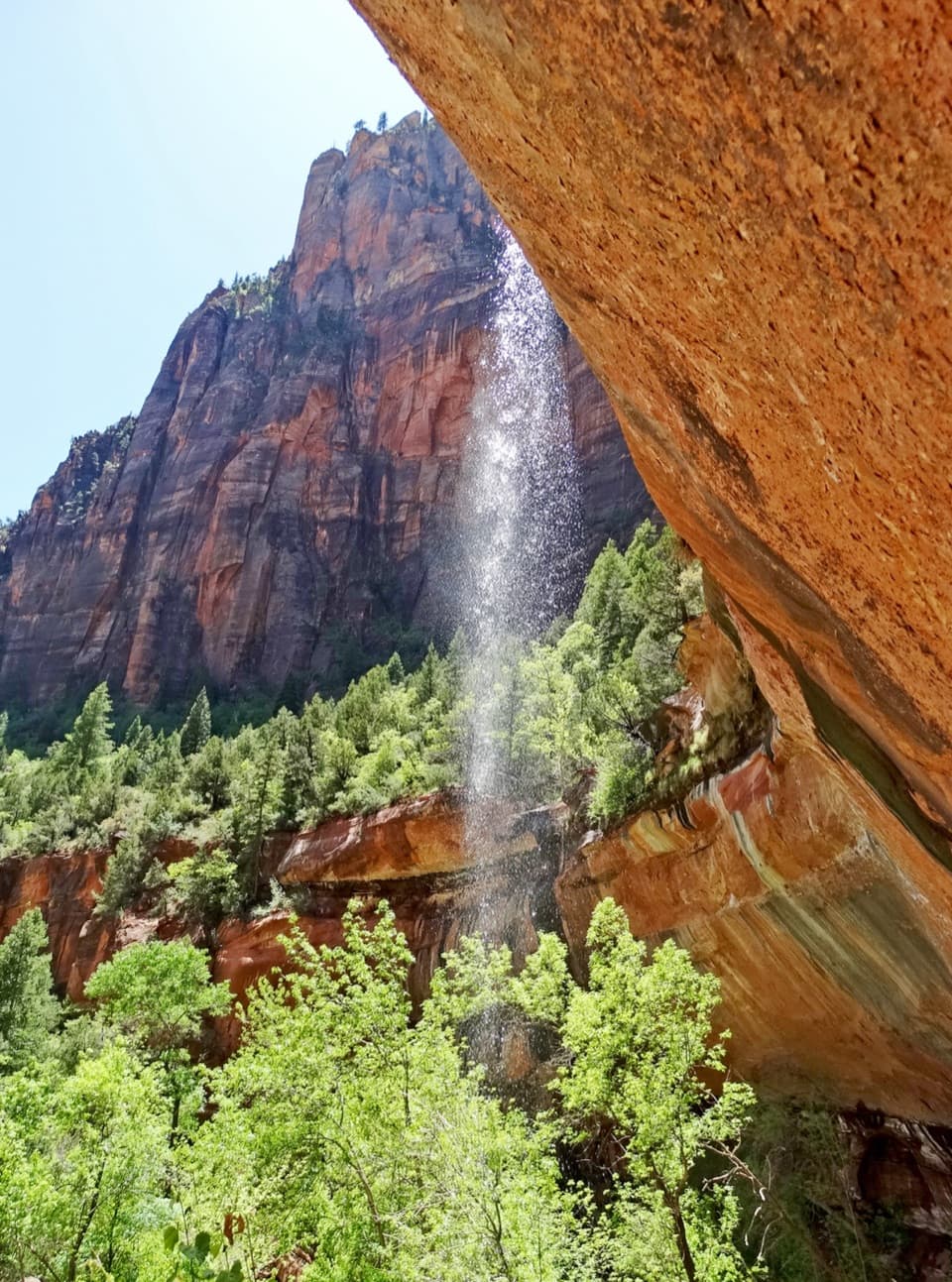
Weeping Rock

Shady alcove where sandstone weeps into a lush hanging garden
Weeping Rock, Zion National Park
InsideZion National Park

Overview

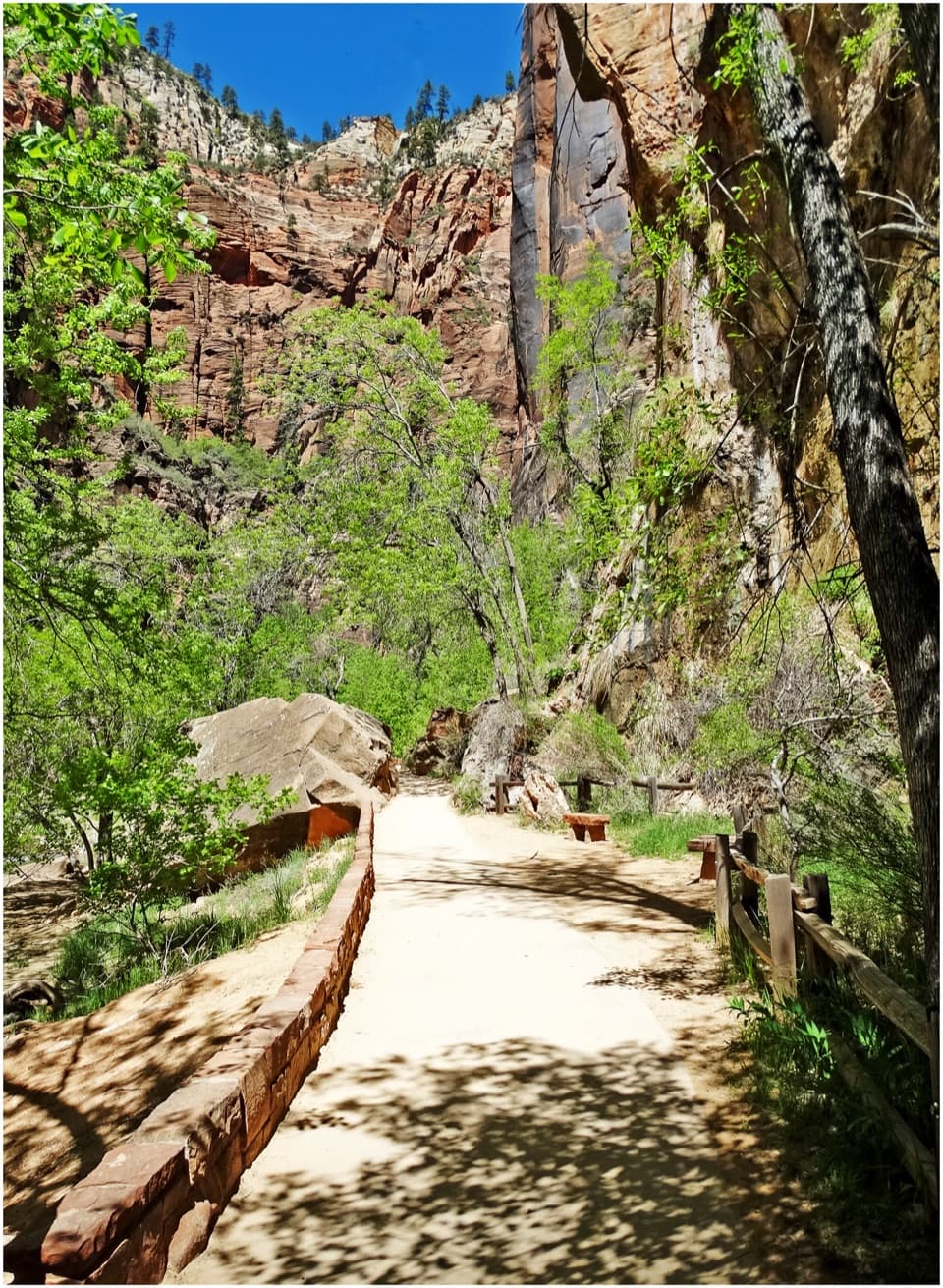
A short, steep paved path climbs to a shady alcove where the cliff face constantly drips, feeding a lush hanging garden. It’s a fast, high-reward stop—cool mist, green walls, and classic views—without committing half your day.

What You’ll See

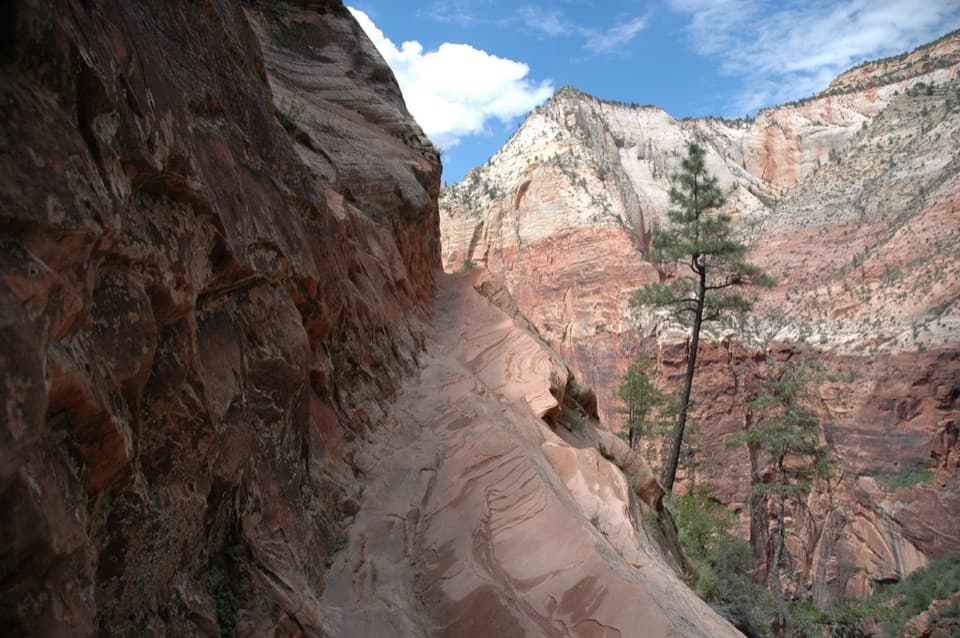
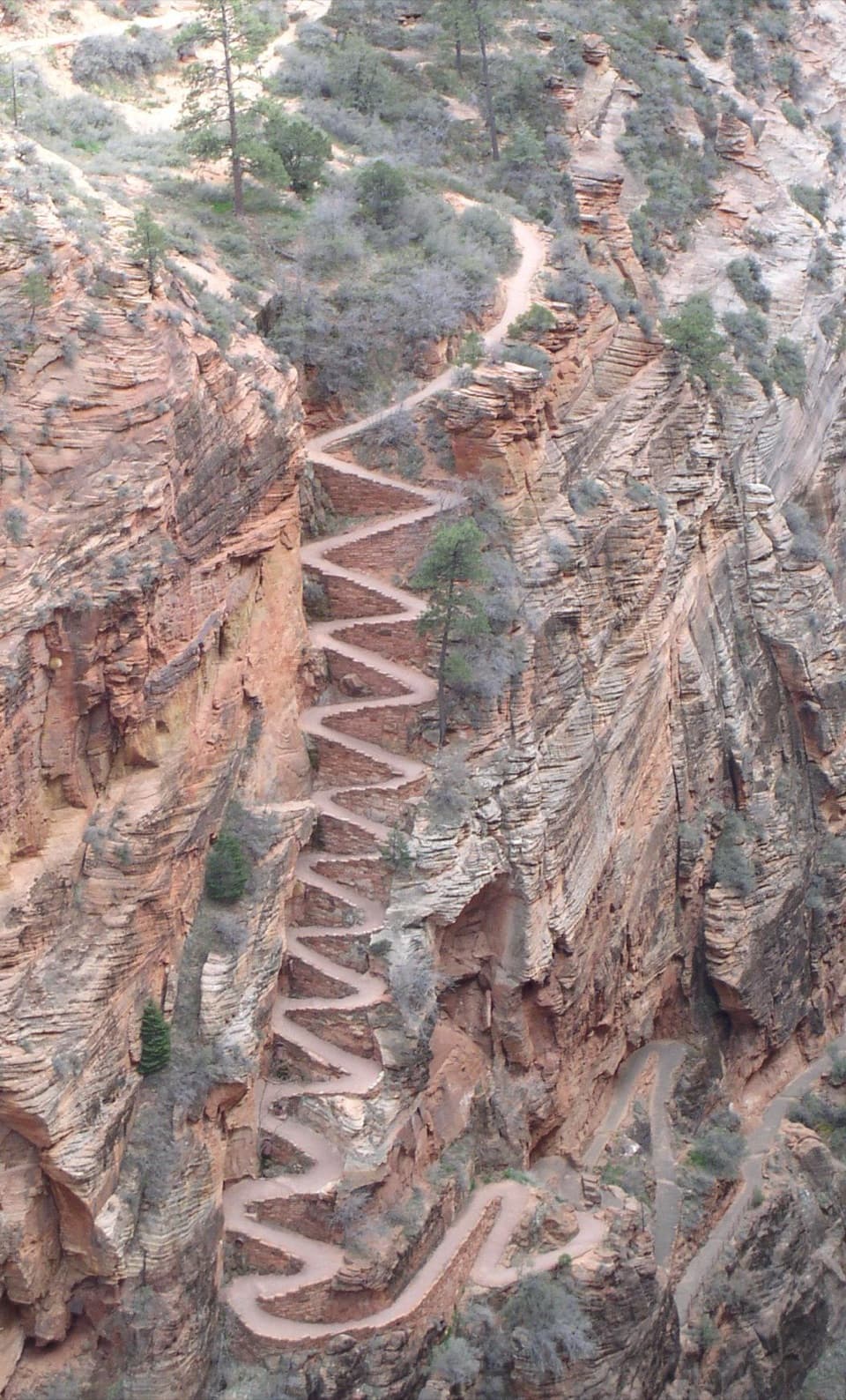
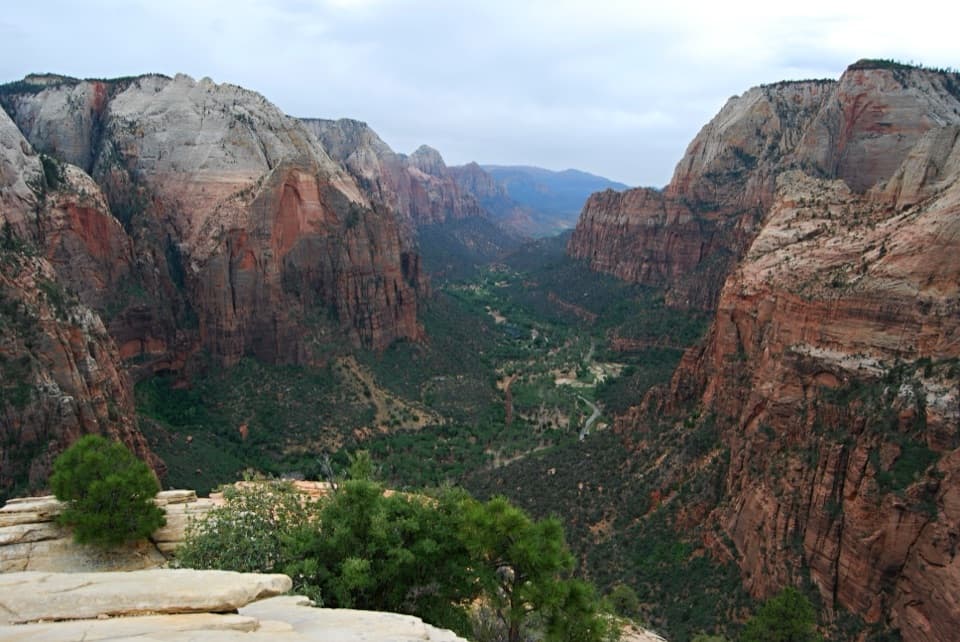
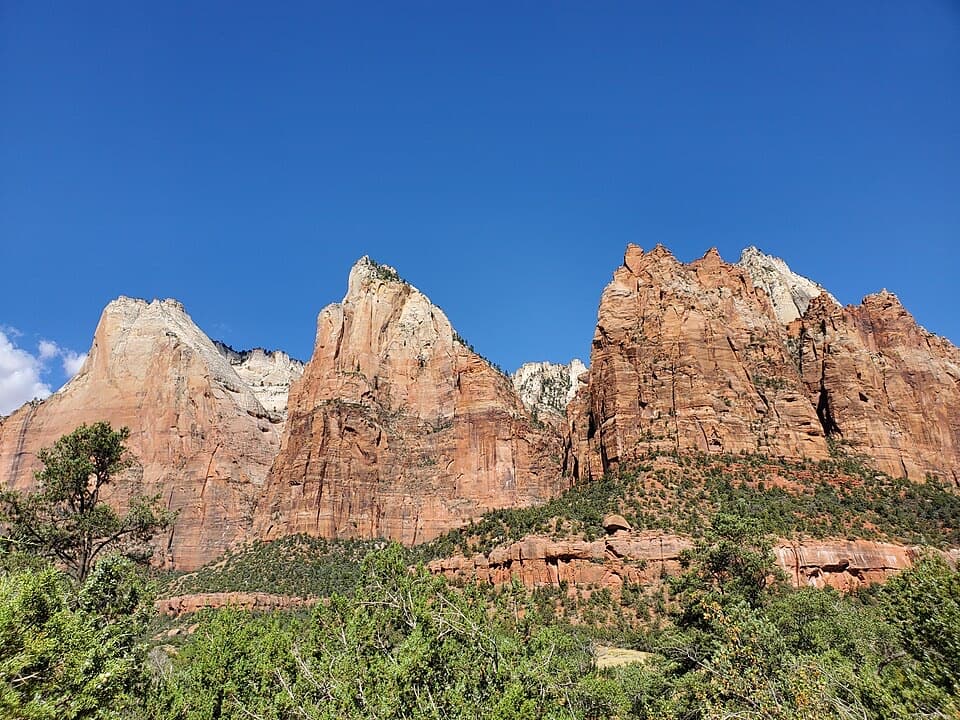
At the alcove, water seeps from the rock in a steady curtain, sometimes ramping up to ephemeral waterfalls after storms or spring melt. The overlook also frames big-name scenery across the canyon, including Angels Landing, the Great White Throne, Big Bend, and Cable Mountain.

How It Works (Geology)

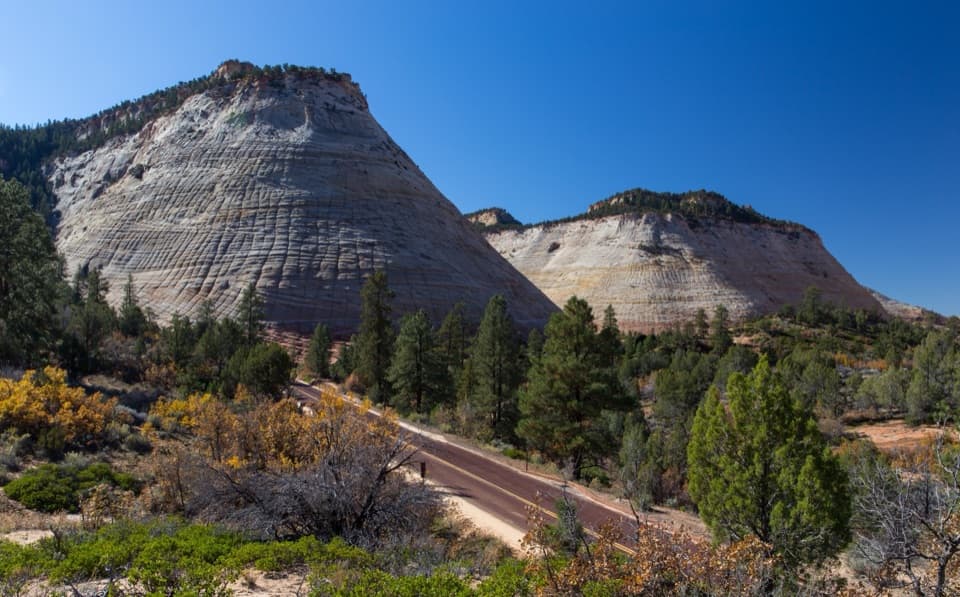
Rain and snowmelt percolate through porous Navajo Sandstone. When that groundwater hits the less‑permeable Kayenta Formation beneath, it’s forced out along the contact, creating the “weeping” springs that nourish the hanging garden. Zooming out, these rock layers are part of the Colorado Plateau’s Grand Staircase story—deposited roughly 110–270 million years ago and later uplifted, letting the Virgin River carve Zion’s sheer canyon walls.

The Trail

Plan on about 0.4 miles round trip and roughly 100 feet of gain in 15–30 minutes. It’s paved but steep in spots, with minor drop-offs and a short stair section near the alcove. Surfaces are often wet and slick—good tread helps—and you’ll likely catch a fine mist at the end.

Amenities & Logistics

When the shuttle runs, this is Stop #7. At the stop you’ll find benches, a bike rack, interpretive exhibits, and trash cans. There are pit toilets at the parking area, but no drinking water—bring your own. Outside shuttle season, a small parking area fills quickly.

Conditions, Safety & Status

Rockfall and flood hazards are real here; closures can be long or intermittent, so verify conditions before you go. After rain or during spring runoff the “weeping” intensifies and can be spectacular, but that’s also when hazards are most likely—use extra caution.

Wildlife

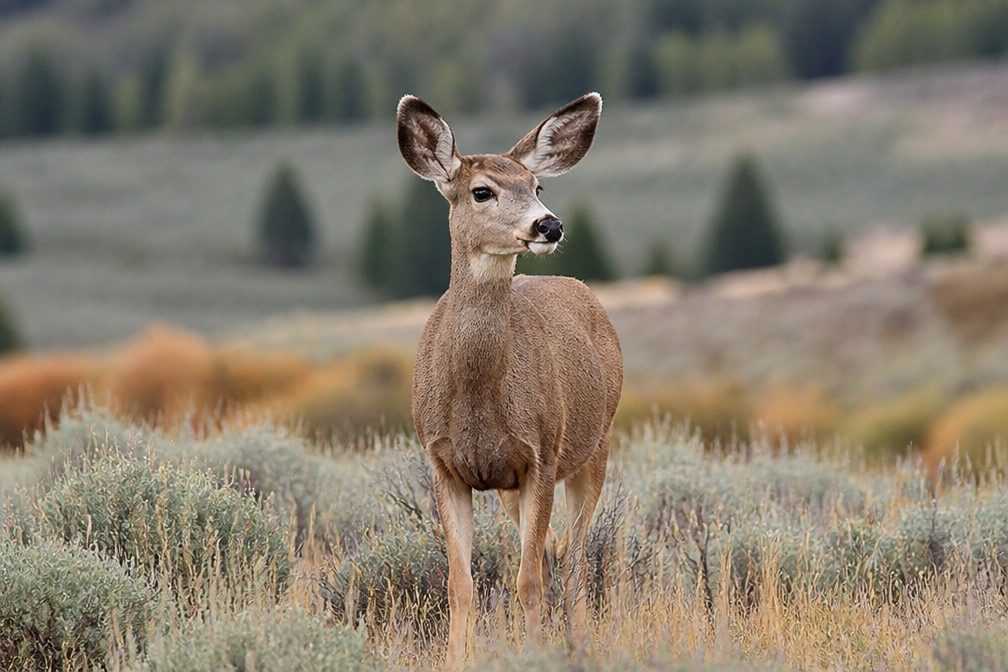
You’re in the river corridor where wildlife activity is common. Keep space, move slowly, and let animals pass.

Best Time to Visit

  • Early morning: quieter and cooler for the climb.
  • Midday: light reaches into the alcove for photos.
  • After rain/snowmelt: the seep strengthens—great visuals if conditions are safe.
  • Shuttle season days can be busy; go early or late to dodge crowds.

Pros

  • Quick walk to a cool, misty hanging garden alcove
  • Big-payoff views of canyon landmarks

Cons

  • Subject to rockfall-related closures; status can change
  • Wet, slick footing and a short but steep climb

Tips

  • Use the park shuttle to Stop #7 in season; parking is limited outside shuttle months.
  • Check current closures and weather; rockfall and flash-flood risks can shut the area.
  • Wear shoes with good tread—the alcove and pavement are often slick from spray.
  • Midday light brightens the alcove; early morning is quieter for photos and space.
  • After rain or spring melt the seep intensifies, but hazards rise too—be cautious.
The Parkwolf tour guide sitting on a phone mounted in a car

Parkwolf Tour Guide

Like a tour guide in your car.

Save the places you found around Zion, then let Parkwolf guide the drive between them.Download Parkwolf on the App Store