
Place · 0.5 mi away
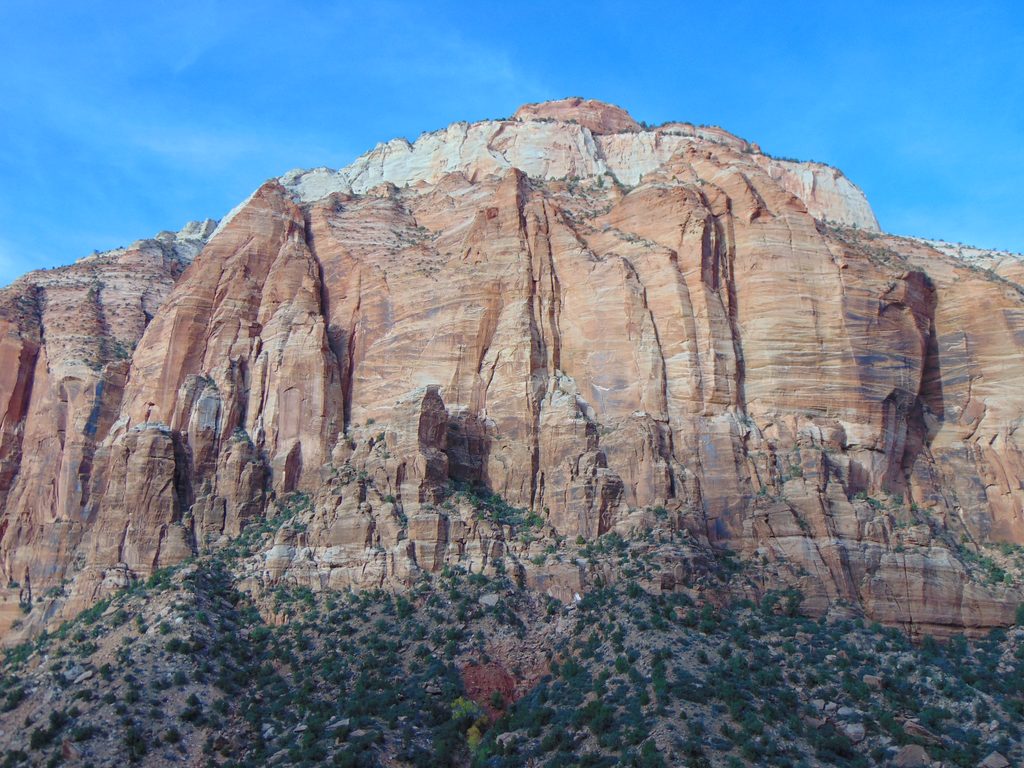
East Temple is a 7,709‑foot Navajo Sandstone monolith and one of the canyon’s most recognizable landmarks. Named by John Wesley Powell in 1872 and officially adopted in 1934, it’s a park‑defining skyline feature. The first recorded ascent came in 1937, but most visitors come to admire it from below rather than climb it.
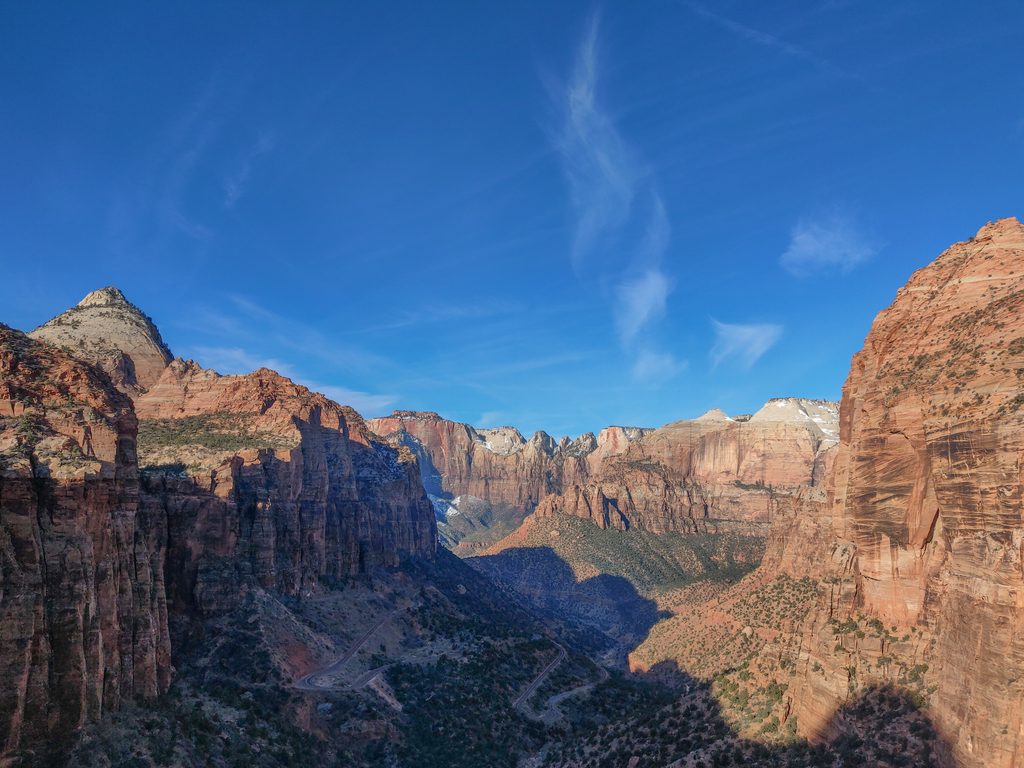
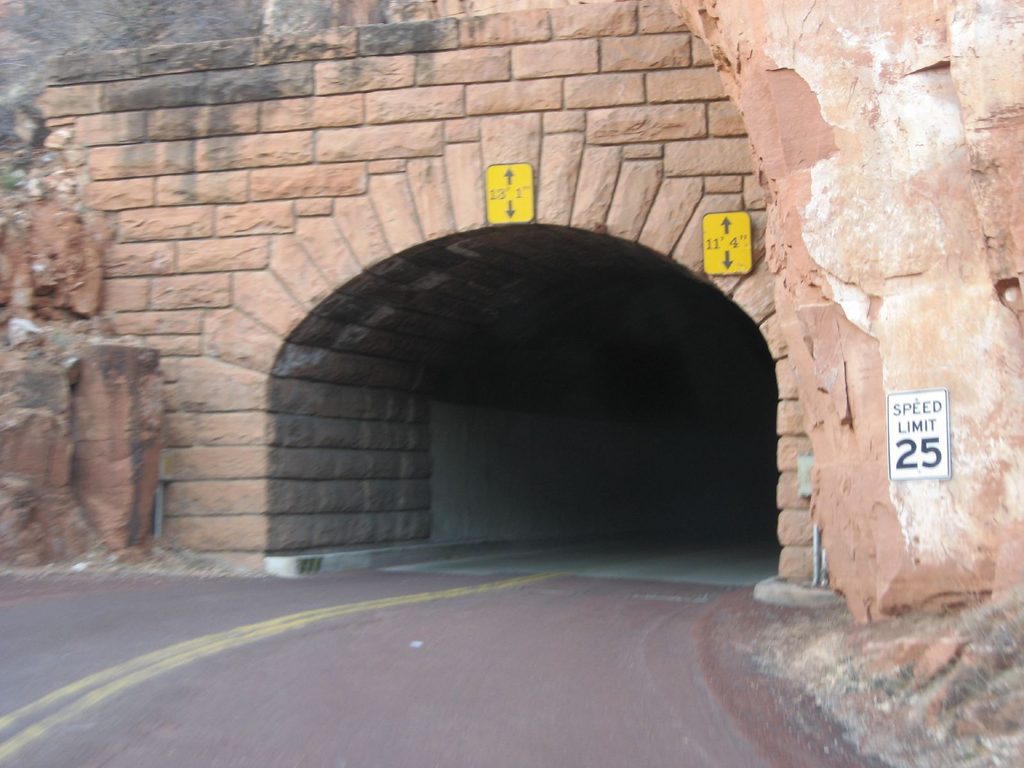
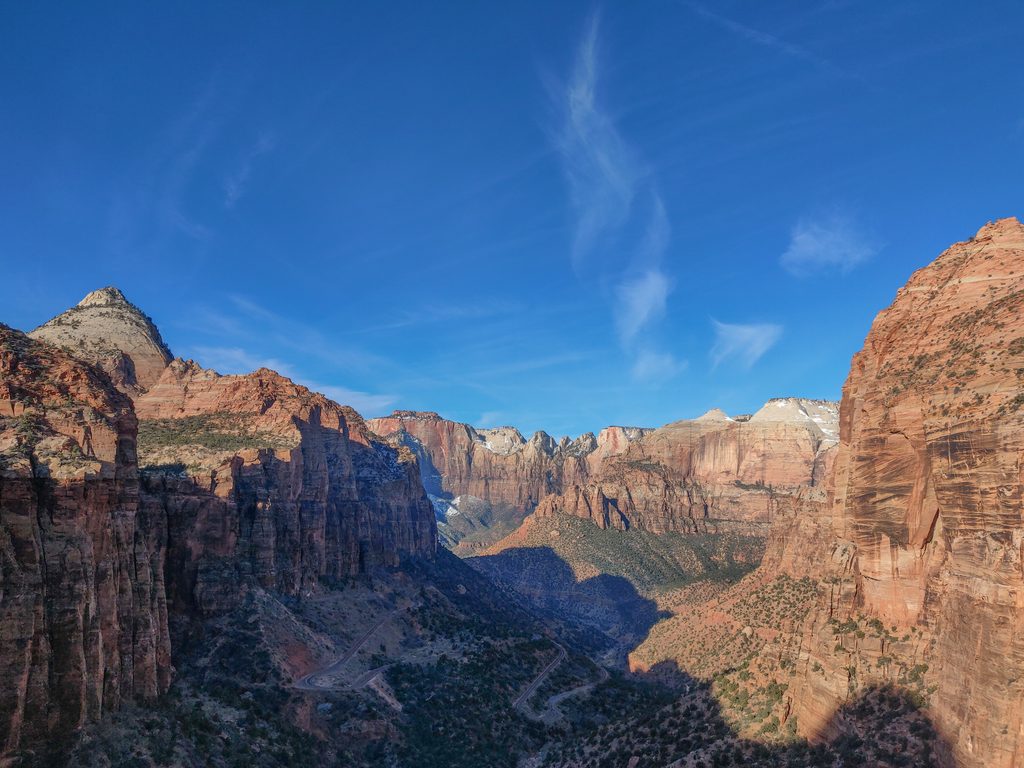
The easiest, most rewarding looks are along the Zion–Mt. Carmel Highway. Stand on the Pine Creek bridge and look up for a textbook view of its layered walls. The short Canyon Overlook Trail also frames East Temple beautifully above the famed switchbacks. Farther east, roadside pullouts showcase the same Navajo Sandstone textures that shape East Temple.
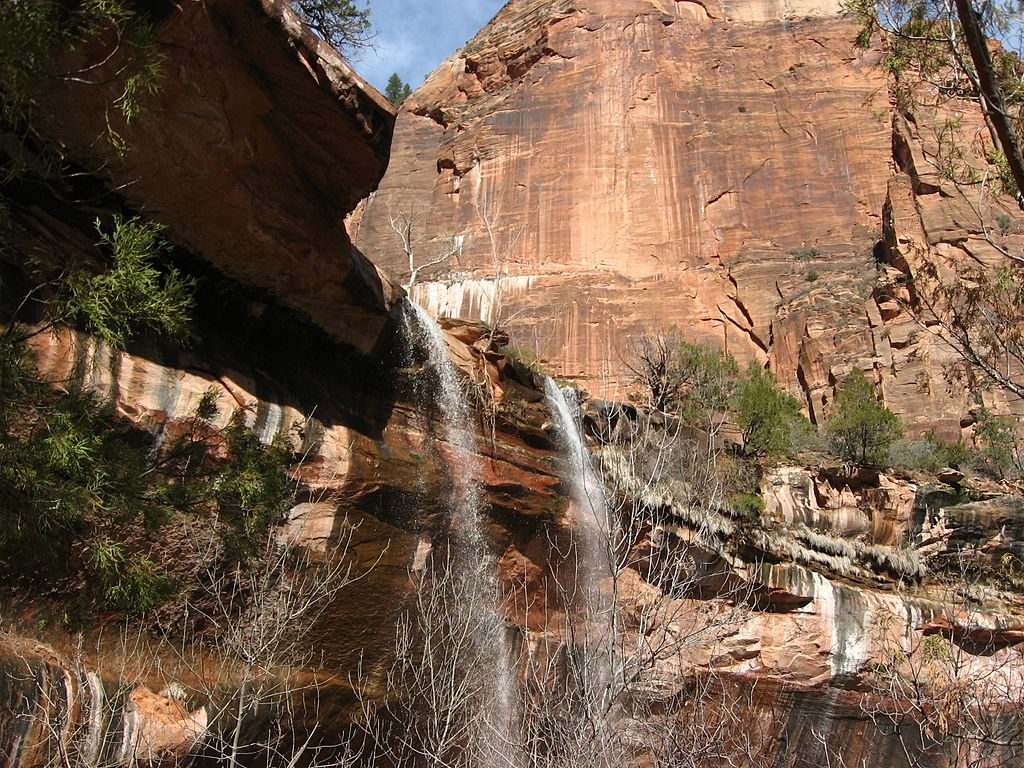
East Temple is built from the Jurassic‑age Navajo Sandstone—over 2,000 feet thick here—preserving sweeping cross‑beds from an ancient sea of wind‑blown dunes. Iron oxides paint the rock salmon to red; where iron has leached away, it turns pale and white. Thin, iron‑rich layers of the Temple Cap Formation often accent the summits of Zion’s spires, sharpening their “temple” profiles. All of this sits within the Grand Staircase story: stacked layers recording shifting deserts, rivers, and shallow seas uplifted and carved by streams like Pine Creek and the Virgin River.
Spring and fall bring the friendliest temperatures in Zion’s cold semi‑arid climate. For light and fewer parking headaches, aim for early morning or late afternoon along the Zion–Mt. Carmel Highway. There are no hours for the feature itself, but roadside spaces near viewpoints fill fast.
Rockfall and flash floods are part of “geology in action” here. Stay alert near cliff bases, avoid entering narrow drainages if storms threaten, and heed all posted closures. Use only signed pullouts, never block traffic or vegetation, and stay on established trails and rock surfaces. Bring plenty of water, sun protection, and footwear that grips slickrock.
Strong parties have established technical routes on East Temple (up to mid‑5th class and harder), and a backcountry saddle scramble involves Class 3–4 moves and off‑trail navigation. This is not a casual hike—route‑finding is tricky, crowds are minimal, and snow or ice can make the rock treacherous.
There are no restrooms, water, or services at East Temple viewpoints. Plan ahead and use facilities in developed areas of the park before heading to the east side.
Place · 0.5 mi away
Place · 0.6 mi away
Place · 0.7 mi away
Place · 0.8 mi away
Easy · 0.6 mi away
Moderate · 2.2 mi away
Easy · 2.2 mi away
Moderate · 2.2 mi away

Parkwolf Tour Guide
