Place · 0.4 mi away

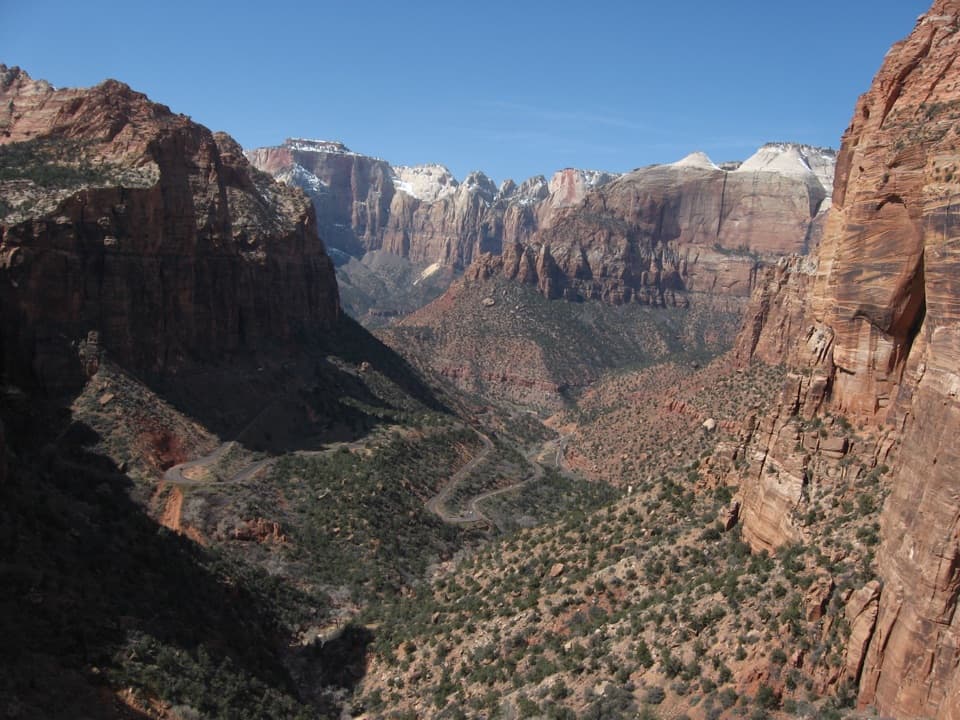
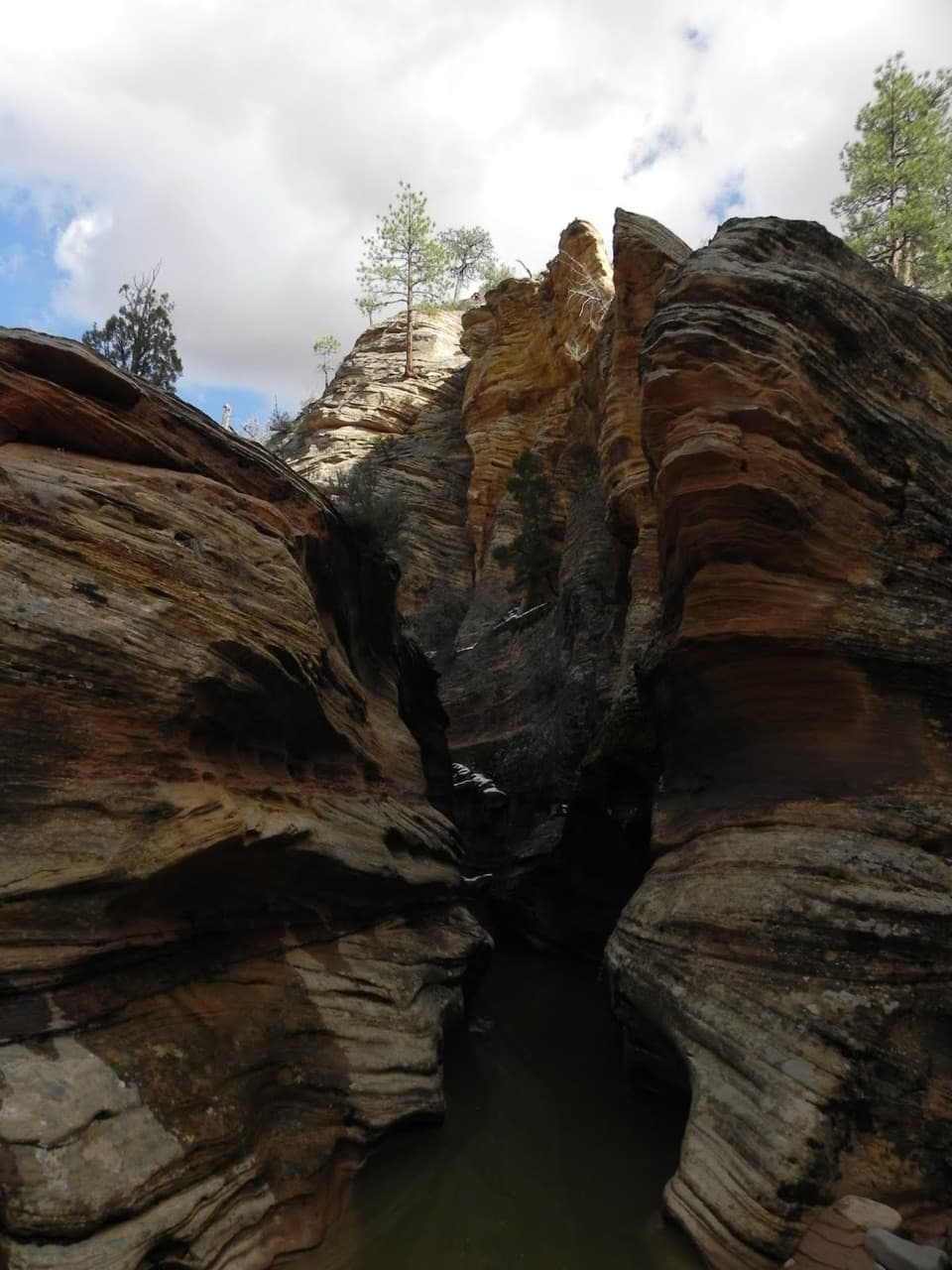
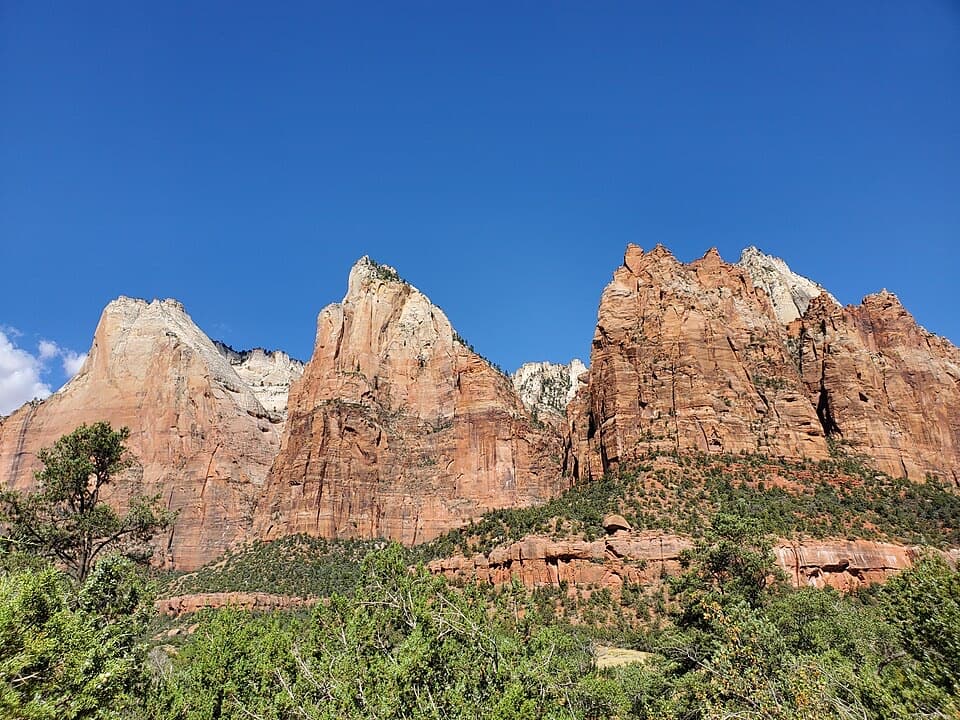
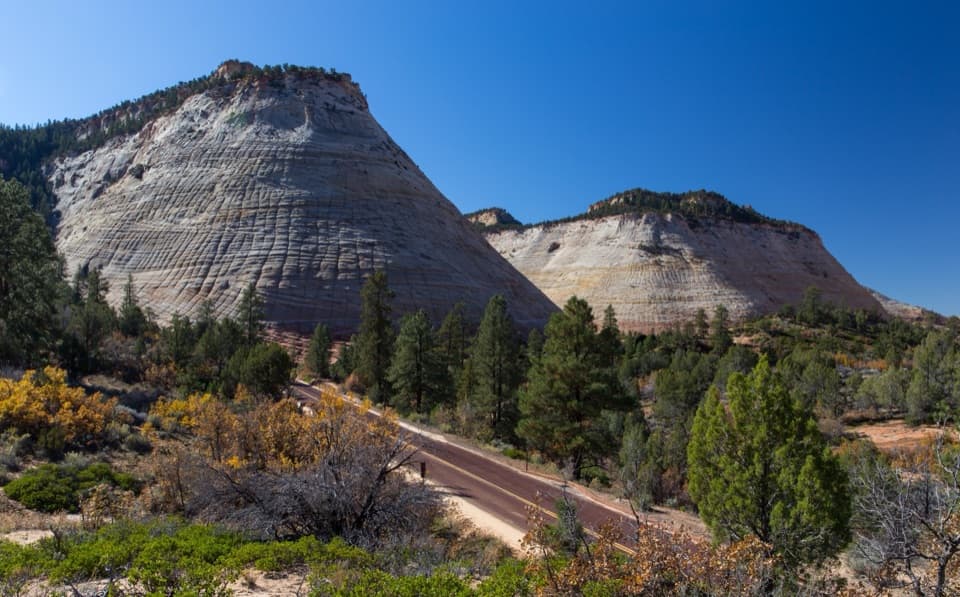
Cut through Jurassic Navajo Sandstone and opened in 1930, the 1.1‑mile Zion–Mount Carmel Tunnel is both a shortcut and a showpiece. It links the switchbacked cliffs above Pine Creek Canyon to the sculpted slickrock of the park’s east side, and those blasted “gallery windows” give fleeting glimpses of the canyon as you roll through. It’s a classic slice of early National Park Service design: big engineering that blends into the landscape.
Before the tunnel, reaching the east side took ages. This highway-and-tunnel combo unlocked the region and made the “Grand Loop” between here, Bryce Canyon, and the Grand Canyon practical. Today, it’s the quickest way between Springdale and the East Entrance—and one of the park’s most memorable drives.
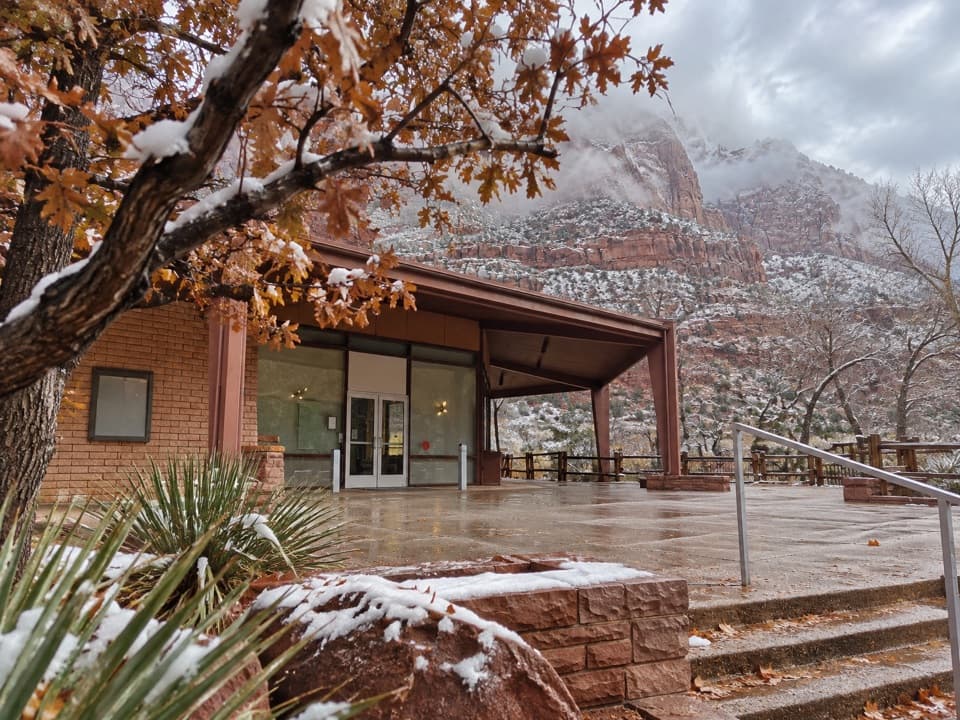
The tunnel is narrow and unlit, with a few cutout windows. You emerge to instant wow-factor views and a sinuous road draped across red rock. Expect no stopping in the tunnel or at its portals, and don’t plan on facilities—there aren’t any here. Near one exit there’s a short viewpoint trail, but the tiny lot fills fast and requires an immediate pull-in if a space is open.
Construction started in 1927 and pushed through soft and hard sandstone using dynamite, hand tools, and pneumatic drills—over 450,000 cubic yards of rock removed. Crews blasted the gallery windows for ventilation, light, debris removal, and, yes, those cinematic peeks outside. The highway and tunnel opened July 3, 1930, later earning National Register status and recognition as an Historic Civil Engineering Landmark.
Traffic is tightly managed, especially for oversized vehicles. Vehicles over 11'4" tall or 7'10" wide need a permit and are escorted during limited hours; anything over 13'1" tall is prohibited. Queues form when operations switch to one-way for large vehicles. There are no restrooms, picnic facilities, or legal pullouts at the tunnel—plan those stops elsewhere.
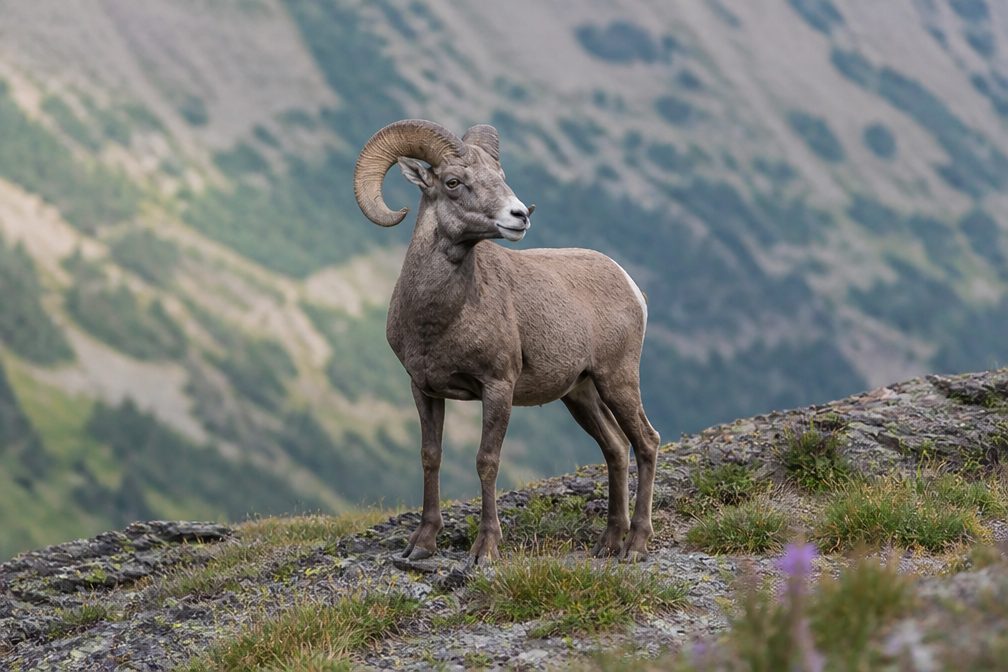
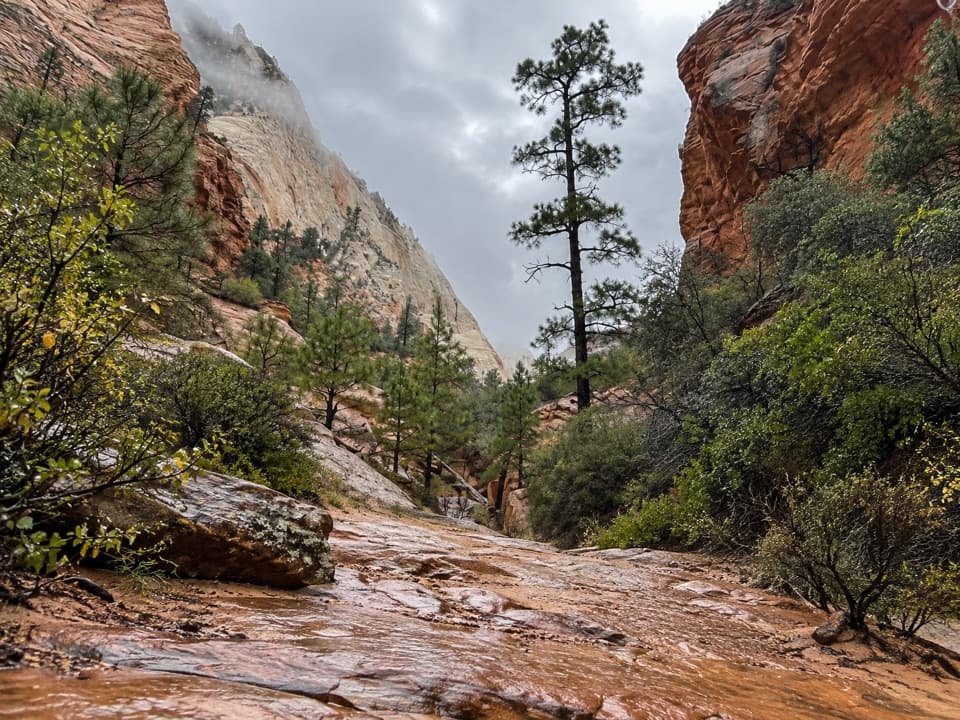
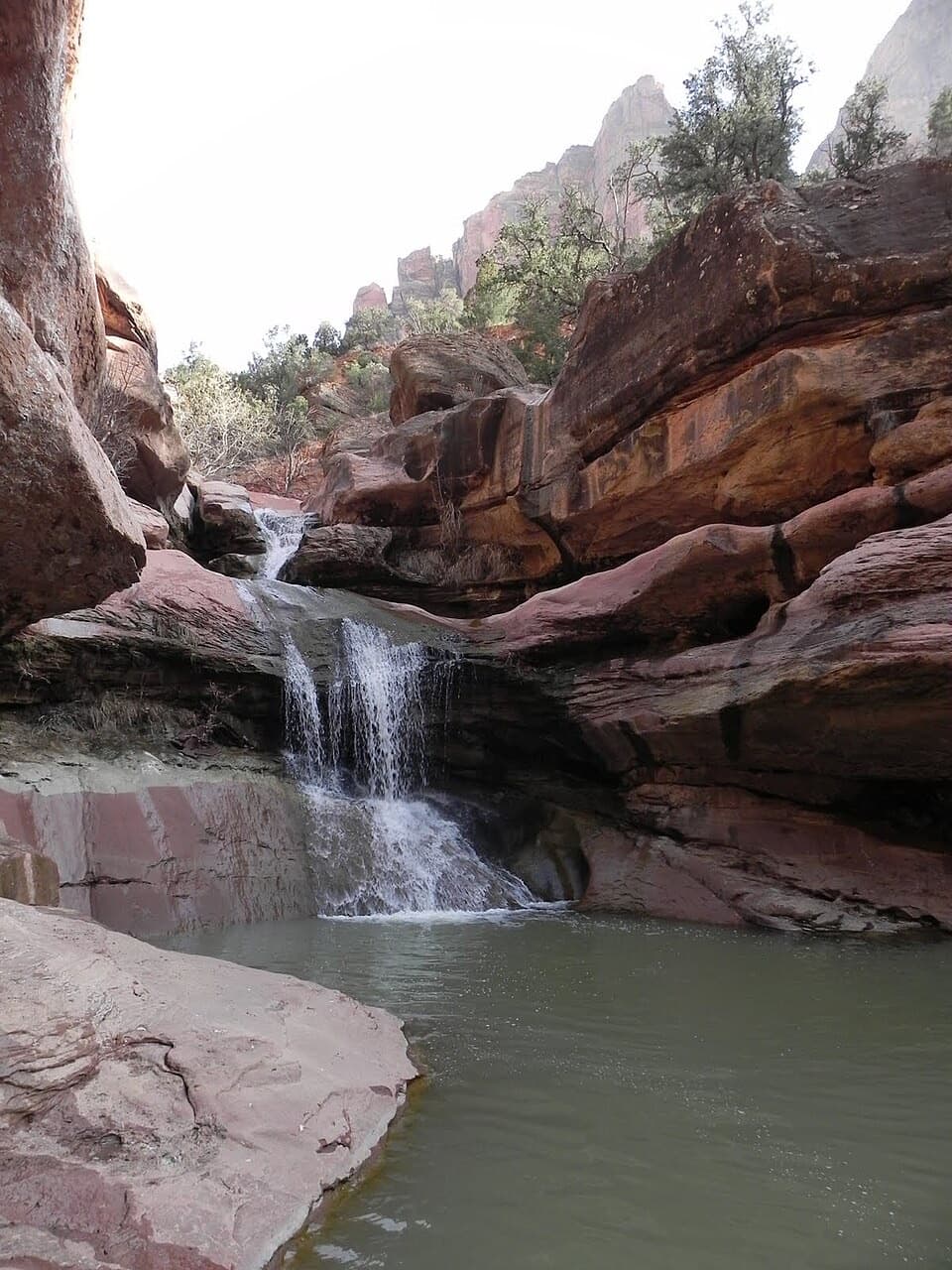
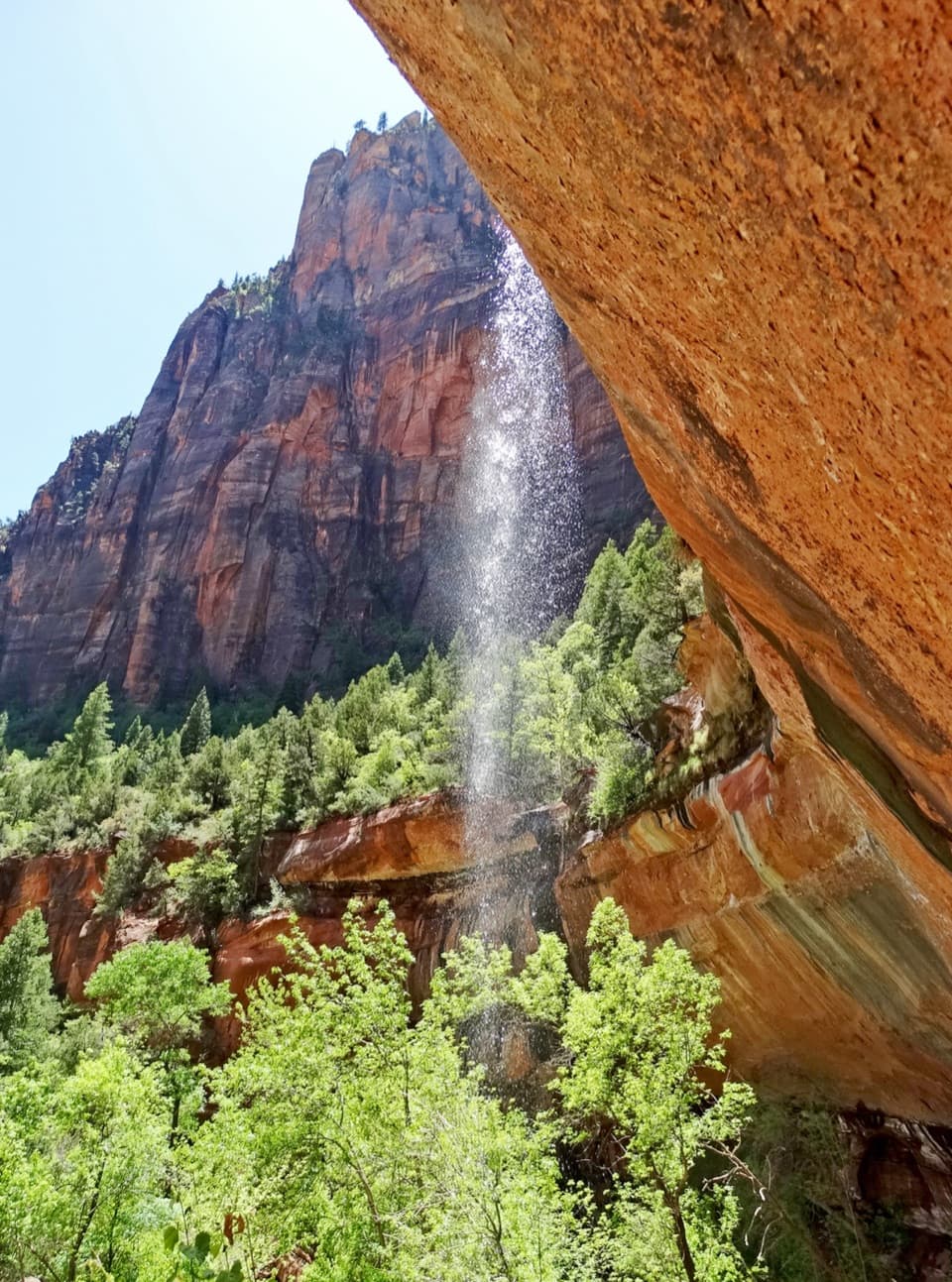
Keep an eye out on the east side’s open slickrock country—bighorn sheep are sometimes seen along this corridor, and waterfalls can appear after storms.
Go early morning to dodge the longest lines and to get softer light on the cliffs after you exit. Weekdays outside peak season move best. Midday and late afternoon often see backups, especially when oversized-vehicle escorts are running. Operations and hours can vary seasonally; check the park’s current guidance before you drive.