
Place · 0 mi away
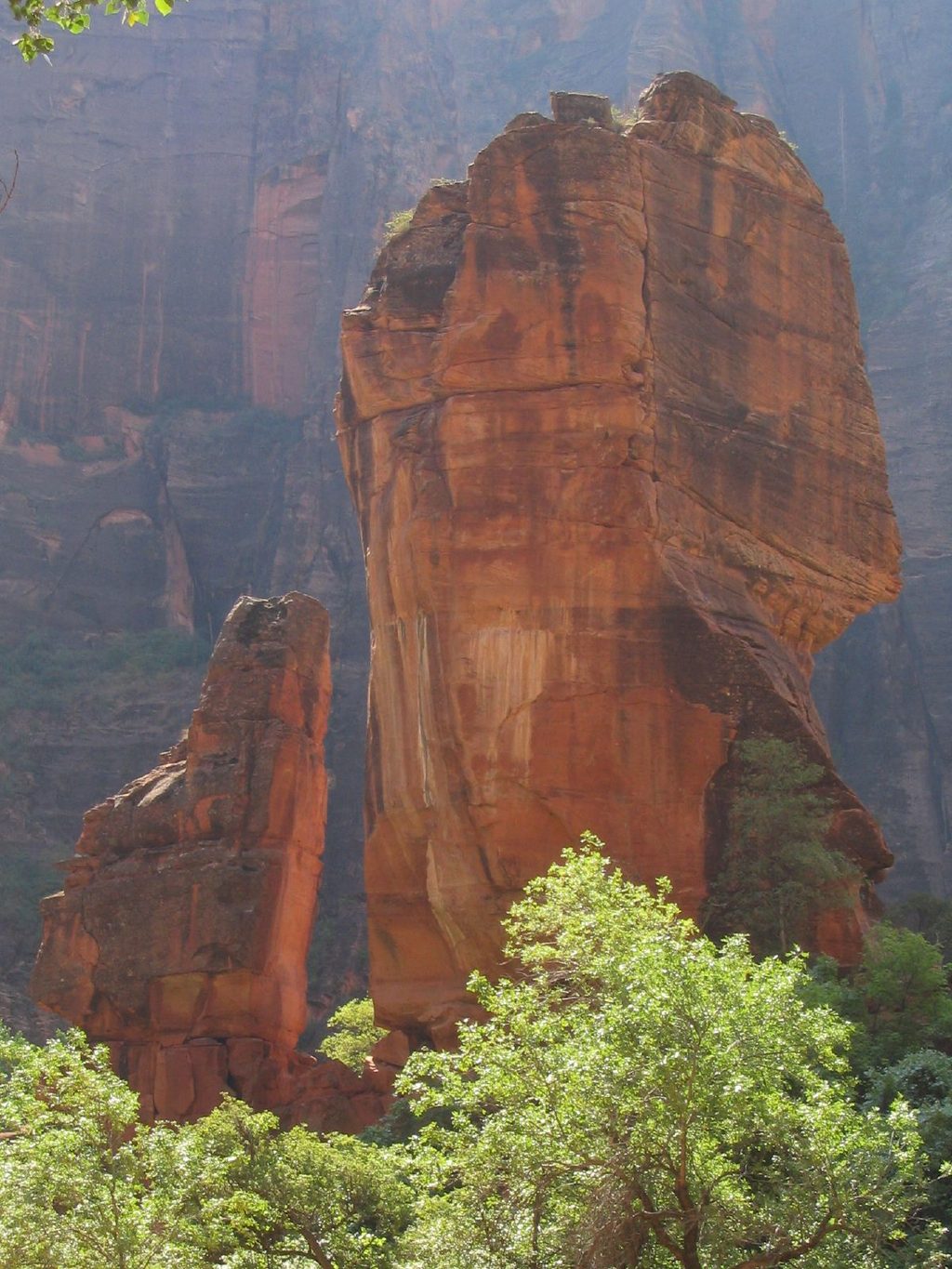
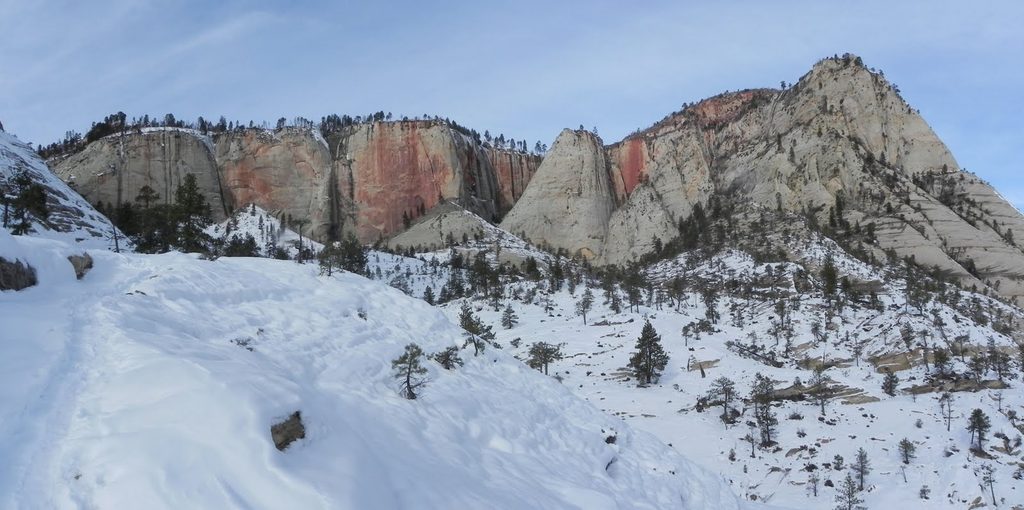
The Pulpit is a small, freestanding Navajo Sandstone pillar near the end of Zion Canyon, easily visible from the Temple of Sinawava area. It’s a fun visual accent to the river corridor for non‑climbers and a bite‑sized, old‑school objective for climbers.
Ride the canyon shuttle to the last stop (Temple of Sinawava) and look across the Virgin River; The Pulpit stands just beyond the parking area. This zone—right at the mouth of the Narrows—gets busy, so expect crowds on peak days. Early mornings and late afternoons typically feel calmer, and the canyon glows nicely late day.
Zion’s sandstone is fragile when wet. Do not climb during rain or for days afterward; if the ground near the route feels damp instead of powder‑dry, wait it out. Seasonal raptor closures can also affect access—check for current restrictions before you rack up.
There are no built facilities at The Pulpit itself. Use the restrooms and water at major hubs down‑canyon before heading up to Temple of Sinawava. Parking in the main canyon is limited and, for much of the year, access is managed by the shuttle. The Narrows/Riverside Walk area draws big crowds; plan your timing to sidestep the peak rush.
Keep an eye on the walls and ledges—raptors nest in the canyon (part of why seasonal closures exist). Desert bighorn sheep are sometimes spotted along the main canyon as well.
For most visitors, it’s a quick, satisfying look while you’re at Temple of Sinawava. For competent aid/free climbers, it’s a classic bite‑size outing with character—just be strict about dry‑rock conditions and seasonal closures.
Place · 0 mi away
Place · 0.3 mi away
Place · 0.6 mi away
Place · 0.6 mi away
Easy · 0 mi away
Challenging · 0.1 mi away
Challenging · 1.8 mi away
Challenging · 1.8 mi away

Parkwolf Tour Guide
