
Place · 0 mi away
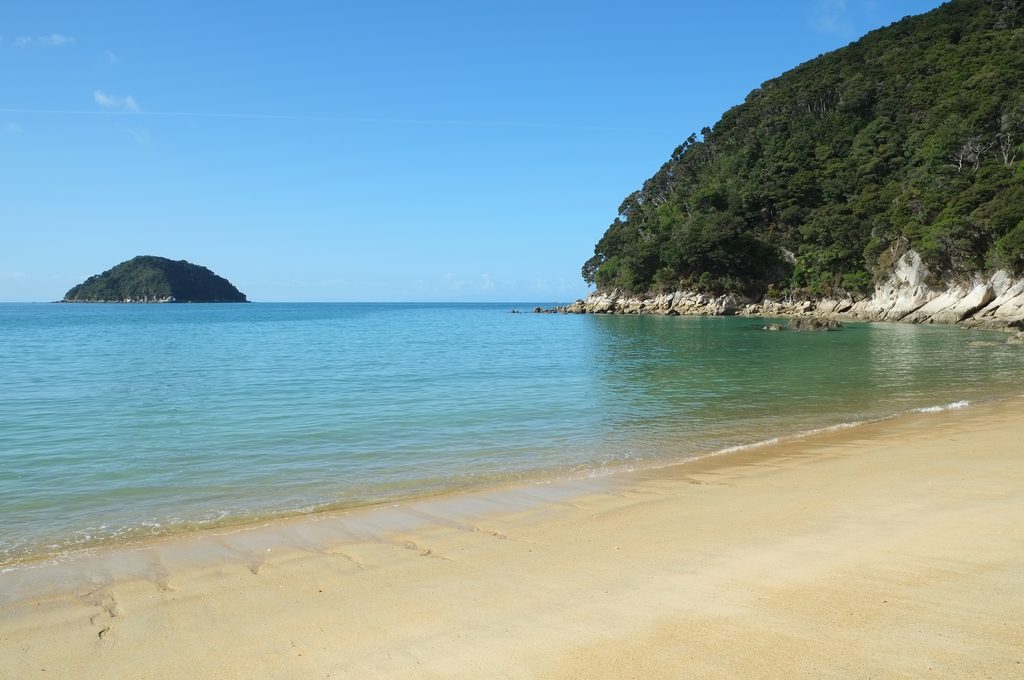
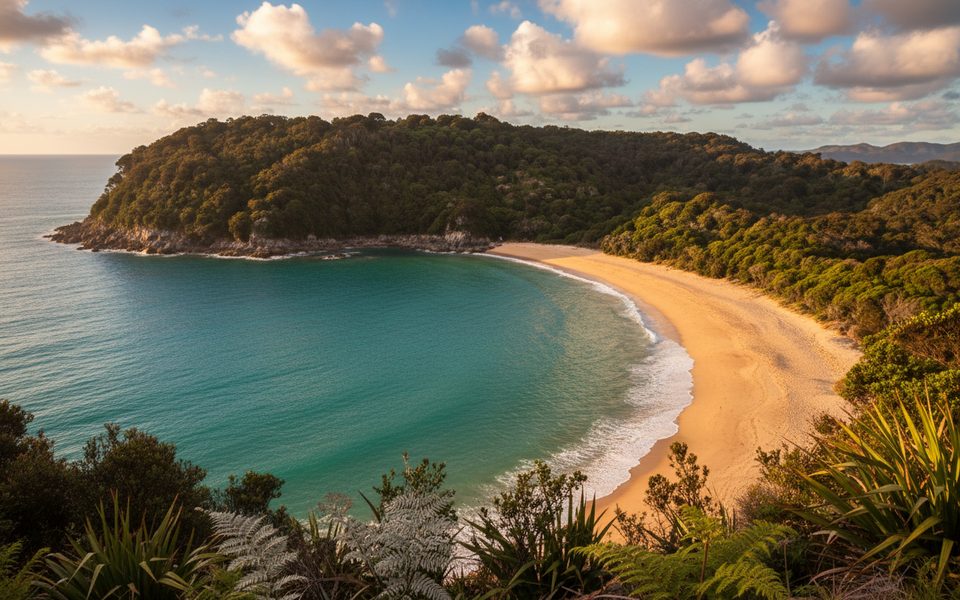
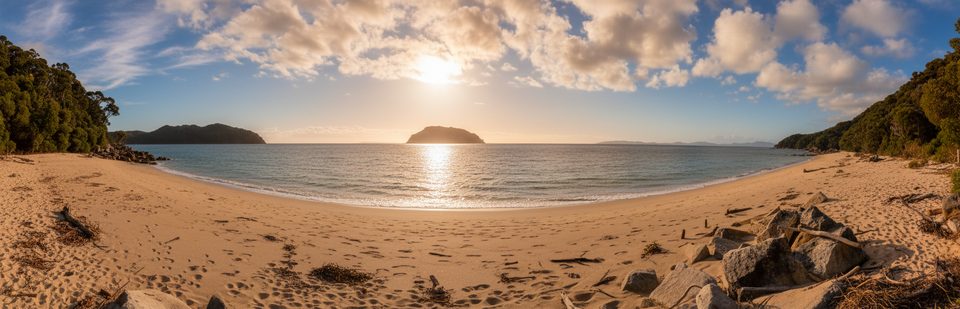
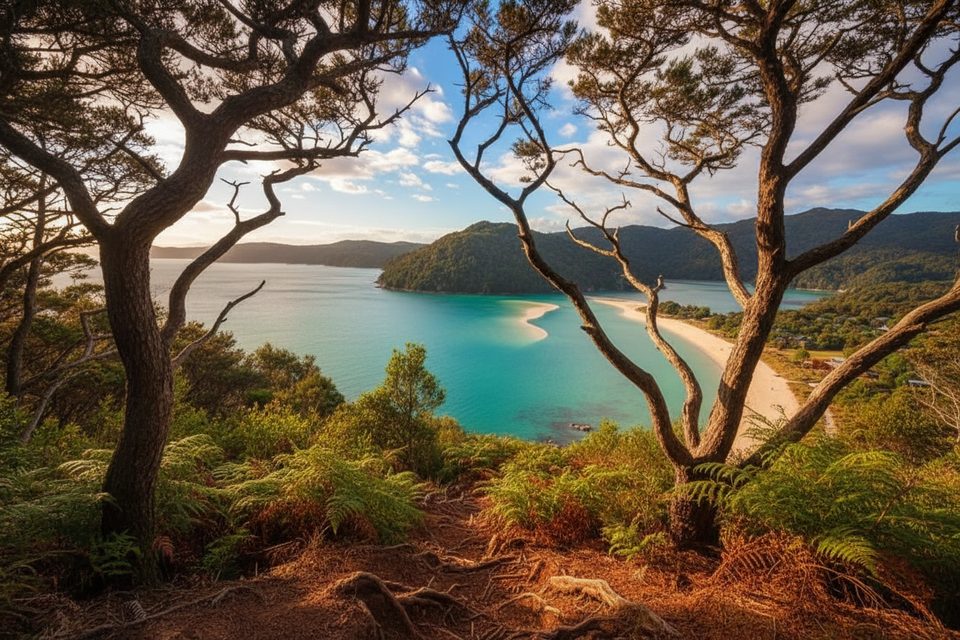
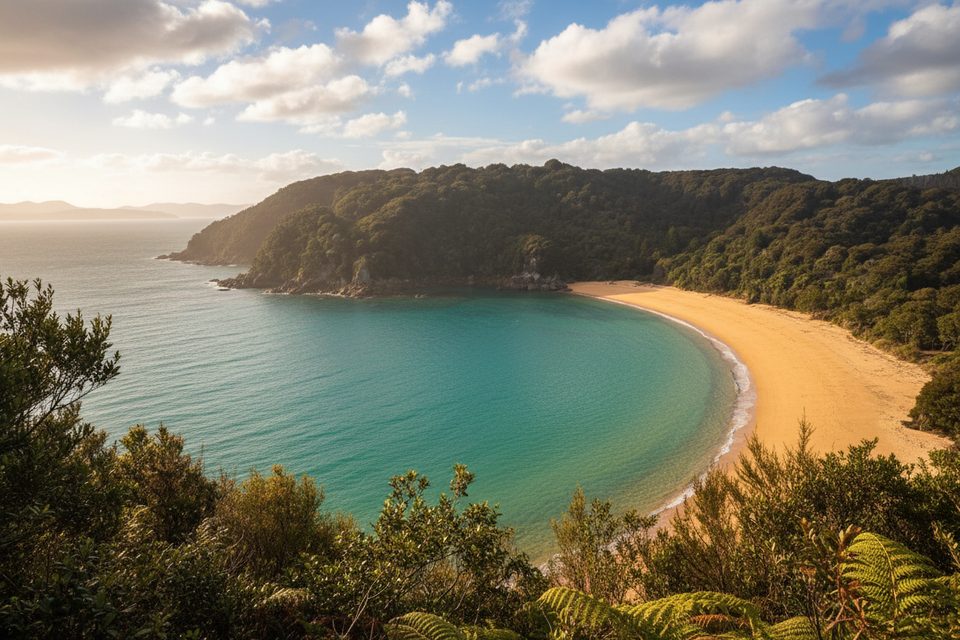
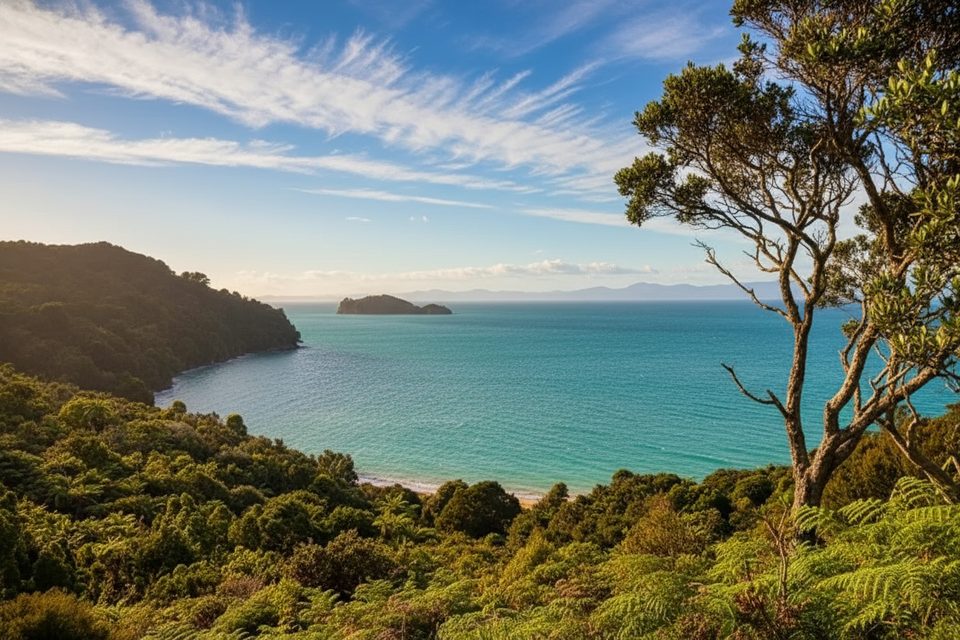
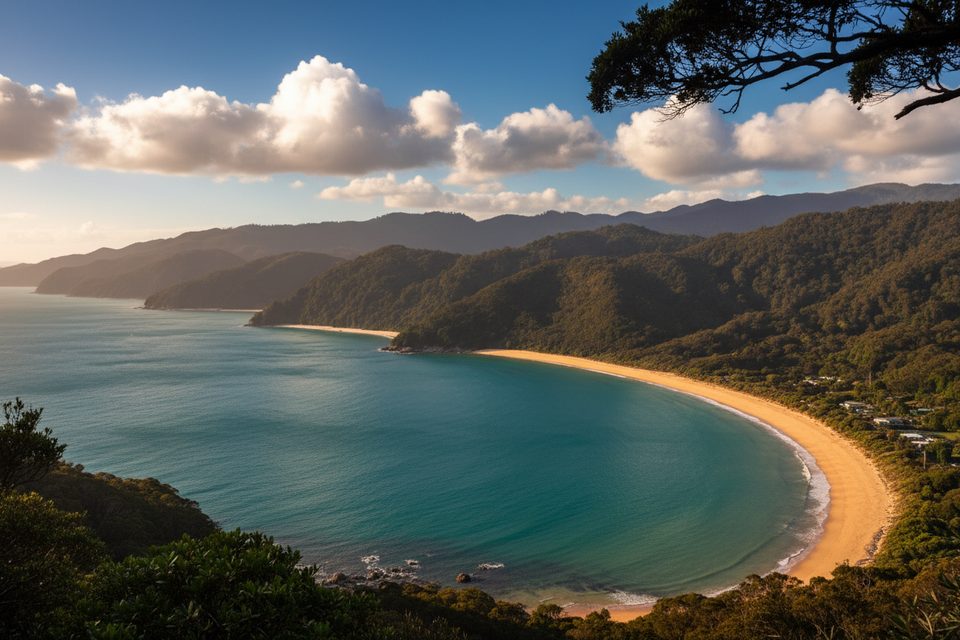
Onetahuti Beach is one of the Coast Track’s big, beautiful sweeps of sand—walk‑in or boat‑in only—with the Onetahuti Bay Campsite tucked just behind the dunes. It’s a scheduled water taxi stop, and the footbridge at the northern end links you toward Awaroa at all tides. Views stretch out toward Tonga Island, and you’re squarely in classic Abel Tasman scenery.
Compared with the park’s smaller coves, Onetahuti feels broad and open, perfect for beach time mid‑tramp or as a relaxed overnight. Fur seals are often seen along this coast, and the nearby waters are a gateway to the Tonga Island Marine Reserve.
There’s no road access. Most people water‑taxi between Marahau/Kaiteriteri and Tōtaranui (stopping at Onetahuti), or walk in via the Abel Tasman Coast Track. Distances on the track: about 38.7 km from Marahau and 14.2 km from Tōtaranui.
Northbound plans hinge on the Awaroa Inlet crossing: it is compulsory, has no track alternative, and is only safe from 1 hour 30 minutes before to 2 hours after low tide, in daylight. Elsewhere on the track, Torrent Bay has an all‑tide alternative, and parts of Goat Bay can be cut off at very large tides. For example, on November 24, 2025, low tide is around 06:47 and 18:53—plan your Awaroa crossing around those windows.
You can come year‑round. Summer brings sea breezes and stronger westerlies late in spring/summer; autumn and winter are generally calmer with fewer insects (but cooler water). For softer light and gentler wind, aim for early morning or late afternoon. If you’re timing a northbound day, align your start with the Awaroa low‑tide window.
Watch for fur seals along the coast, and near Awaroa keep below the high‑tide mark to avoid disturbing nesting birds. Wasps and sandflies are present—carry repellent and any needed meds. Unauthorised drones are not allowed. After a predator‑control operation using 1080 bait completed on September 12, 2025, heed all on‑site warnings and don’t forage for food. The coastline is also tsunami‑prone: after a long/strong quake or unusual sea changes, move to higher ground immediately.
Place · 0 mi away
Place · 0.3 mi away
Place · 0.3 mi away
Place · 0.7 mi away
Moderate · 2.2 mi away
Easy · 4.9 mi away
Easy · 4.9 mi away
Moderate · 4.9 mi away

Parkwolf Tour Guide
