
Place · 0 mi away
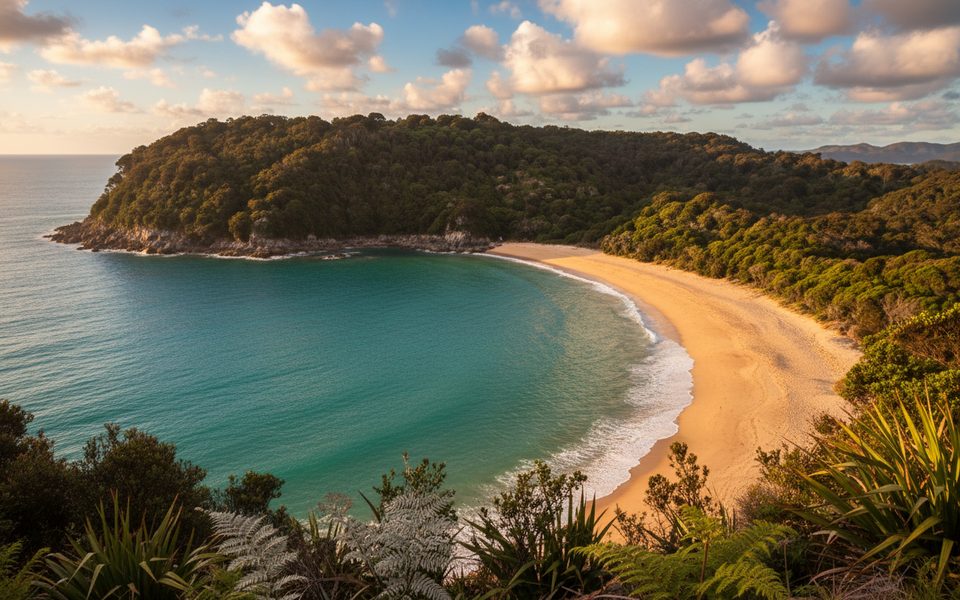
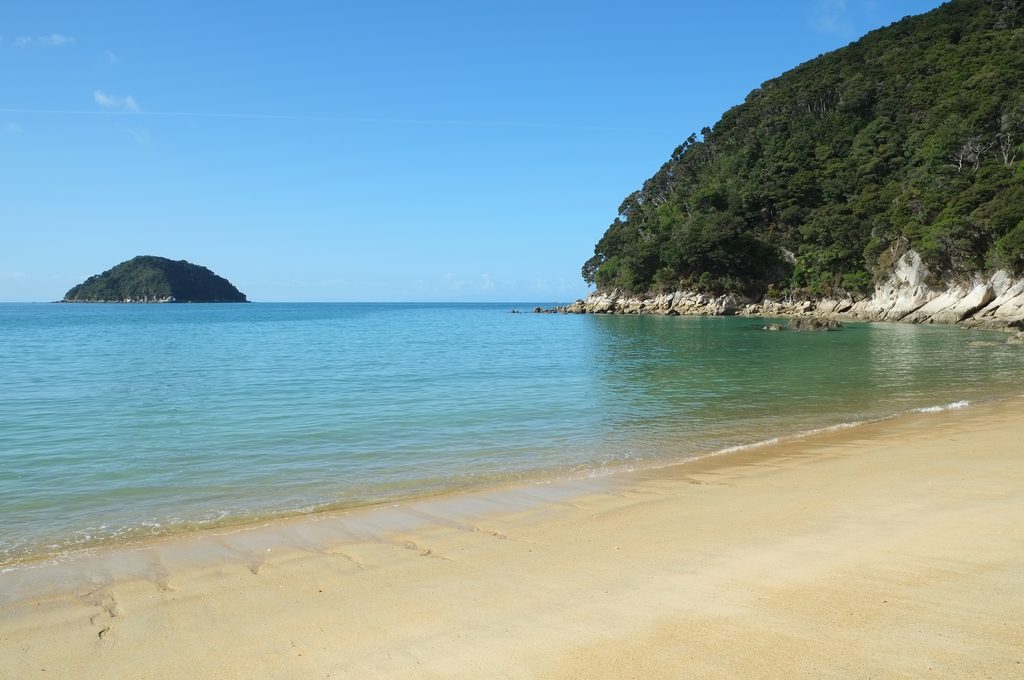
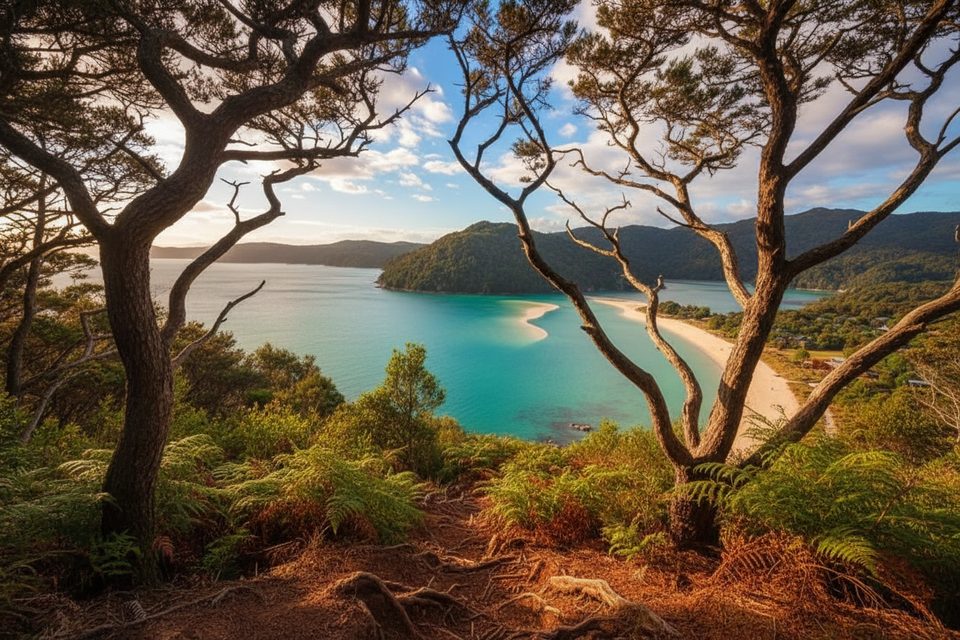
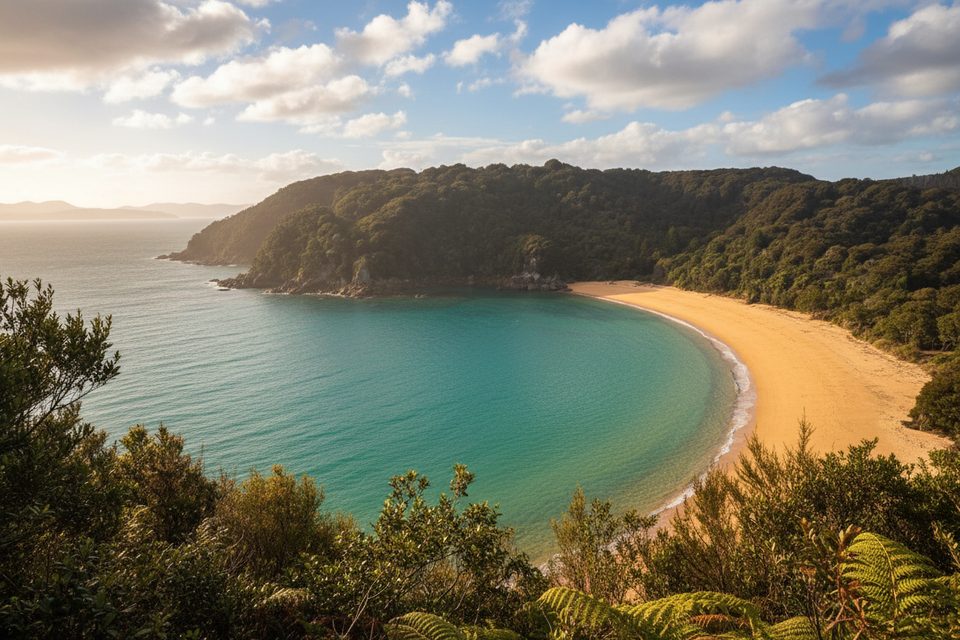
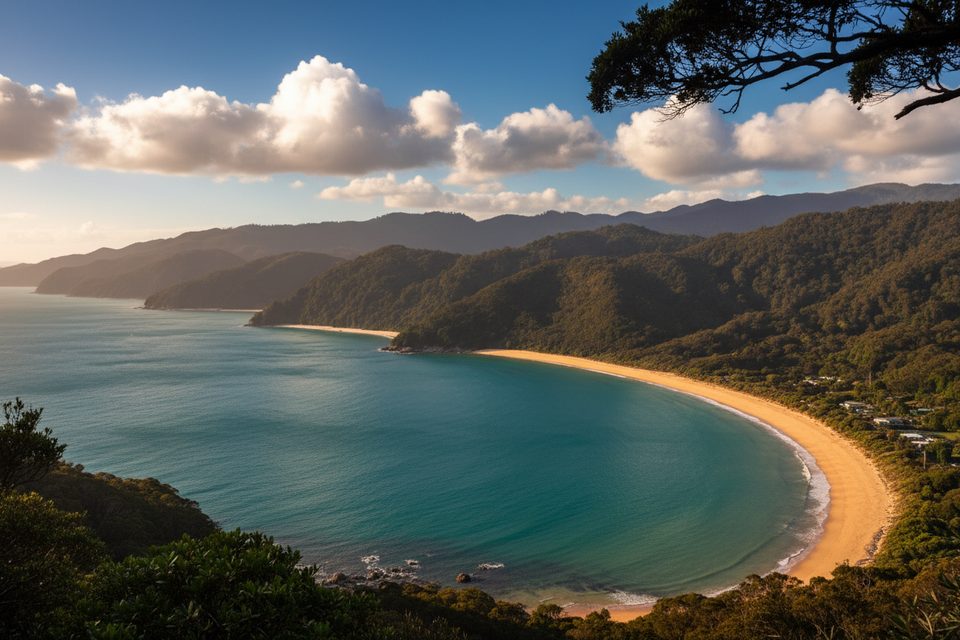
Right on the long, golden sands of Onetahuti, this walk‑in/boat‑in DOC campsite sits on the Mosquito Bay–Awaroa section of the Abel Tasman Coast Track. It’s a scheduled water taxi stop, linked by the Onetahuti Bridge, and positioned about 38.7 km from Marahau and 14.2 km from Totaranui along the track. Expect a simple, beachy vibe with around 20 tent sites and a maximum stay of two nights.
There’s no road access—arrive on foot via the Coast Track or by boat. Booking is required year‑round and is per person, per night. The DOC Campsite Pass isn’t valid here. Tents only (hammocks aren’t suitable). School groups can book, so you may encounter them during term time.
This stretch of the Great Walk includes the Awaroa Inlet tidal crossing. You can only cross in daylight and within 1 hour 30 minutes before to 2 hours after low tide—plan your itinerary, bookings, and transport around that window. If you’re traveling by water, be aware of tidal swings up to 5 meters and unmarked reefs.
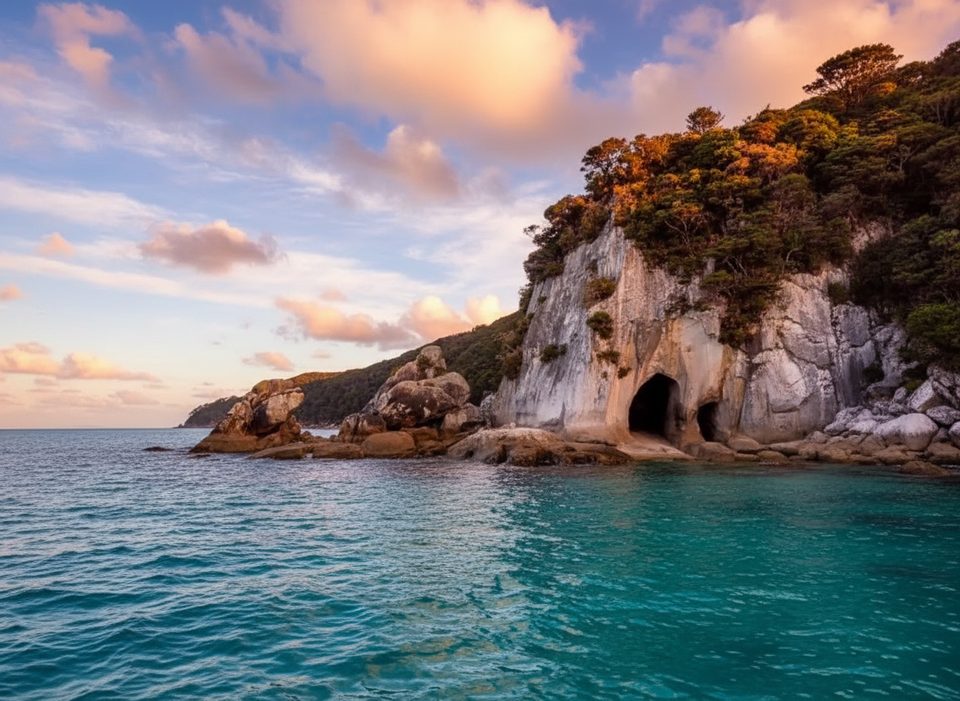
Onetahuti is your first easy springboard into the Tonga Island Marine Reserve. Kayak or snorkel to look for seals and a mix of sea life like red rock crabs, crayfish, snapper, and kina; snorkeling is especially rewarding between Tonga Quarry and Foul Point, with scuba best around the Tonga Island reef. Give any seals plenty of space—at least 20 meters.
Predator control using toxic bait was completed in September 2025. Heed warning signs at entrances and don’t forage or hunt for food here for up to eight months after the operation; the park remains open.
Crowds ebb and flow with water taxis—after the late‑afternoon pickups it’s often quieter on the beach. Fees and demand peak October 1–April 30; May 1–September 30 has lower rates. Above all, time your stay around the Awaroa low‑tide window if you’re walking.
Place · 0 mi away
Place · 0.3 mi away
Place · 0.7 mi away
Place · 0.7 mi away
Moderate · 2.2 mi away
Easy · 4.9 mi away
Easy · 4.9 mi away
Moderate · 4.9 mi away

Parkwolf Tour Guide
