
Place · 0 mi away
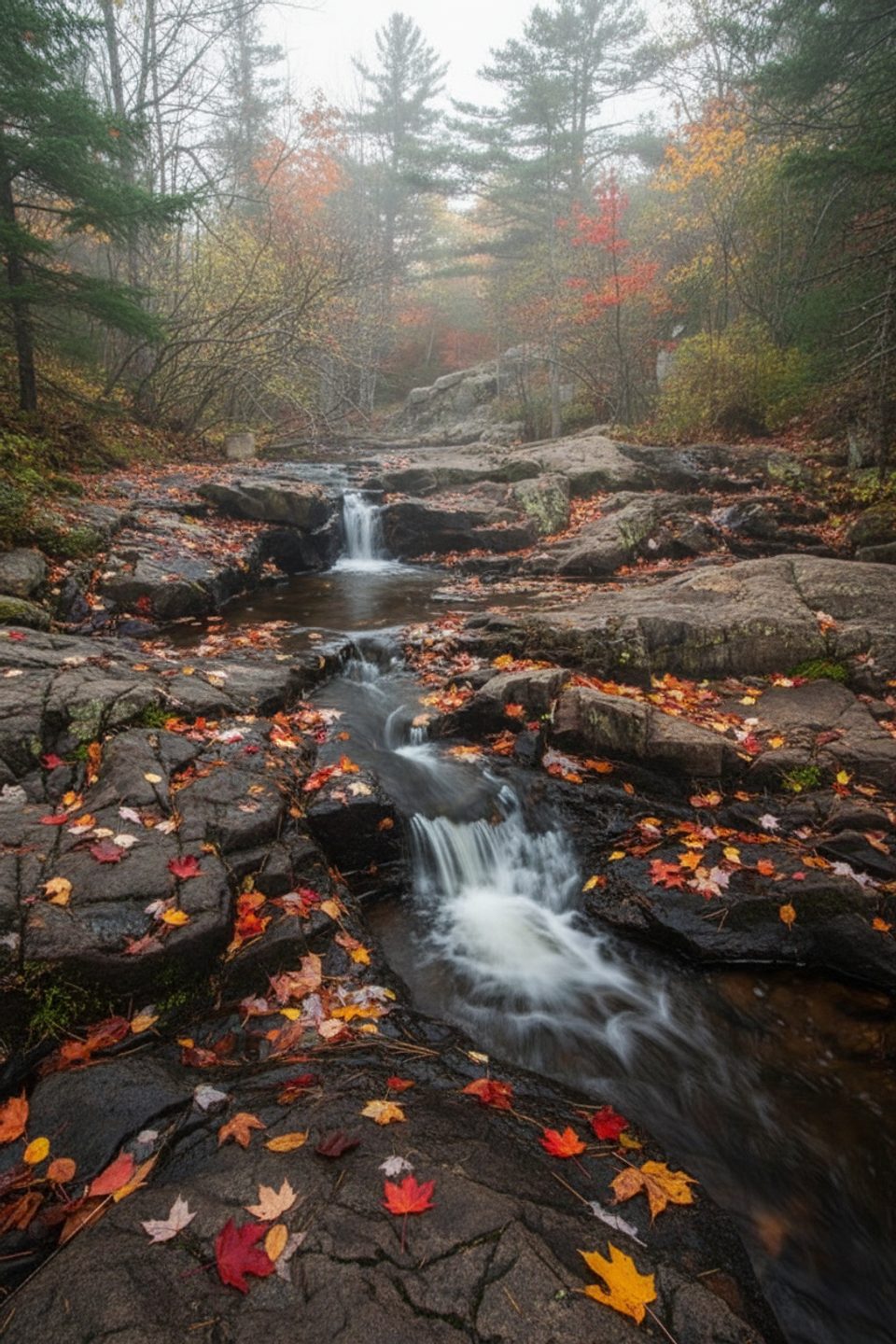
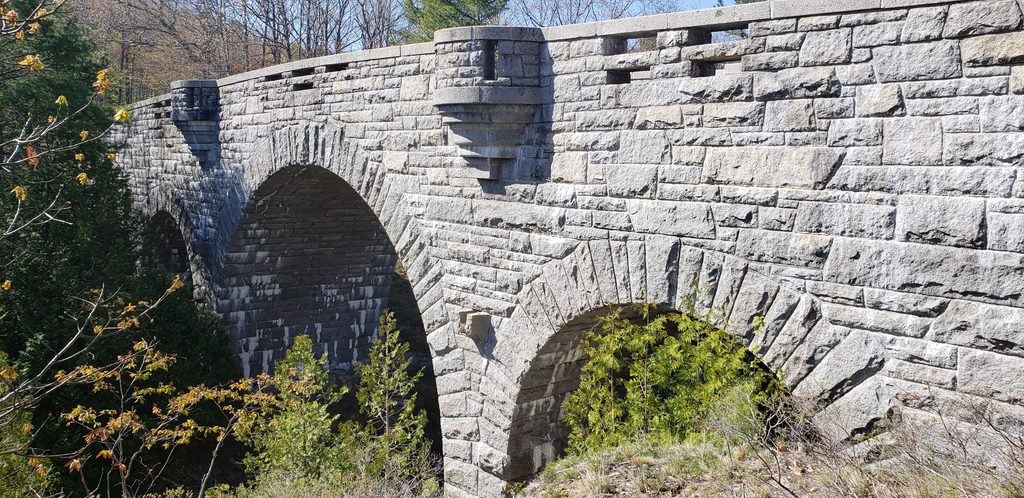
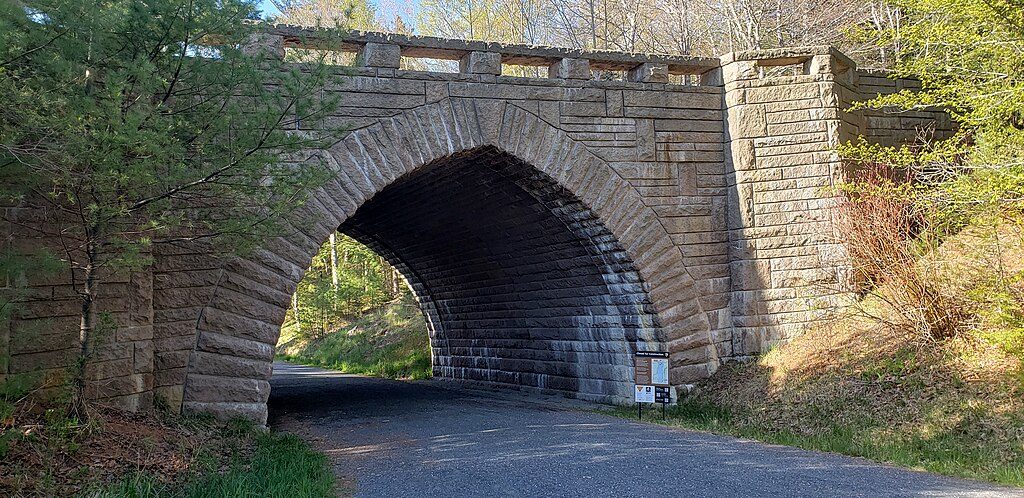
Duck Brook Falls is a modest, pretty cascade tucked directly beneath the historic Duck Brook Bridge. It’s a quick, rewarding stop that blends natural charm with one of the park’s most eye‑catching pieces of carriage road architecture.
The waterfall is framed by Duck Brook Bridge, the tallest and most ornate of the Rockefeller-era carriage road bridges (completed in 1929). Its three arches and turret-style lookouts make the scene feel downright grand. The falls are at their best in spring or after heavy rain, when the brook runs high and photogenic.
Reach the area via the carriage roads near Eagle Lake and Witch Hole Pond or from Duck Brook Road. The best views are down by the brook—look for steps/paths leading from the bridge to the water. Parking near the bridge is very limited, and the road beyond the bridge is closed to vehicles. Expect uneven, sometimes slick footing near the water, especially after rain.
Crowds here are lighter than at the park’s headline spots; mid‑day sees more passersby on the carriage roads, while mornings and late afternoons are typically calmer for photos.
Typical Acadia woodland visitors—songbirds, squirrels and chipmunks, occasional deer. In wetter months, the brook may host amphibians and aquatic insects. Keep a respectful distance and tread carefully along the banks.
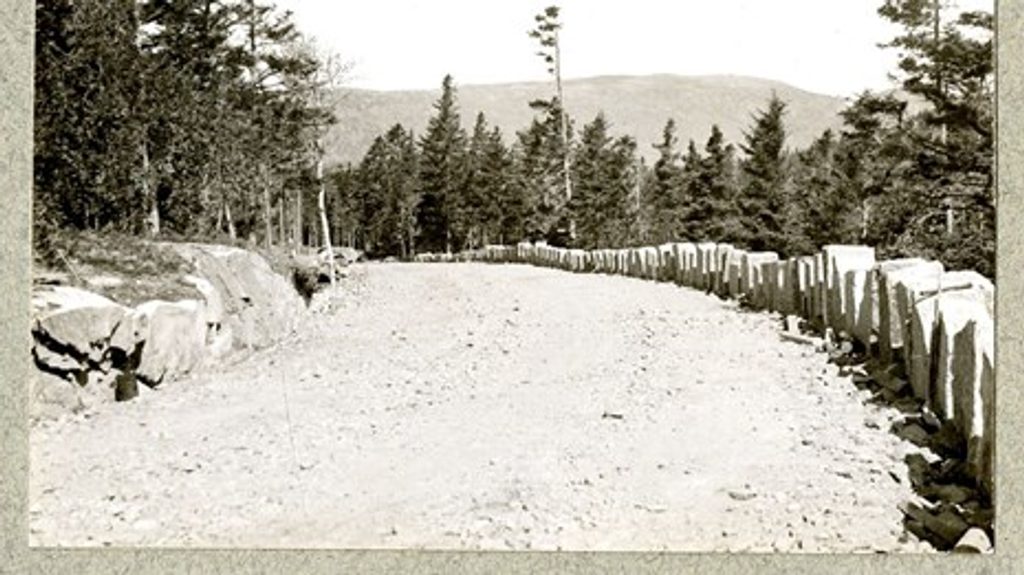
Duck Brook Bridge was finished in 1929 and was the most expensive of the carriage‑road bridges to build. You can still find traces of the 1800s-era Duck Brook Trail nearby, much of it abandoned when the bridge and roads went in.
Some visitors use the pool at the base as a quiet hangout, but water can be forceful after rain and rocks are slick—use caution. No facilities here; plan basics (water, snacks, insect repellent) and consider pairing the stop with a bike or walk on the carriage roads.
A short, scenic detour for architecture lovers, photographers, and anyone linking the carriage roads between Witch Hole Pond and Eagle Lake.
Place · 0 mi away
Place · 0.7 mi away
Place · 1 mi away
Place · 1.3 mi away
Easy · 1.3 mi away
Easy · 1.3 mi away
Easy · 1.3 mi away
Easy · 1.3 mi away

Parkwolf Tour Guide
