

Place · 0.5 mi away
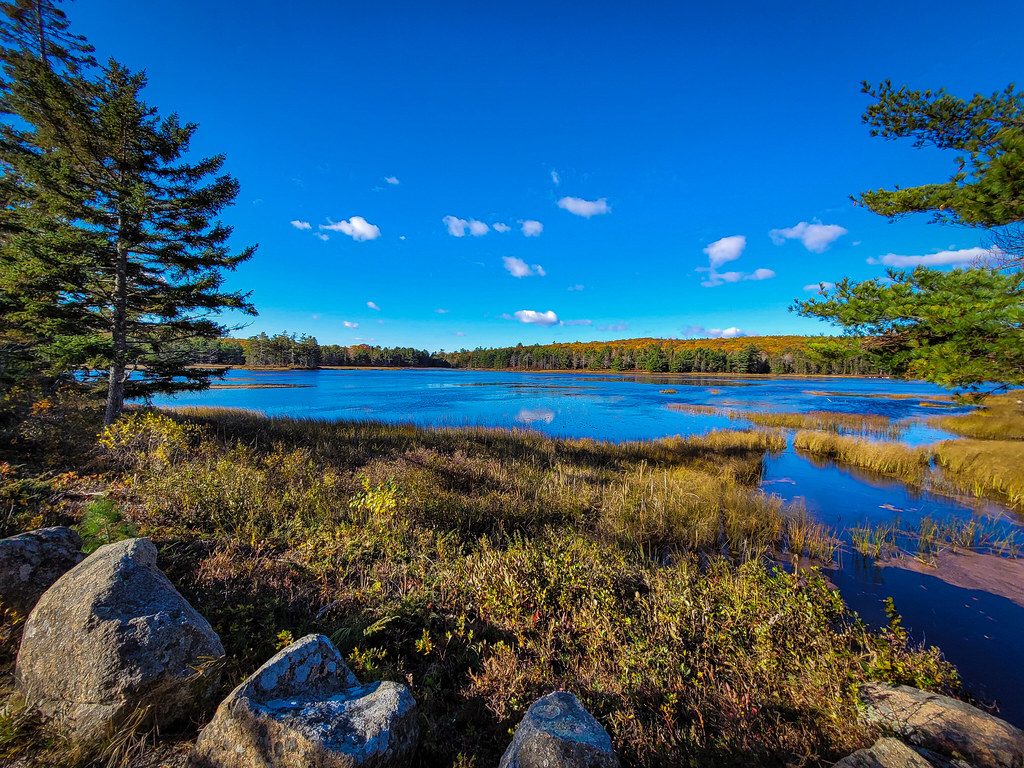
Witch Hole Pond is a quiet, hourglass-shaped, 28-acre pond tucked into the northeast side of the island, just inland from Bar Harbor and near the Hulls Cove Visitor Center. It’s the calm, low-drama counterpart to Acadia’s marquee waters—an easygoing place to stretch your legs or spin a bike without the crowds.
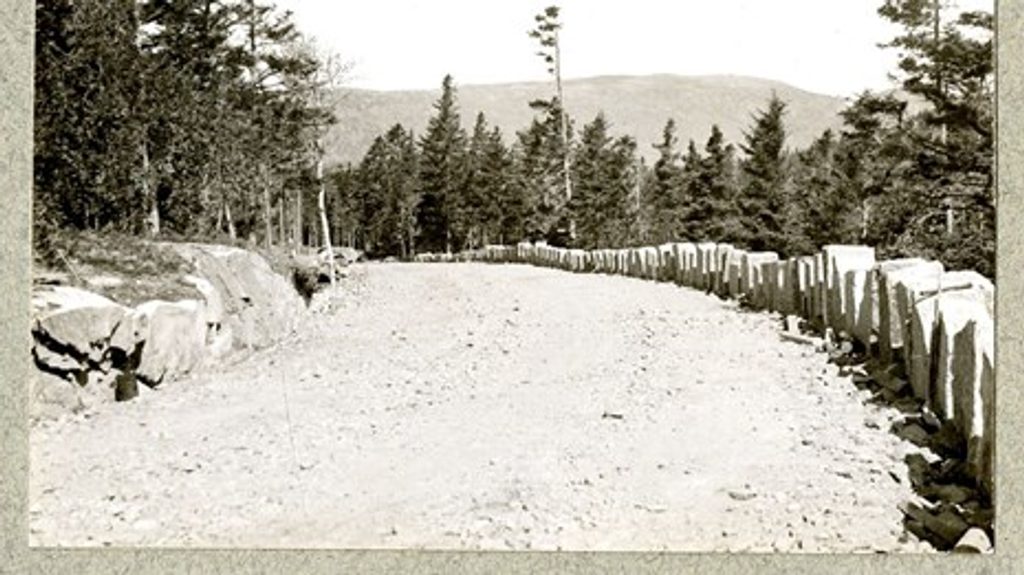
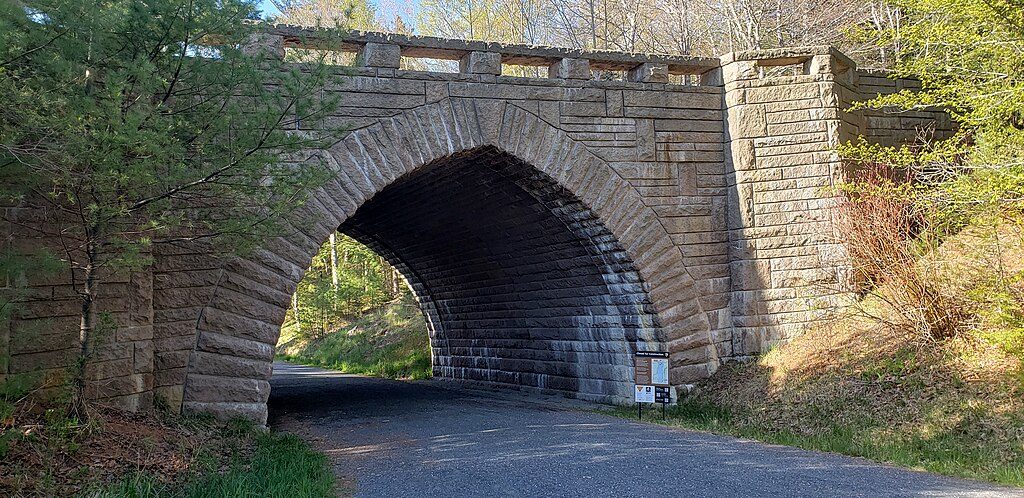
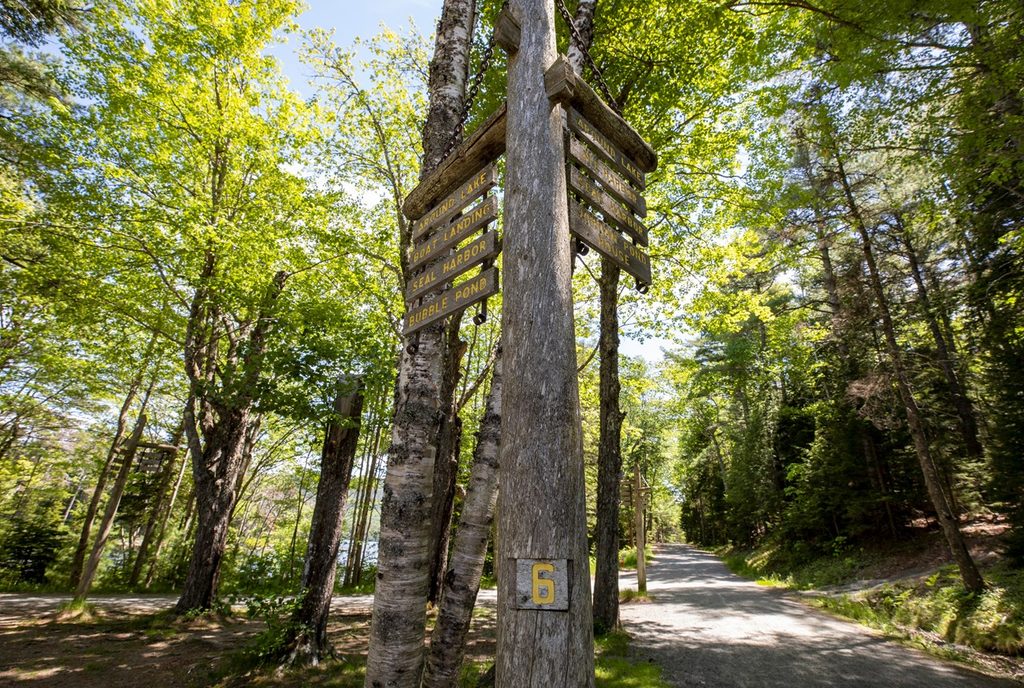
Expect classic carriage-road scenery: wide, well-maintained gravel lanes, forested shorelines, and marshy edges with mountain backdrops. This is a mellow outing rather than a cliffy showstopper. A popular carriage-road loop passes the pond (it’s the largest water you’ll see on that route), and there’s even a crossing at the pond’s narrow northeastern pinch.
Beavers shape the hydrology here—look for dams, gnawed trunks, and slow, pooled water. Birdlife and other small mammals work the wetlands, and anglers specifically target brook trout. In late season, early fall color starts to pop around the shore, and in places you’ll find wild blueberries near the roads.
Most visitors access the pond via the carriage roads from the Hulls Cove Visitor Center area or from parking along Route 233 (about 1.5 miles on the carriage road from a lot across from Eagle Lake). The roads are non-motorized—great for walking, running, or biking—and make for a relaxed loop anchored by the pond.
Acadia’s famed carriage roads—funded and designed by John D. Rockefeller, Jr. between 1913 and 1940—now define the experience here. Before they existed, a distinct Witch Hole Pond footpath hugged the shore; wetlands have reclaimed much of that old trail. Historic maps show the name evolving from “The Witch Hole,” with surrounding lands coming under park protection by the mid-20th century. The 1947 fire also swept this area, reshaping the forest you see today.
There are no services at the pond: no restrooms, water, or dedicated parking right on the shore. Bring bug spray (wetlands mean mosquitoes), water, and a camera. The scene is serene but not dramatic; come for the peace, wildlife, and an easy ride or walk.
Early mornings are blissfully quiet and perfect for a run or bike before crowds build on the carriage roads. Weekdays are calmer than weekends. Early fall brings pretty foliage around the pond.
Place · 0.5 mi away
Place · 0.7 mi away
Place · 0.7 mi away
Place · 0.7 mi away
Easy · 0.7 mi away
Easy · 1.6 mi away
Easy · 1.6 mi away
Easy · 1.8 mi away

Parkwolf Tour Guide
