
Place · 6.8 mi away
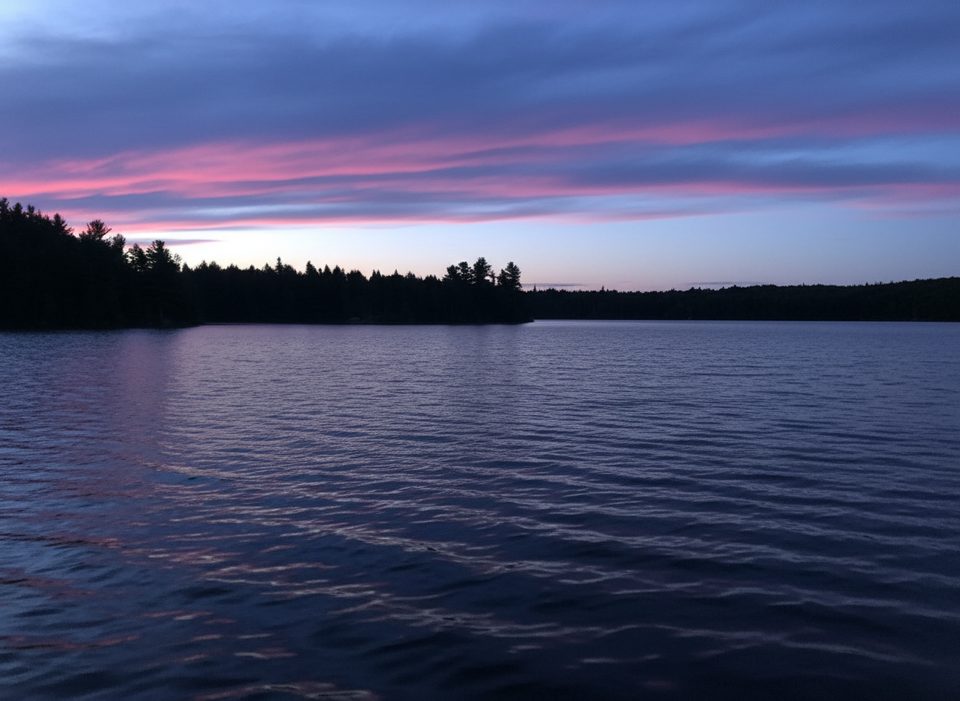
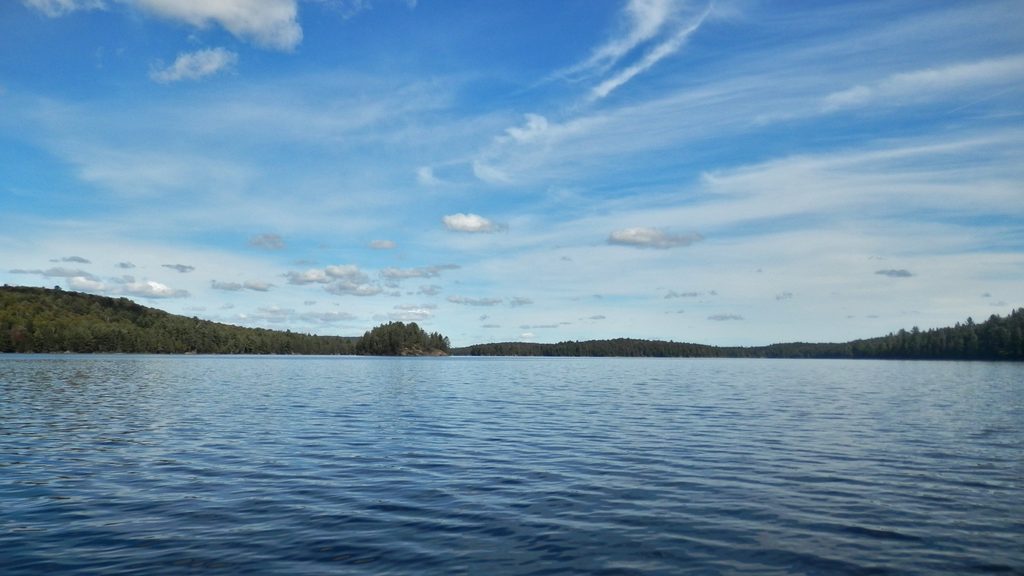
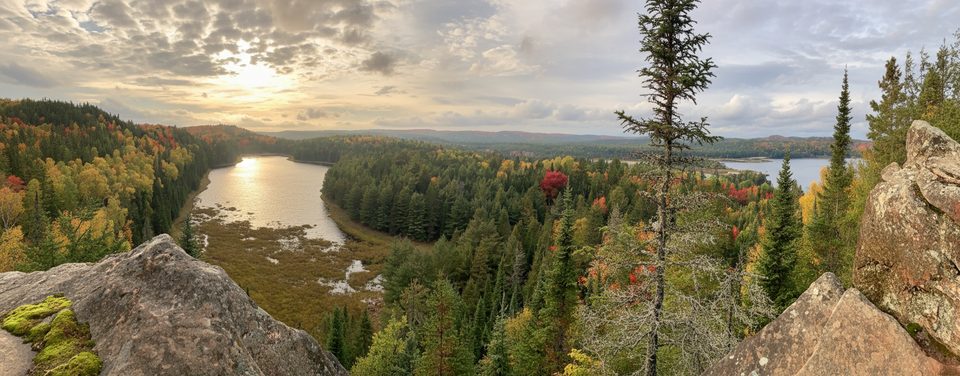
Big Trout Lake is a classic interior destination for multi‑day canoe trips. It’s big, beautiful, and a little wild—think island‑studded horizons, stretches of sand dune shoreline, and the kind of open water that rewards early starts and good judgment.
Most paddlers reach Big Trout from Canoe Lake via Burnt Island and the Otterslide chain. Expect multiple portages on this approach, including a 790 m carry into Little Otterslide, a scenic 730 m beside a waterfall on Otterslide Creek, and a short 105 m drop that lands you right at the base of a waterfall as you enter Big Trout. Alternative approaches exist: from Lake Opeongo (with a challenging ~1,820 m portage), from Lake La Muir (~2,590 m, with fresh spring water at the Big Trout end), and from Longer Lake via a relatively easy ~310 m portage with boardwalks and a flat beach landing on the Big Trout side.
You’ll find lots of campsites here, including many on islands. The most coveted spots—particularly along the south shore and the large island—see heavy use, so arrive early or have backups in mind; smaller western islands can save the day. Backcountry sites come with a privy ("thunderbox"), and there are reports of a few enclosed outhouses on Big Trout as well. Mice are common across interior camps, so keep an immaculate kitchen and protect your food.
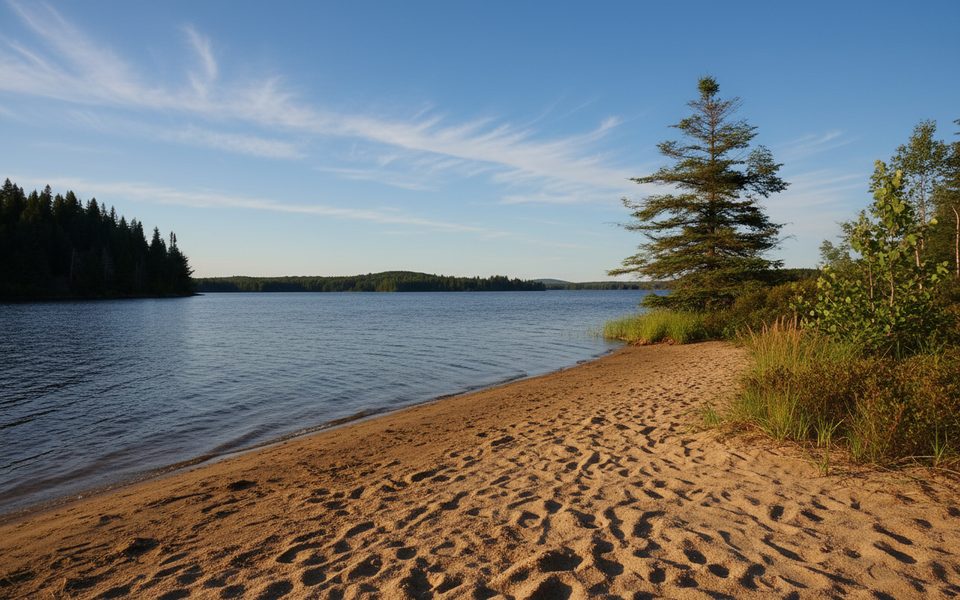
Beyond the broad views, the lake’s sand dunes and the waterfalls by the portages add character. Cormorants are present in the area, and their droppings can stress shoreline trees. If your loop includes nearby marshes like Grassy Bay, moose sightings are possible. Anglers note good fishing here, with springtime brook trout potential near inflows and falls.
Wind is the defining variable—this big lake can build whitecaps, especially later in the day. Crowds thin as you push deeper into the interior, but popular corridors near Canoe Lake can feel busy and camps can show signs of heavy use. Portaging is part of the deal; some carries are short and pleasant, others are long enough to test your pacing.
Mornings are best for big crossings before the wind kicks up. Late summer and early fall have recently seen lower bug pressure, and traffic generally eases the farther you are from entry corridors. Regardless of season, plan your campsite strategy early in the day.
Place · 6.8 mi away
Place · 7.2 mi away
Place · 10.5 mi away
Place · 11 mi away
Moderate · 13.6 mi away
Moderate · 13.6 mi away
Challenging · 13.8 mi away
Challenging · 13.8 mi away

Parkwolf Tour Guide
