
Place · 1.4 mi away
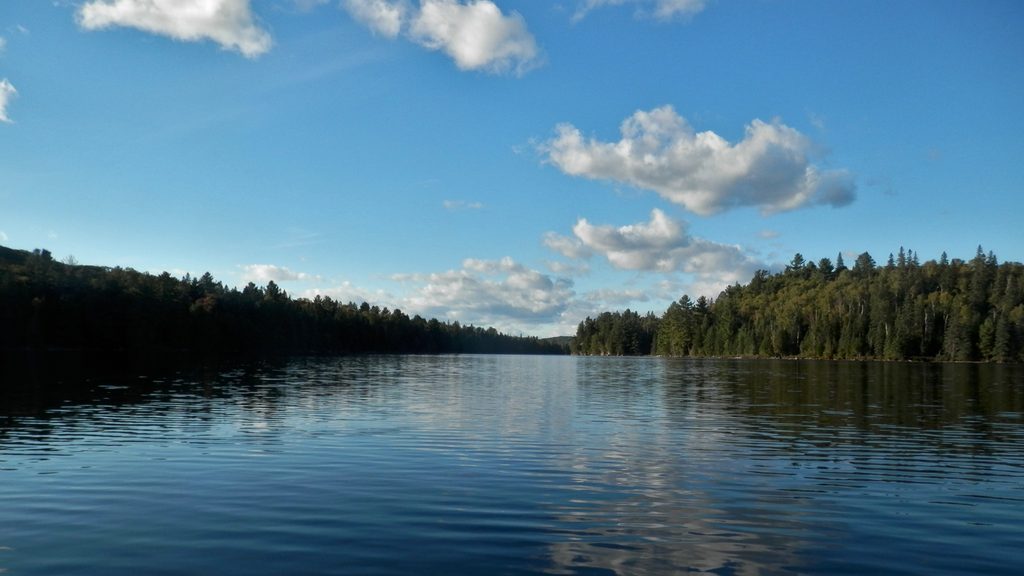
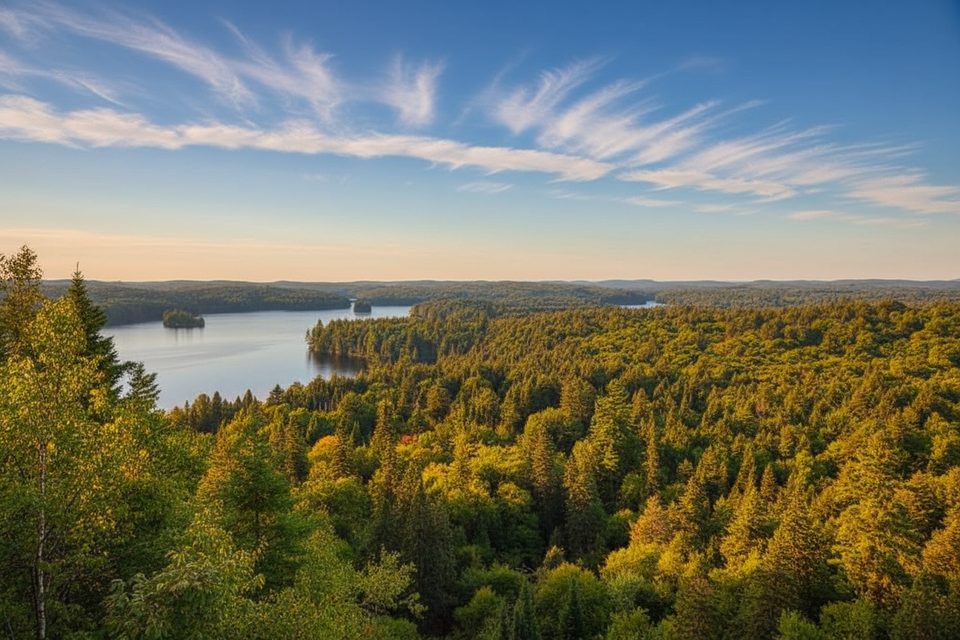
Joe Lake is the classic first‑timer backcountry paddle: close to the Highway 60 corridor, chock‑full of campsites, and surrounded by easy exploring. It’s busy in peak season, but for good reason—swim rocks, a cliff‑jumping island, and zero‑portage paddling into neighboring lakes make it a fun, low‑stress base.
Launch at Canoe Lake Access Point (#5 on Highway 60). From the put‑in it’s roughly 4 km of paddling to a very short, flat 300 m portage—more like a road through the trees—into Joe. Plan on about an hour to reach the portage in typical conditions, then a quick carry to the lake. The access has parking and washrooms, with additional services nearby along the corridor.
Joe is split into two reservation zones: the Western Narrows and the Eastern Arm. Summer (especially July–August) and long weekends are consistently full, so being on the water early greatly improves your odds. The western side has several standout rock‑point sites with big views and good swimming; specific community‑labeled favorites include sites often referred to as “2” and “4.” Another well‑liked option overlooks Tepee Lake with a shallow, sandy entry. A few spots on the west shore are smaller with mucky shallows, and one grassy site can be notably buggy in early summer. Important: campsite “numbers” you see on planning maps are community references only—the park doesn’t assign official numbers to backcountry canoe sites.
Mid‑week is your friend, especially in July–August and on long weekends when demand spikes. Early summer can bring heavier bugs at grassy sites; later summer into fall is typically more comfortable. For golden light, west‑facing rock points on the western arm deliver easy sunset hangs.
Backcountry sites have the standard setup: fire pit and simple “thunderbox”; don’t expect picnic tables—bring a camp chair or small table if you want one. Draw water from the lake and treat it. If you need facilities before launching, use the washrooms at the Canoe Lake access and comfort stations along Highway 60. Historic spots dot the shoreline if you like to poke around between swims and paddles.
Place · 1.4 mi away
Place · 2 mi away
Place · 2.9 mi away
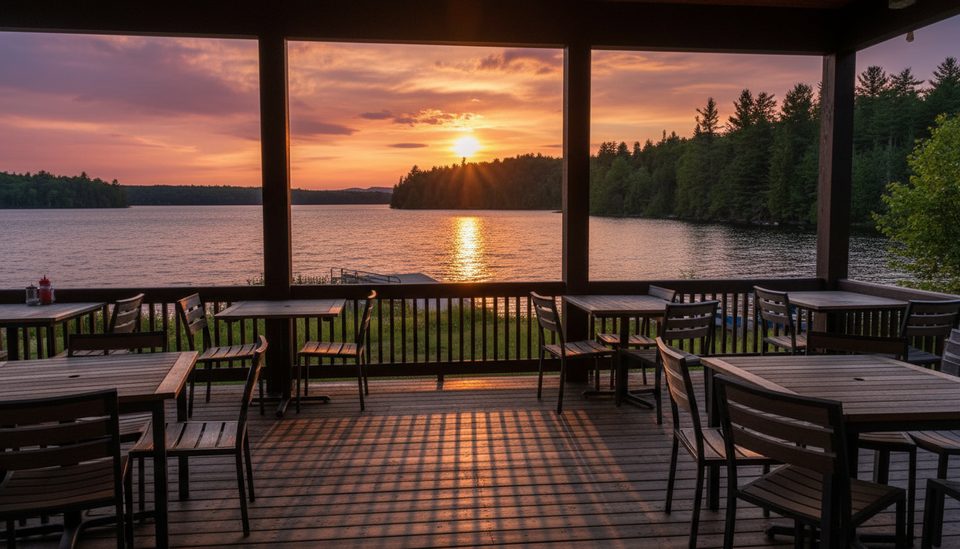
Place · 3.2 mi away
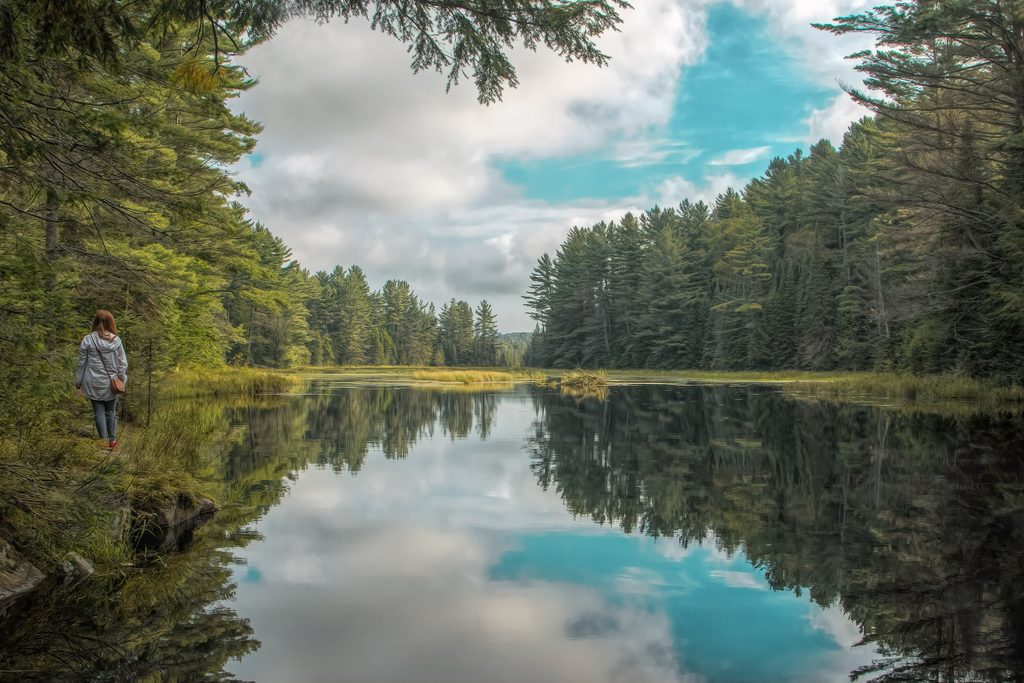
Moderate · 2.9 mi away
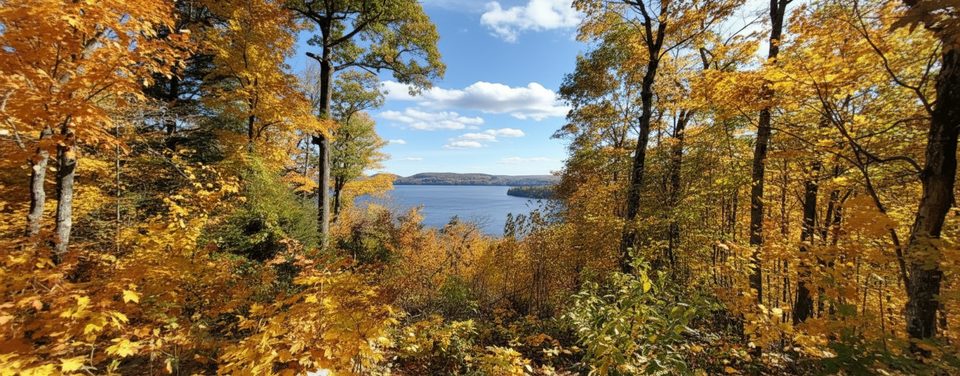
Easy · 3.7 mi away
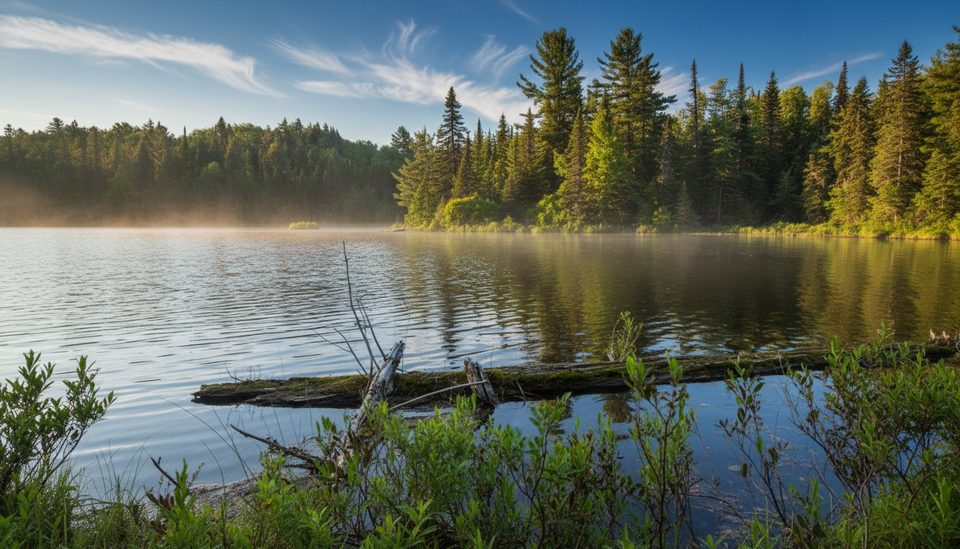
Easy · 3.9 mi away
Challenging · 6.7 mi away

Parkwolf Tour Guide
