Place · 4.8 mi away

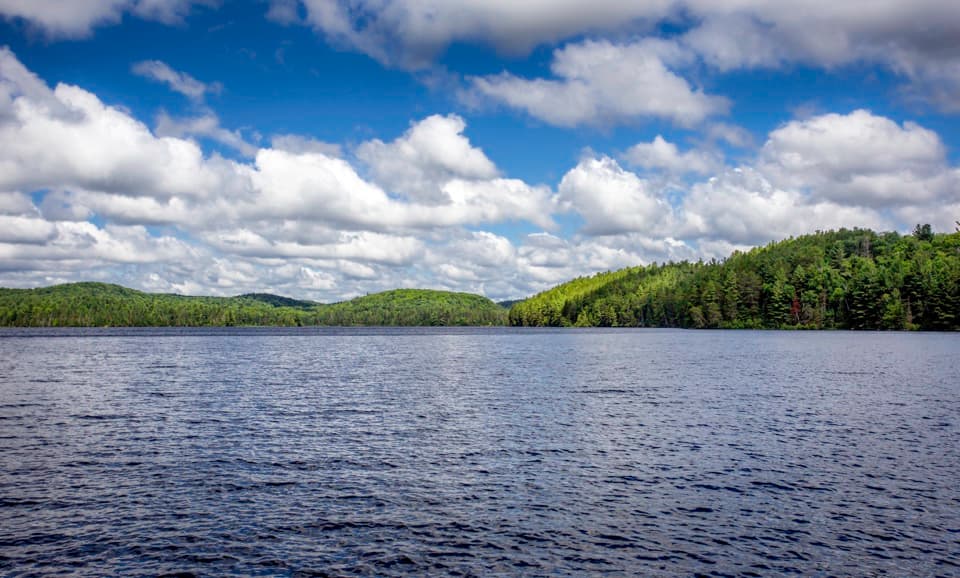
Rain Lake Access Point is the west-end gateway to backcountry canoe trips and the Western Uplands Backpacking Trail. It’s popular because you can push off and start paddling with no initial portage, making it an easy launch for first-timers and families. Expect company at peak times, but it’s a great springboard to quieter lakes once you’re underway.
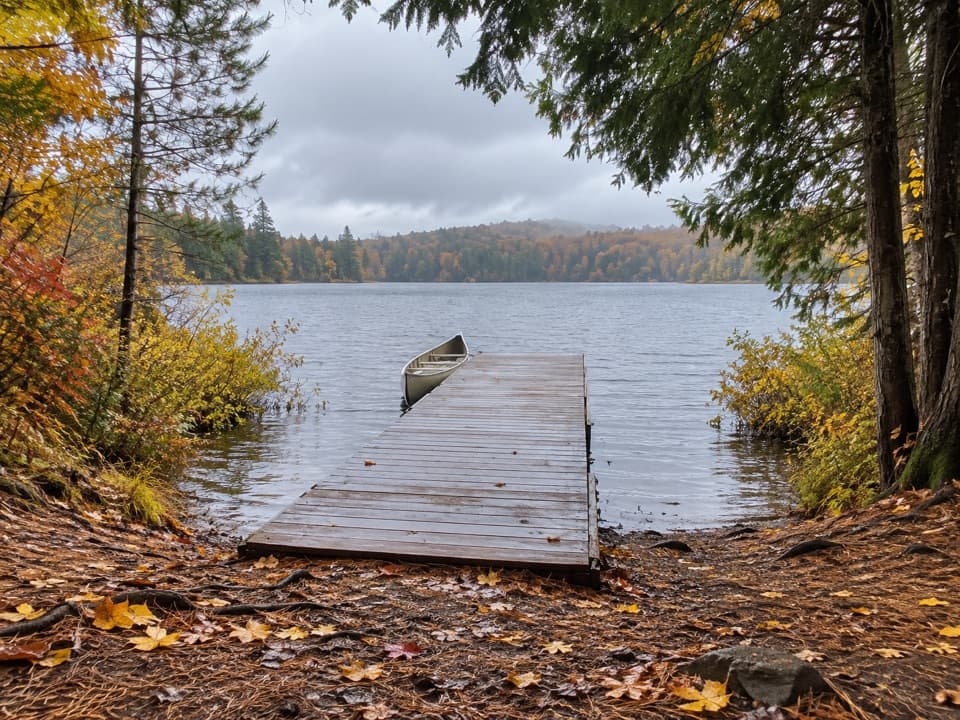
You’ll find a dedicated parking area, an outhouse-style toilet, and an official boat launch (with a small dock for loading). There’s no office or services on-site—reserve backcountry permits in advance and pick them up in Kearney. The final stretch in is a long gravel road used by logging trucks, so drive slowly and budget extra time.
From here, paddlers can explore Rain Lake’s island and shoreline campsites or continue deeper into the backcountry. A short 300 m portage links Rain Lake to Sawyer Lake, and there are established routes that carry on to a network of interior lakes. Backpackers start the Western Uplands here via an easy, flat section on an old rail bed before the trail branches to interior lakes and campsites.
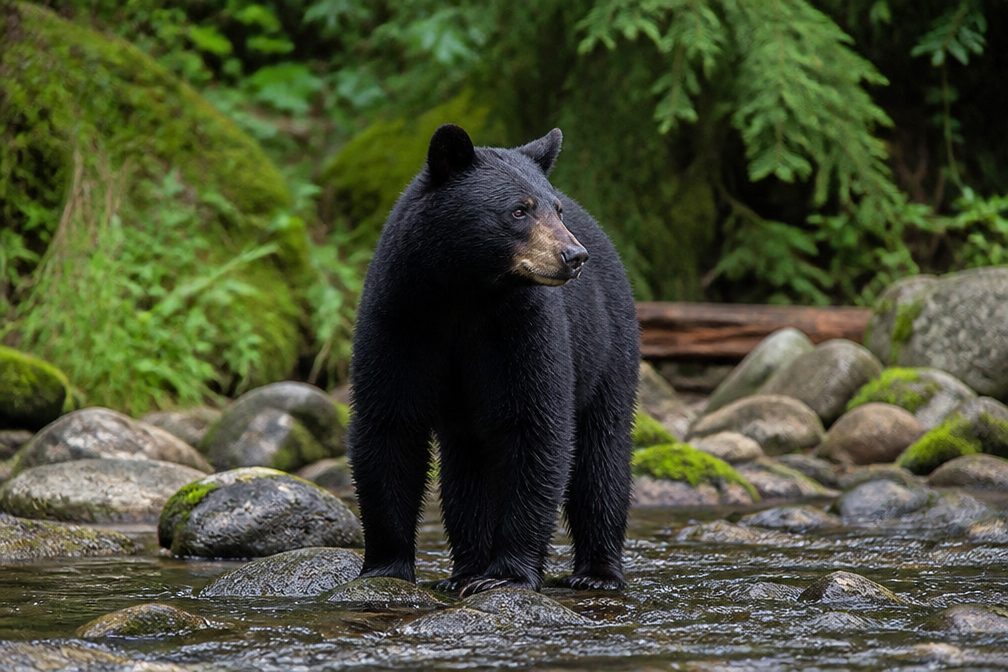
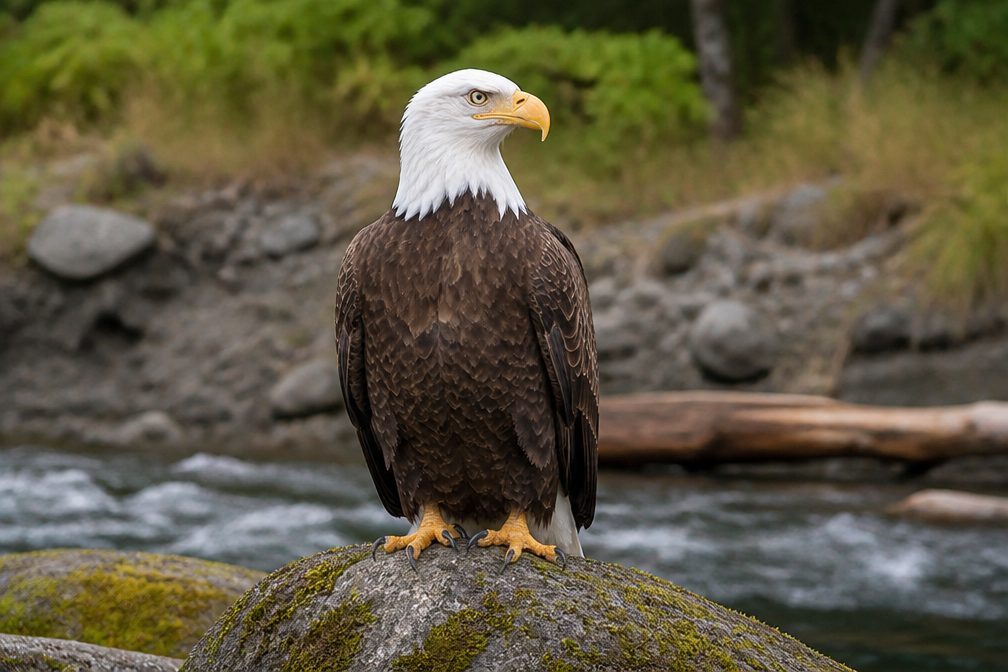
Keep an eye (and ear) out for loons on calm mornings, plus frequent birdlife. Moose are present in the area, and snapping turtles are occasionally spotted near shorelines.
Island sites on Rain Lake are coveted and tend to go early. There are a handful of drive-in “jump-off” campsites right at the access point that are booked separately from interior sites—handy if you arrive late or need to stage before heading in. Interior sites vary; some offer great swimming while others can be weedy, and you should plan to hang food overnight.
For smooth launching and fewer crowds, arrive early on weekdays or before 9 am on summer weekends. Mornings usually mean calmer water for paddling and easier loading at the dock. Before you go, check park advisories for water levels or temporary closures.