
Place · 1.3 mi away
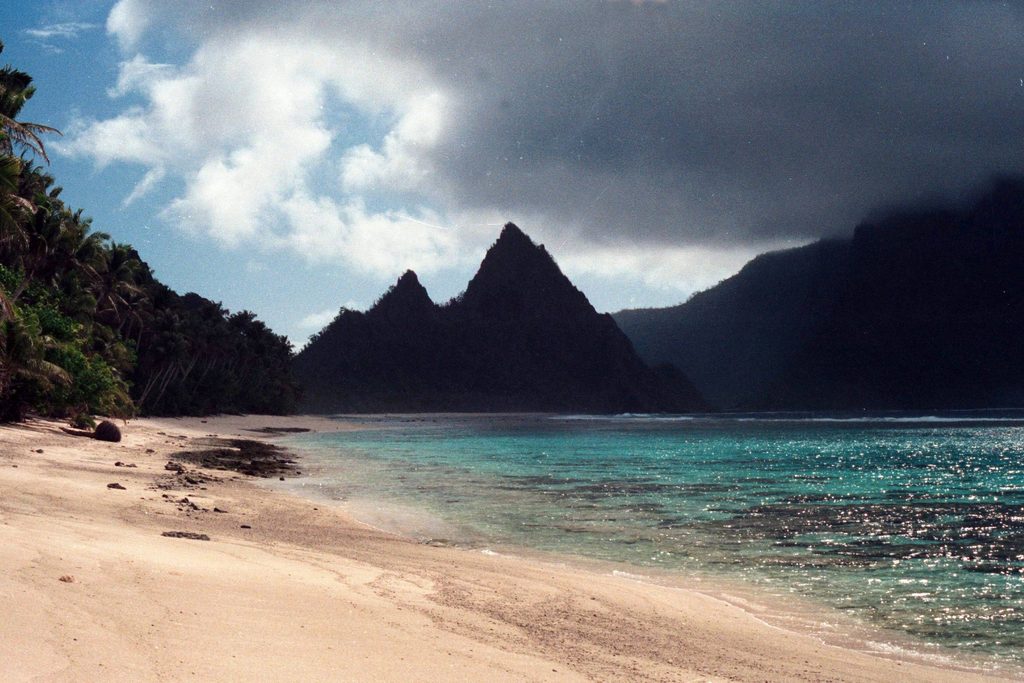
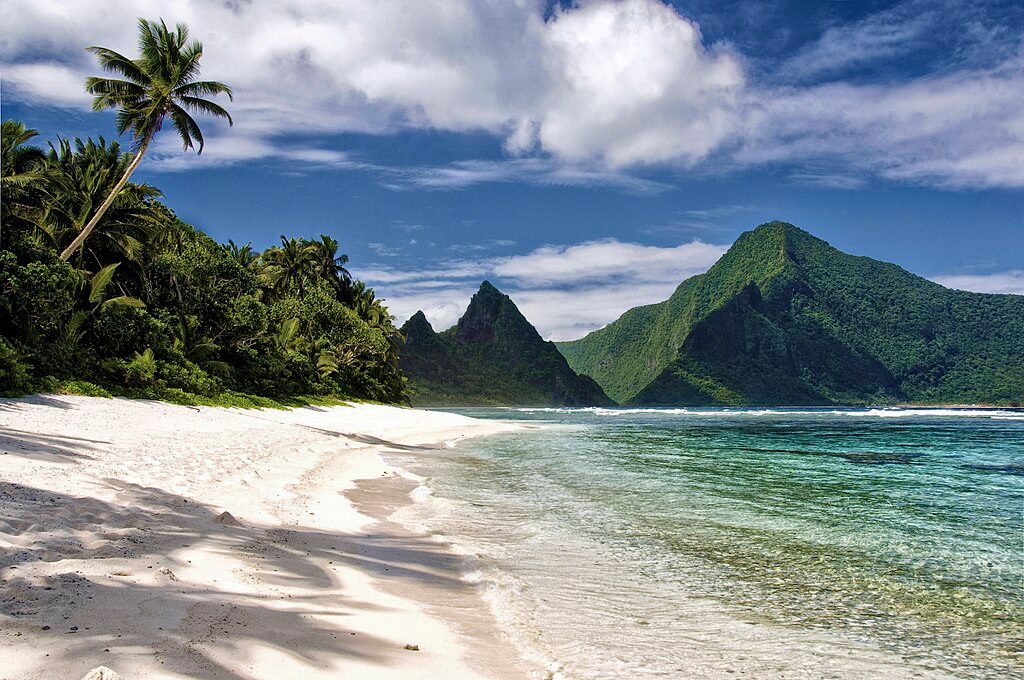
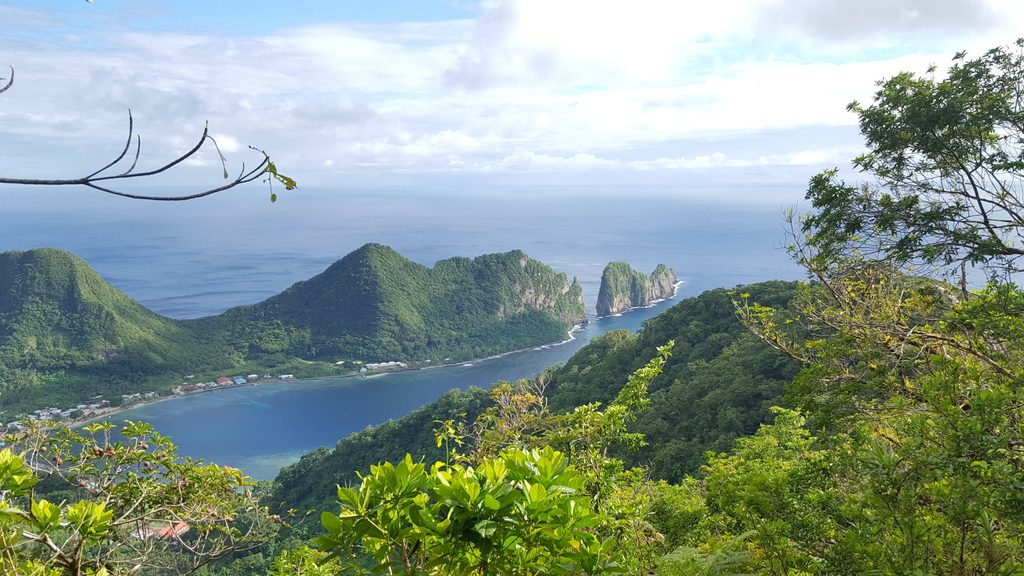
Ofu Island is the park’s wild, quiet showstopper—remote, volcanic, and blessed with a dazzling lagoon. Most of the National Park unit here hugs the south shore: a long ribbon of pale sand fronting an exceptionally healthy reef and framed by jungle and steep cliffs.
Expect a 2–2.5‑mile sweep of beach on the south coast, clear shallows over living coral, and the kind of solitude you rarely get anywhere. Snorkeling is the headliner—reefs start right offshore, with colorful corals and tropical fish just below the surface. Views stretch toward tiny offshore islets and the rugged profiles of Ofu‑Olosega.
Underwater is the star: vibrant fringing reefs support a wide range of corals and reef fish. On land, the forests and cliffs harbor island wildlife typical of the Manu‘a group; this is a place to keep your eyes and ears open as you wander.
Reaching Ofu takes planning. The island sits in the Manu‘a group, far from the territory’s main hub. Scheduled access is limited and geared to the local community, not tourists. Once here, the park section is right along the south shore—no complicated approach necessary beyond getting yourself to the island.
There are essentially no park facilities on Ofu: no stores, no restaurants, and no gear rentals. Bring your own snorkel kit, sun protection, water, and anything you can’t live without. Lodging and services on the island are minimal and independent of the park.
Solitude. You’ll often have the beach and lagoon to yourself, with world‑class snorkeling a few fin kicks from the sand and a dramatic volcanic backdrop. It feels pristine because it is.
Whenever your transport lines up. For snorkeling and photos, aim for clear, calm conditions—cloudy or rainy weather can dull the water and your images. Early and late light flatters the cliffs and beach; midday sun gives the brightest underwater visibility.
Use reef‑safe sunscreen, don’t stand on coral, and give all marine life plenty of space. The reef here is precious—treat it like it’s your own.
Place · 1.3 mi away
Place · 3.1 mi away
Place · 3.6 mi away
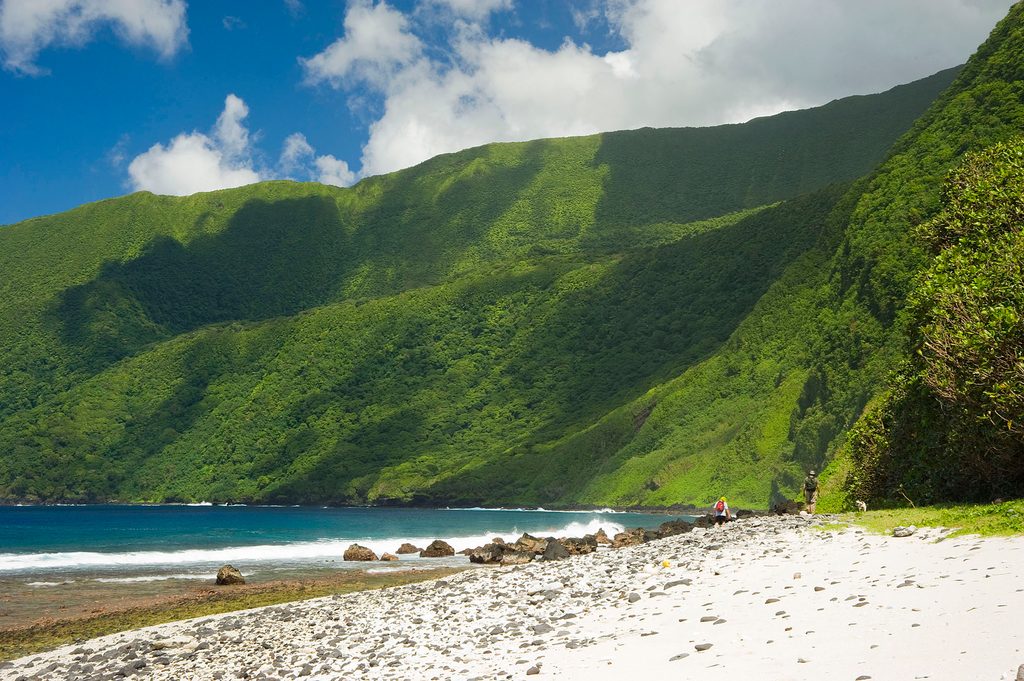
Place · 14.8 mi away
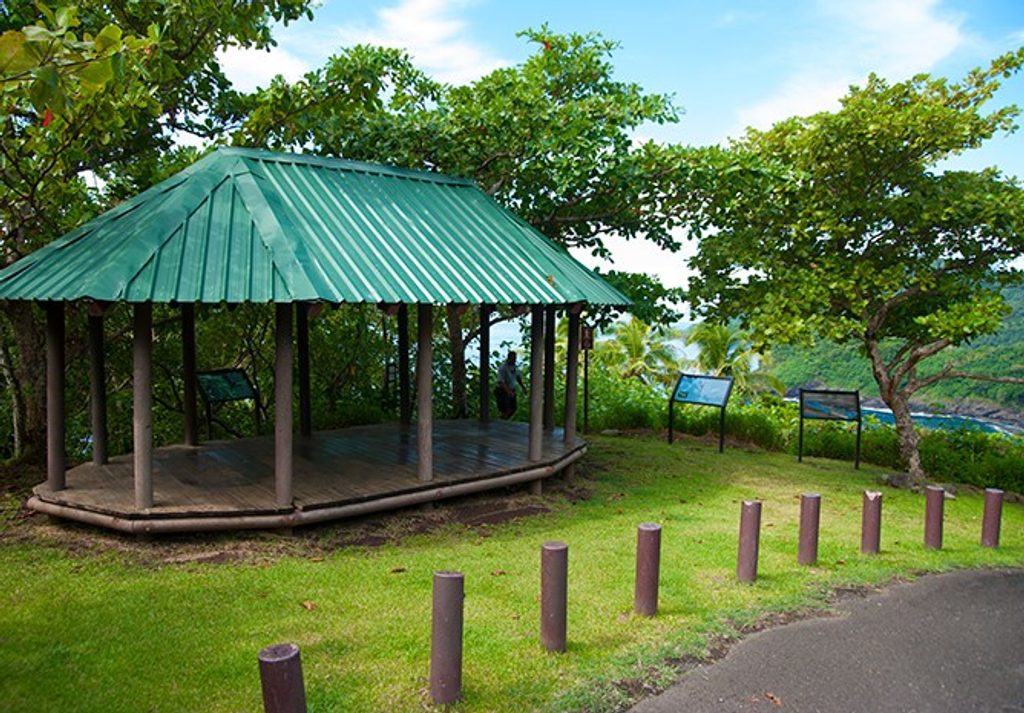
Moderate · 66.8 mi away
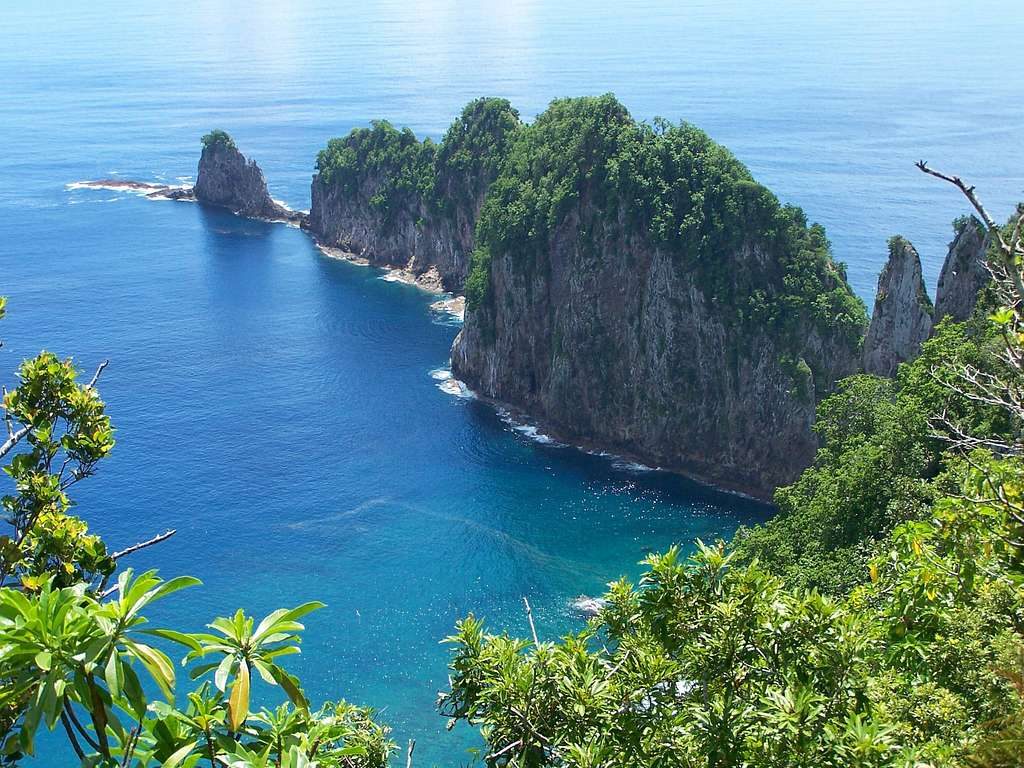
Easy · 67.5 mi away
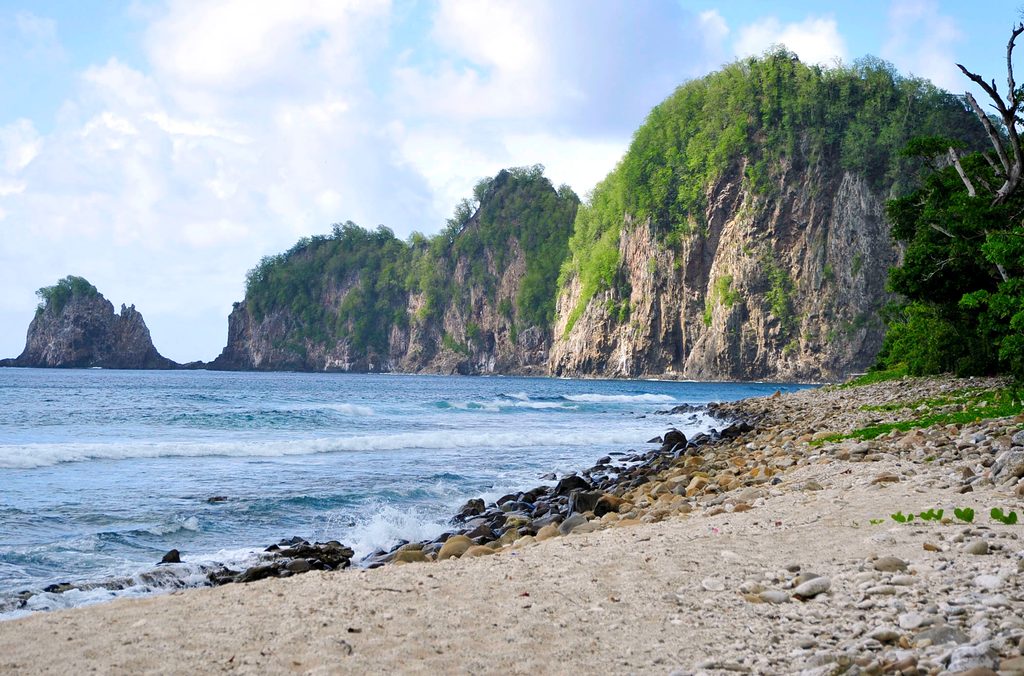
Challenging · 67.6 mi away
Challenging · 70.5 mi away

Parkwolf Tour Guide
