
Place · 0.5 mi away
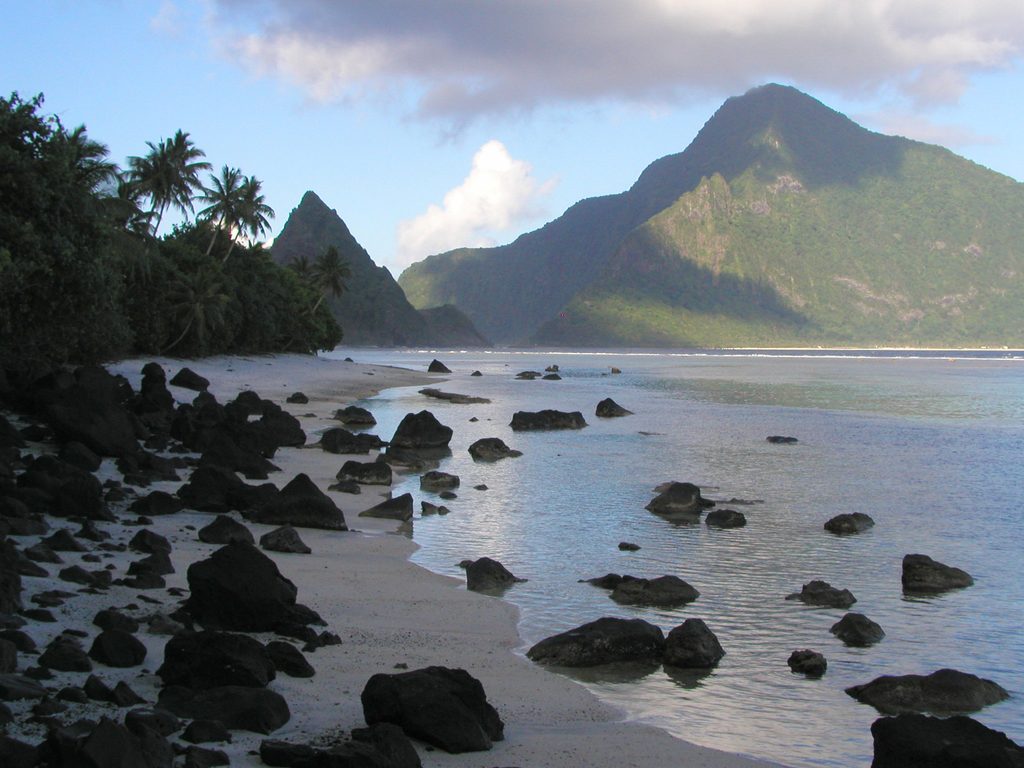
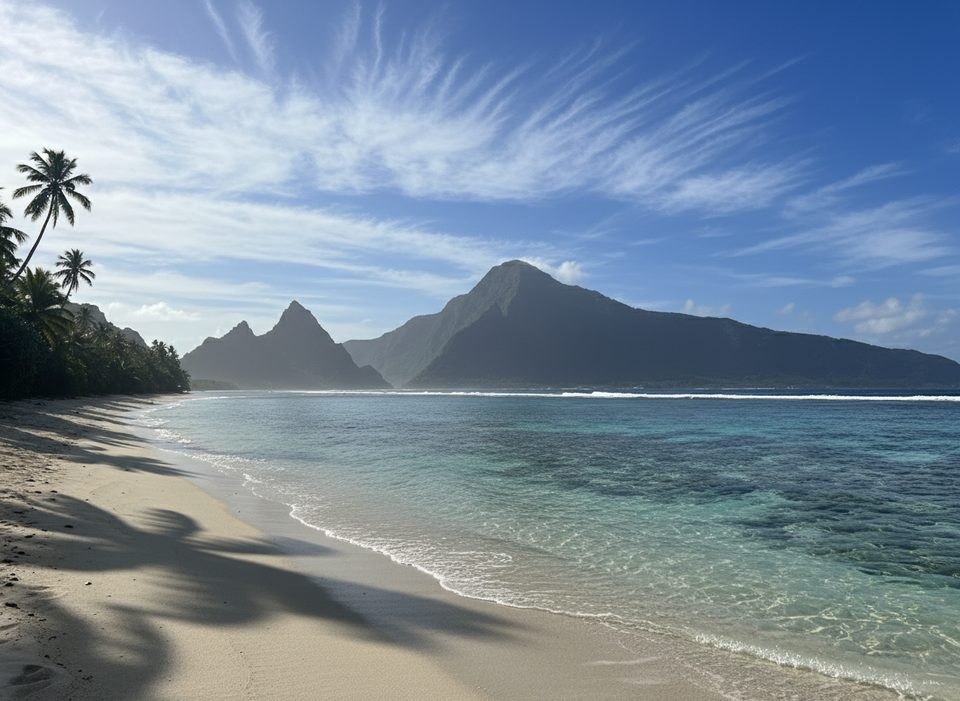
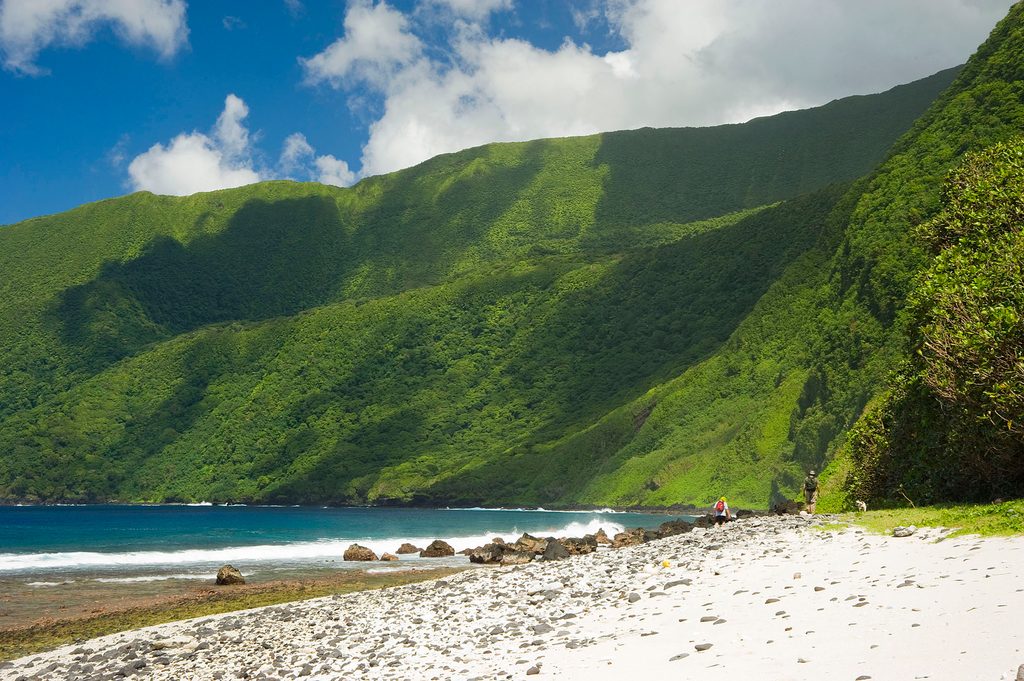
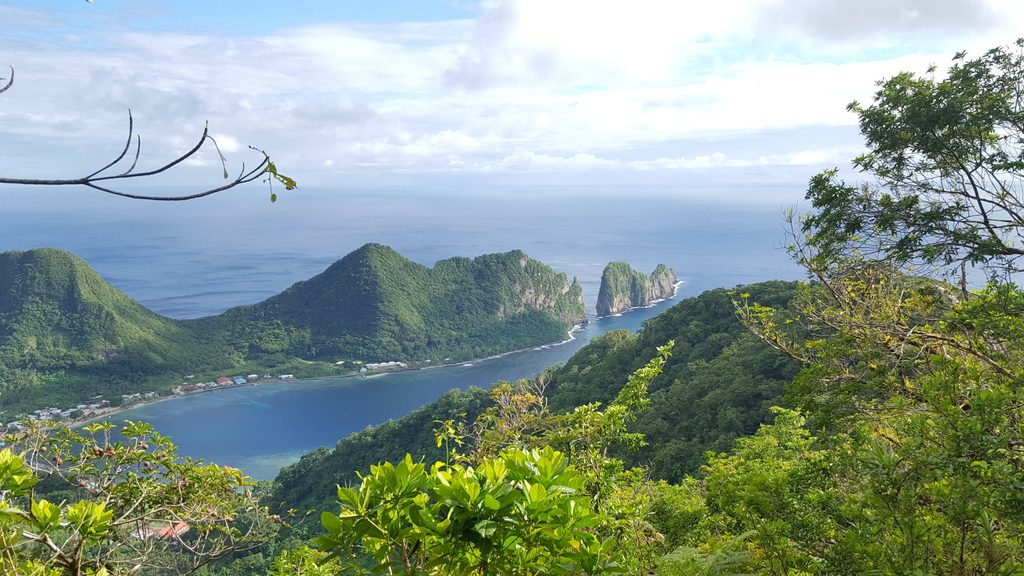
Olosega is the petite, dramatic half of the Ofu–Olosega duo in the remote Manu‘a group. Steep volcanic ridges plunge into turquoise water, villages are small and traditional, and sections of the island and its surrounding waters fall within the National Park’s most untouched units. It’s as far from a developed park experience as you’ll find—quiet, gorgeous, and very self‑reliant.
A single‑lane bridge links Olosega to neighboring Ofu across the shallow Āsaga Strait, making casual island‑hopping easy. On the ground, expect minimal infrastructure and very limited supplies; most travelers bring everything they need. Trails aren’t formally developed or marked. The National Park emphasizes that you won’t find the usual facilities here; the only park visitor center is back on Tutuila.
Underwater is the headliner: vibrant coral gardens support a wide array of reef fish, with occasional sea turtle sightings. On land, rainforest shelters native birdlife and plants, and larger fruit bats may be encountered. Avoid touching coral and keep fins and feet off the reef to protect this fragile ecosystem.
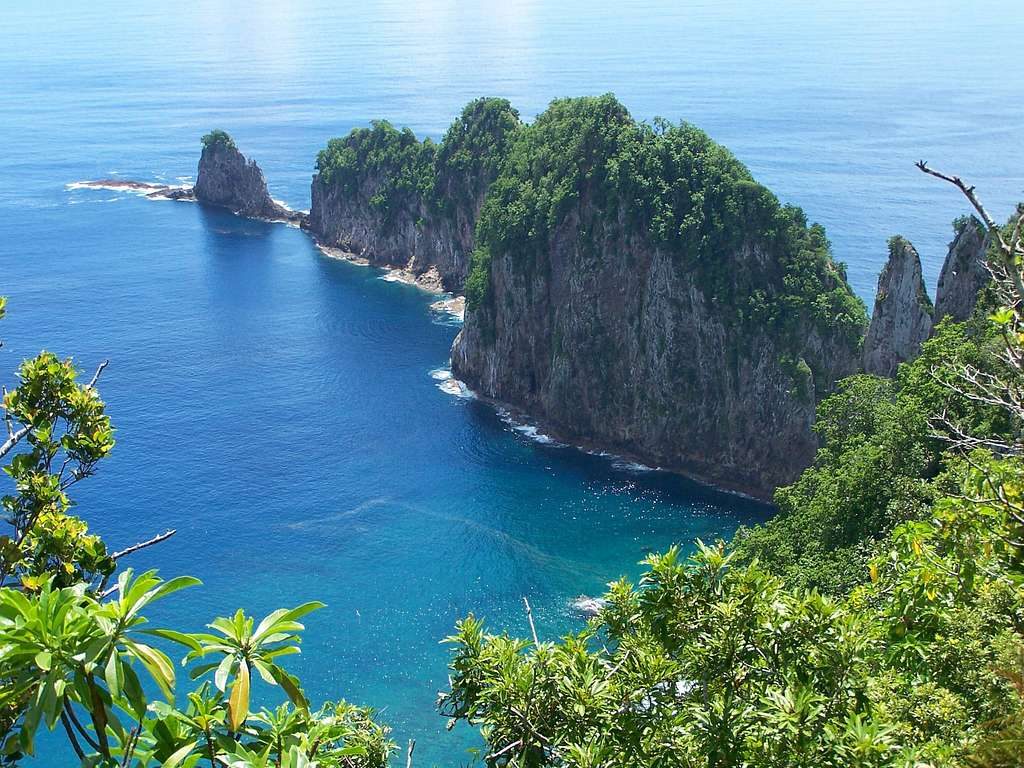
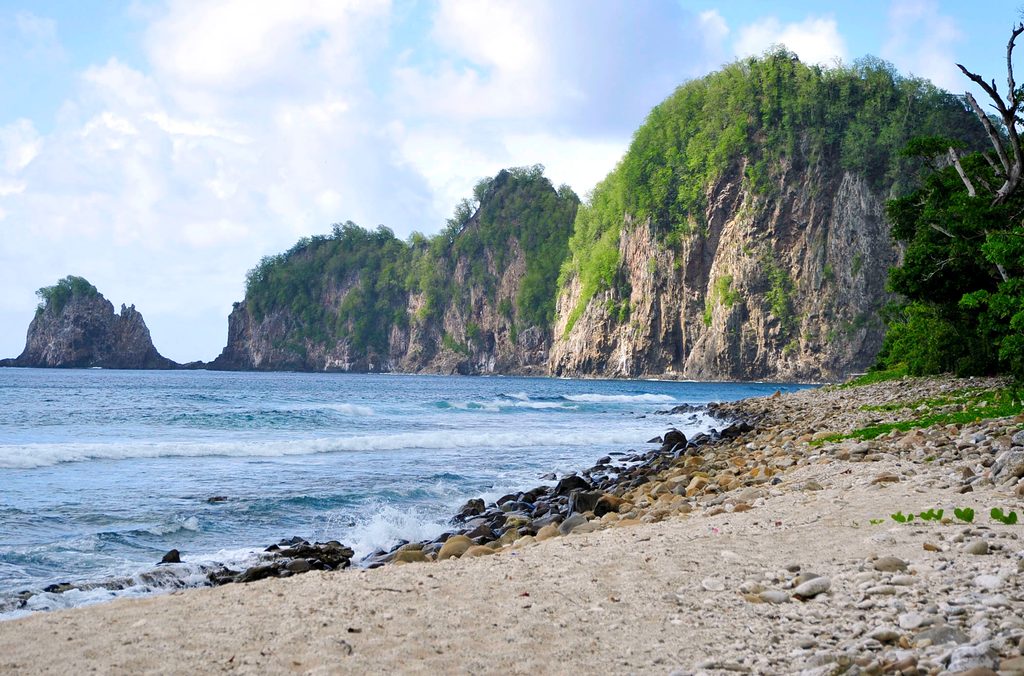
Olosega and Ofu are remnants of shield volcanoes—a classic volcanic doublet. The island’s steep peaks and basalt outcrops tell that story, and a historical submarine eruption occurred near Olosega in 1866. It’s striking to stand on the coast and imagine the volcanic ridge that trends toward nearby Ta‘ū beneath the sea.
Crowds aren’t the issue here—remoteness keeps numbers low year‑round. Plan around tides if you hope to do any inter‑island wading at low tide near the strait, and carry rain gear for passing showers regardless of season.
Rugged footing, sudden squalls, and lack of services demand self‑sufficiency. Bring ample water, sun protection, snacks, and a basic first‑aid kit. In the water, watch currents and protect the reef; on land, let someone know your plans before heading into the hills.
Place · 0.5 mi away
Place · 2.3 mi away
Place · 3.6 mi away
Place · 11.4 mi away
Moderate · 70.4 mi away
Easy · 71.1 mi away
Challenging · 71.2 mi away
Challenging · 74 mi away

Parkwolf Tour Guide
