Overview
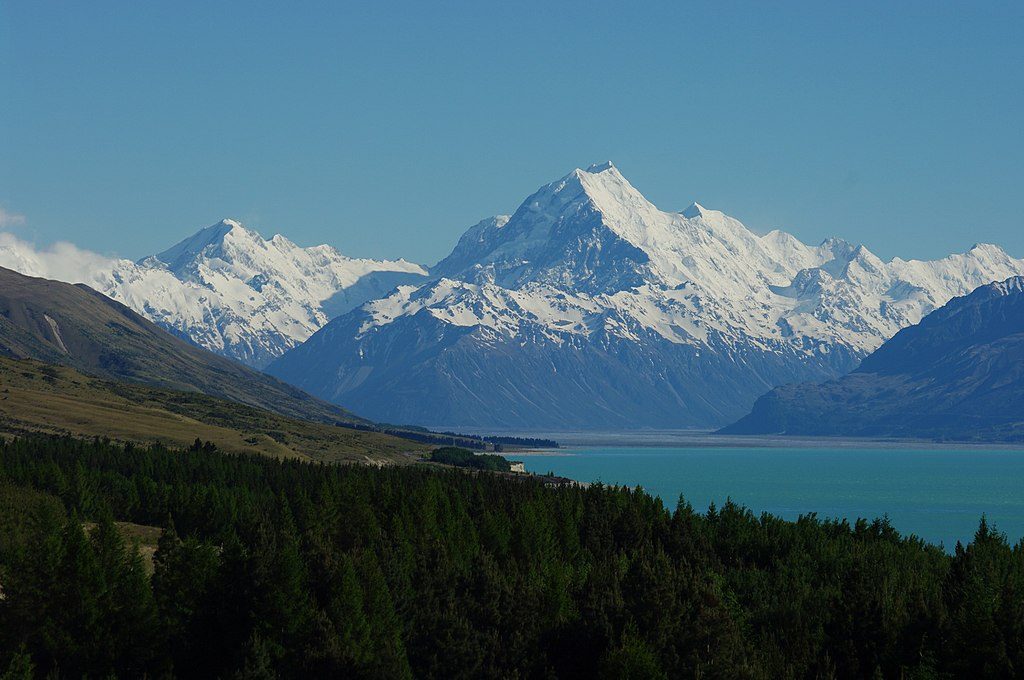
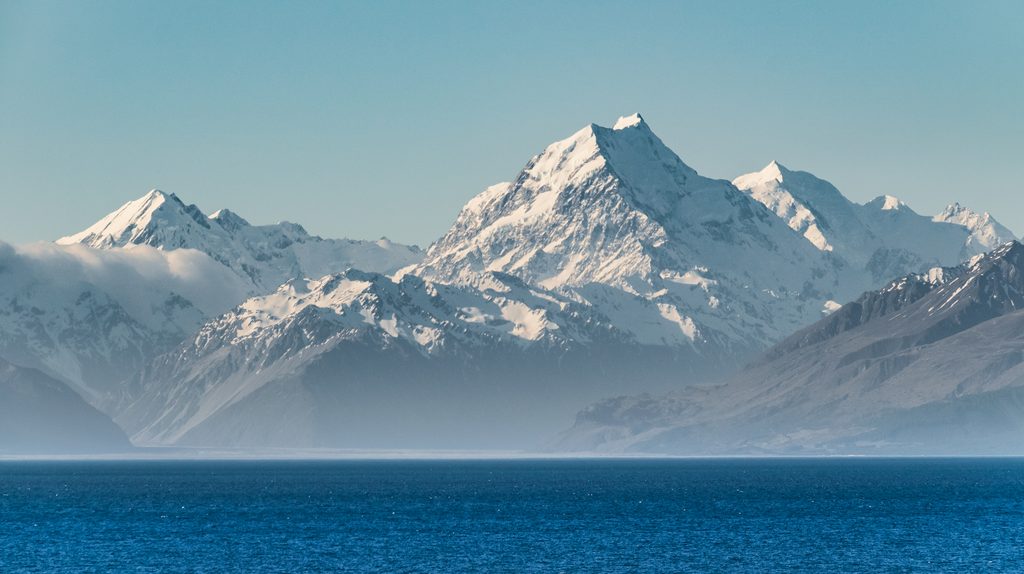
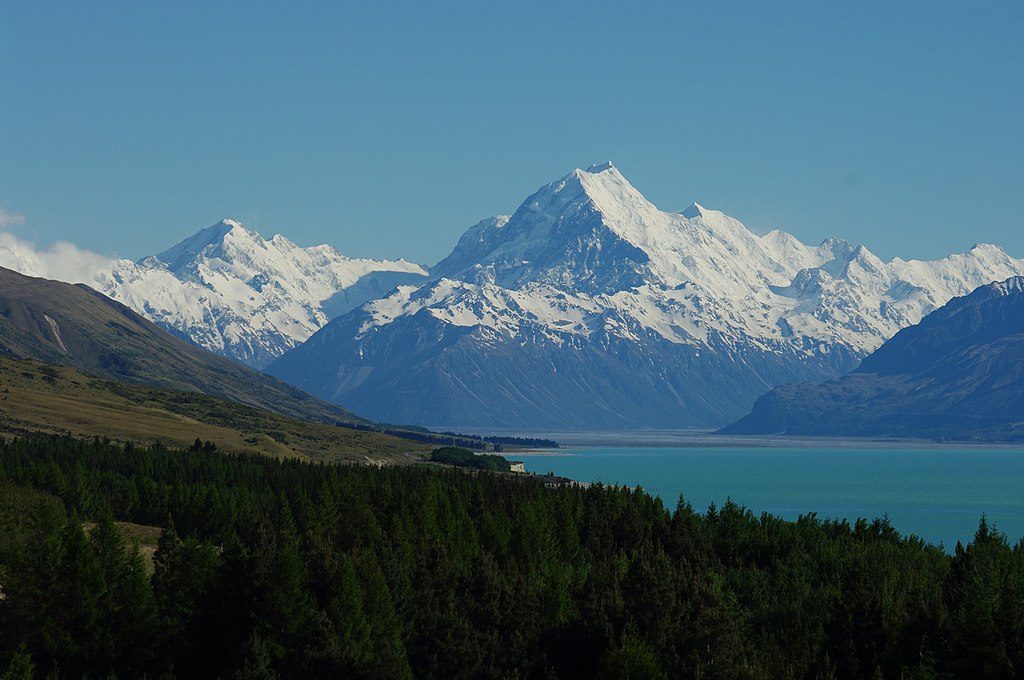
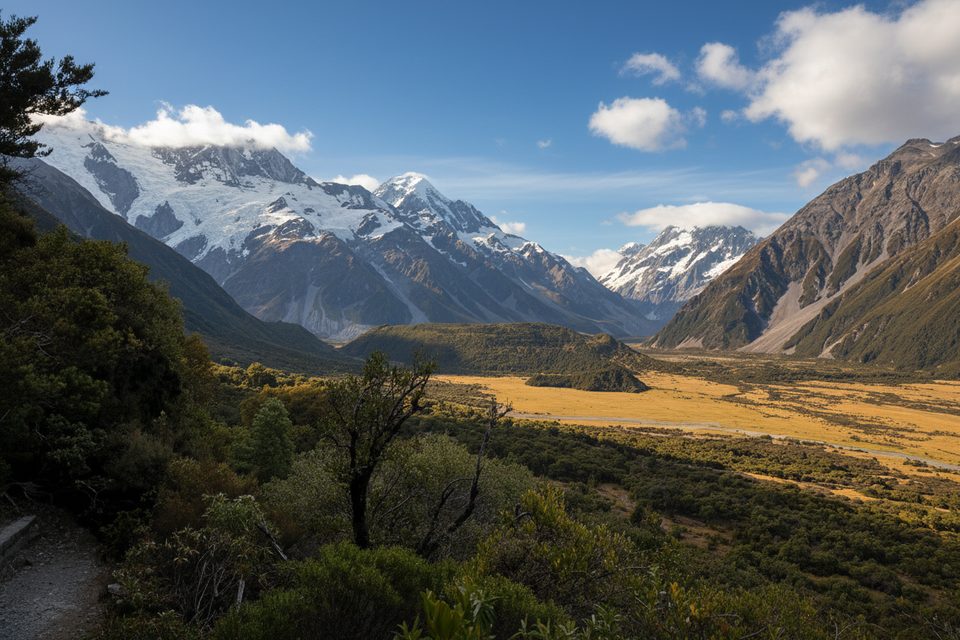
Lake Pukaki is the big, glacial-blue welcome mat to Aoraki. That vivid turquoise comes from fine rock flour ground by ancient ice and carried down from the Southern Alps. Drive the shore and you’ll get broad, cinematic views straight up the valley to Aoraki/Mount Cook. The lake also sits within the Aoraki Mackenzie International Dark Sky Reserve, so nights can be as memorable as days.
Why it’s worth your time
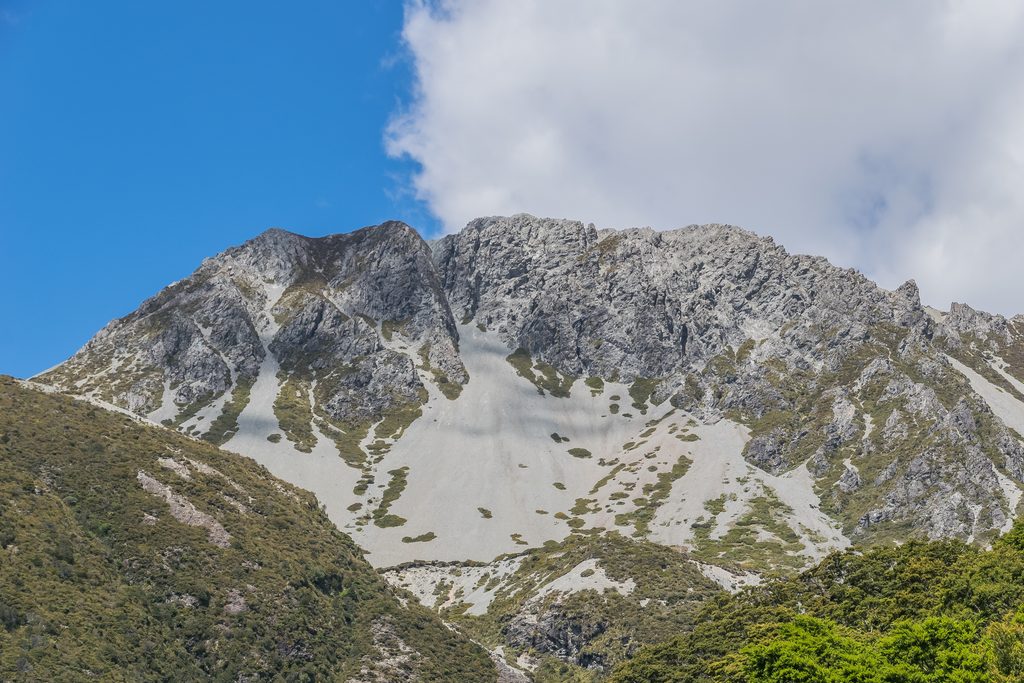
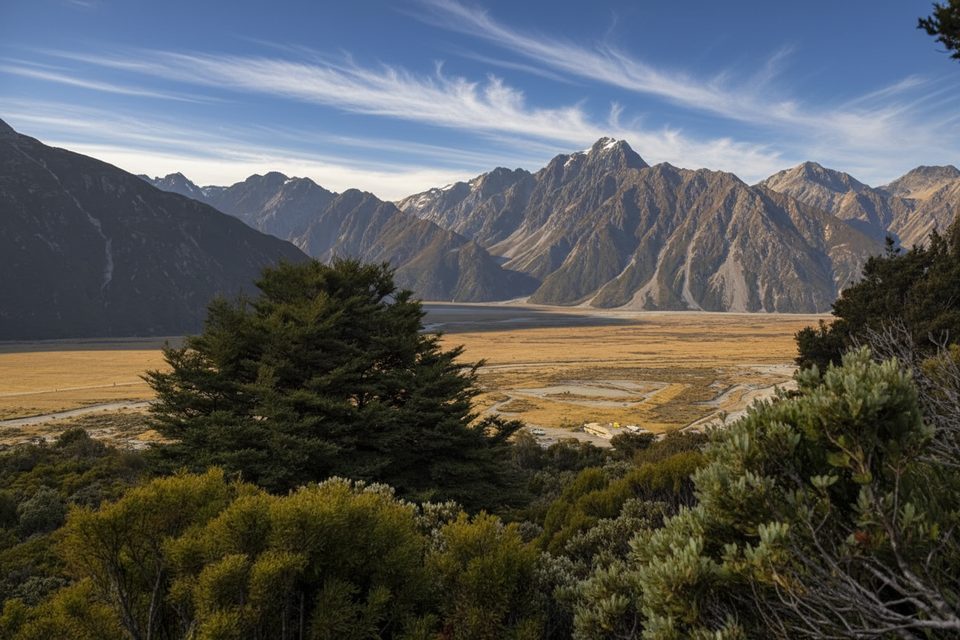
Think of Pukaki as the park’s teaser trailer: grand mountain skyline, U‑shaped glacial valleys, and long moraines you can spot as you roll toward Mount Cook Village. It’s a low-effort, high-reward stop—pull over, soak in the color, grab your shots, and keep moving toward the bigger hikes.
Classic viewpoints and stops
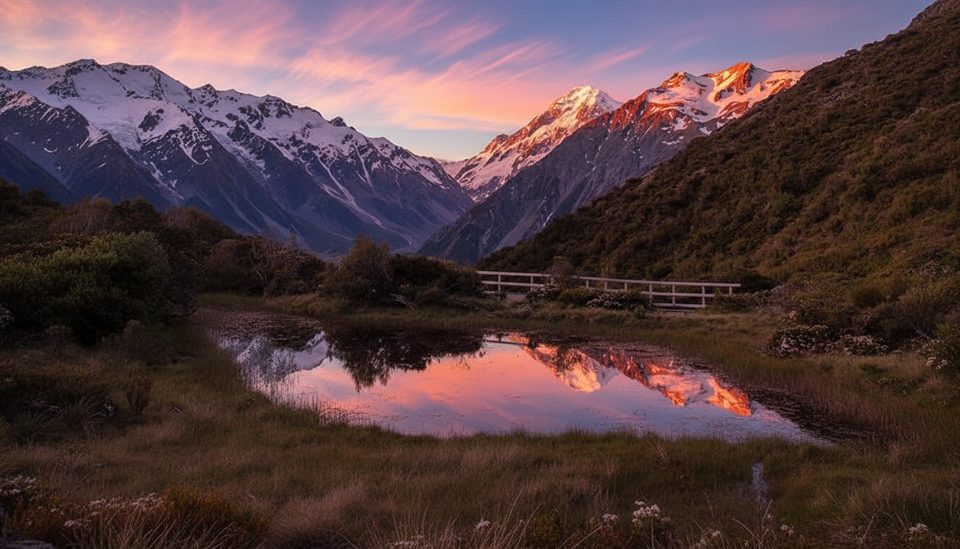
- Peter’s Lookout on SH80 frames Aoraki perfectly with the lake in front—classic postcard view.
- The Lake Pukaki visitor centre/lookout at the south end has public toilets (now user‑pays). Expect basic amenities and follow on‑site instructions.
- The Pines/Lake Pukaki Reserve is a designated freedom‑camping area with long‑drop toilets and big views (no drinking water; self‑contained vehicles only).
Things to do nearby
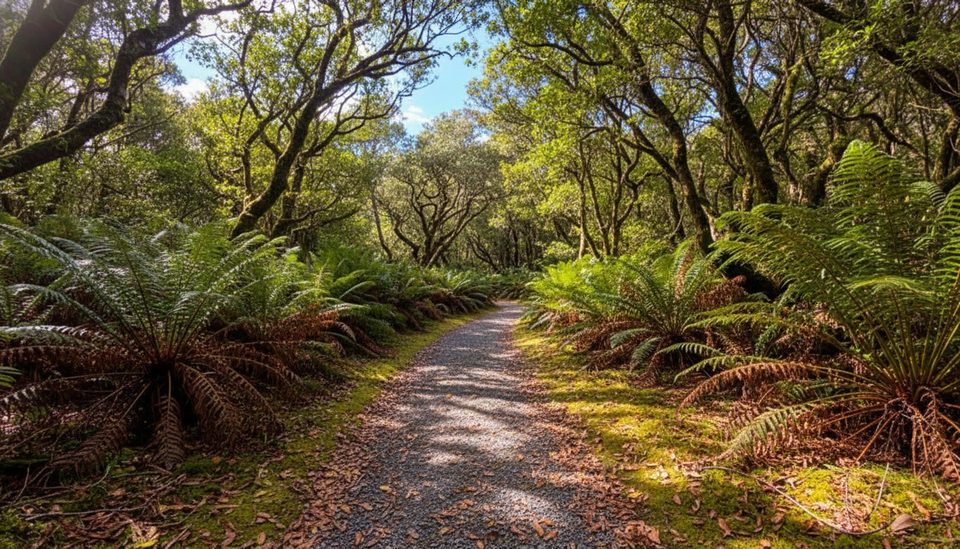
- Walks: If you’re heading onward, Hooker Valley Track is the crowd‑pleaser (roughly 2–3 hours return for many visitors). Steeper options like Sealy Tarns and the route to Mueller Hut deliver bigger alpine views if you’ve got the legs.
- Cycling: The Alps 2 Ocean Cycle Trail skirts the lake—easy mileage with ridiculous scenery.
- Water time: In calm conditions people dip in or kayak along the shore; expect cold, clear water.
- Stargazing: Low light pollution makes the lakeshore a prime, easy-access spot for astrophotography.
Nature snapshot
This is glacier country; the great ice once pushed past the lake’s south end, carving the wide valley you drive today. Across the broader park, keep an eye out for high‑country birdlife—this is a sensitive habitat, so observe from a distance and never feed wildlife.
Facilities and practicalities
- Toilets: User‑pays flush toilets at the south‑end visitor centre; long‑drop toilets at Peter’s Lookout and at The Pines. Don’t expect drinking water at freedom sites.
- Water and camping: If you’re based in the park, White Horse Hill Campground usually provides treated water, toilets and a cooking shelter most of the year (it switches to pit toilets and no running water in winter). Showers are in the public shelter in Mount Cook Village.
- Rules: Freedom‑camping in the Mackenzie District is tightly regulated—many areas are self‑contained vehicles only with time limits. Check current signage.
- Driving: SH80 along the western shore is exposed and often windy; allow extra time for photo stops and changing conditions.
Best time to visit
- Late November to early December brings blooming lupines along parts of the shore for color‑popped photos.
- Clear, moonless nights are best for stargazing.
- For smoother stops and easier parking, aim for early or late in the day; winds tend to feel stronger in the middle of the afternoon.
Tips for photographers
Give astrophotographers space at night, use red lights, and avoid high beams at lookouts. By day, pull fully off the road at signed bays—there are plenty, so don’t slam the brakes at the first glimpse of blue.