
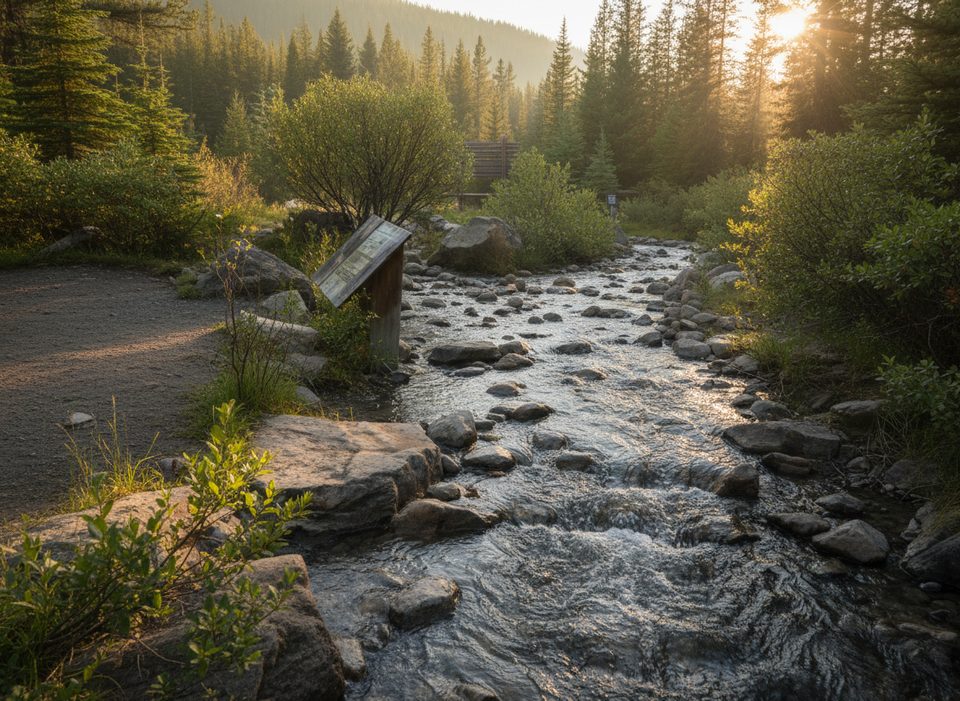
Place · 0.1 mi away
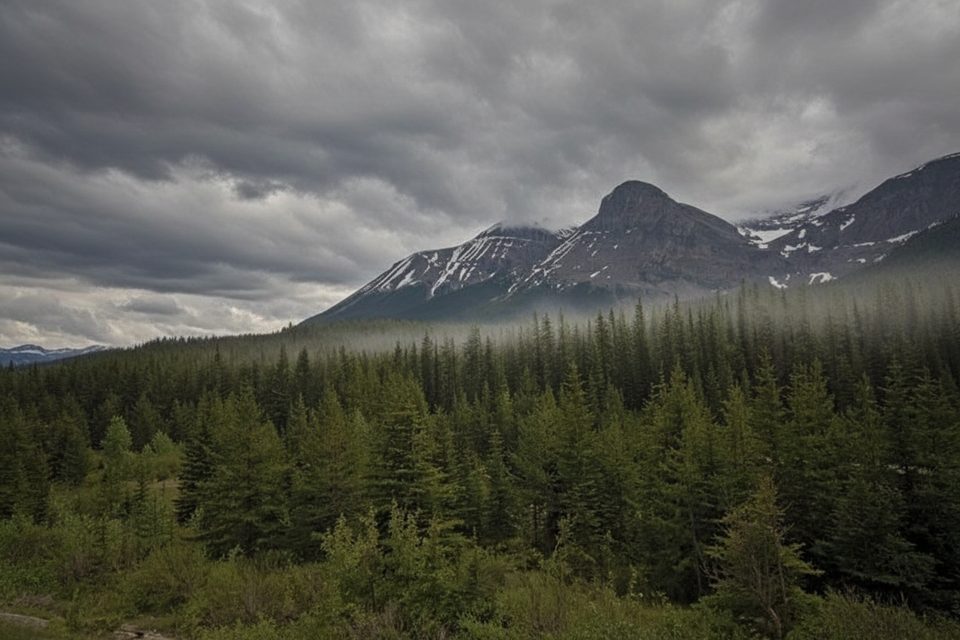
Straddling the Alberta–British Columbia border, Kicking Horse Pass is where the Continental Divide slices through the Rockies and where both the Trans‑Canada Highway and the Canadian Pacific Railway crest the range. It’s a designated National Historic Site with a big story: this corridor opened British Columbia to the rest of Canada by rail and remains the highest point on the entire Trans‑Canada Highway.
Two words: Spiral Tunnels. Built to tame the notoriously steep “Big Hill,” these engineering marvels let trains disappear into one mountainside and emerge at a different elevation—an unforgettable bit of live railroad theater. Add in the hydrological quirk of Divide Creek splitting to different oceans and you’ve got a roadside stop that actually teaches you something.
Chosen in the 19th century for the transcontinental line, the original grade here was so steep it became infamous. The Spiral Tunnels, completed in 1909, solved the problem by looping trains inside the mountains. In 1971, the pass was recognized as a National Historic Site for its outsized role in transportation history.
This is a road-access stop, not a full-service hub. Expect parking, restrooms, signed lookouts, and bus parking in the historic site corridor. Services like food, fuel, and lodging are in nearby towns (Field, BC or Lake Louise, AB). Dogs are allowed on leash.
While most attention here is on history and scenery, the broader area supports elk, deer, bighorn sheep, bears, marmots, and a variety of birds. Stay alert and give animals space.
The pass is driveable year‑round. Summer is busiest with heavier traffic and fuller parking. There’s no timetable for trains at the Spiral Tunnels viewpoint—if spotting one matters to you, budget extra time. Weather changes fast at this elevation, even in summer; bring layers.
Place · 0.1 mi away
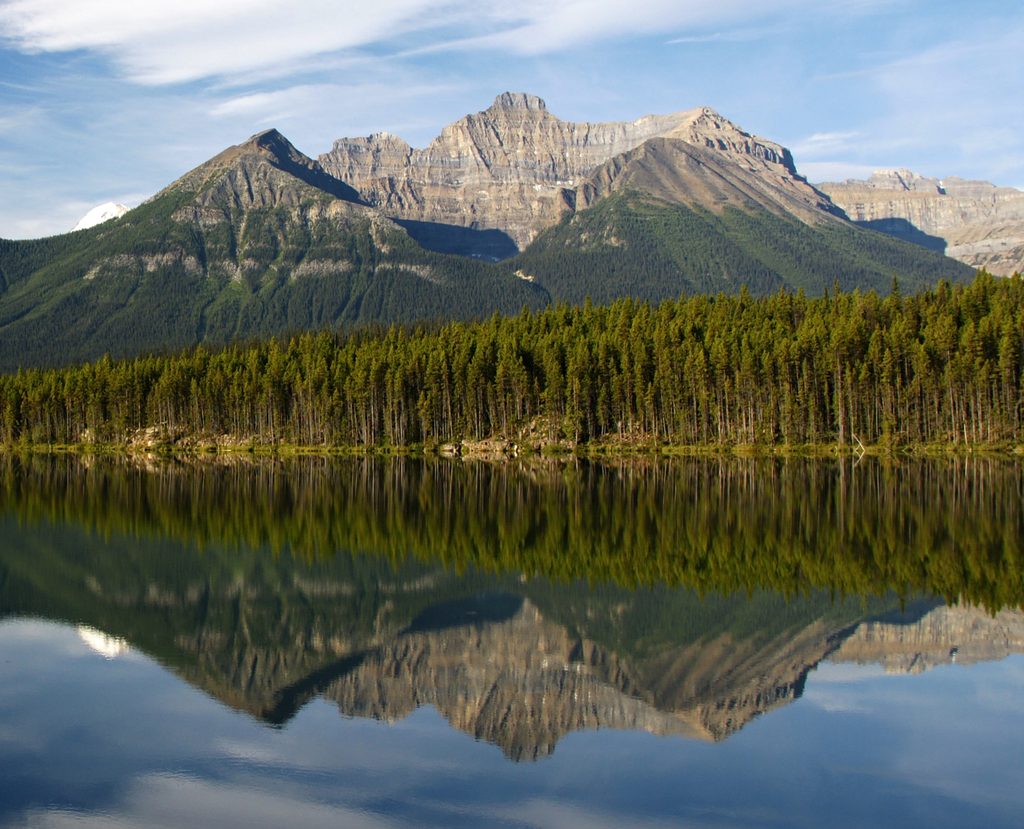
Place · 2.2 mi away
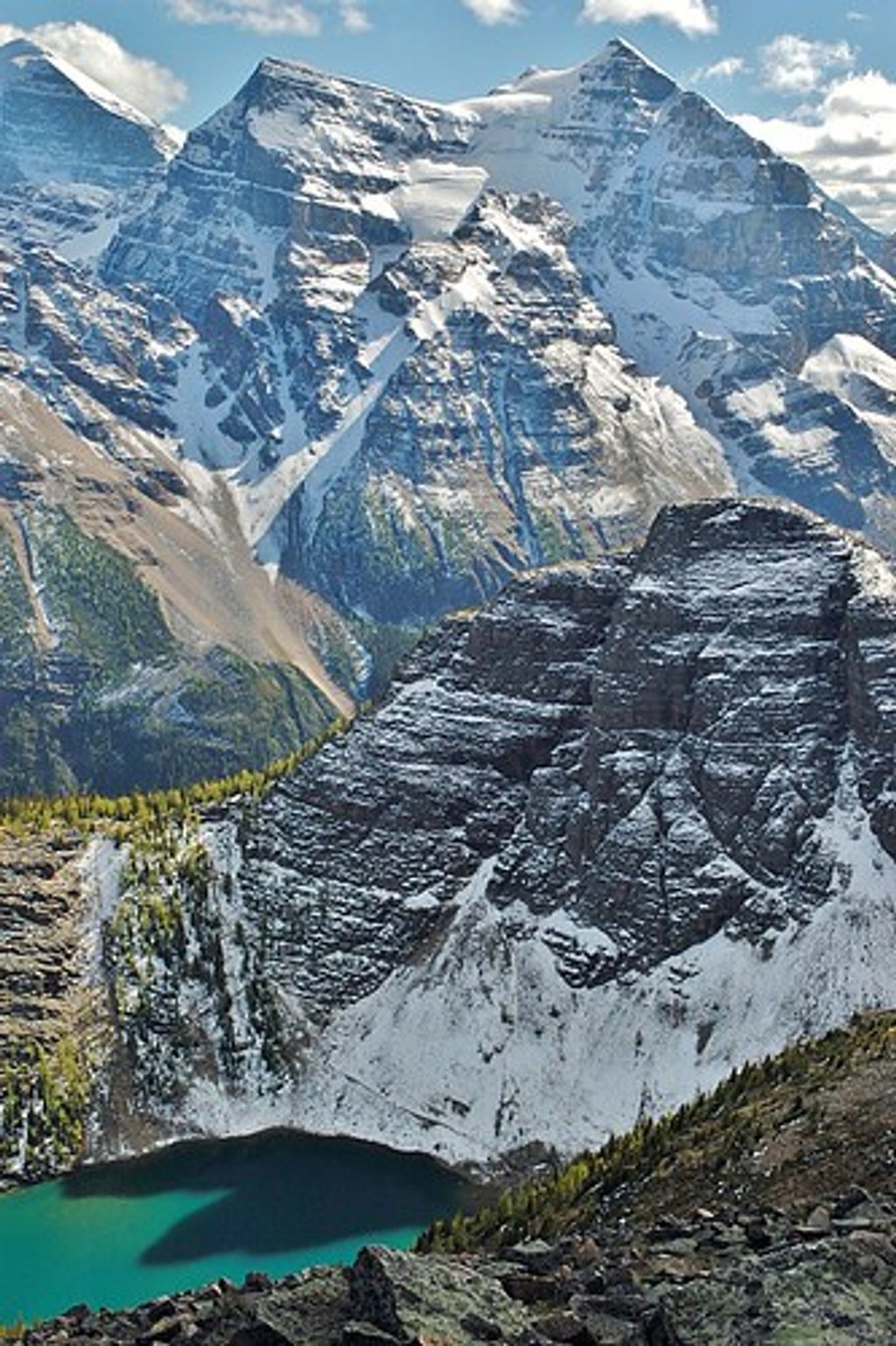
Place · 2.5 mi away
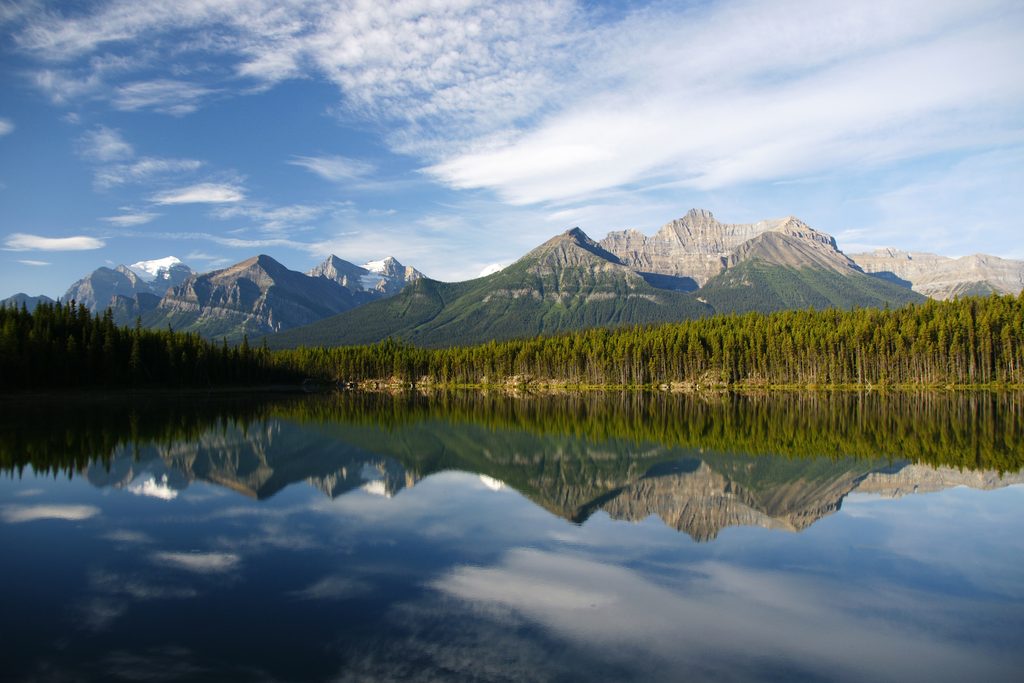
Place · 2.7 mi away
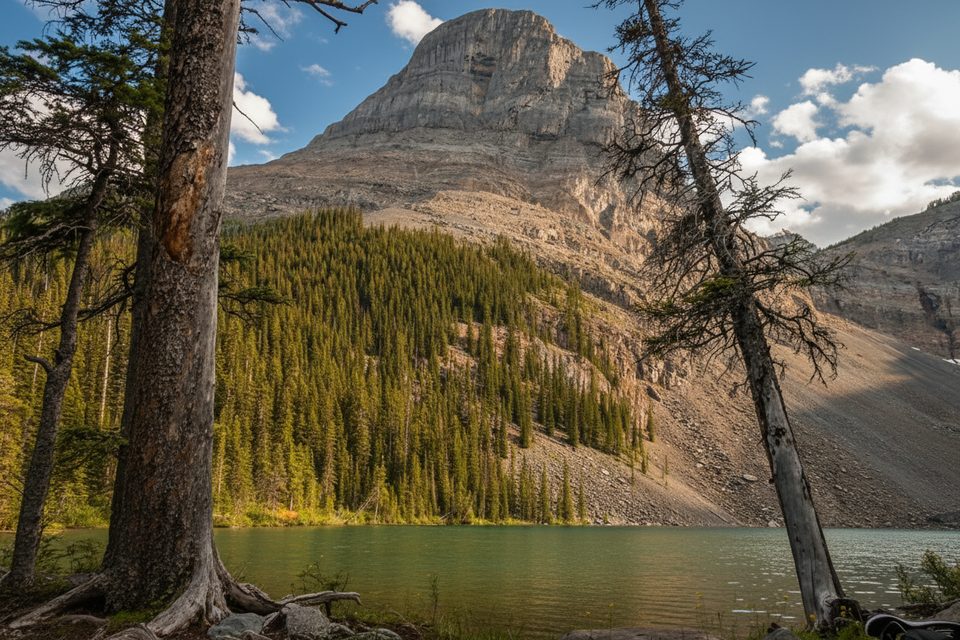
Moderate · 2 mi away
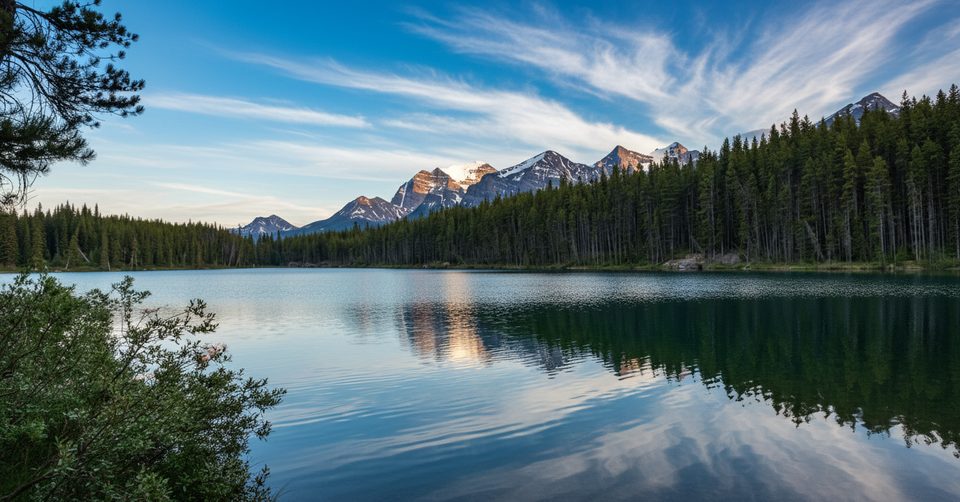
Easy · 2.7 mi away
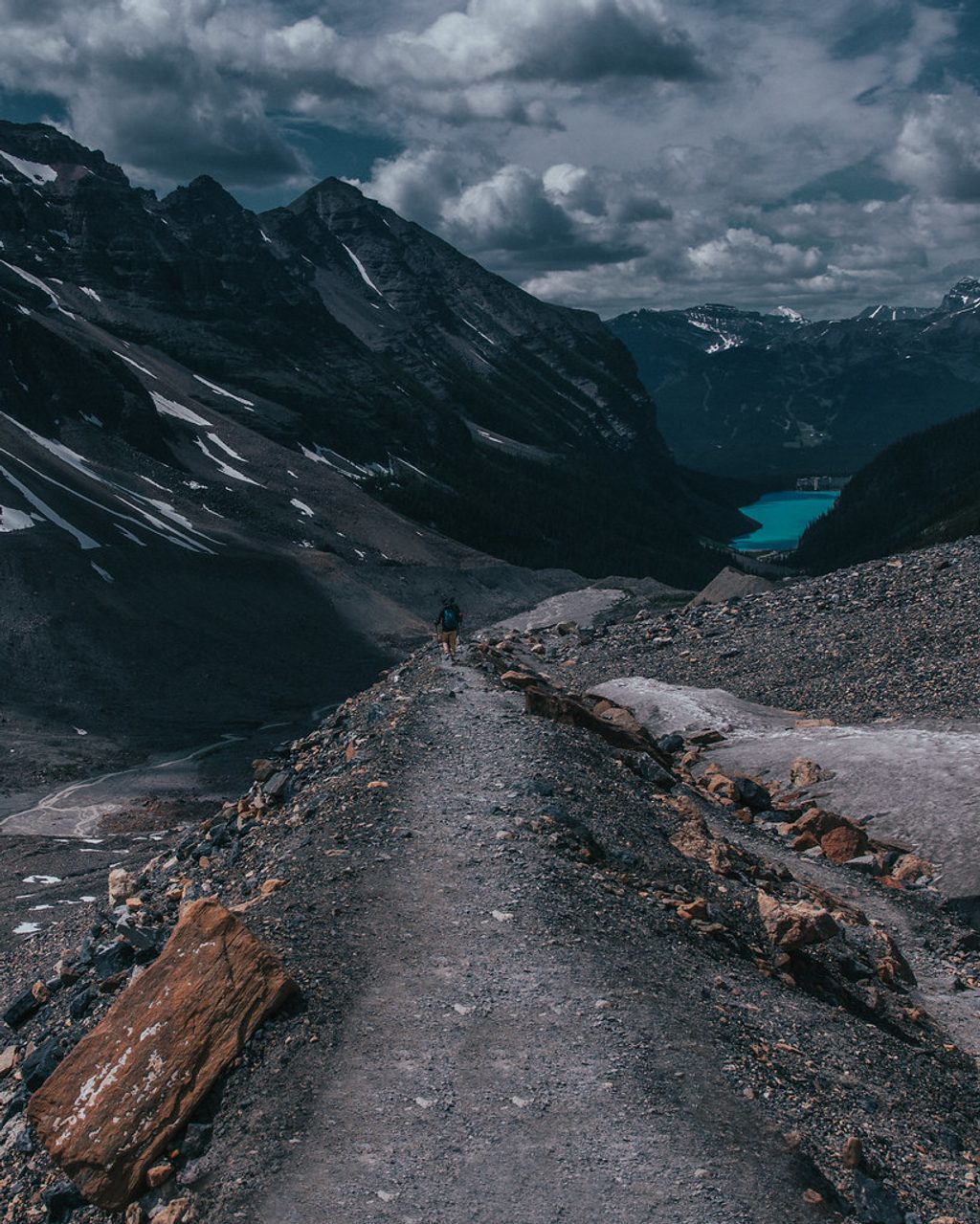
Moderate · 3.4 mi away
Moderate · 3.4 mi away

Parkwolf Tour Guide
