
Place · 2.2 mi away
Moderate
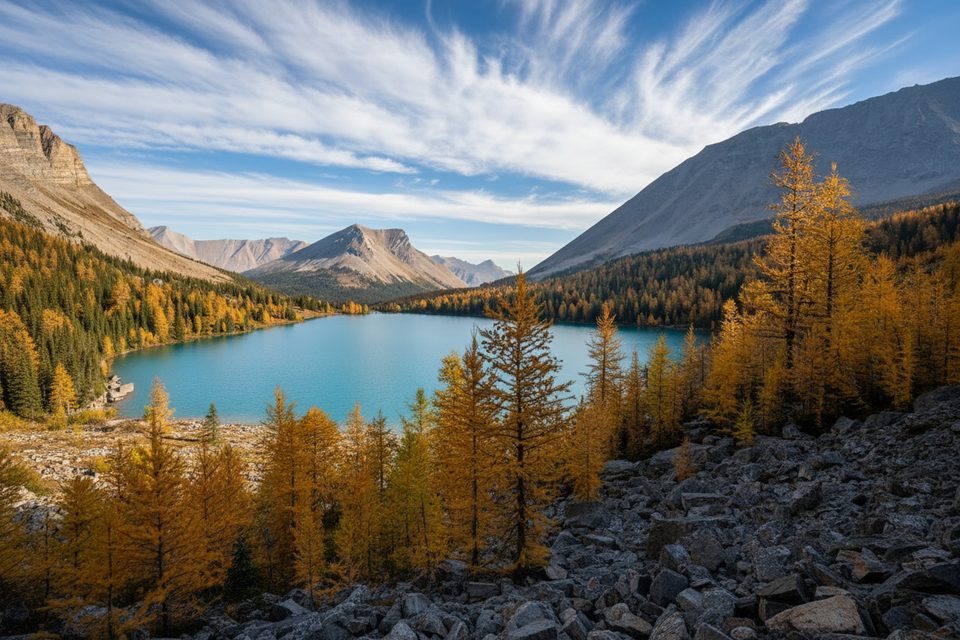
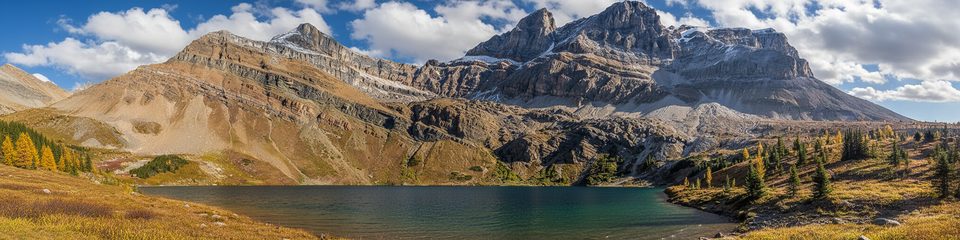
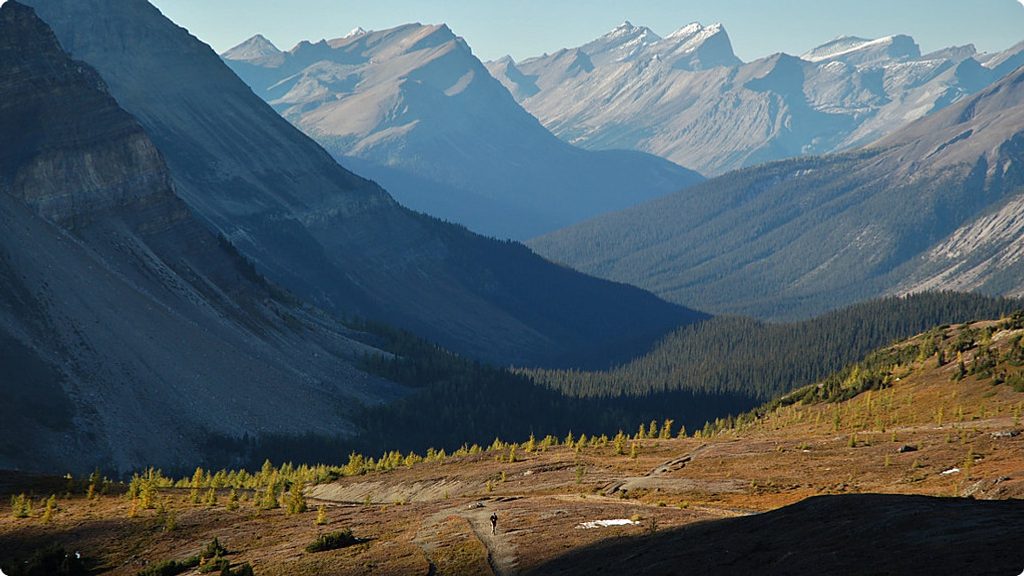
Skoki is the classic Banff backpack: big alpine in a compact loop, with lakes, wildflower meadows, and a couple of honest mountain passes. Expect long stretches above treeline with sweeping views toward Fossil Mountain and the Sawback Range, plus the cultural bonus of passing near historic Skoki Lodge.
The full loop is roughly 25–28 miles total (40–45 km), usually done in 3–4 days. It starts from the Fish Creek Trailhead by the Lake Louise Ski Area with a 3.5–4 km (about 2–2.5 mi) approach up the Lake Louise Ski Out/Temple Fire Road before the singletrack begins. From there, classic variants link Boulder Pass and Deception Pass, threading by Ptarmigan, Baker, and Merlin Lakes, with side-trip options to Hidden Lake or Merlin Lake. It’s a well-established network, but there are many interlinked trails; carry a map/GPX and pay attention near places like the Red Deer Lakes area where navigation can feel less obvious.
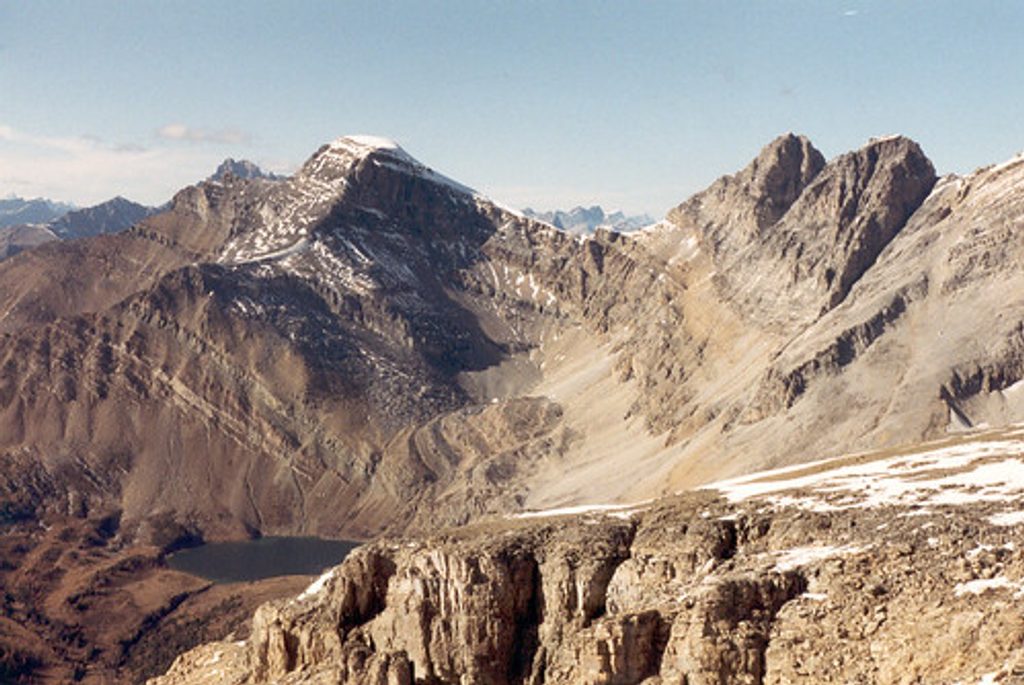
This loop strings together a greatest-hits reel: turquoise alpine lakes, broad meadows ablaze with late-July wildflowers, and larch stands that go gold in early September. Much of the route is on dirt and rock singletrack above treeline, with steady climbs over passes and expansive ridgeline views. Keep an eye out for limestone and shale peaks—and if you detour near Fossil Mountain, the name says it all. Wildlife is very possible here: this is grizzly country, and hikers commonly spot deer, marmots, and ptarmigan.
Most people split nights between Baker Lake and Merlin Meadows (or Hidden Lake), all of which require advance backcountry reservations. Water is plentiful along the loop, but treat it. Fires aren’t allowed at these camps—bring a stove. The trail is well signed overall, though junctions and braided paths around the Red Deer Lakes area can cause backtracking if you’re not paying attention.
Mid-July through early September is the sweet spot. Snow lingers into July and weather can swing fast even in summer. Go in late July for peak flowers; aim for early September if you’re chasing golden larches. Start days early for calmer weather and better light, and arrive early at Fish Creek—parking can fill during peak season.
The first and last few kilometers on the ski service road are a grind and low on scenery—worth it for what follows. This is a moderate loop for fit hikers, but the combination of passes, exposure above treeline, and a heavy pack makes it feel stout for beginners. If you’re newer to backpacking, consider a guided itinerary or plan conservative daily distances.
You’re in prime grizzly habitat—carry bear spray, make noise, and follow Parks Canada bear protocols. Expect rapid weather changes and cold nights even in July/August. No bikes. Dogs, if you bring them, must stay leashed at all times.
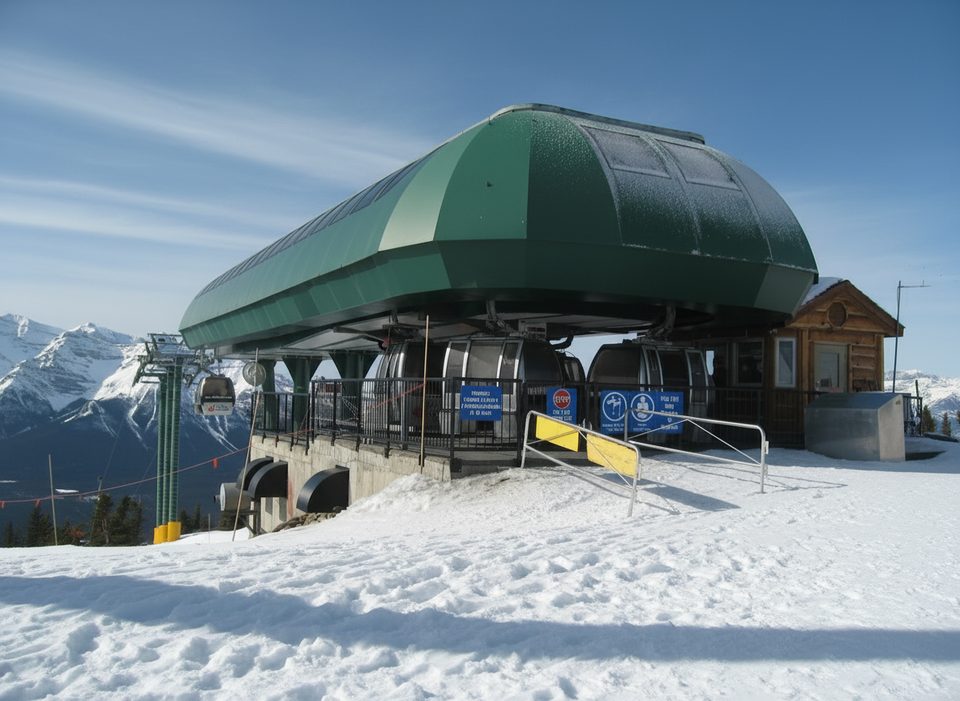
Park at Fish Creek Trailhead by the Lake Louise Ski Area; expect a 3.5–4 km approach on the Temple Fire Road/Lake Louise Ski Out before the singletrack.
Grizzly bear territory—carry bear spray and make noise; fast-changing alpine weather; lingering snow into July; no campfires at Skoki backcountry camps—bring a stove; treat all water; some junctions are confusing—bring a map/GPX.
Place · 2.2 mi away
Place · 2.2 mi away
Place · 2.2 mi away
Place · 2.2 mi away
Moderate · 0 mi away
Challenging · 2.2 mi away
Challenging · 2.2 mi away
Easy · 3.5 mi away

Parkwolf Tour Guide
