
Place · 1.1 mi away
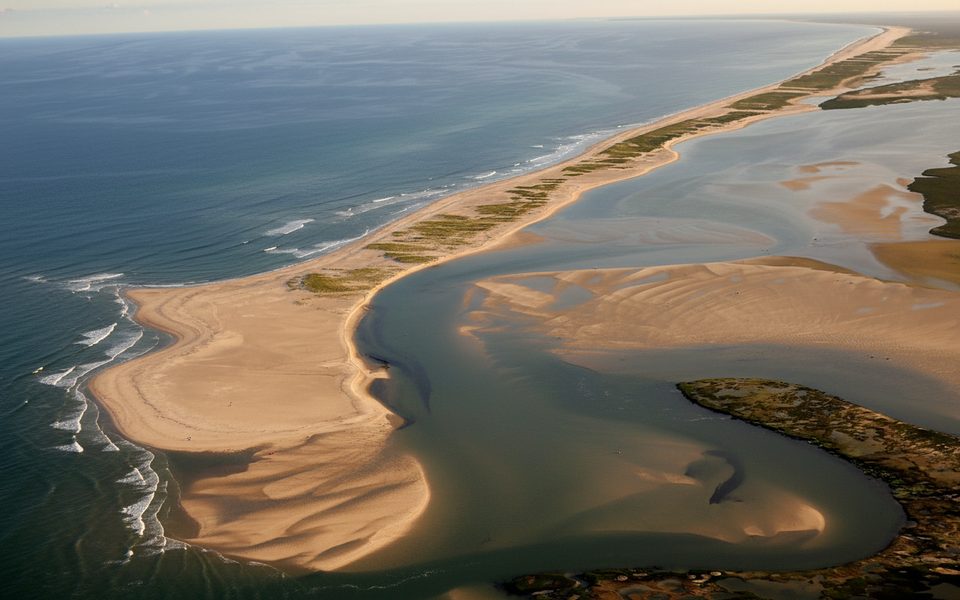
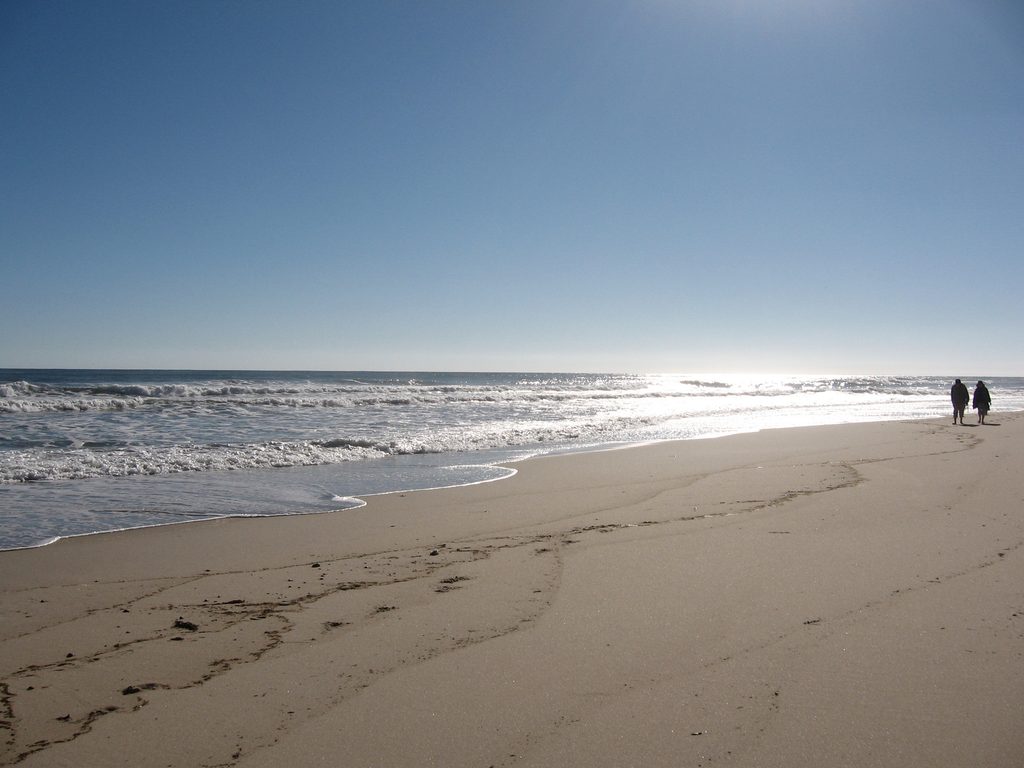
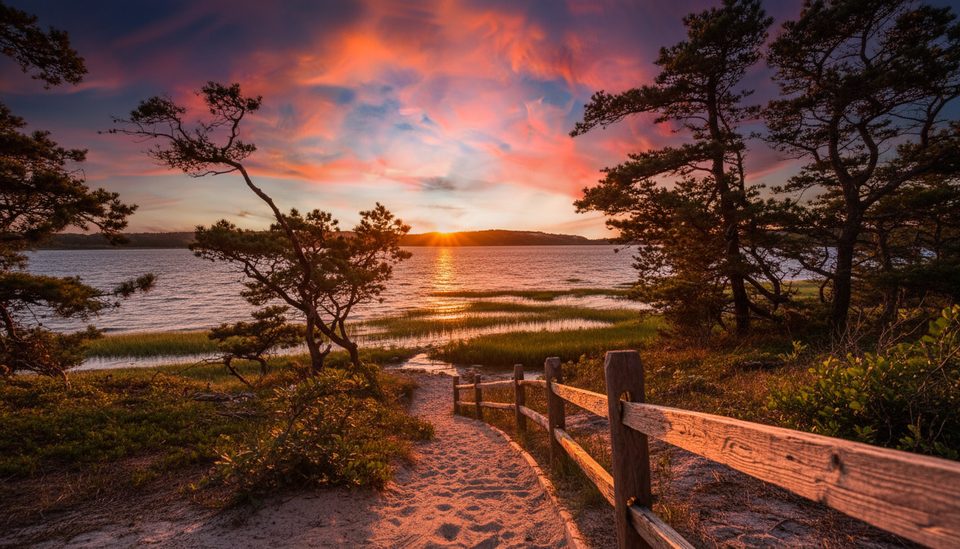
Nauset Spit is the slender, ever-shifting barrier beach guarding Nauset Marsh. It’s part of the “Great Beach” celebrated by Thoreau—wide surf, wind, and sand as far as you can see. Storms regularly redraw the shoreline, inlets, and sandbars, so what’s walkable one season might be cut off the next. That dynamism is the point: overwash lets the spit retreat and still protect the marsh behind it.
Come for the wildlife and you won’t be disappointed. In spring and summer, look for nesting piping plovers and terns on posted sections of beach and dunes. Shorebirds work the tidal flats, while ospreys and herons patrol the marsh. Seals are a regular sight near the inlet—harbor seals are common in winter, and gray seals often rest on sandbars in summer. The marsh is a nursery for flounder, striped bass, scallops, and quahogs, and cool months bring loons, eider, and other sea ducks. Bring binoculars.
This is a sensitive nesting area. Expect seasonal closures roughly April–August for plovers and terns, with signed reroutes. Dogs are often restricted in the same period. Drones aren’t allowed, and there’s no camping or fires. Parts of the spit fall under different town rules; over‑sand vehicle access has been limited at times and may be closed when sand conditions aren’t adequate.
Respect the ocean—rip currents are common, and the inlet’s ebb and flood are no joke. Don’t try to swim the cut. Wind, sun, and bugs can be intense; pack water, sun protection, and repellent, and be ready for strong breezes. Stay off vegetated dunes to protect the spit.
This coast has hard-earned history. The outer beach once hosted lifesaving stations for shipwrecks. Henry Beston’s beloved “Outermost House” stood on the spit until the great storm of 1978 swept it away—a reminder that this landscape is always on the move.
Late August through October is prime: warmer water, fewer nesting closures, excellent bird migration, and golden late‑day light. Winter is stark and beautiful (and quiet) if you dress for the wind. Spring to midsummer brings lush marsh birding but more closures and more insects. For photography and fewer people, aim for sunrise or late afternoon.
Place · 1.1 mi away
Place · 1.1 mi away
Place · 1.1 mi away
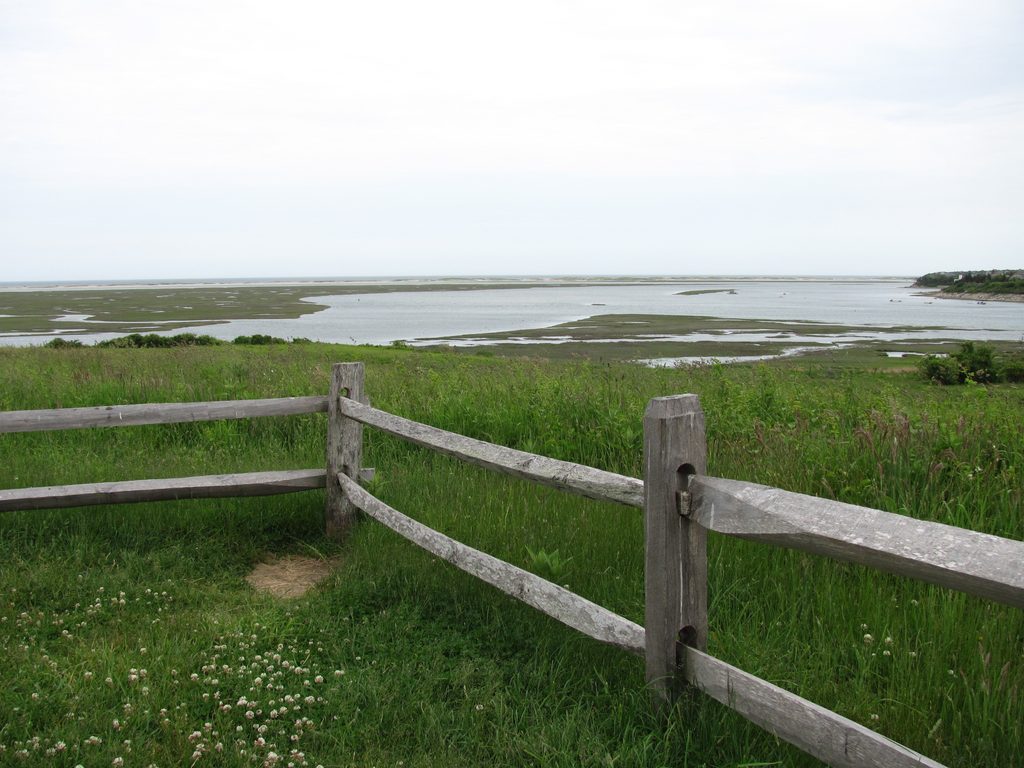
Place · 1.2 mi away
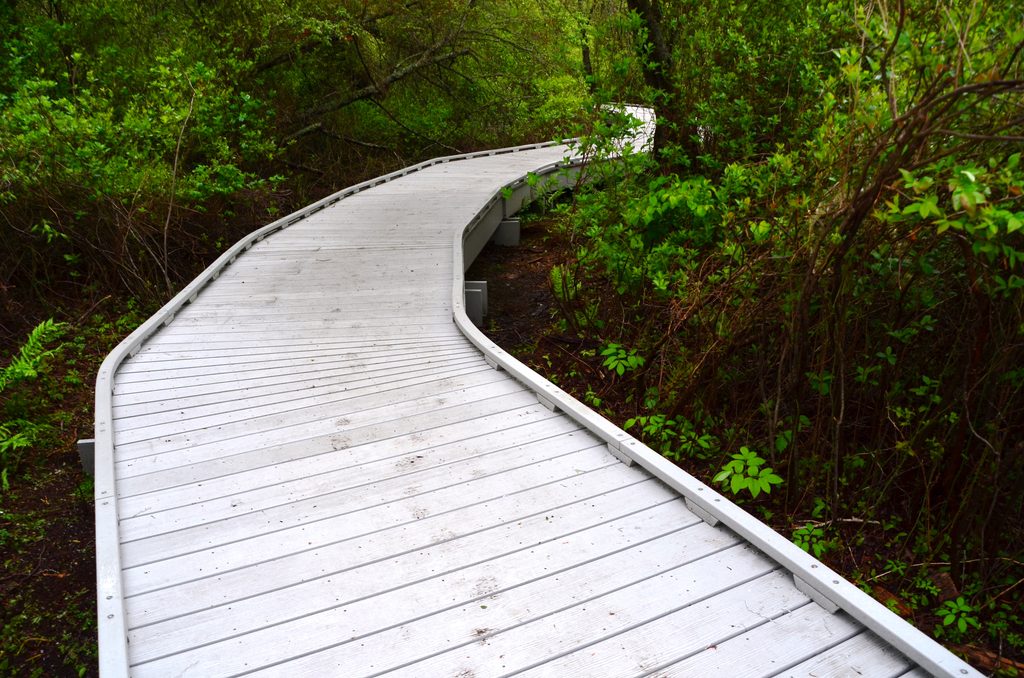
Easy · 1.2 mi away
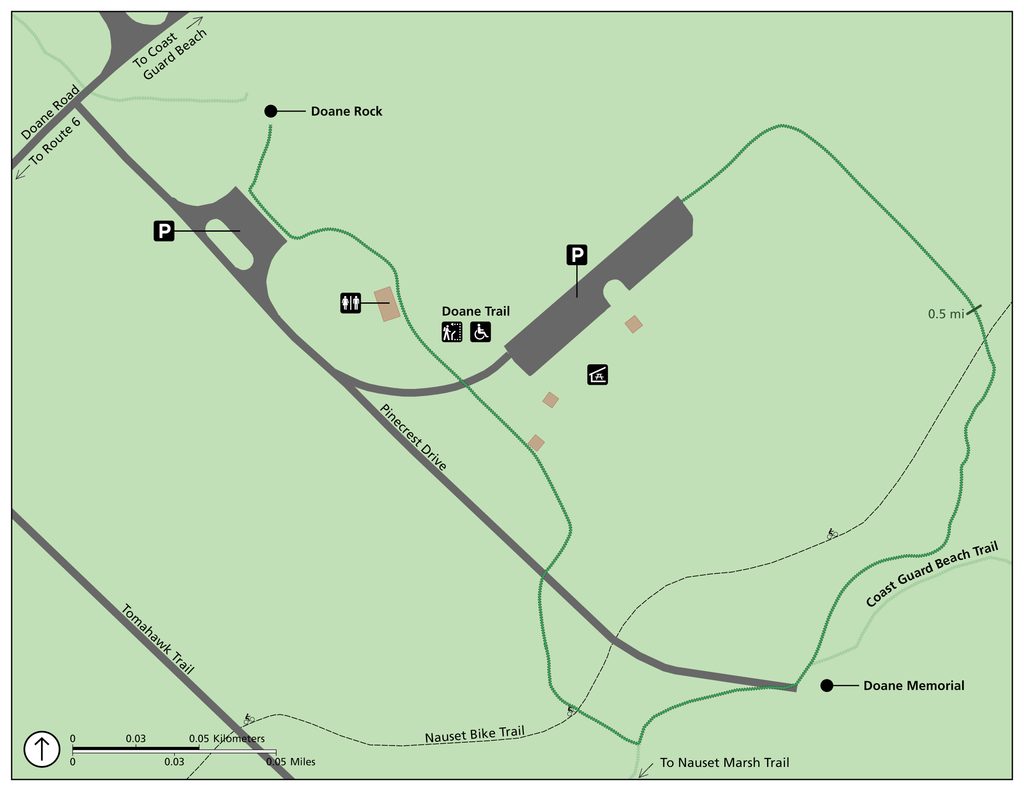
Easy · 1.4 mi away
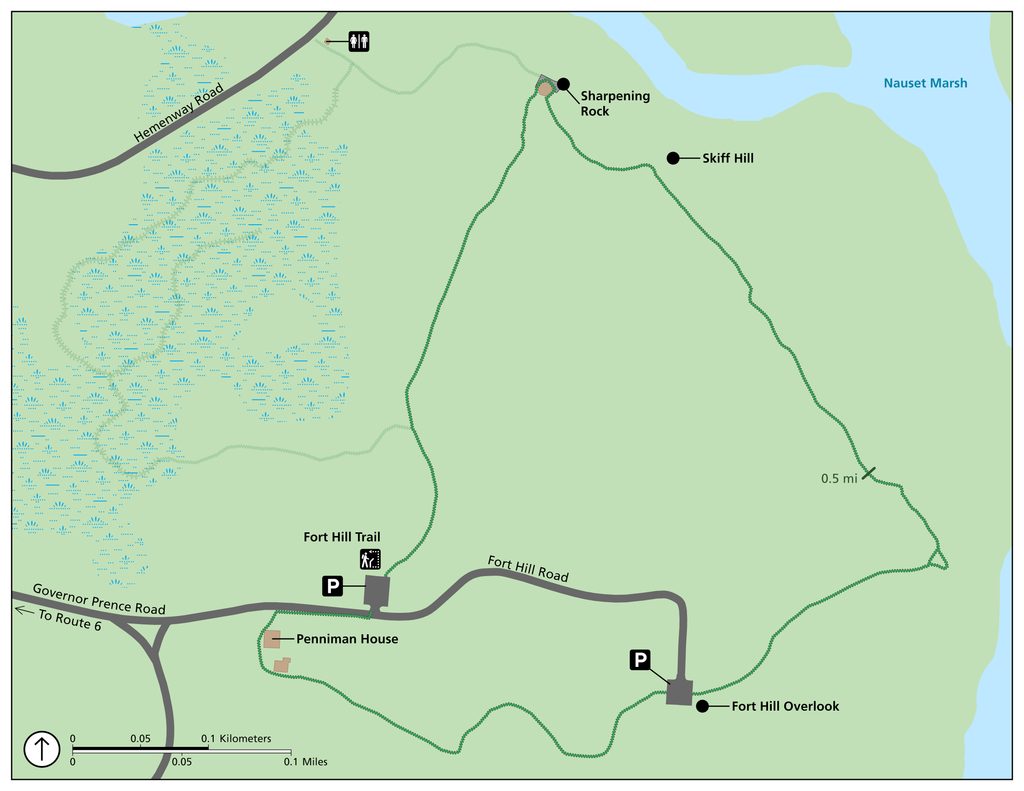
Easy · 1.4 mi away
Easy · 1.7 mi away

Parkwolf Tour Guide
