Place · 0.1 mi away

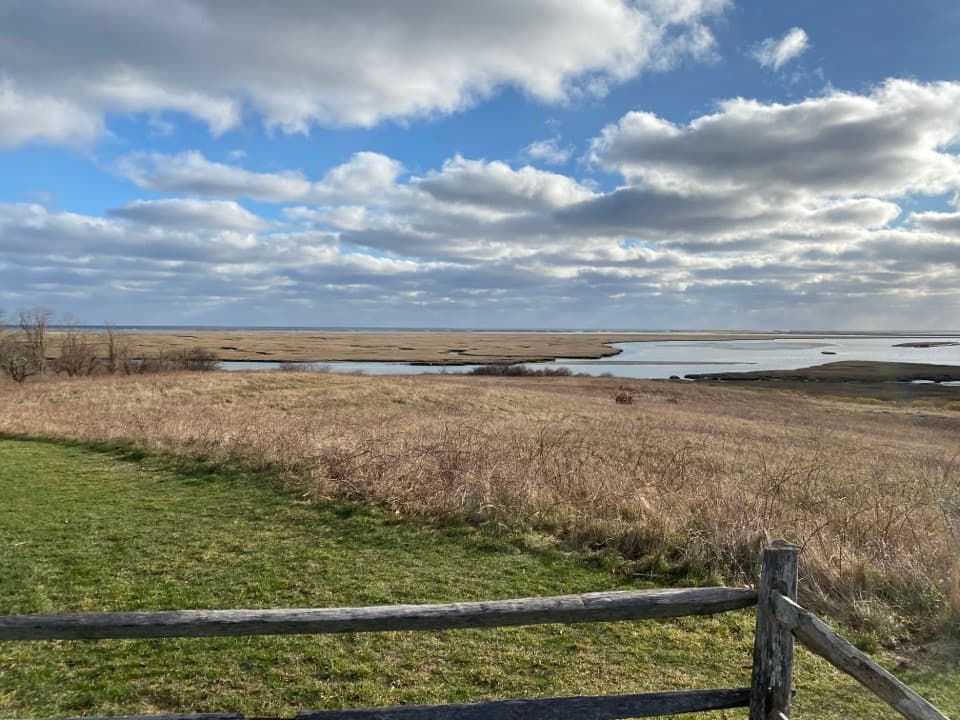
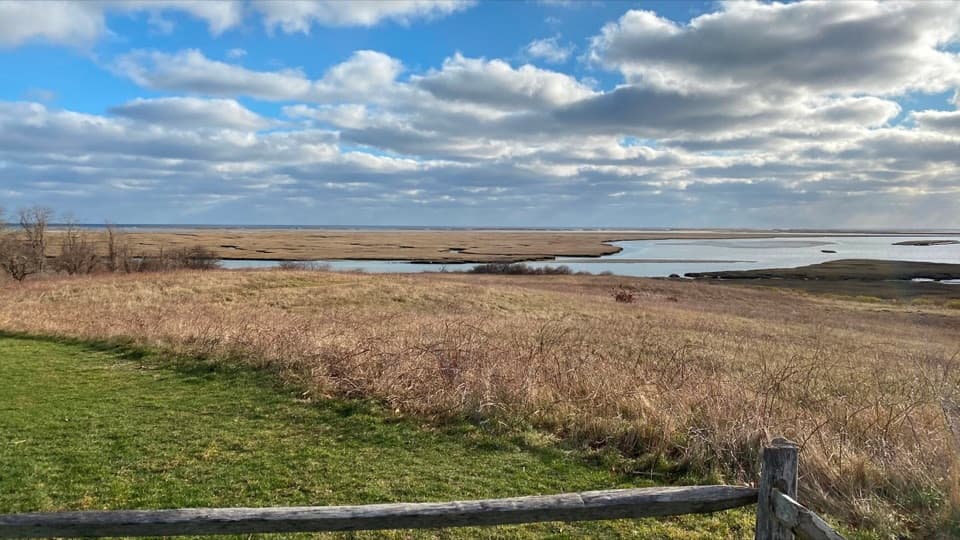
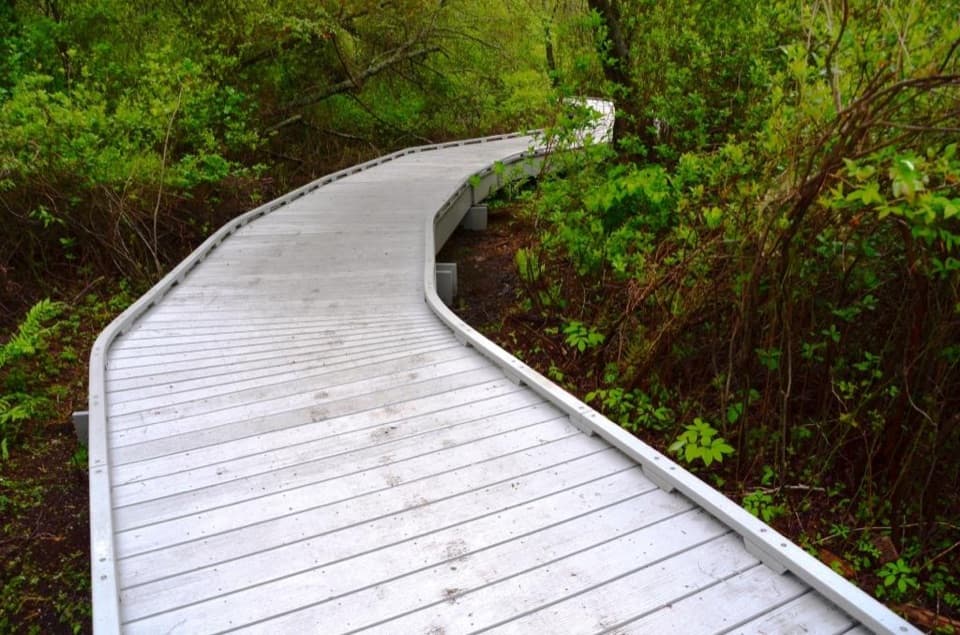
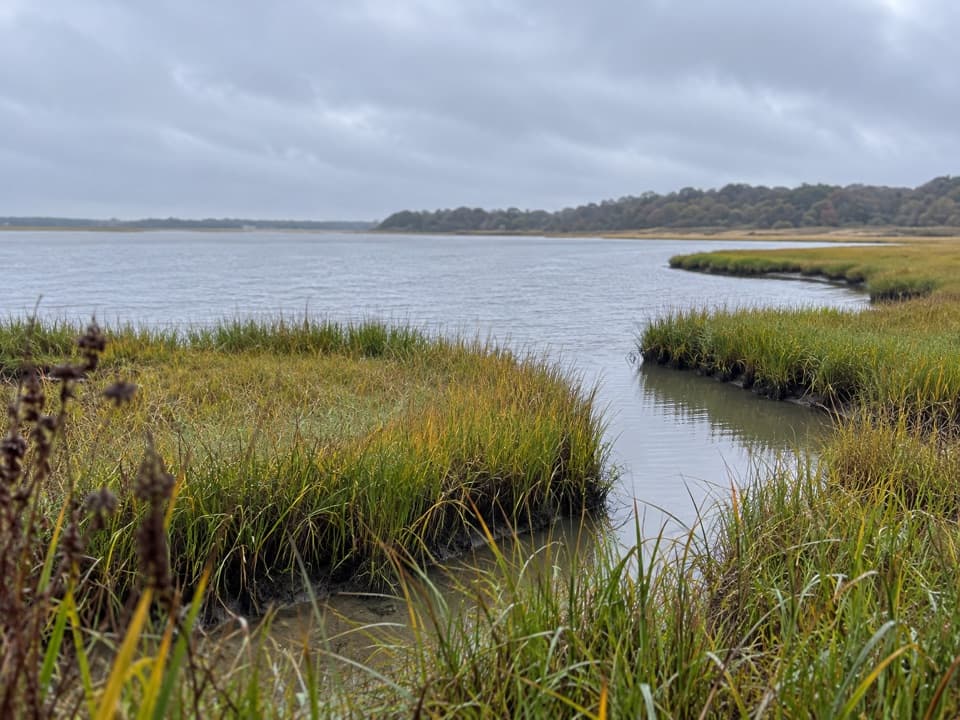
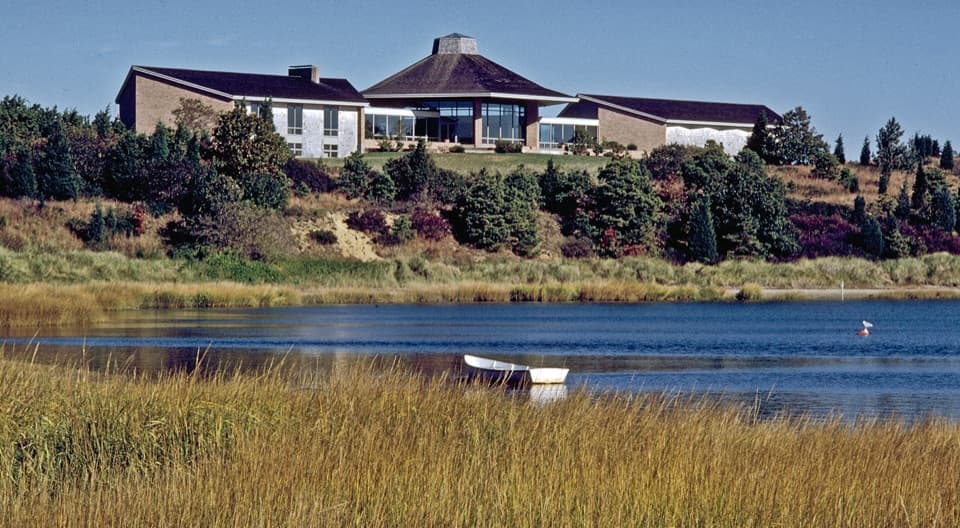
Fort Hill is the park’s classic high-ground perch over Nauset Marsh—open meadows, sweeping salt‑marsh views, and a short loop that rewards far beyond the effort. It’s equally good for a quick viewpoint stop or an unhurried hour linking the meadows with the Red Maple Swamp boardwalk.
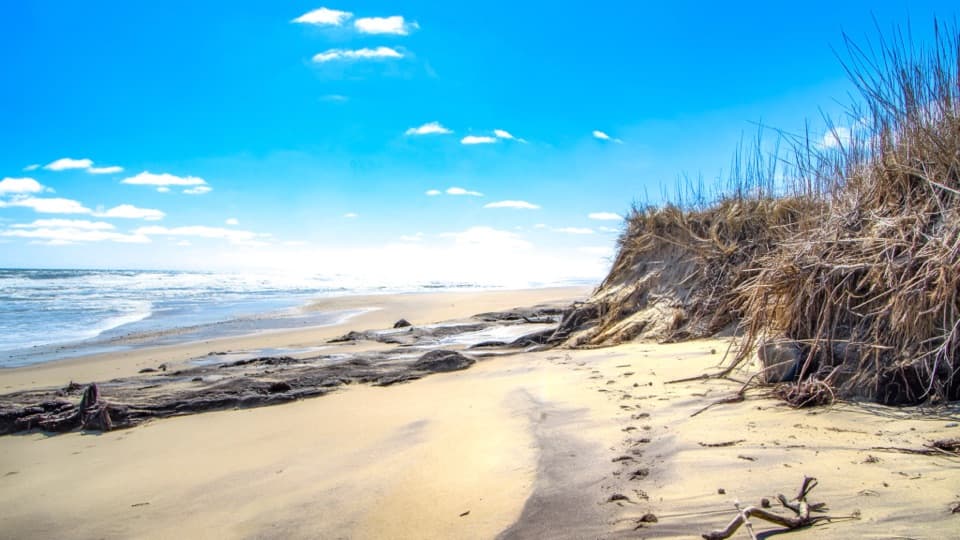
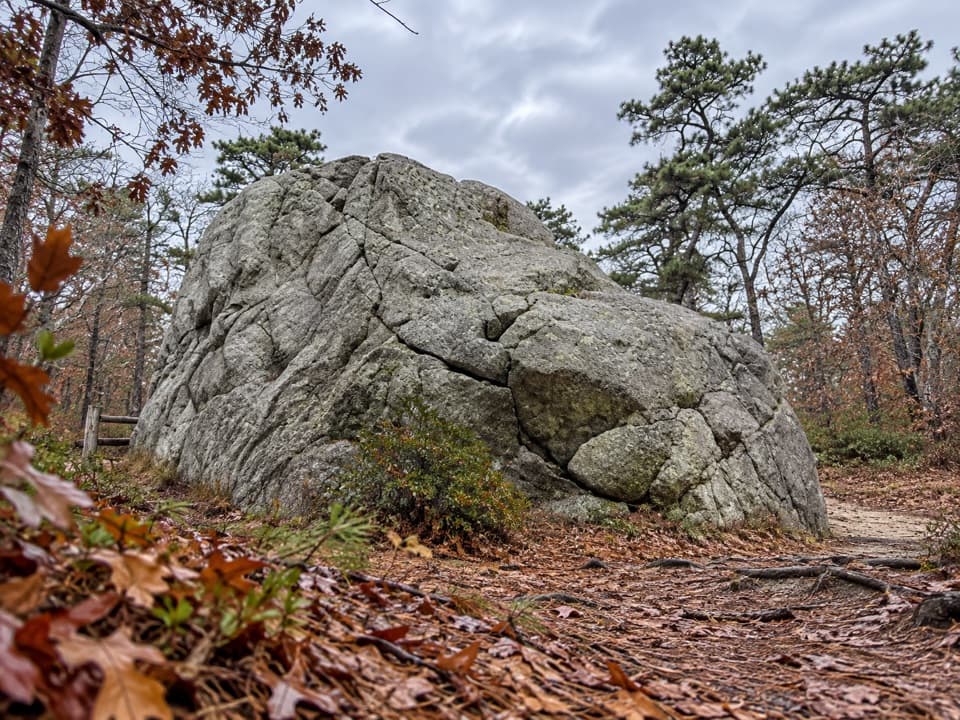
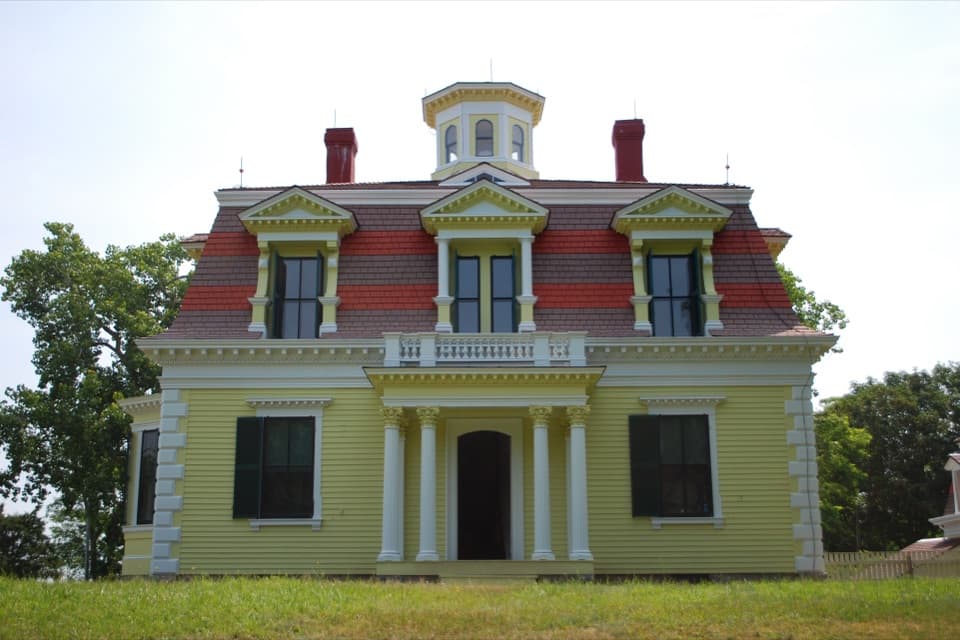
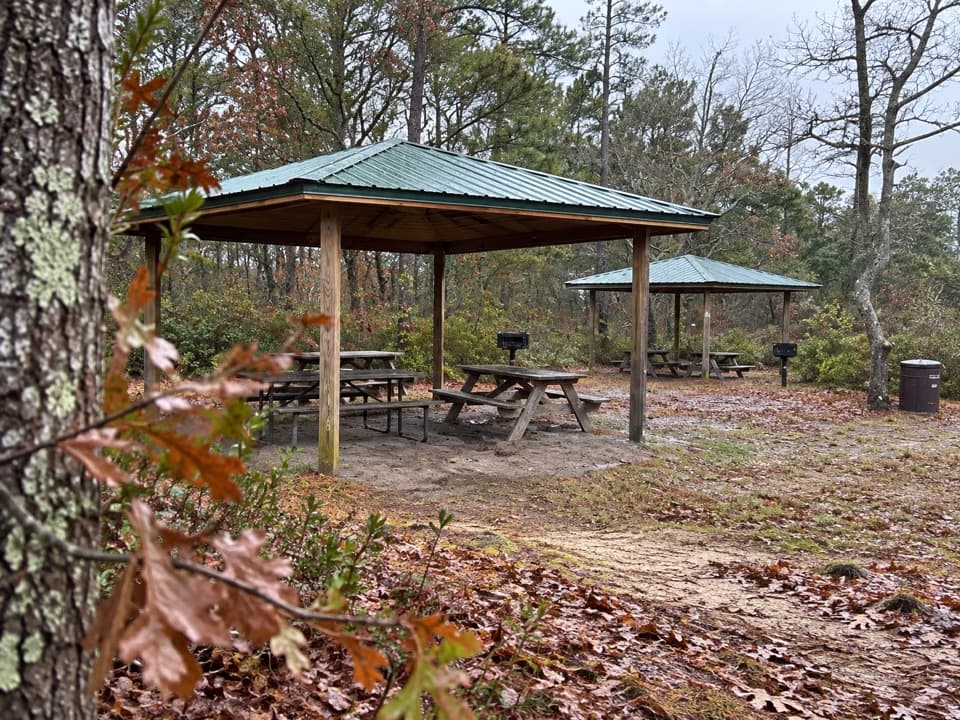
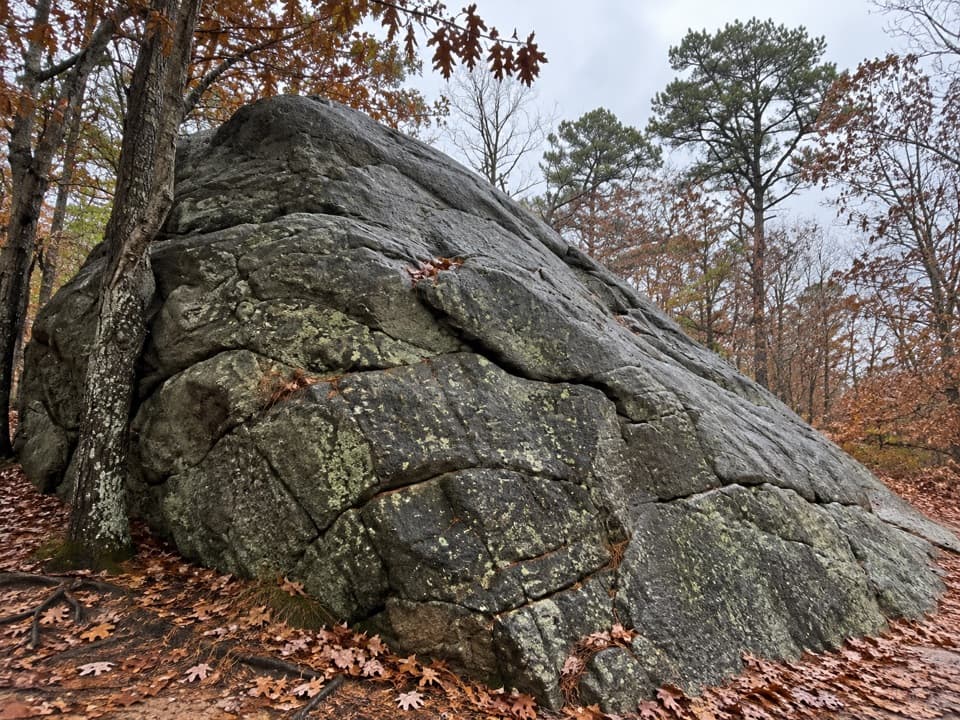
Expect big sightlines across marsh channels, dunes, and the Atlantic beyond, plus a working cultural landscape of maintained fields. Indian Rock on Skiff Hill (a moved glacial boulder with tool‑sharpening grooves) sits by a small pavilion with exhibits and a picnic table. Near the upper lot, the French Second Empire–style Captain Edward Penniman House anchors the historic scene.
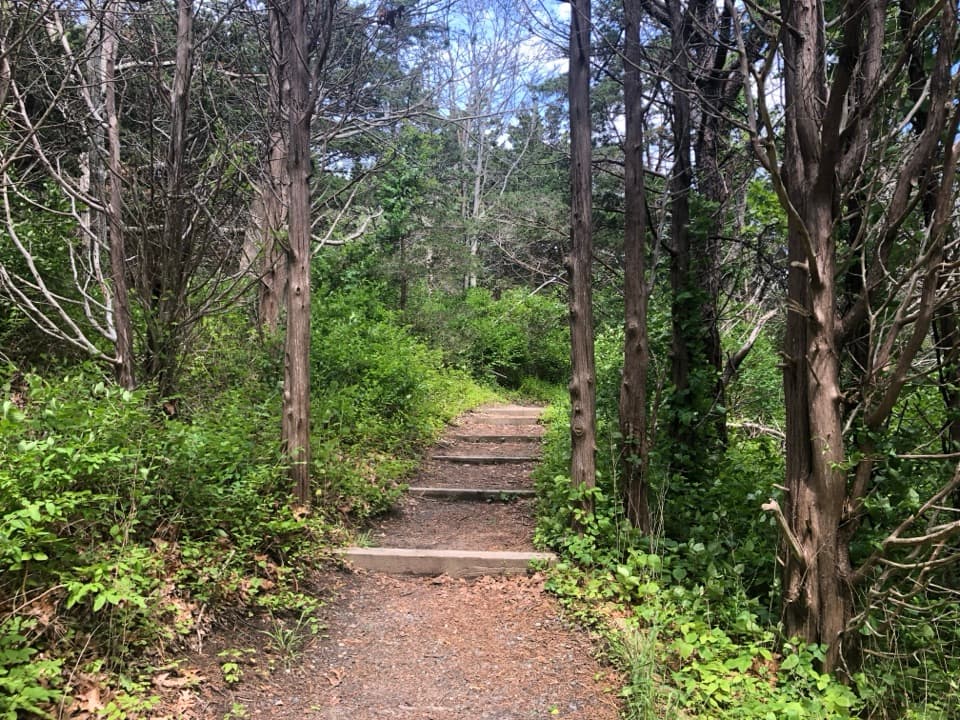
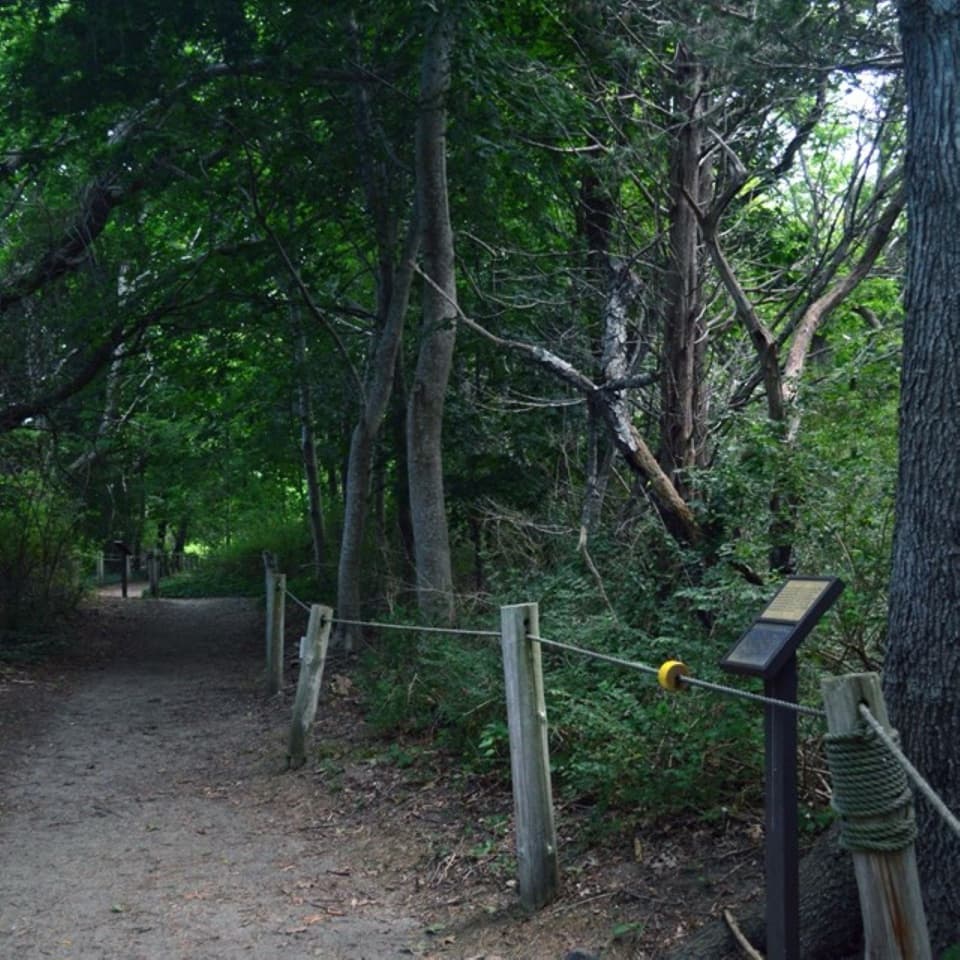
The Fort Hill Loop is about 1 mile with gentle grades and a few log steps—easy going in 30–45 minutes. From 70 Fort Hill Road (signed off US‑6 via Governor Prence Road), stroll the meadows and link to the Red Maple Swamp Trail for shaded boardwalk walking. Combining both makes a satisfying figure‑eight. Parking is free, but lots are small (there’s a main lot and a smaller overflow down the road). You can also start from Hemenway Landing just north of Fort Hill; that entrance has restrooms.
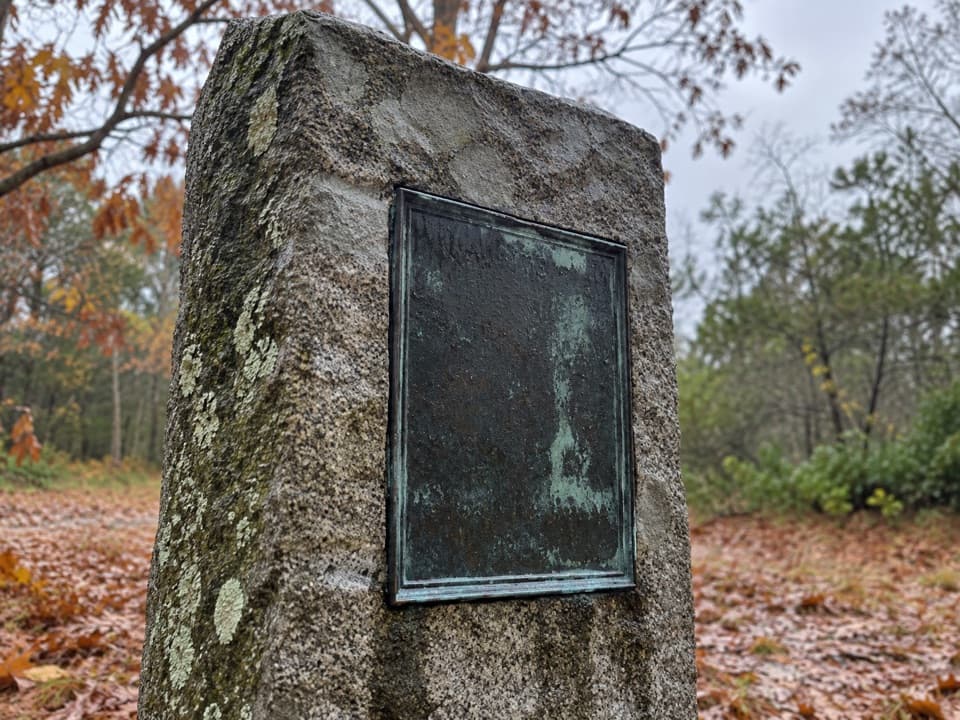
This hilltop has drawn people for centuries. In 1644 it was chosen for a meeting house because the elevation offered natural defense, and nearby fields were worked by families here from the 1700s into the 1940s. The open meadows you see today are maintained to preserve that historic character, and the Indian Rock now on Skiff Hill was moved to its present spot in 1965. Salt marsh haying, peat use, and even sea‑salt production once shaped daily life along Nauset Marsh.
Fort Hill is a Cape birding favorite. Summer brings egrets, herons, terns, and Osprey over the marsh; migration seasons add shorebirds and hawks; winter delivers ducks on the flats. Pro tip: visit at high tide—birds push closer to the hill and viewing is concentrated.
Sunrise and late afternoon deliver the prettiest light and the calmest vibe. Weekdays beat weekends in summer. Fall adds color in the Red Maple Swamp; winter light can be spectacular on clear days. For birding, aim for a high‑tide window. Expect occasional short‑term closures for prescribed burns in late winter/early spring.