
Place · 0 mi away
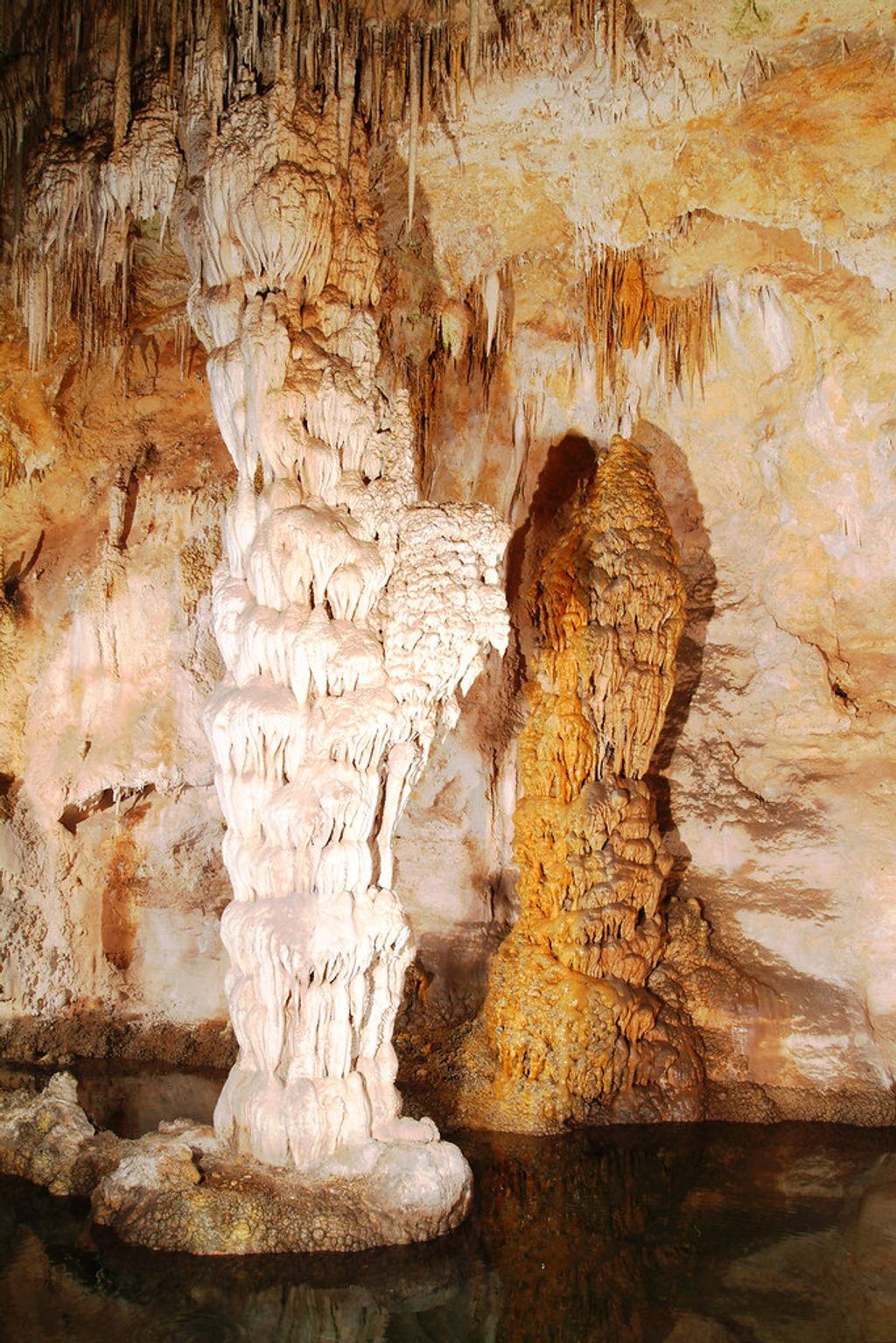
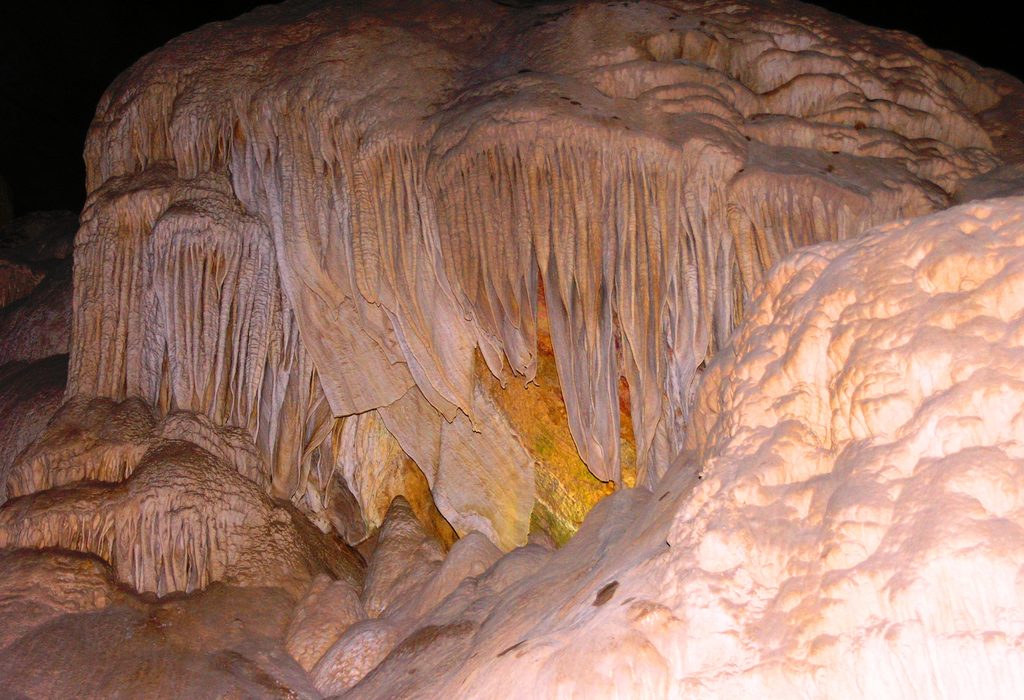
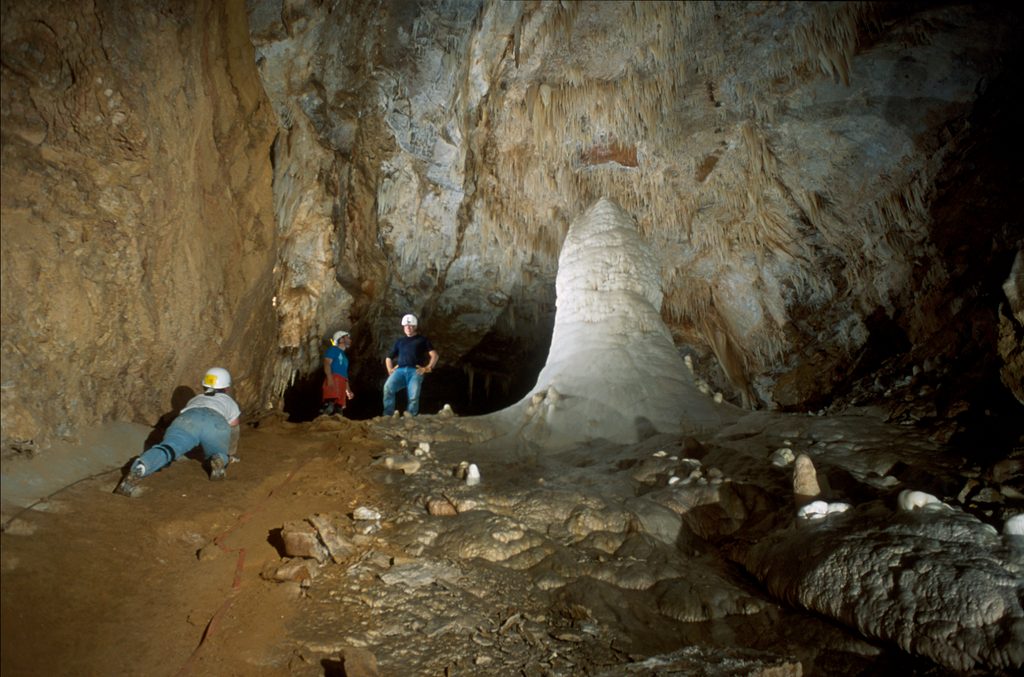
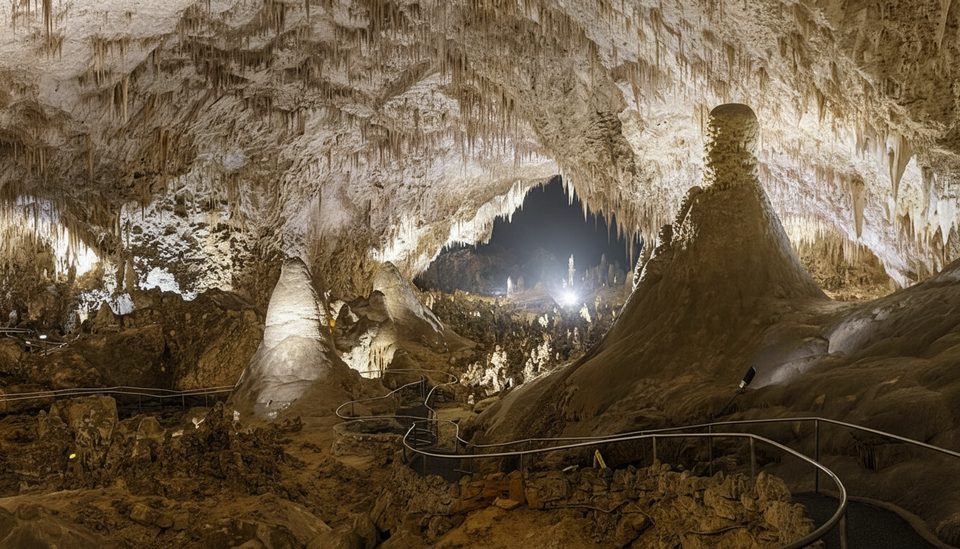
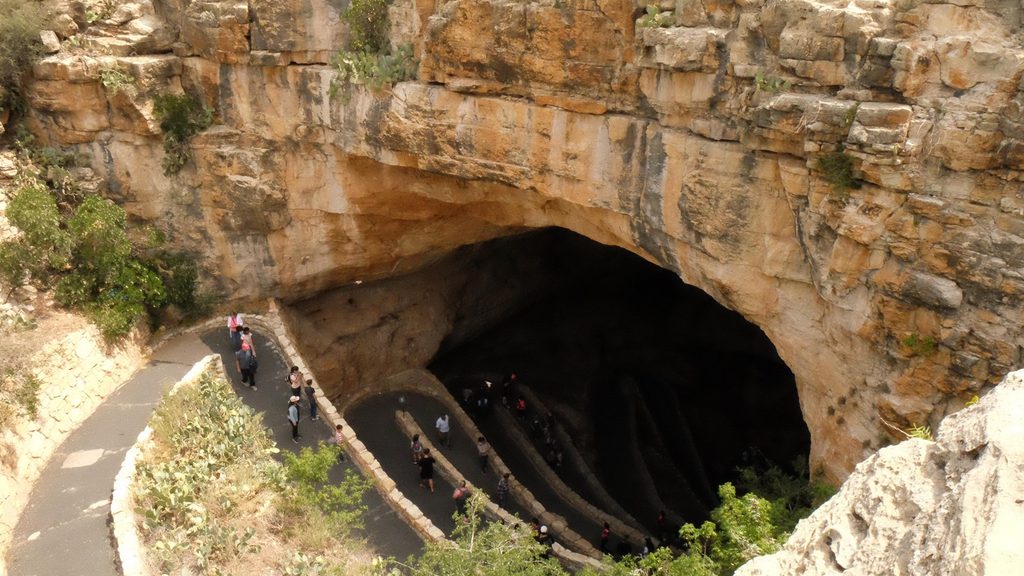
Devil's Spring is one of the first named stops on the self-guided Natural Entrance Trail, a steep, paved descent into Carlsbad Cavern. It’s a compact scene, but a good one—moving water, reflective mineral deposits, and classic cave ambience that signals you’re leaving the desert world behind and entering a living cave.
Water is the engine of cave growth. At Devil’s Spring you can literally watch that process at work—drips delivering dissolved minerals that slowly build formations. The acoustics and glow of the lights give the area a moody, subterranean feel that’s very photogenic if you’re patient with low light.
Carlsbad Cavern formed within ancient reef limestone of the Guadalupe Mountains. Along the Natural Entrance corridor, features like Devil’s Spring highlight ongoing mineral deposition as water carries and leaves behind calcite, gradually enlarging and decorating the passages over long timescales.
Bats define the Natural Entrance area at dusk, but you generally won’t encounter them at Devil’s Spring itself. Inside the cave, visible wildlife is minimal—this stop is about geology more than biology.
Hit the Natural Entrance right at opening or later in the afternoon to avoid the mid‑day swell of visitors. Low, even lighting means there’s no “golden hour” here, but fewer people make it easier to linger for photos and to watch the drips.
Use a camera or phone with strong low‑light performance and brace on a railing or your bag to steady shots. A tiny beam from a small flashlight (aimed away from people and formations) can help your camera focus, then switch it off to preserve the cave mood.
Expect damp patches near the spring; take your time on the slope and use handrails where provided. Never touch formations or the water—skin oils and disturbances halt growth and leave lasting damage.
Place · 0 mi away
Place · 0 mi away
Place · 0 mi away
Place · 0 mi away
Easy · 0 mi away
Challenging · 0.2 mi away
Challenging · 3.5 mi away
Moderate · 3.5 mi away

Parkwolf Tour Guide
