Place · 4.6 mi away

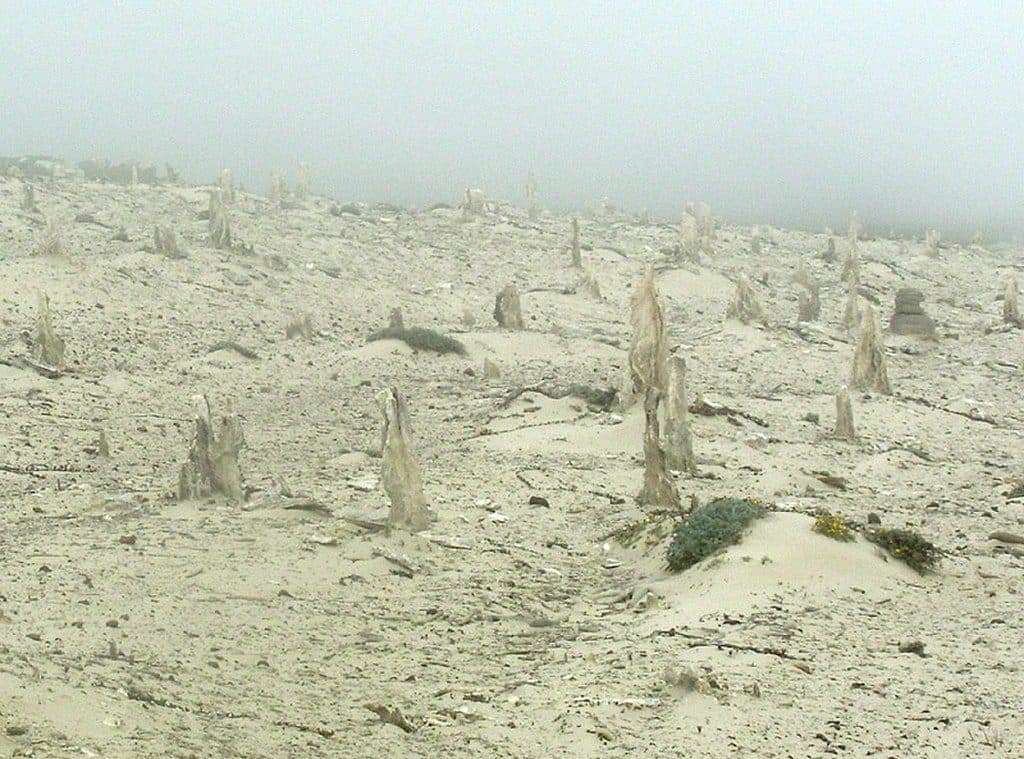
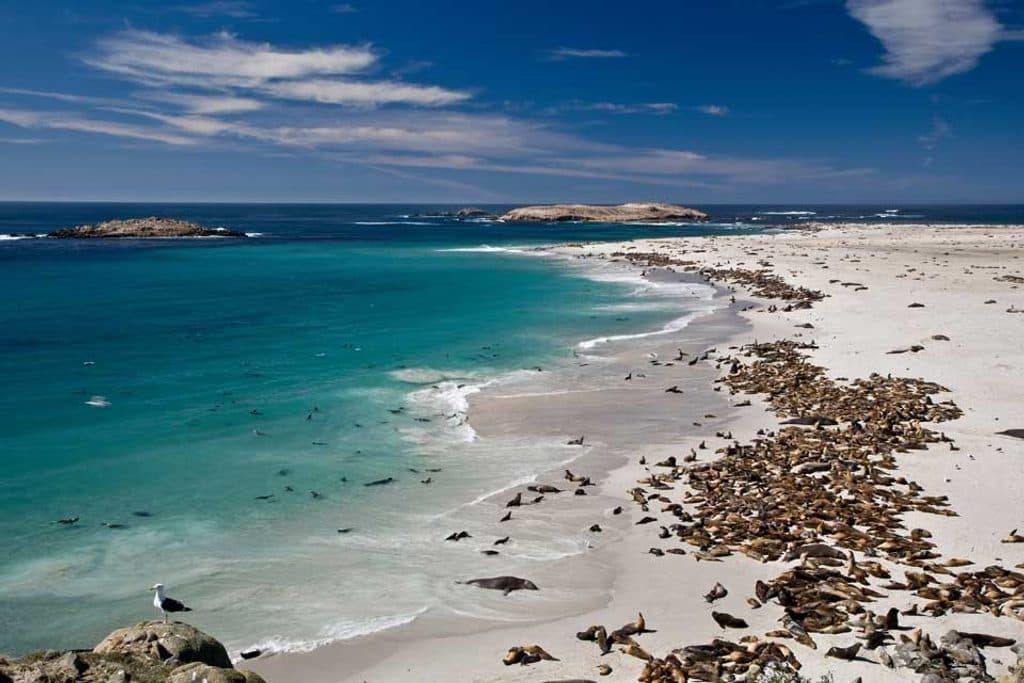
Point Bennett sits at the far western tip of San Miguel Island, a remote, windswept headland that feels like the edge of the Pacific. It’s here that beaches and rocky points host one of the planet’s most concentrated pinniped gatherings—seals and sea lions in astonishing numbers. If you’re chasing a truly wild, off-the-grid experience inside the park, this is it.
Reaching Point Bennett is an all‑day commitment: a ranger‑guided hike of about 14–16 miles round trip from the main landing at Cuyler Harbor, with rolling hills and a couple of climbs as you cross the island and back. Due to San Miguel’s history as a former Navy bombing range and the possibility of unexploded ordnance, you must stay with the National Park Service ranger beyond the ranger station—no independent or off‑trail hiking. Logistics are limited by boat schedules and group size, so plan well ahead and consider staying overnight to make the most of your window.
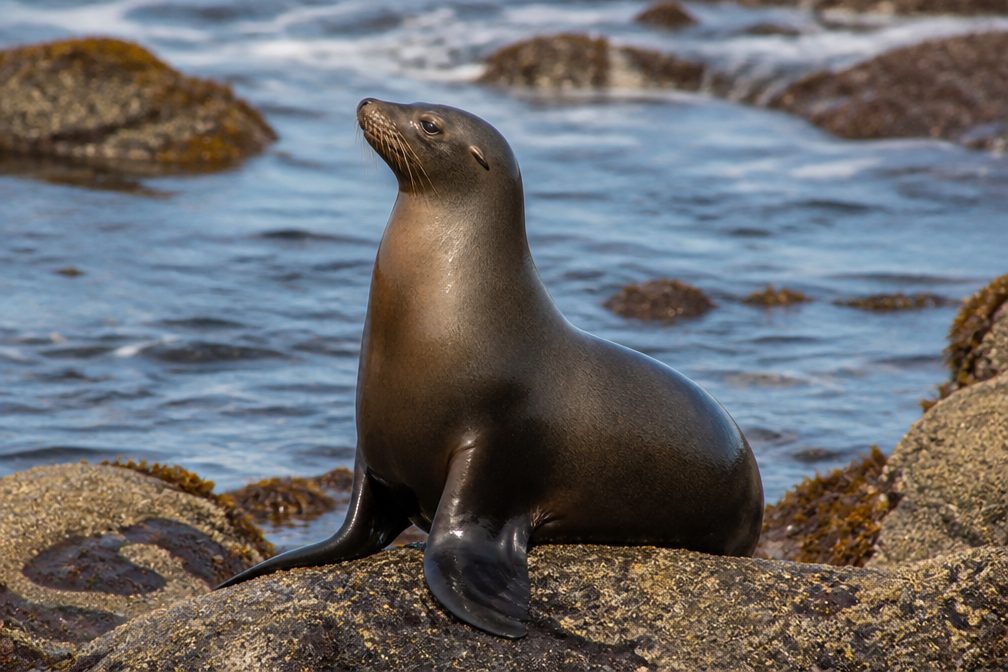
This point is famous for its marine mammal rookeries. Expect to see California sea lions, northern elephant seals, and northern fur seals in large numbers, with Steller sea lions and Guadalupe fur seals occasional visitors. Peak breeding activity is typically May–June, but seals and sea lions haul out here year‑round—barking, sparring, pupping, and sunning onshore. It’s a spectacle of sound and motion you won’t forget.
San Miguel is exposed and can be ferociously windy; conditions shift quickly. There are no facilities—no water, restrooms, food, or shelter—on the route or at Point Bennett. You’ll need to be fully self‑sufficient with water, layers, sun protection, and sturdy footwear. The remoteness and guided access model keep crowds extremely light; even in peak season, it feels wild and unpeopled.
If your priority is peak wildlife drama, target late spring (May–June) when breeding is in full swing. For general wildlife viewing, any time of year can deliver, with numbers and species varying by season. Crowding isn’t a factor here; ranger‑led numbers are capped, and trips depend on boat schedules and weather.