Best time to visit
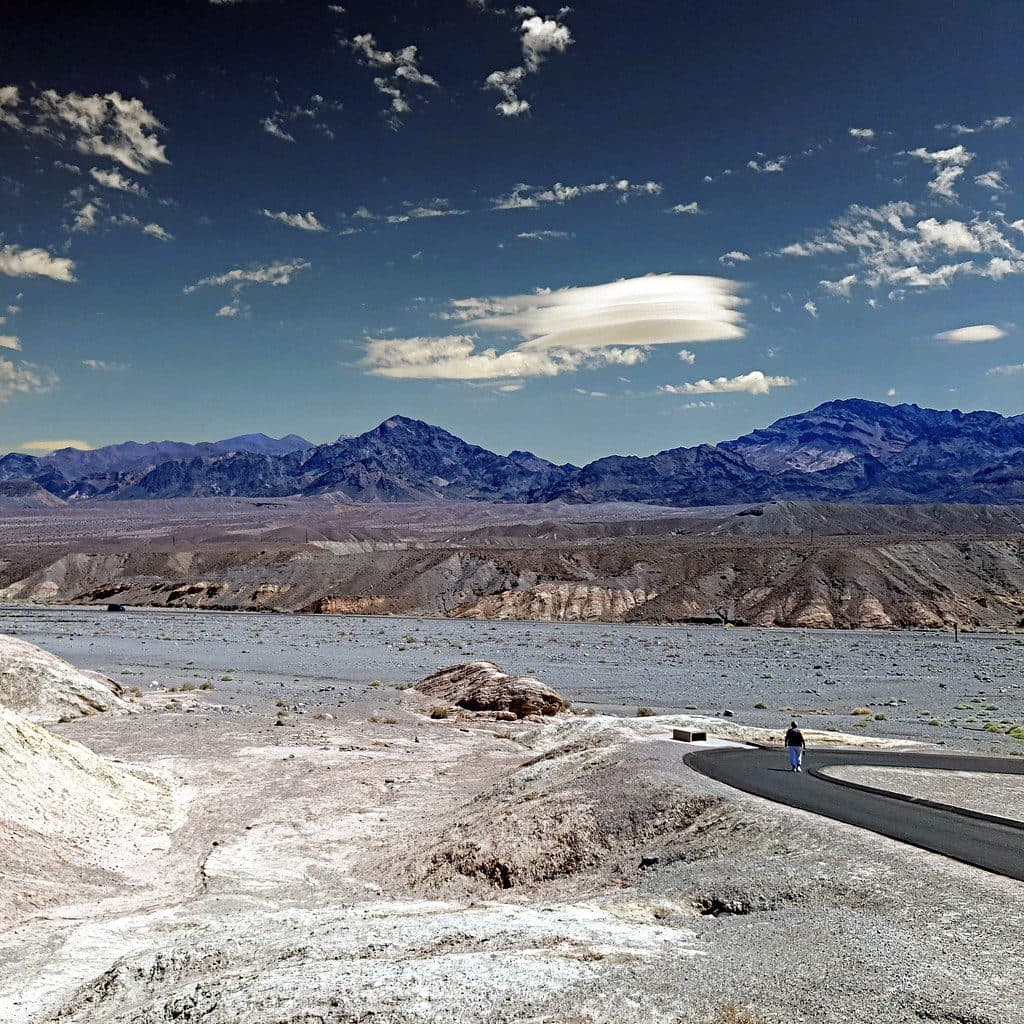
Mornings and late afternoons deliver kinder temperatures and the best light on the concrete walls and surrounding hills. Midday can be punishingly hot and flat for photos.
Sight · Death Valley National Park
Evocative concrete ruins on the valley floor, easy quick stop
Overview
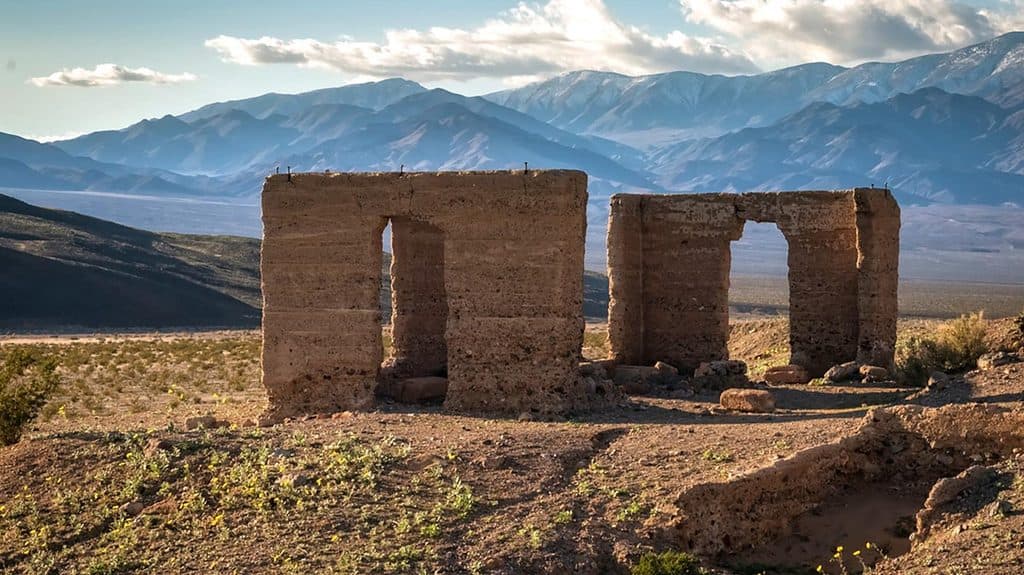
A quick, atmospheric stop on the valley floor, Ashford Mill Ruins frames the desert through crumbling concrete walls and broad foundations. It’s the kind of place you linger for ten minutes, take a few photos, and soak in a whole lot of silence.
If you love ghost-town vibes, roadside history, or you’re already driving Badwater Road, it’s a worthy ten-minute detour. If you want grand overlooks or extensive ruins, this one’s a quick curiosity rather than a headliner.
 Parkwolf’s verdictIs It Worth It?
Map
Local know-how
Come at golden hour for softer light on the ruins and butte terraces.
Bring plenty of water, sun protection, and expect zero shade.
Use this as a bathroom stop on the park’s south end; services are scarce.
Glance west to spot the ancient Lake Manly shoreline terraces on Shoreline Butte.
Plan your stop
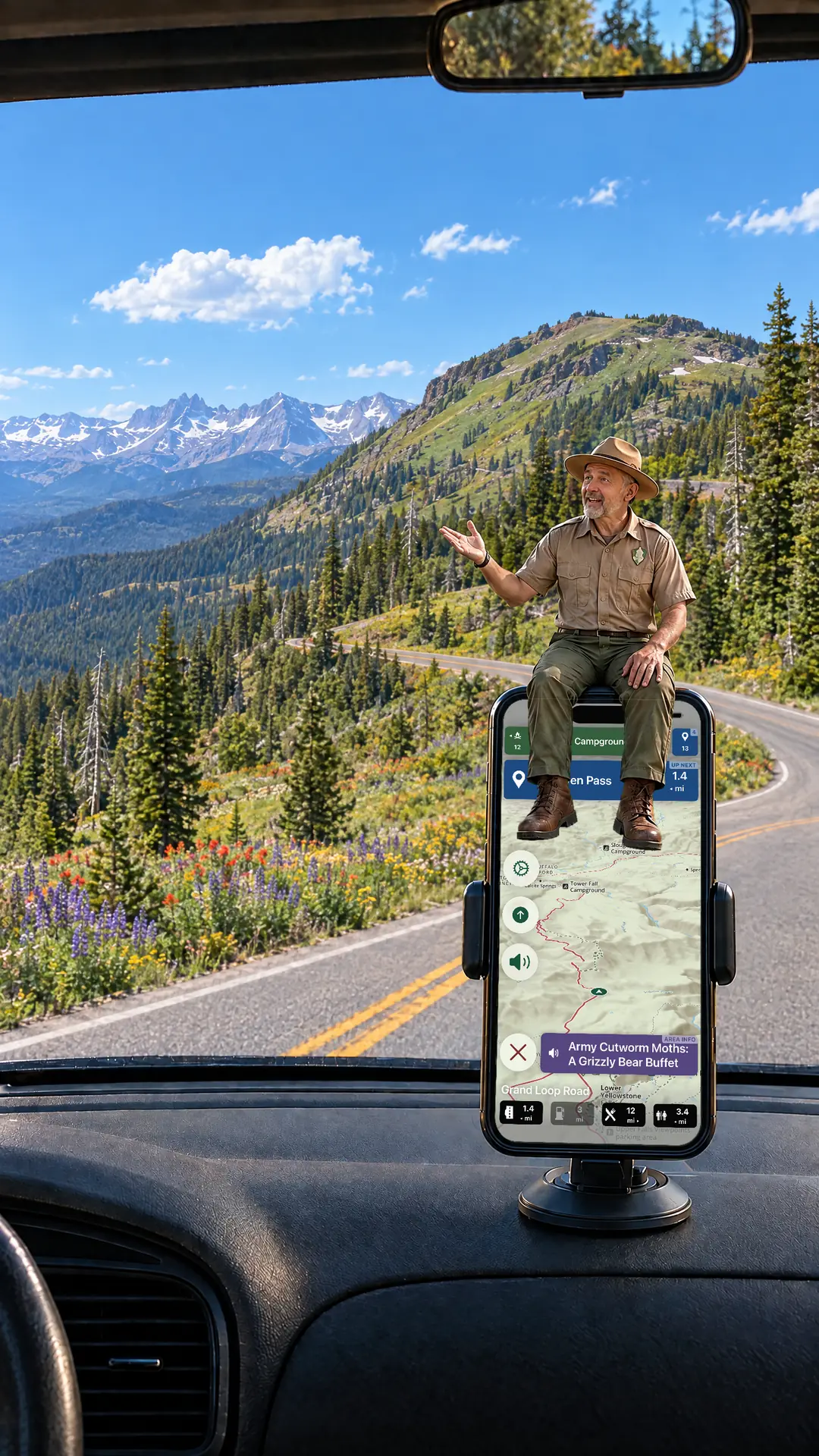
The highest, rockiest slopes around here are a summer buffet for grizzly bears.
Death Valley Tour Guide
Parkwolf is a GPS audio tour guide for Death Valley National Park. As you drive, it chimes in with what’s ahead: hidden gems, upcoming stops, history, geology, and wildlife, right through your car’s speakers.
See the Death Valley audio tourRecorded for this place
Ashford Mill Ruins and an Ancient Lake“Coming up are the ruins of Ashford Mill, a quick stop to see what's left of a gold mill from 1914.”
Plays as you drive up to Ashford Mill Ruins in the Parkwolf Death Valley Tour Guide.
More stories near here in the app
“Fantastic app with many points of information… It’s great to just turn on while you’re driving and it gives you an audio tour of the national Park. We love it!!!!”


Guide
You’ll find the skeletal remains of a small early-1900s mill site: the concrete office walls and scattered foundations. The stark, sandy backdrop makes the ruins surprisingly photogenic, especially in soft light. An interpretive sign ties the scene together.
Built in 1914 to process ore hauled from a mine about five miles east, the operation never really took off. Ownership changed hands more than once and profits never matched expectations. A local legend says a double order of cement during construction is why these concrete walls have outlasted so many other Death Valley ruins.
Look west toward Shoreline Butte and you’ll notice distinct terraces—ancient shorelines from Lake Manly, the prehistoric lake that once filled much of the valley. It’s a neat mashup of cultural history and geologic story in one pullout.
This is a minimalist stop: small dirt parking area, a vault toilet, and a couple of picnic tables with no shade. No water, store, or fuel. Expect very light crowds.
Nothing here is known for wildlife viewing, though at low elevations you might spot a lizard or a few hardy birds and insects adapting to the heat.
Wildlife
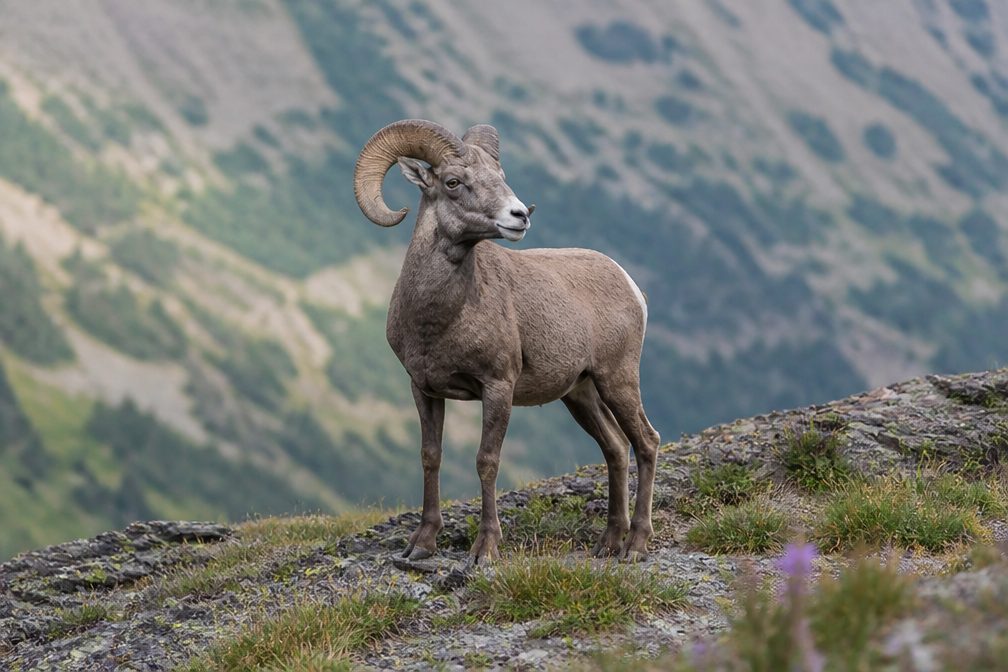 71 sightingsBighorn SheepMost seen around 6 PMSighting map
 101 sightingsDesert TortoiseMost seen around 8 AMSighting map
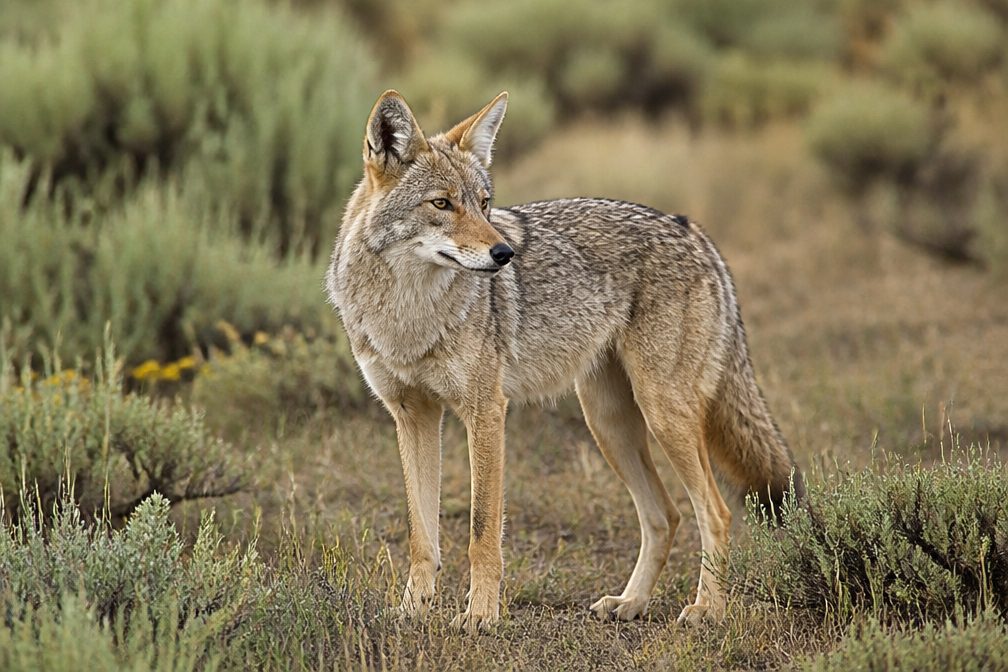 458 sightingsCoyoteMost seen around 6 PMSighting map
 28 sightingsFeral BurroMost seen around 5 PMSighting map
 30 sightingsMule DeerMost seen around 7 PMSighting map
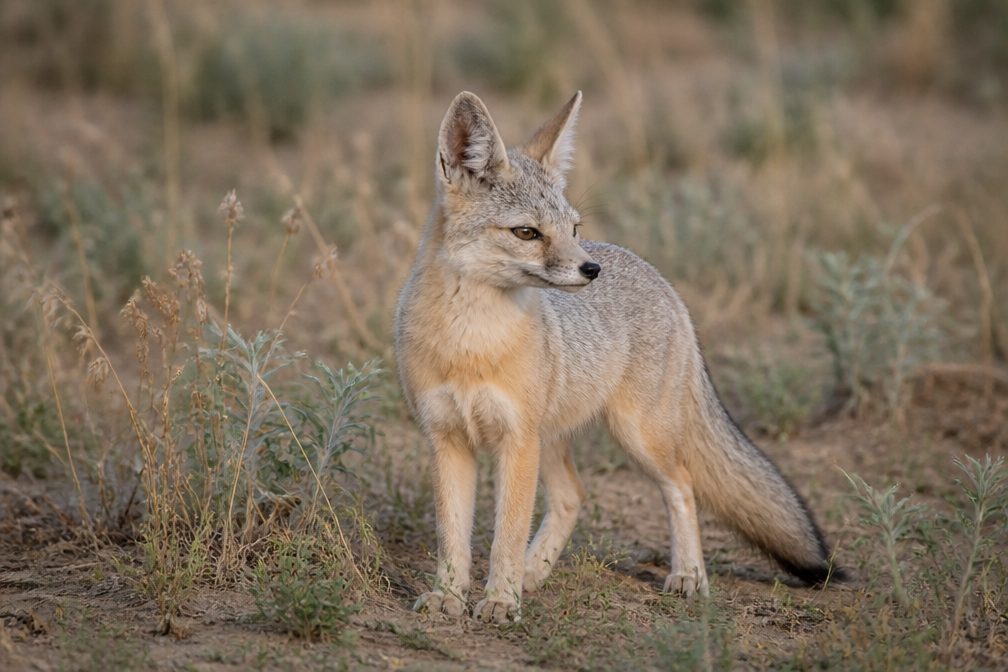 62 sightingsKit FoxMost seen around 7 PMSighting map
Sighting maps show where each species has been reported across Death Valley. Wildlife moves, so no sighting is guaranteed.
Parkwolf’s Death Valley ranking
The audio tour guide for the drive, plus offline maps, trails, and wildlife heatmaps for when the signal drops.