Mesquite Flat Sand Dunes

Easy-access dunes for golden-hour photos, stargazing, and sandboarding
Mesquite Flat Sand Dunes, Death Valley National Park
InsideDeath Valley National Park

Overview

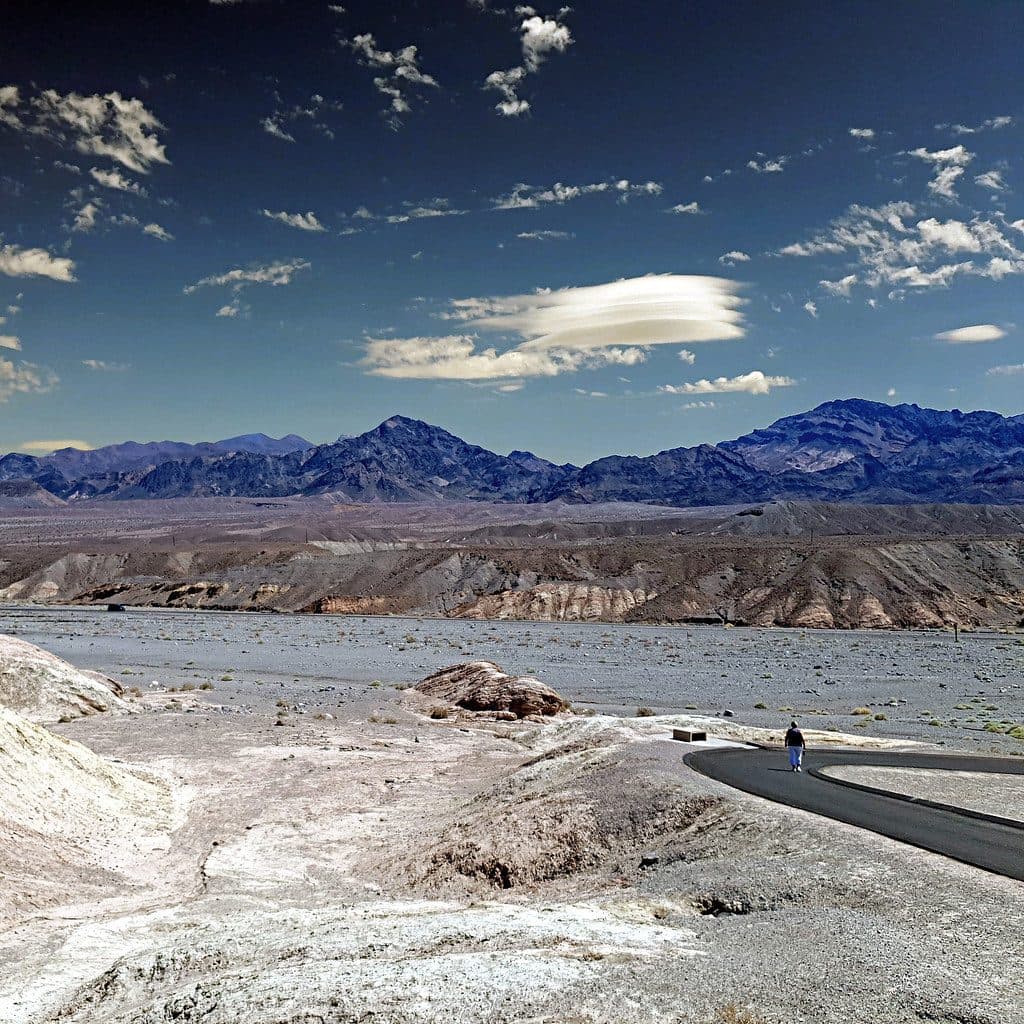
Mesquite Flat Sand Dunes are the park’s most accessible dunes—step out of your car and you’re on the sand. The dune field spreads wide, with high points around 100–150 feet, backed by big mountain views. It’s popular for good reason: easy access, wind‑sculpted ripples, and classic desert scenery that’s even had a cinematic moment or two.

What You’ll See

  • Rolling ridgelines of fine, walkable sand and fresh wind‑carved patterns, especially after storms.
  • Mesquite trees forming hummocks that anchor the sand and add texture to the landscape.
  • In winter, surrounding mountains can be snow‑capped—a dramatic contrast to the warm-toned dunes.
  • Three dune types in one place: crescent, linear, and star-shaped dunes over an ancient, polygon-cracked lakebed.

How to Explore

There are no official trails—wander wherever looks best. Most people aim for “High Dune,” roughly a mile from the parking area. Expect soft sand and deceptive distances; walking here is a workout. If you want pristine ripples without footprints, simply head a few hundred yards past the busy area near the lot.

Wildlife

Come at sunrise to spot fresh tracks from lizards, rodents, and insects stitched across the sand. Larger wildlife tends to stick to the edges near mesquite hummocks and is seldom seen out in the open dunes.

Best Times to Visit

Sunrise and sunset are prime: softer light, cooler temps, fewer people, and striking light‑and‑shadow across the ridges. Clear nights make this a favorite dark‑sky spot for stargazing and astrophotography. Midday (especially in summer) can be punishingly hot with harsh light—skip it if you can.

Activities

  • Sandboarding/sledding is permitted here—bring your own board or sled.
  • Photography thrives on side‑light and wind‑made patterns; go early for fresh, untracked sand.

Amenities & Logistics

There’s a dedicated parking lot and vault toilets at the dunes. That’s it—no water, no food, no shade. Nearby Stovepipe Wells (a short drive) has the closest services. Park entry fees apply. Driving off-road into the dune field is illegal—this is protected wilderness.

Safety & Prep

Bring plenty of water, sun protection (hat, sunscreen, sunglasses), and be ready for wind that can blow sand into eyes and gear. On hot days, keep outings short and plan for the extra effort of hiking in soft sand.

Pros

  • Easy access right off the main road with a dedicated parking area
  • Gorgeous sunrise/sunset light and dark-sky stargazing
  • One of the few places in the park where sandboarding is allowed

Cons

  • Footprints and crowds near the lot unless you walk farther
  • No shade or water; heat and sun can be brutal

Tips

  • For clean, ripple-filled sand, walk 10–15 minutes beyond the parking area.
  • High Dune is about a mile from the lot—budget extra time for soft sand.
  • Aim for sunrise or sunset to beat the heat and get the best light.
  • Bring your own sled or sandboard—there are no rentals or shops on-site.
  • If it’s windy, wear sunglasses or a buff to protect against blowing sand.
The Parkwolf tour guide sitting on a phone mounted in a car

Parkwolf Tour Guide

Like a tour guide in your car.

Save the places you found around Death Valley, then let Parkwolf guide the drive between them.Download Parkwolf on the App Store