Devils Hole

Fenced blue cavern sheltering the ultra-rare Devils Hole pupfish
Devils Hole, Death Valley National Park
InsideDeath Valley National Park

Overview

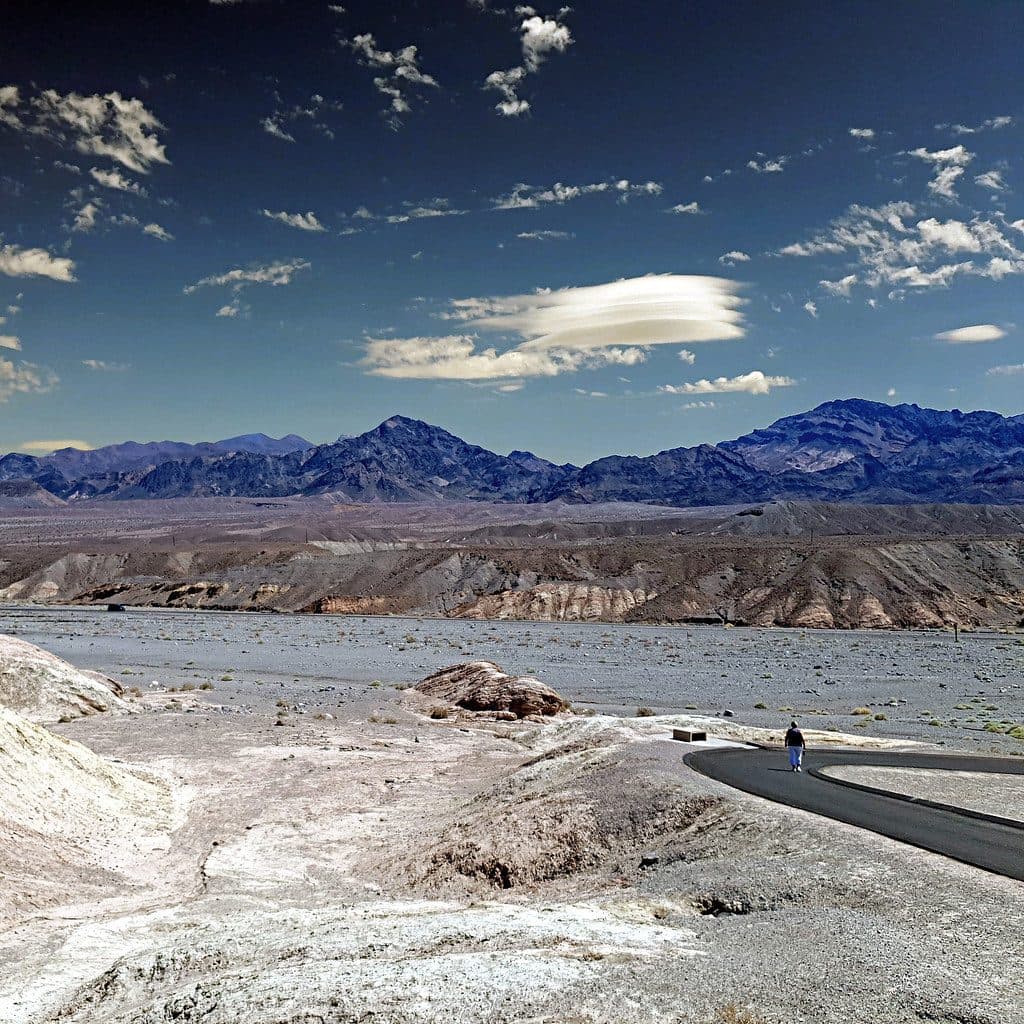
Devils Hole is a tiny, fenced limestone cavern and warm spring in a detached unit of the park, tucked within the Amargosa Desert. It’s globally unique as the only natural home of the critically endangered Devils Hole pupfish. Think science stop, not recreation: you’re here to observe, learn, and leave it undisturbed.

What You’ll See

From a small parking area, a short gravel path leads to a locked, fenced viewing platform over the pool (there’s a second gated opening a bit farther along). The fish are tiny and the water is far below, so bring binoculars or a zoom lens. Expect a quick, educational stop rather than a dramatic vista.

Why It’s Special

The pool stays about 91–93°F year‑round, is low in oxygen, and drops well over 400 feet into the limestone—possibly much deeper. It’s connected to a vast aquifer and famously “sloshes” during distant earthquakes, leaving marks on the cavern walls. A shallow rock shelf near the surface is the lifeline for the pupfish.

Wildlife

The star is the Devils Hole pupfish, among the rarest fish on Earth, adapted to the hot, oxygen‑poor water here. Viewing is from the platform only; patience and optics help. For easier fish spotting, pair this stop with nearby spring-fed boardwalks in the surrounding refuge where related pupfish are visible.

Access, Rules, and Reality Check

This is a strictly protected research site: no entry to the water or beyond the fence, ever. Roads are unpaved and can be washboarded or rough; conditions vary by weather. There are no restrooms, water, food, or shade structures here—plan accordingly.

Best Time to Visit

Go early in the morning for cooler temps, softer light, and a better chance to spot fish near the shallow shelf. Avoid midday glare and heat. After major storms, check conditions; roads and nearby areas may temporarily close or degrade.


Is It Worth It?

If you love rare wildlife, geology, and conservation stories, absolutely—this tiny hole packs big significance. If you’re seeking scenery or action, it can feel underwhelming and out of the way. Pair it with other springs nearby to make the drive pay off.

Pros

  • Only natural habitat of the Devils Hole pupfish
  • Designated viewing platform with interpretive info

Cons

  • Fenced and distant viewing only
  • Remote, rough gravel access with no on-site facilities

Tips

  • Bring binoculars or a zoom lens—the fish are tiny and far below.
  • There are no facilities; carry water and sun protection.
  • Roads are gravel and can be rough; check conditions before you go.
  • Pair this with nearby spring boardwalks to actually see pupfish up close.
  • Arrive early for cooler temps, softer light, and better fish visibility.
The Parkwolf tour guide sitting on a phone mounted in a car

Parkwolf Tour Guide

Like a tour guide in your car.

Save the places you found around Death Valley, then let Parkwolf guide the drive between them.Download Parkwolf on the App Store