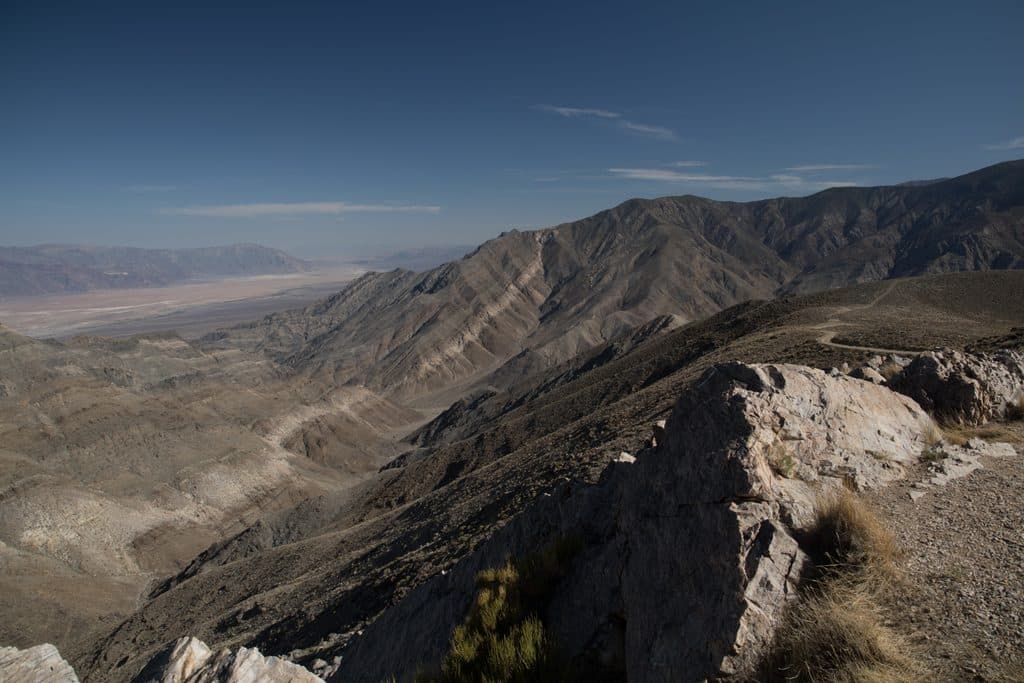
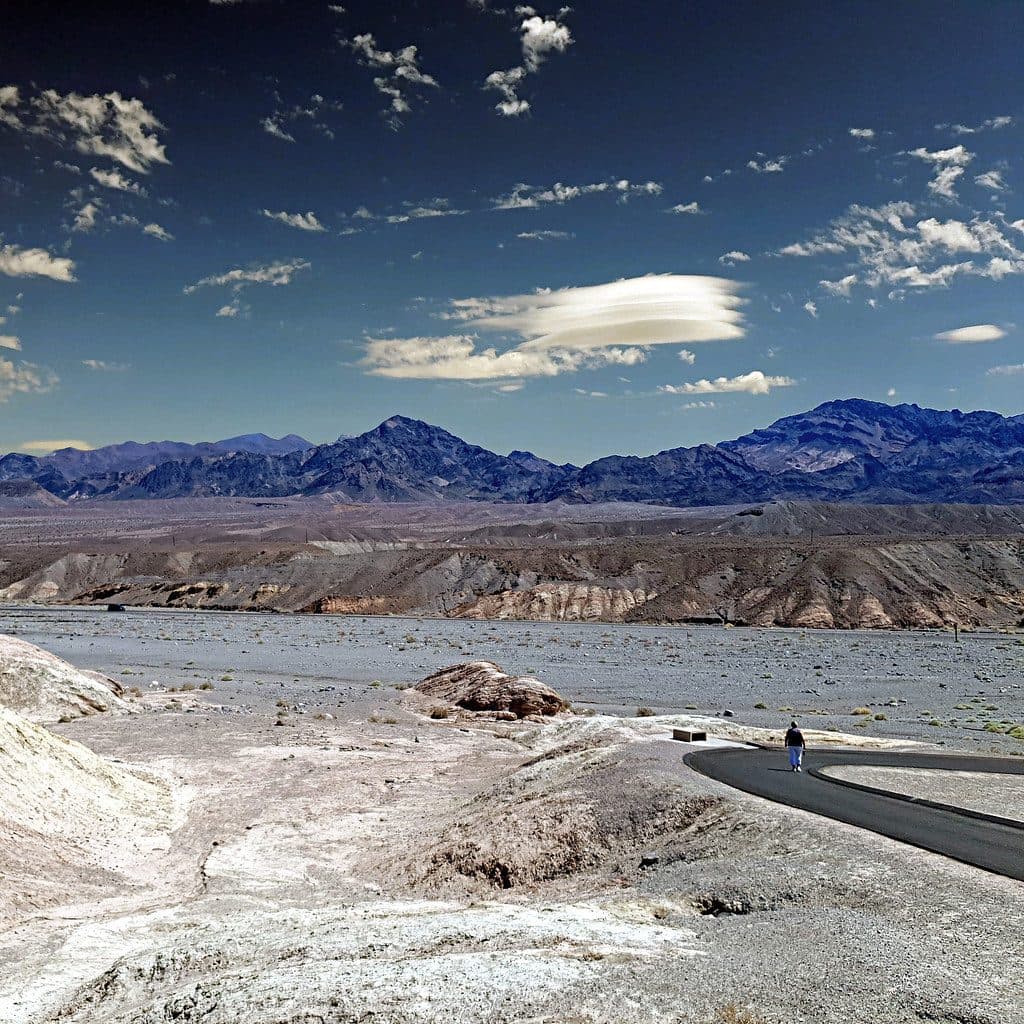
Best time to visit
Come in cooler months or aim for early morning/late afternoon. The light is softer for photography, temperatures are friendlier, and the already light crowds thin even further. Midday in summer is harsh—both the sun and the light.
Sight · Death Valley National Park
Atmospheric mining ruins with big views and few crowds
Overview
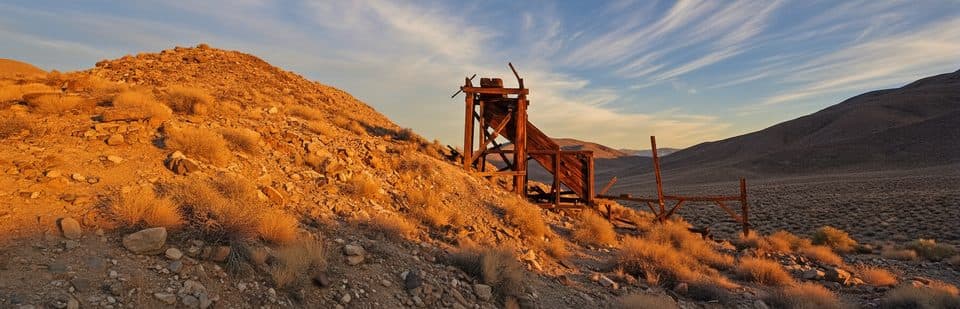
Eureka Mine is a compact slice of Death Valley’s mining past: weathered adits (now gated), rusting machinery, and the skeletal frame of the Cashier Mill perched on a barren hillside. It’s the kind of place that feels frozen in time—no crowds, no services, just wind, wood, and wide-open desert.
Map
Local know-how
Carry more water than you think you need and full sun gear.
Respect bat gates and do not enter any mine openings.
Pick up a park brochure beforehand to enrich the sparse on-site signage.
Check dirt-road conditions after storms before driving out.
Combine with Aguereberry Camp or Aguereberry Point for a great half-day loop.
Plan your stop

The highest, rockiest slopes around here are a summer buffet for grizzly bears.
Death Valley Tour Guide
Parkwolf is a GPS audio tour guide for Death Valley National Park. As you drive, it chimes in with what’s ahead: hidden gems, upcoming stops, history, geology, and wildlife, right through your car’s speakers.
See the Death Valley audio tourRecorded for this place
Aguereberry Point and Eureka Mine“You're approaching the road to Aguereberry Point, a detour that leads to one of the best, and quietest, panoramic views in the park.”
Plays as you drive up to Eureka Mine in the Parkwolf Death Valley Tour Guide.
More stories near here in the app
“Fantastic app with many points of information… It’s great to just turn on while you’re driving and it gives you an audio tour of the national Park. We love it!!!!”


Guide
Claimed in the boom years and later developed by Pete Aguereberry, Eureka Mine produced gold for decades. The mill processed ore using mercury and cyanide—hallmarks of early 20th-century techniques—and the tunnels today are sealed with bat-friendly gates for safety and wildlife protection.
This is a quieter, more contemplative stop than the park’s headliners. Expect a self-guided wander among ruins with minimal interpretation—bring your curiosity or a park brochure for context. Most people spend 1–2 hours exploring the mill site and nearby camp remains.
The mine gates protect resident bats. You likely won’t see them by day, but their presence is the reason tunnels are closed. Around the site, you may notice typical desert life like lizards and birds.
Wildlife
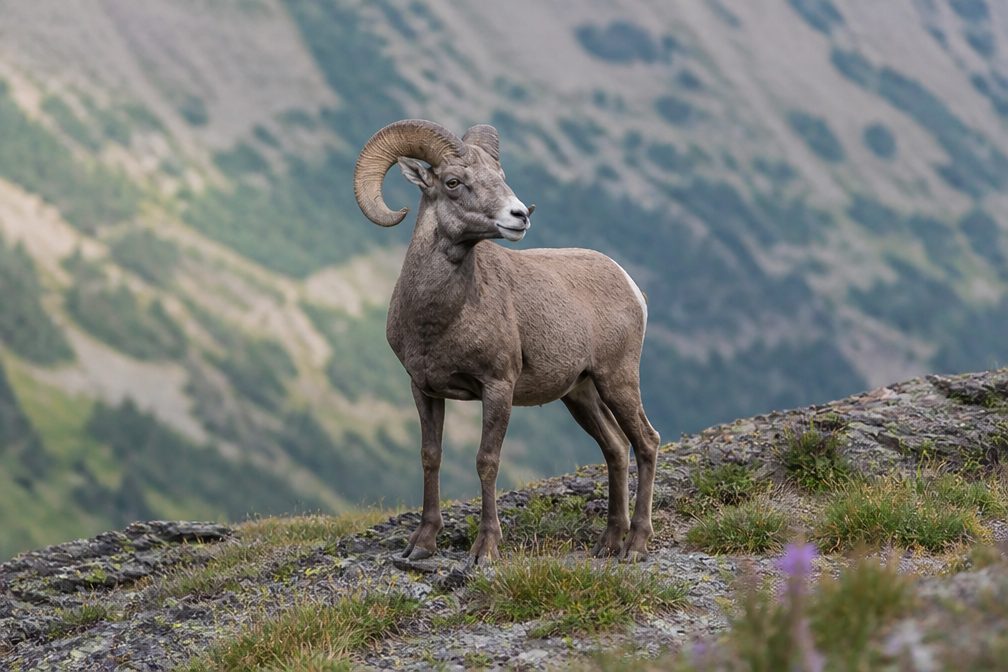 71 sightingsBighorn SheepMost seen around 6 PMSighting map
 101 sightingsDesert TortoiseMost seen around 8 AMSighting map
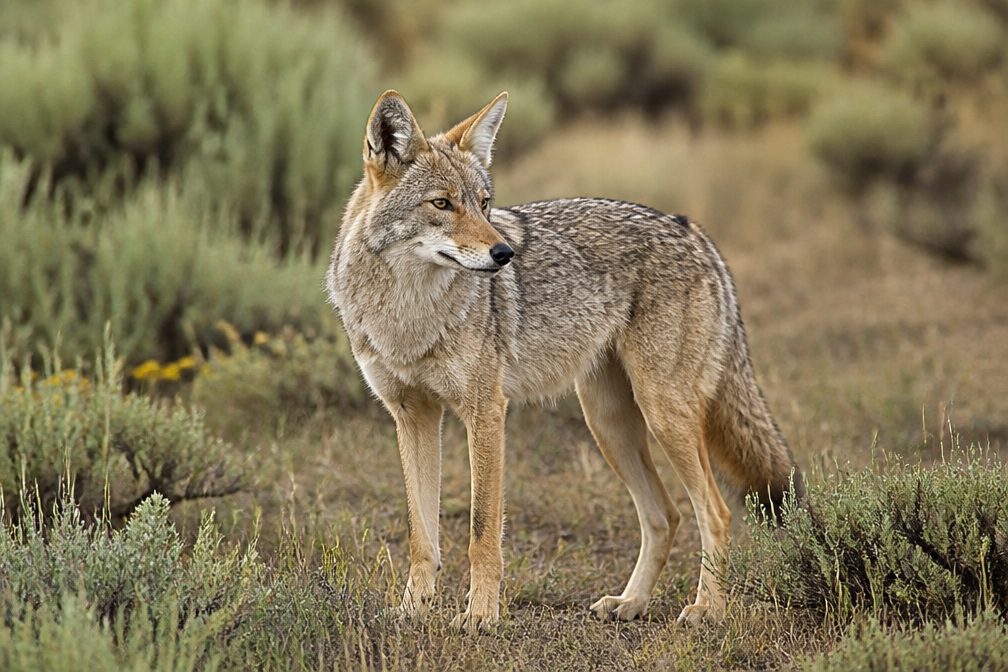 458 sightingsCoyoteMost seen around 6 PMSighting map
 28 sightingsFeral BurroMost seen around 5 PMSighting map
 30 sightingsMule DeerMost seen around 7 PMSighting map
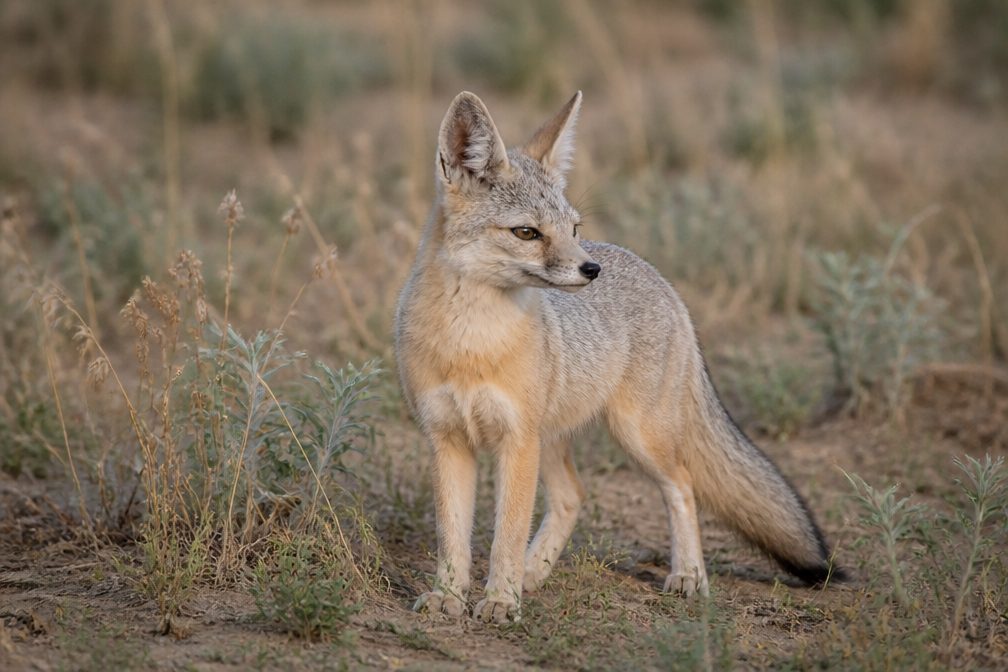 62 sightingsKit FoxMost seen around 7 PMSighting map
Sighting maps show where each species has been reported across Death Valley. Wildlife moves, so no sighting is guaranteed.
Keep exploring
Parkwolf’s Death Valley ranking

The audio tour guide for the drive, plus offline maps, trails, and wildlife heatmaps for when the signal drops.