Best time to visit
Go in cooler months and aim for morning or late afternoon to dodge heat and get flattering light on the wood structures. Crowds are rarely an issue any day of the week. Avoid hot, windless mid‑day visits in warm seasons.

Sight · Death Valley National Park
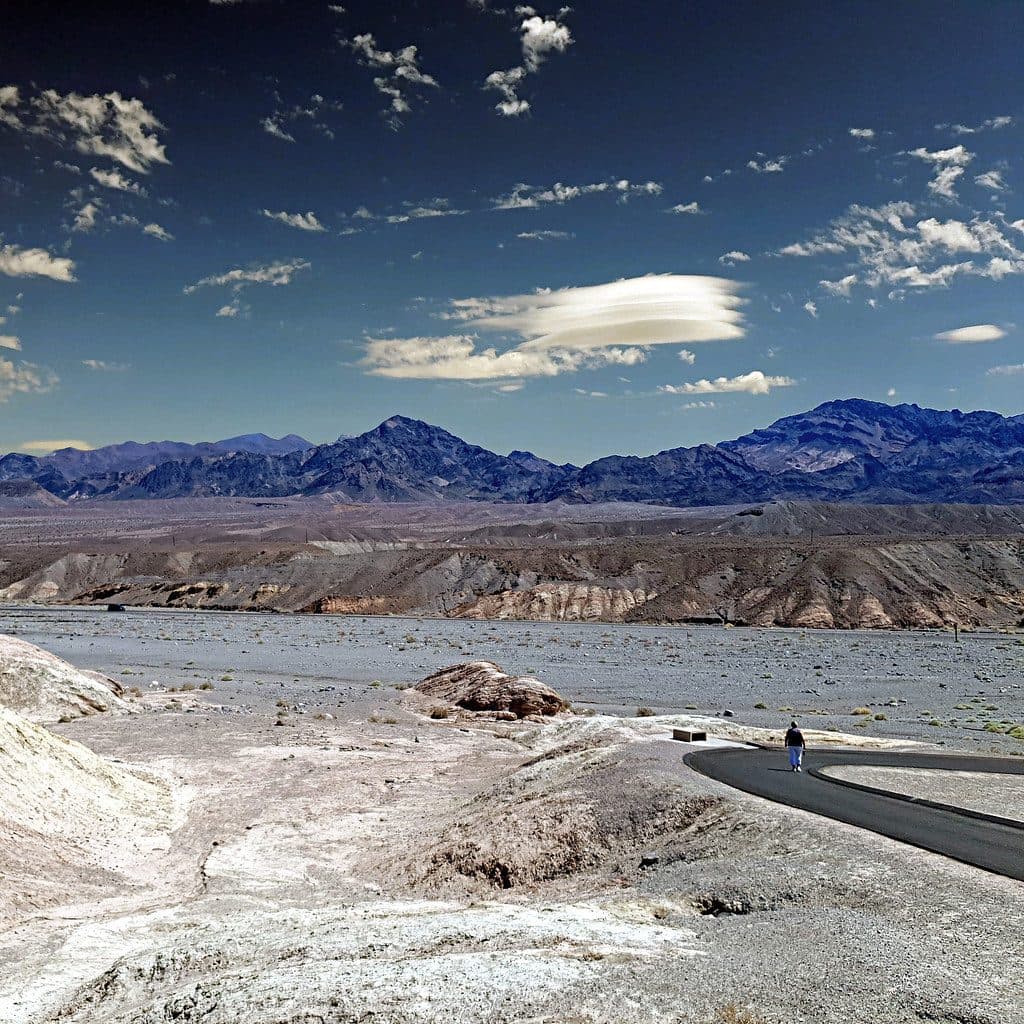
Remote ghost-mine ruins with big views at the end of Echo Canyon
Overview
A classic Death Valley ghost‑mine experience tucked high in Echo Canyon. Inyo Mine mixes photogenic ruins, big desert views, and real solitude—far from the park’s busier stops. If you’re into history and don’t mind a bumpy approach, it’s a rewarding half‑day adventure.
Map
Local know-how
High‑clearance 4x4 is the smart choice; conditions worsen after rain.
Bring at least a gallon of water per person—there are no services.
A free parking permit has been reported and the lot is small—plan ahead.
Allow about 2 hours for the ~20‑mile Echo Canyon drive plus exploring time.
Do not enter shafts or buildings; enjoy the artifacts where they sit.
Plan your stop

The highest, rockiest slopes around here are a summer buffet for grizzly bears.
Death Valley Tour Guide
Parkwolf is a GPS audio tour guide for Death Valley National Park. As you drive, it chimes in with what’s ahead: hidden gems, upcoming stops, history, geology, and wildlife, right through your car’s speakers.
See the Death Valley audio tour“Fantastic app with many points of information… It’s great to just turn on while you’re driving and it gives you an audio tour of the national Park. We love it!!!!”


Guide
This is a true backcountry ruin: no water, no restrooms, no shade, and unreliable cell service. Bring plenty of water, sun protection, sturdy shoes, and a first‑aid kit. Watch your footing—there are unprotected, deep shafts and unstable structures. Enjoy the artifacts in place; don’t enter buildings or tunnels.
Claimed in 1905 by Maroni Hicks and Chet Leavitt, Inyo Mine became the earliest major gold find on the west side of the Funeral Range—and the only one there to produce more than sporadic amounts. Activity peaked from 1905–1907, sputtered, then saw brief revivals in the 1920s and 1930s before final abandonment by 1940. Its scattered machinery and mixed‑era buildings tell the classic boom‑and‑bust story.
Golden hour lights up the wood cabins and ore works beautifully; climb carefully to higher ruins for broader valley views. A wide lens helps with close‑quarters structures; a short tele compresses the layers of canyon walls.
Wildlife
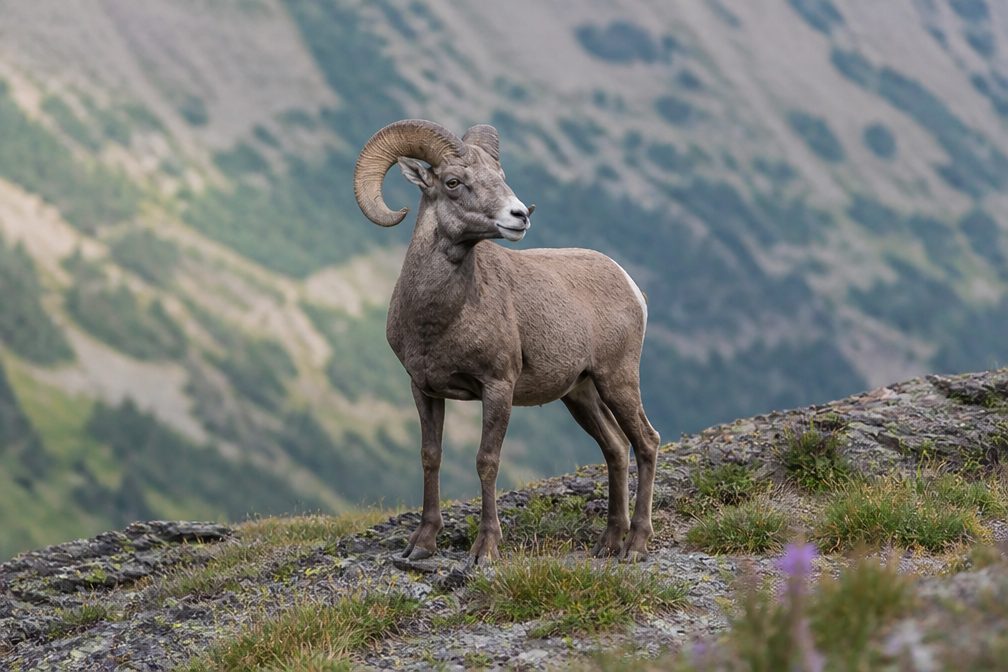 71 sightingsBighorn SheepMost seen around 6 PMSighting map
 101 sightingsDesert TortoiseMost seen around 8 AMSighting map
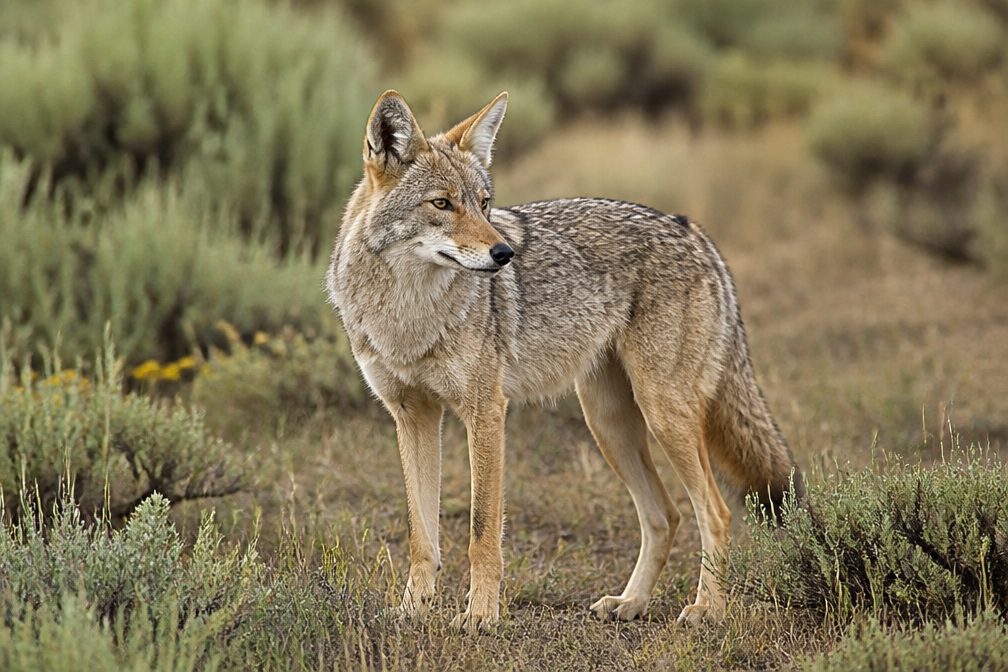 458 sightingsCoyoteMost seen around 6 PMSighting map
 28 sightingsFeral BurroMost seen around 5 PMSighting map
 30 sightingsMule DeerMost seen around 7 PMSighting map
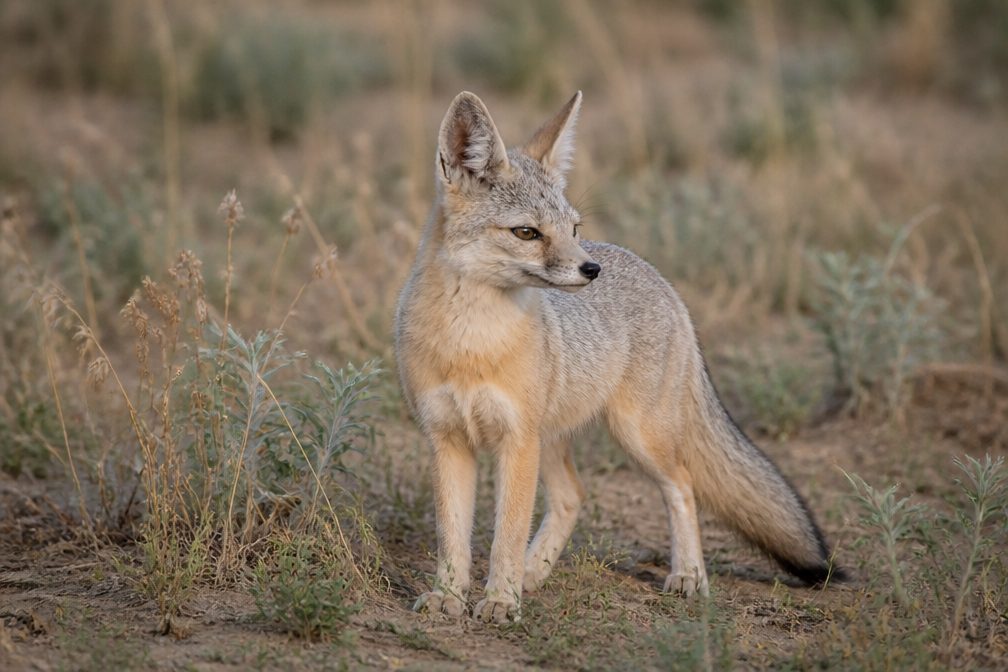 62 sightingsKit FoxMost seen around 7 PMSighting map
Sighting maps show where each species has been reported across Death Valley. Wildlife moves, so no sighting is guaranteed.
Parkwolf’s Death Valley ranking

The audio tour guide for the drive, plus offline maps, trails, and wildlife heatmaps for when the signal drops.