Mesquite Spring Campground

Quiet, higher-elevation campground with water, flush toilets, and sunsets
Mesquite Spring Campground, Death Valley National Park
InsideDeath Valley National Park

Overview

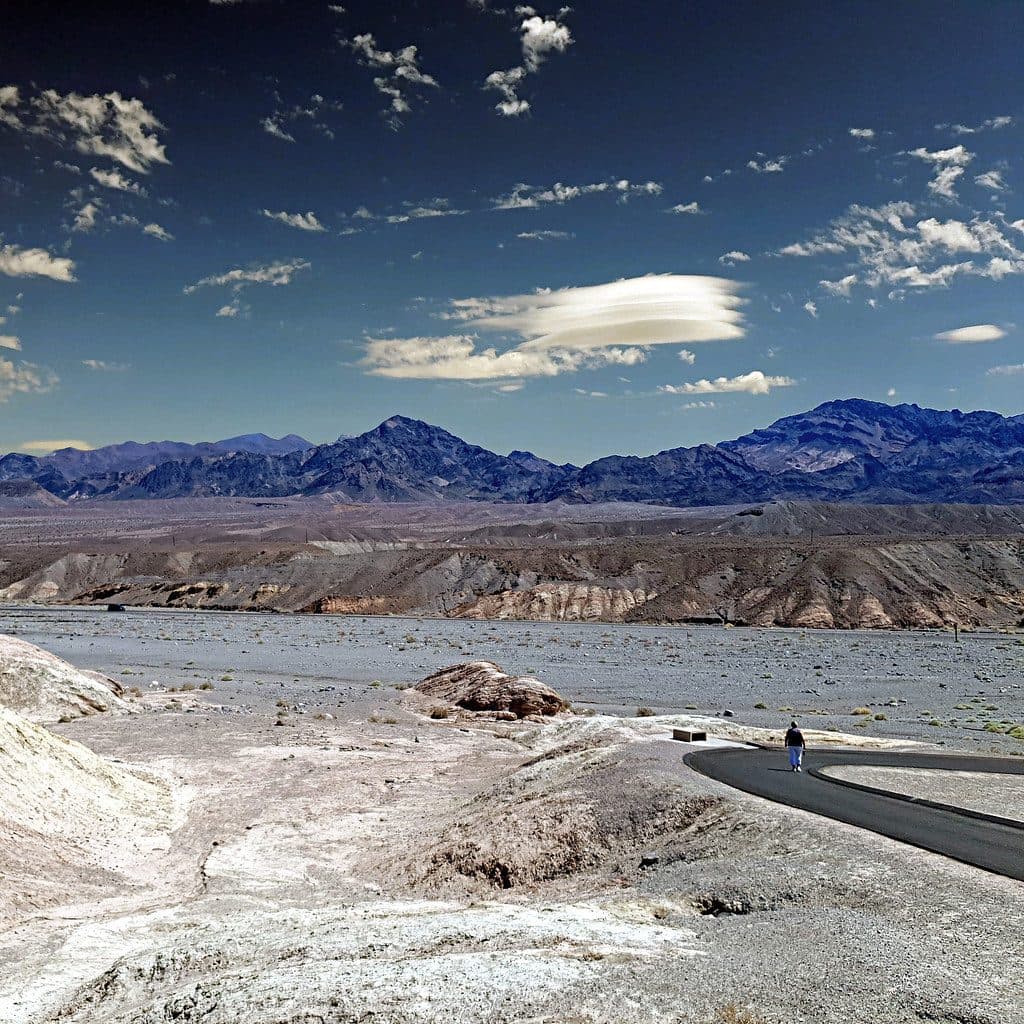
Set below Grapevine Canyon about two miles off Scotty’s Castle Road at roughly 1,800 feet, Mesquite Spring Campground is the quiet, scenic alternative to the busier valley-floor campgrounds. It’s first‑come, first‑served and runs year‑round, with around 30 sites for tents and RVs. That extra elevation takes the edge off the heat compared to Furnace Creek, and the open desert views deliver knockout sunrises, sunsets, and stars.

Amenities & Setup

Expect no-frills done right: each site has a picnic table and fire ring, there’s potable water on site, clean flush‑toilet restrooms, a dishwashing sink, and an RV dump station. There are no hook‑ups. Pay at the self‑serve kiosk when you arrive. Pets are allowed. Shade is minimal, and winds can kick up, so plan your camp layout accordingly.

The Setting & Vibe

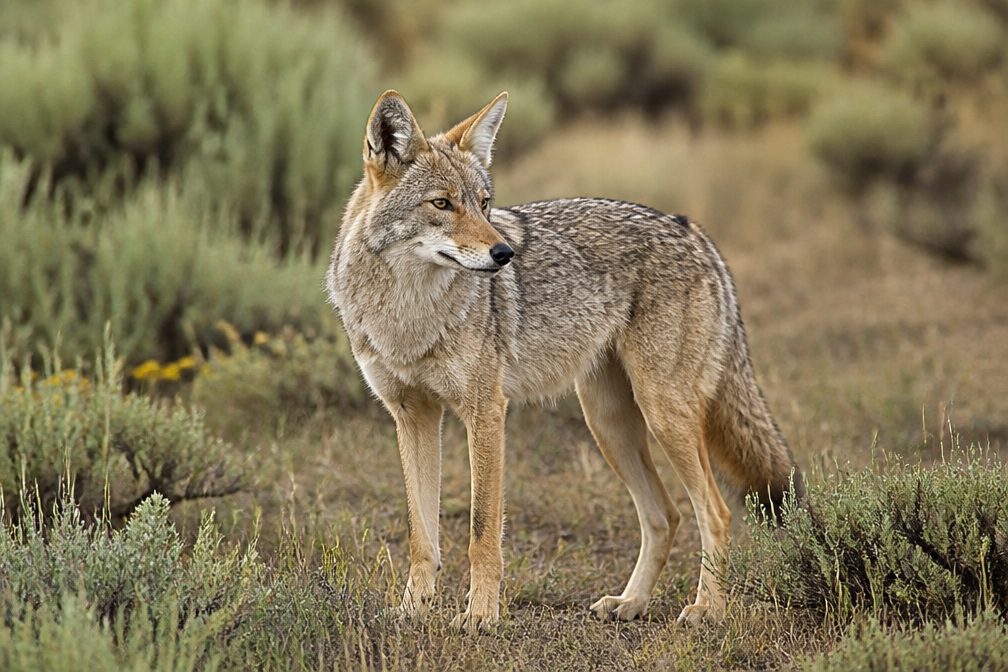
This is the antidote to parking‑lot camping—broadly spaced sites tucked among low desert scrub with mountain backdrops and huge skies. Nights are wonderfully dark and quiet; you’ll likely hear coyotes and, on calm nights, nothing at all. It’s remote, which is the point, but it also means committing to longer drives for other sights.

Nearby & What You’ll See

You’re well placed for the park’s northern highlights; Ubehebe Crater sits just up the road. Around camp, the draw is the desert scene itself: wide washes, colorful hills, and big‑sky light that glows at sunrise and sunset. In good years, spring wildflower blooms can be excellent.

Wildlife

Campers commonly note desert critters—think kangaroo rats, tarantulas, and plenty of coyotes vocalizing after dark. Birdlife works the washes and shrubs, especially in the cooler months. As always, watch where you step and leave wildlife undisturbed.

Best Time to Visit

Late fall through early spring is the sweet spot for cooler temps and crisp night skies. Spring brings the chance of wildflowers and the most competition for sites. Aim to arrive earlier in the day, and weekdays are calmer than weekends. Photography sings at sunrise and sunset.


Know Before You Go

  • No cell service—download maps and share plans ahead of time.
  • Stock up on fuel, food, and firewood before heading north; services are a long way off.
  • Nights at this elevation can be chilly even when days are warm; bring layers.
  • Expect little natural shade and occasional wind; bring sun and wind protection.

Pros

  • Flush toilets, potable water, and an RV dump station
  • Remote, quiet setting with big skies, sunsets, and spring wildflowers

Cons

  • No hook-ups or cell service
  • Far from park hubs; expect long drives to main sights

Tips

  • Arrive early—sites are first-come, first-served and spring fills fastest.
  • Fuel up and buy groceries and firewood before driving up; there are no nearby services.
  • Bring sun shade and secure your tent—this area can be windy with little natural cover.
  • Pack warm layers for chilly nights at 1,800 feet, even in shoulder seasons.
  • No cell service here—download offline maps and let someone know your plans.
The Parkwolf tour guide sitting on a phone mounted in a car

Parkwolf Tour Guide

Like a tour guide in your car.

Save the places you found around Death Valley, then let Parkwolf guide the drive between them.Download Parkwolf on the App Store