Place · 0 mi away

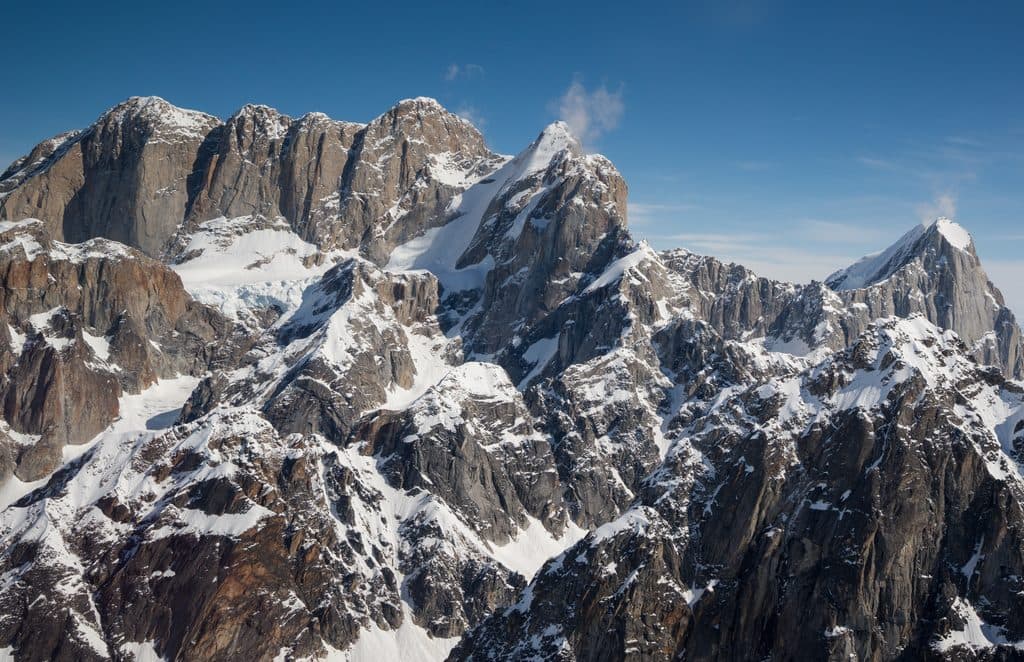
Ruth Glacier carves a colossal path along the southeast side of Denali, flowing more than 30 miles through a canyon of polished granite. This is the backdrop for the Great Gorge—an ice-filled corridor framed by 4,000–5,000-foot walls—with ice measured in thousands of feet deep. It’s remote, raw, and overwhelmingly dramatic.
The Great Gorge is often described as deeper than the Grand Canyon. Over roughly ten miles, the glacier is pinched to about a mile wide, with ice depths reported up to 3,700 feet and peaks rocketing up nearly two vertical miles from the glacier floor. The scenery is dominated by serrated spires like Mount Dickey, Mount Barrille, Mount Johnson, and the Moose’s Tooth.
Most visitors see Ruth Glacier from the air on flightseeing tours, often with a brief glacier landing. Pilots skim along the gorge or slip into the Don Sheldon Amphitheater, a high, bowl-shaped basin that’s become the classic landing zone. On warm or sunny days, you may spot avalanches and glittering icefall spilling from the steep faces.
Climbers treat the Ruth as a world-class alpine venue. In spring (April–May), snow and ice routes are prime; in early summer (June–July), rock climbing improves but avalanche and rockfall hazards rise. Parties commonly stage via ski-plane to the Mountain House above the amphitheater or to the Root Canal for Moose’s Tooth objectives; some routes benefit from landings in the gorge itself, with the tradeoff of potentially hauling loads uphill for pickup.
As the glacier pours down steeper gradients, it breaks into the crevasse-riddled Ruth Ice Fall—an ever-shifting labyrinth that’s effectively impassable on foot. Along the glacier you’ll see medial and lateral moraines, deep blue meltwater pockets, and tortured ice at the snout where meltwater bursts into daylight.
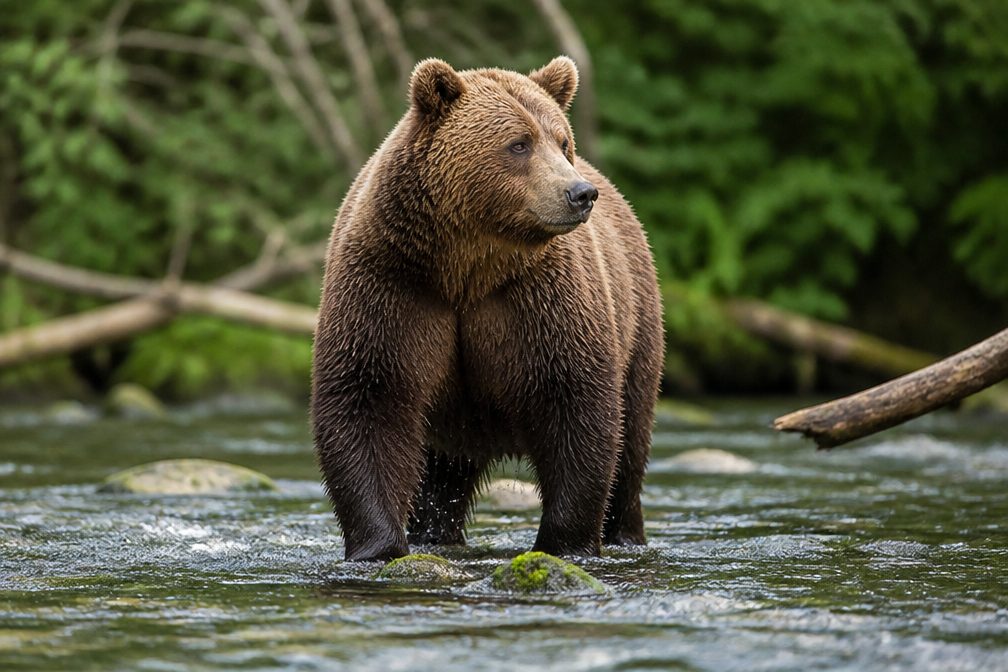
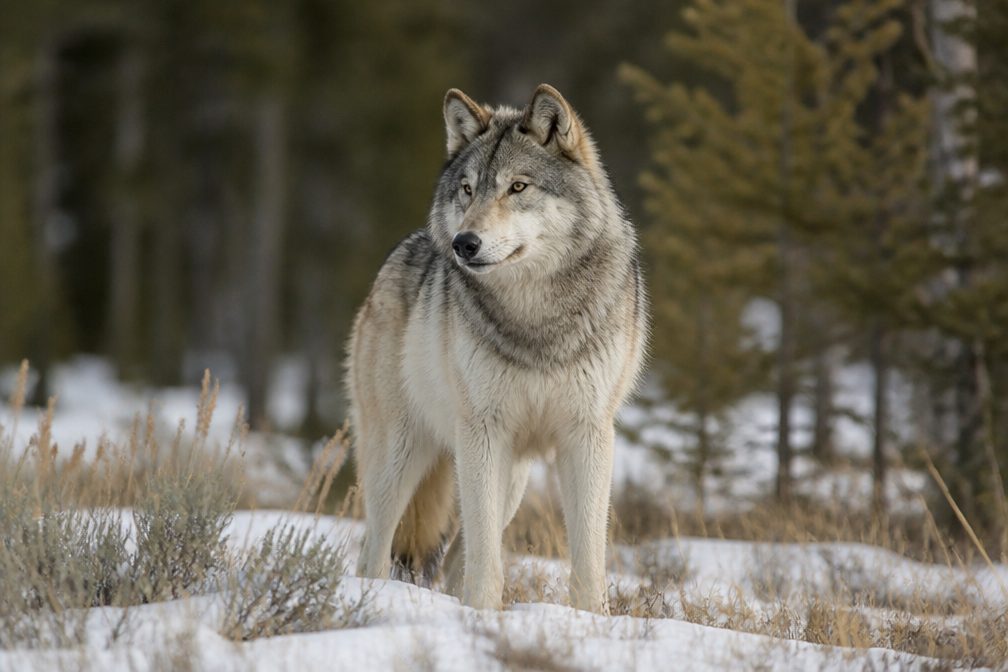
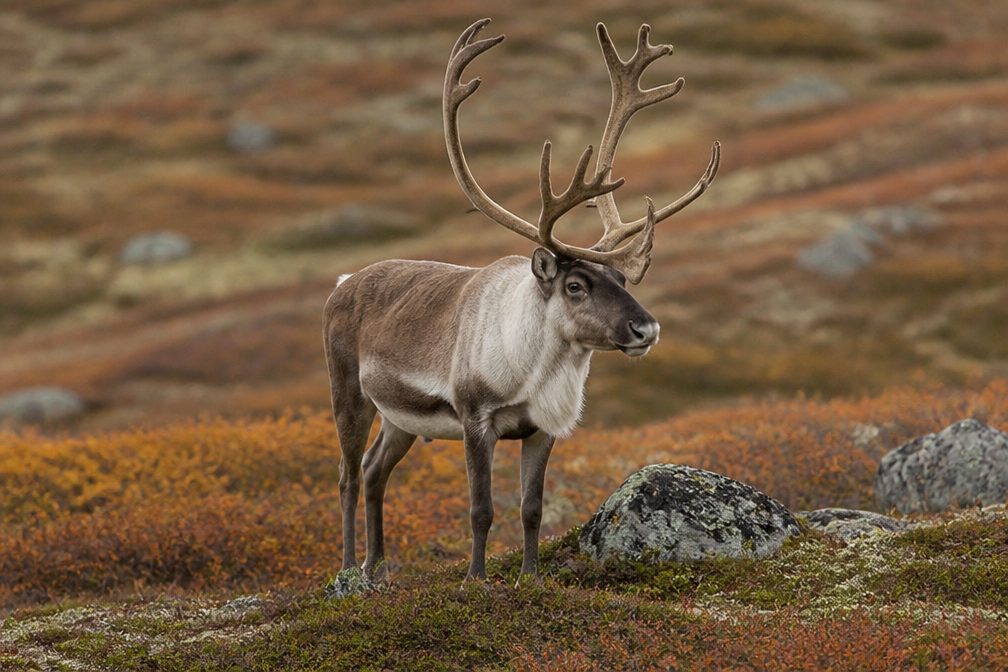
Wildlife is sparse in this high, icy world—maybe a raven or ptarmigan overhead. The show here is geology, not fauna. What you will notice is the immense quiet, broken only by the rumble of seracs, the hiss of wind, and the distant crack of avalanches.
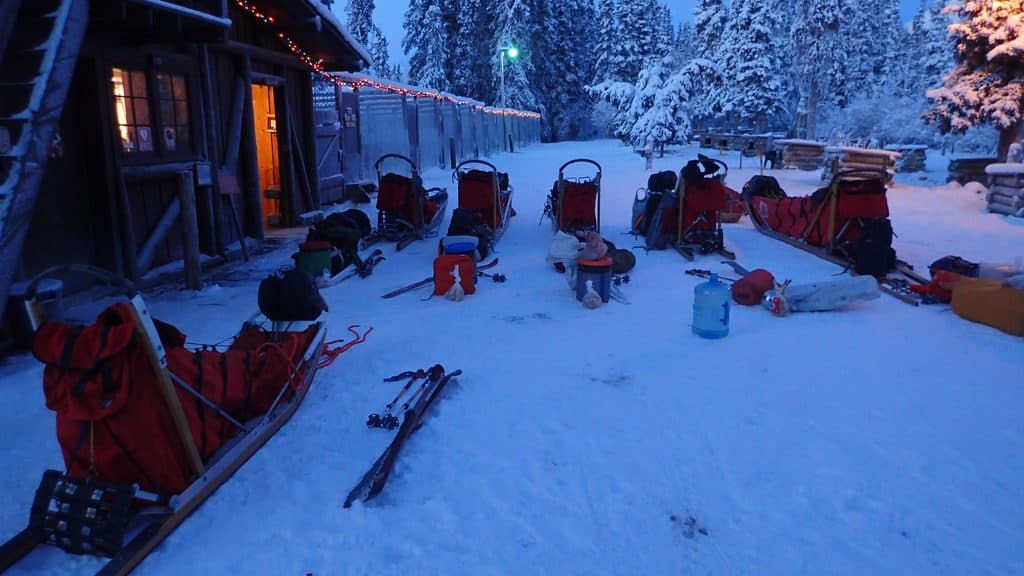
There are no roads, no trails, and no public facilities anywhere on the Ruth. Access is by aircraft, typically from the Talkeetna side. Weather rules everything—storms and clouds routinely delay or cancel flights. If you’re climbing, plan logistics with your air service, expect to move loads between landing and pickup sites, and check in with the Talkeetna ranger station; park entrance fees apply.
The glacier was named by explorer Frederick Cook in 1903 “for Ruth.” The Don Sheldon Amphitheater honors the pioneering bush pilot whose glacier flying made this area accessible for climbers and sightseers.
If you’re up for a flightseeing splurge or planning a serious alpine objective, absolutely. The Ruth is one of those rare landscapes that resets your sense of scale—unforgettable from a small plane and humbling to stand on.