Place · 0.1 mi away

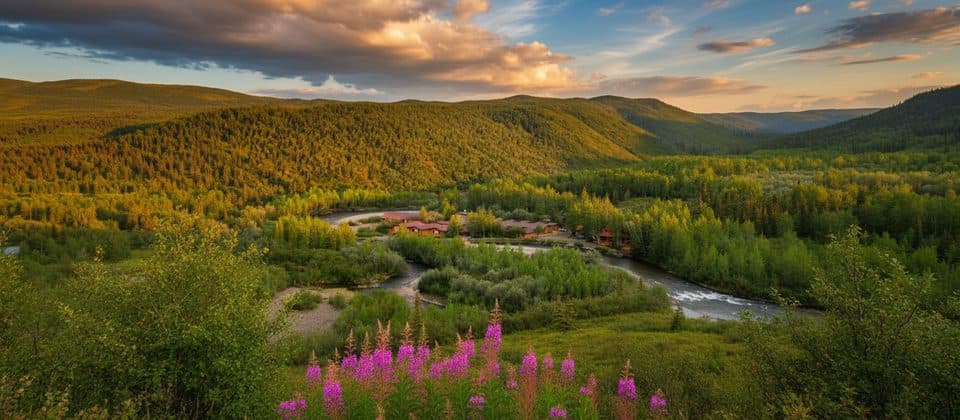
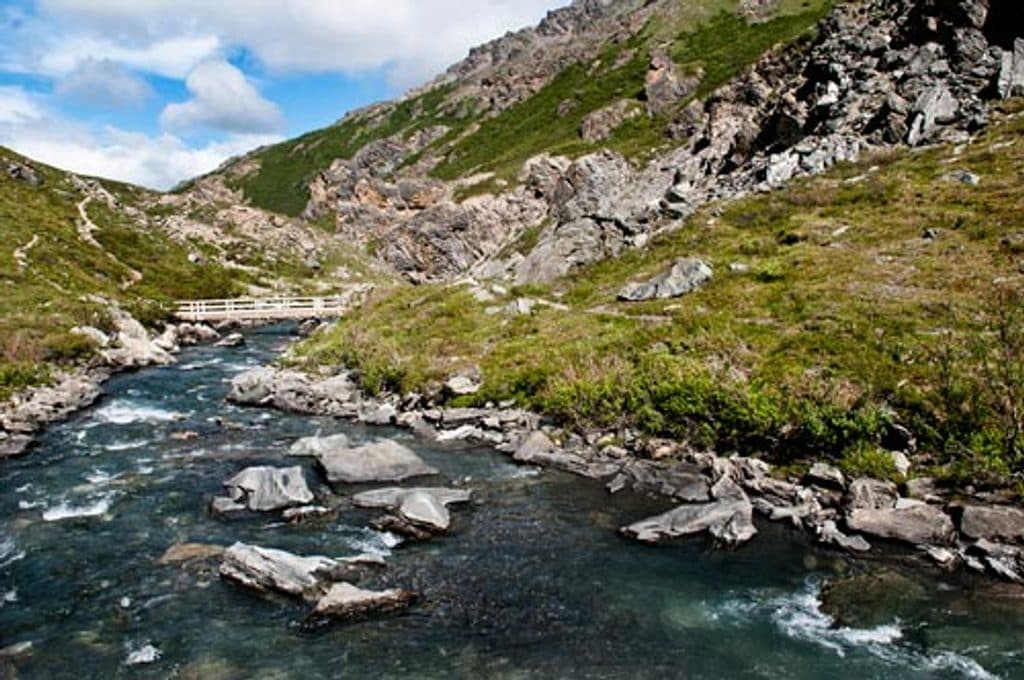
Kantishna is the park’s far‑flung outpost at the literal end of the Denali Park Road, tucked near the confluence of Moose and Eureka Creeks and ringed by the low, rolling Kantishna Hills. It’s where Denali’s backcountry quiet truly takes over—fewer people, more wildlife, and a sense of history you can still see on the ground.
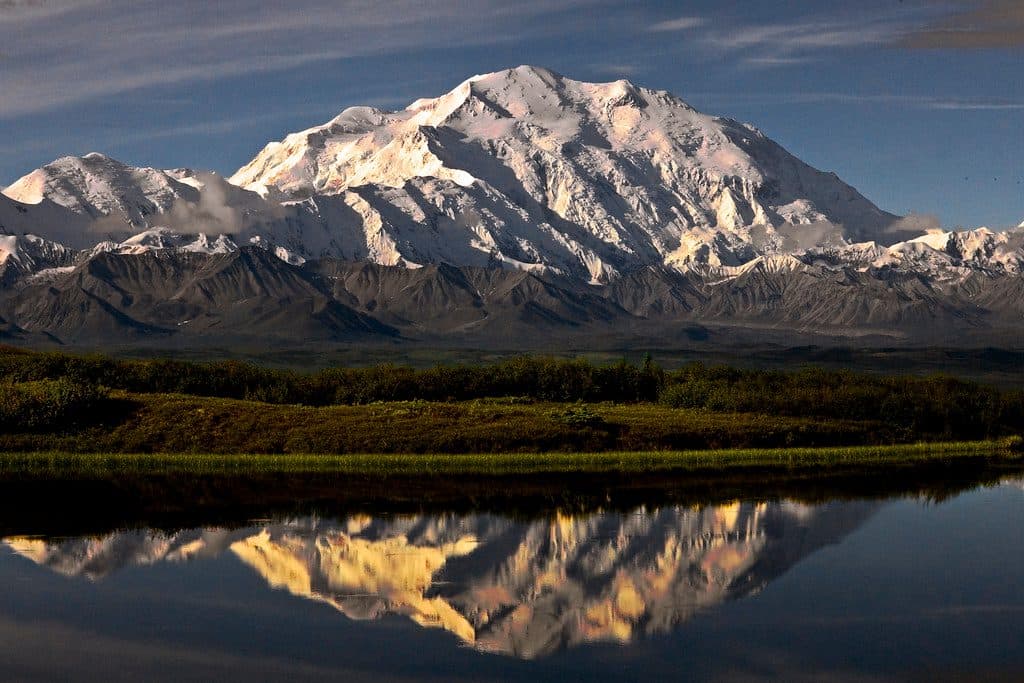
Unlike most places in the park, Kantishna includes a handful of private inholdings where wilderness lodges operate. That means curated, all‑inclusive stays with guided hiking, naturalist talks, and even gold‑panning experiences rooted in the area’s early‑1900s mining past. It’s also a springboard for Wonder Lake—on clear days, a classic spot for Denali views and mirror‑calm reflections.
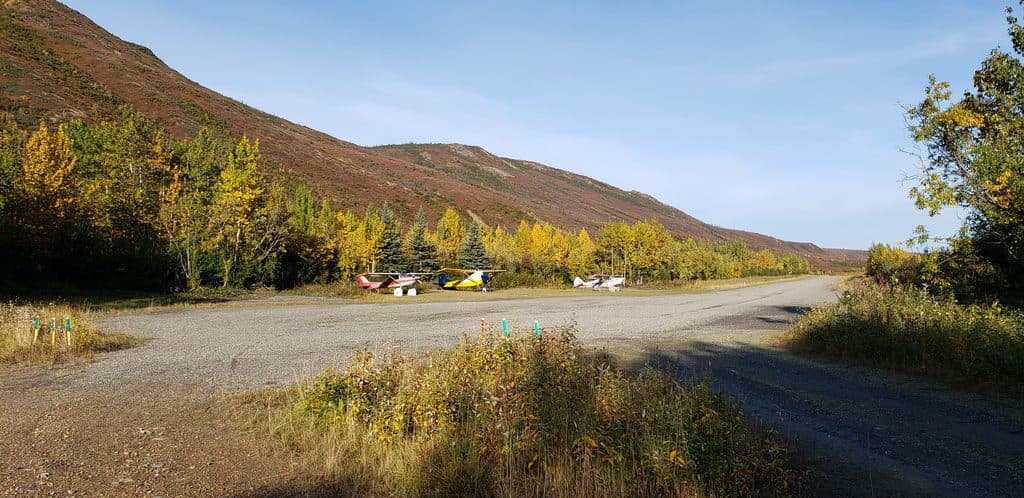
Historically, guests arrived by private lodge buses that traversed the full 90‑plus miles of Denali Park Road. Since the Pretty Rocks Landslide closed the road at mile 43, Kantishna has shifted to fly‑in logistics. Expect chartered or scheduled small‑plane flights to the Kantishna airstrip, with trips bundled by many lodges. It’s more expensive and weather‑dependent, but the aerial perspective can be spectacular.
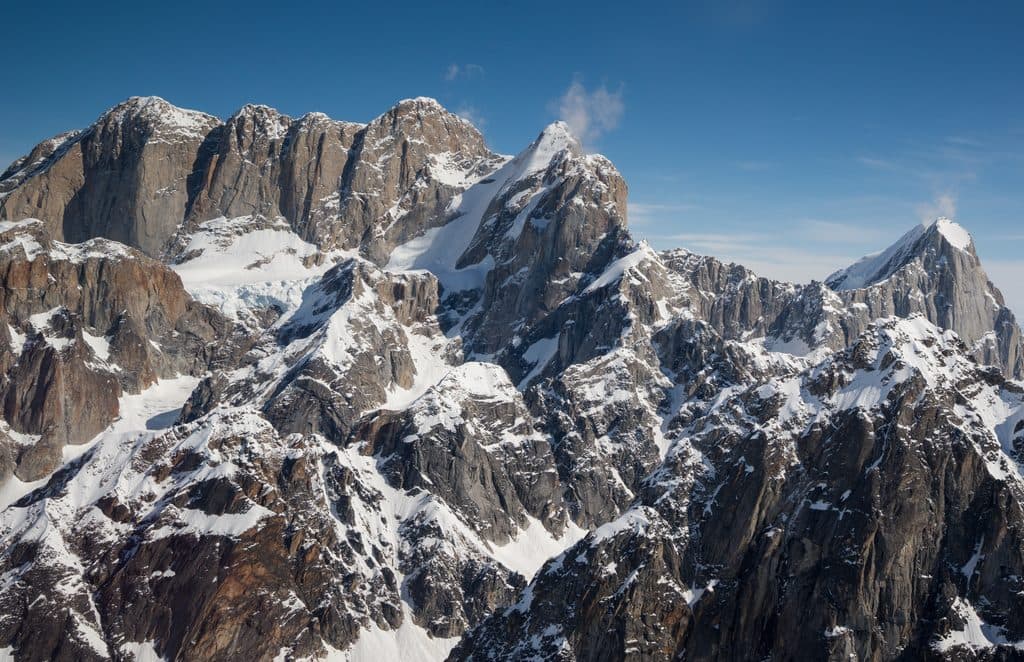
Days here are about immersion: guided and self‑guided hikes from the lodges, interpretive programs, occasional outings to Wonder Lake, and (where offered) gold panning or fly‑fishing. The setting is classic subarctic: tundra meadows, braided streams, and on clear days a show‑stopping Alaska Range skyline.
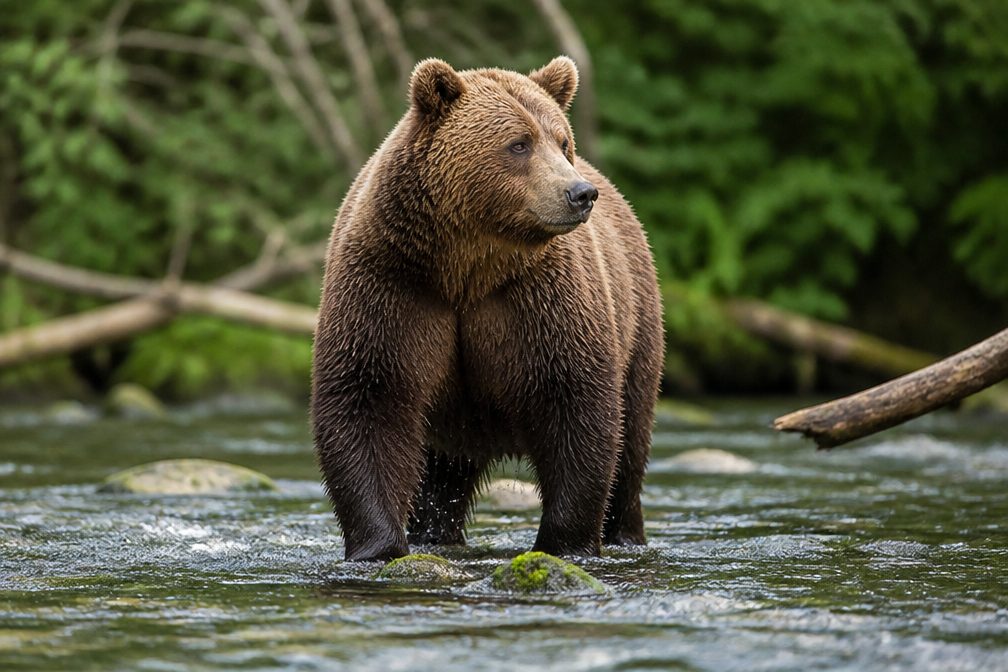
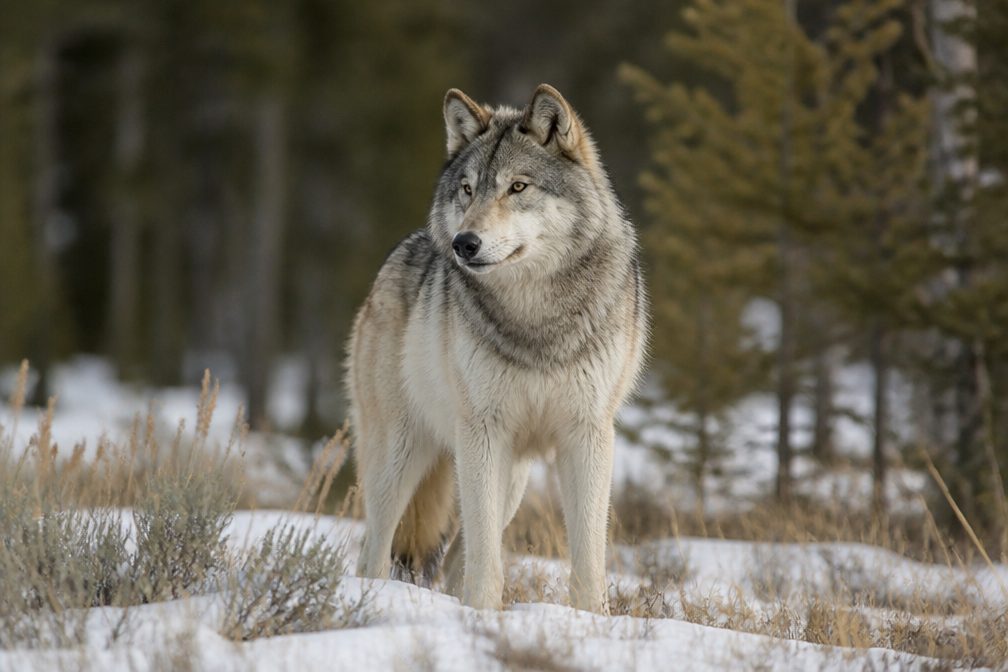
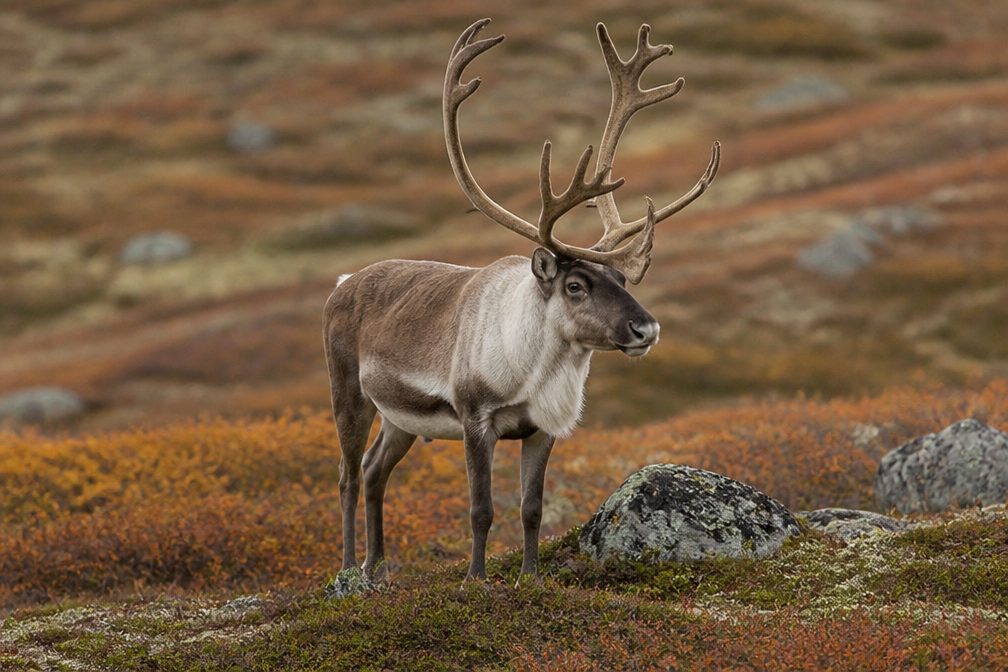
This is prime habitat. Visitors commonly watch for grizzlies and black bears, moose, caribou, wolves, foxes, and lynx, plus a broad cast of birds. The combination of fewer people and guided eyes ups your odds—especially on flights in or out and during slower, quieter hikes from the lodges.
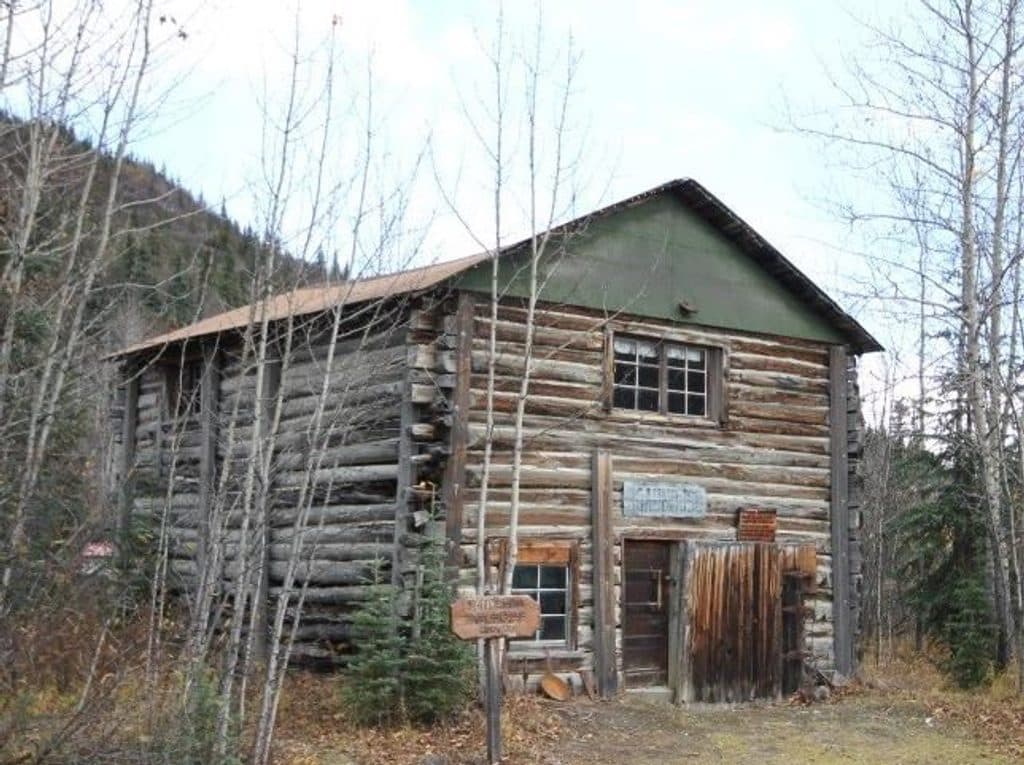
Gold was discovered here in 1905, triggering a short‑lived rush. Kantishna outlasted many nearby camps thanks to its proximity to the source, and relics of that era linger in the hills and creek beds. Over time, extraction gave way to conservation and backcountry tourism as the park expanded and stewardship took priority.
Geologically, the Kantishna Hills differ from the high, glaciated giants to the south. These rounded, mineral‑rich uplands were shaped by glaciers and flowing water, creating a patchwork of habitats that suit both wildlife and wildflower meadows.
Think lodge hub, not a town. For the general public there’s no gas, store, or public restroom; services are essentially for registered guests. Lodges handle meals and activities, and many provide everything you need once you’ve flown in.
If you want solitude, guided depth, and a taste of Denali’s human history in the middle of true wilderness, yes. Just be ready for fly‑in logistics, variable weather, and backcountry bugs. The payoff is big country without the bustle.