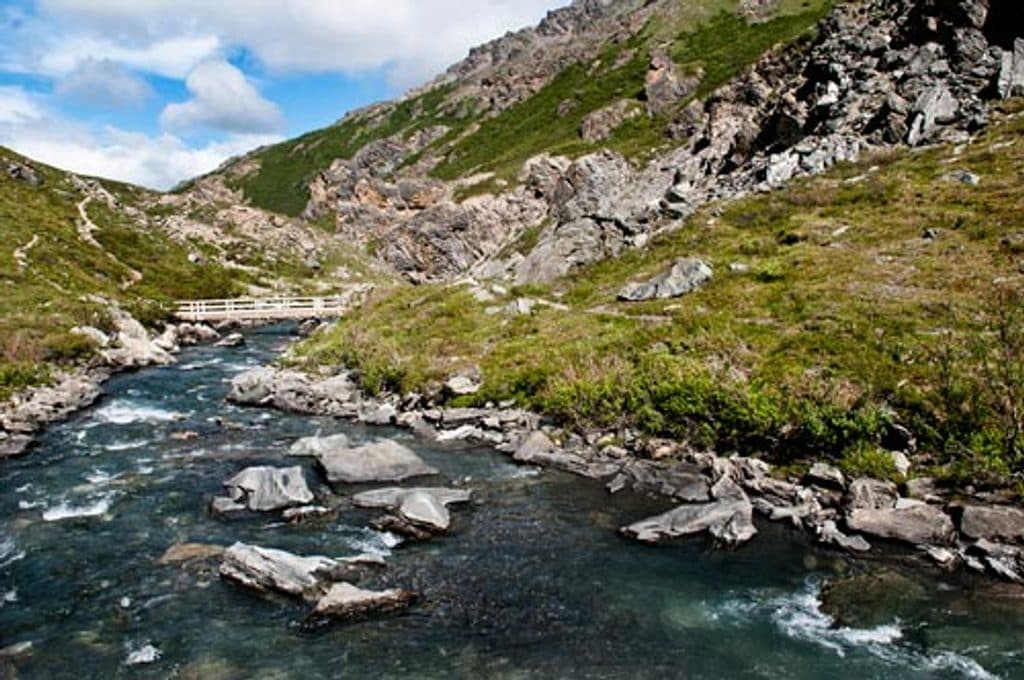
The Great Gorge

Alaska’s deepest glacial gorge, best seen on a Talkeetna flight
The Great Gorge, Denali National Park
InsideDenali National Park

Overview

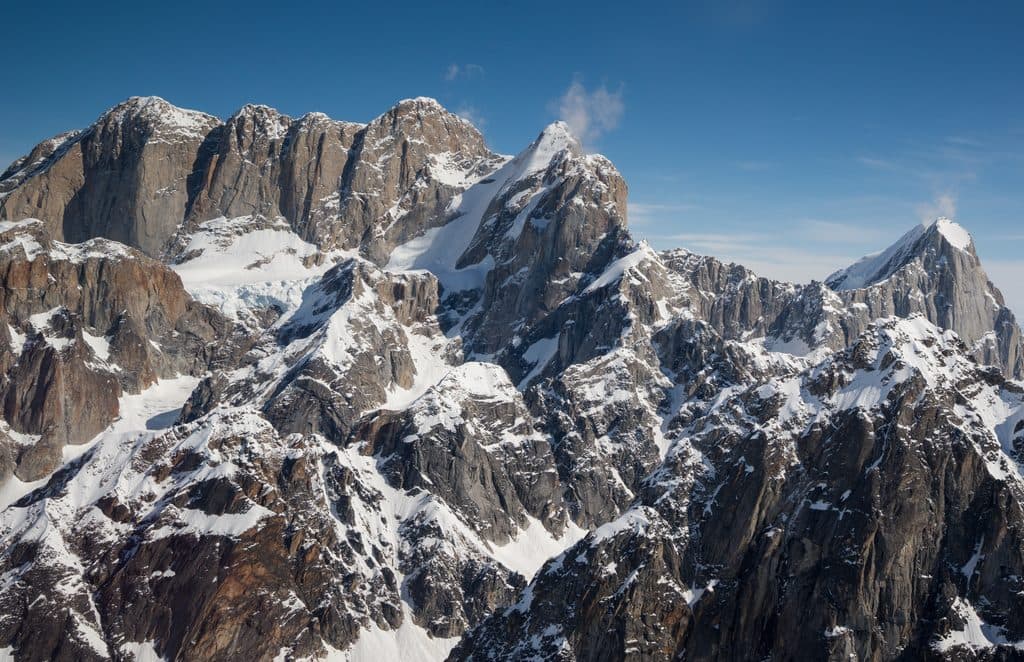
The Great Gorge is the showpiece of Ruth Glacier—an eight‑mile corridor where ice up to 3,700 feet thick funnels between sheer granite walls rising 4,000–5,000 feet. It’s widely cited as the world’s deepest glacial gorge, with nearly 1.7 miles of vertical relief. Remote, raw, and utterly outsized, this is the Denali interior at its most dramatic.

What You’ll See

From the air, the scale hits fast: knife‑edged peaks like Mt. Dickey, the Moose’s Tooth, Broken Tooth, and Bear Tooth tower above a mile‑wide river of crevassed ice. At the head of the system sits the vast Don Sheldon Amphitheater—about 25 square miles of snow and ice—feeding the Gorge. Look for the chaotic Ruth Ice Fall too, a shattered 10‑square‑mile section where the glacier tears itself into blocks and crevasses.

Why It’s Special

Few places on the continent stack this much vertical granite directly above moving ice. If the glacier vanished, you’d be looking at a chasm with nearly two miles of relief—more raw vertical than the Grand Canyon. It’s a place that humbles even seasoned Alaskans and climbers.

Getting There

There’s no road or foot approach for casual visitors. Most people experience the Great Gorge on flightseeing tours out of Talkeetna; pilots often trace the Gorge, circle the Amphitheater, and, when conditions allow, offer a brief glacier landing. Clear days make all the difference.

Seasons, Weather, and Visibility

Weather changes quickly in the Alaska Range. Clouds can shut down views or flights, especially in storms or low ceilings. Mornings after a storm can deliver unforgettable clarity—and occasionally small avalanches shedding off sun‑warmed walls.


Who It’s For

  • Scenic flyers and photographers who want Alaska’s big‑mountain drama without a mountaineering expedition.
  • Highly experienced climbers seeking legendary granite objectives and true wilderness.

If you’re looking for a roadside overlook or a casual hike, this isn’t that.

Safety Realities

This is serious mountain terrain. Avalanches, crevasses, and rapid weather shifts are the norm. Flightseeing is the practical way to go; over‑ice travel and climbing are for advanced parties only, with full alpine kits and avalanche awareness.

Wildlife

The Gorge isn’t a wildlife hotspot, but you might spot birds of prey riding thermals and, on high rock faces, the occasional Dall sheep or mountain goat. Think geology first, wildlife second.

A Bit of History & Geology

Explorers were noting the Gorge’s outsized depth by the late 1930s, and climbers popularized the “Great Gorge” name in the mid‑20th century. Geologically, it’s a granite hallway carved by the relentless flow of Ruth Glacier, which moves over three feet per day as it squeezes through this mile‑wide slot.

Pros

  • World-record deep glacial gorge carved by Ruth Glacier
  • Jaw-dropping granite walls like Mt. Dickey and the Moose’s Tooth
  • Often featured on Talkeetna flightseeing, with possible glacier landings

Cons

  • Only reachable by air; no road or trail access
  • Highly weather dependent; clouds can hide the views
  • Serious avalanche and crevasse hazards for climbers

Tips

  • Book a Talkeetna flightseeing tour and aim for a clear‑morning window.
  • Ask your pilot if a glacier landing in the Amphitheater is possible that day.
  • Bring sunglasses and layered warmth; the glacier glare and cabin temps vary.
  • A fast shutter and zoom lens help capture crevasses and towering walls.
  • If you’re prone to motion sickness, consider medication before small‑plane flights.
The Parkwolf tour guide sitting on a phone mounted in a car

Parkwolf Tour Guide

Like a tour guide in your car.

Save the places you found around Denali, then let Parkwolf guide the drive between them.Download Parkwolf on the App Store